8 Scallop Nutrition Facts and Health Benefits
Discover the impressive nutrition profile of scallops and how they support heart health, brain function, weight management, and more.
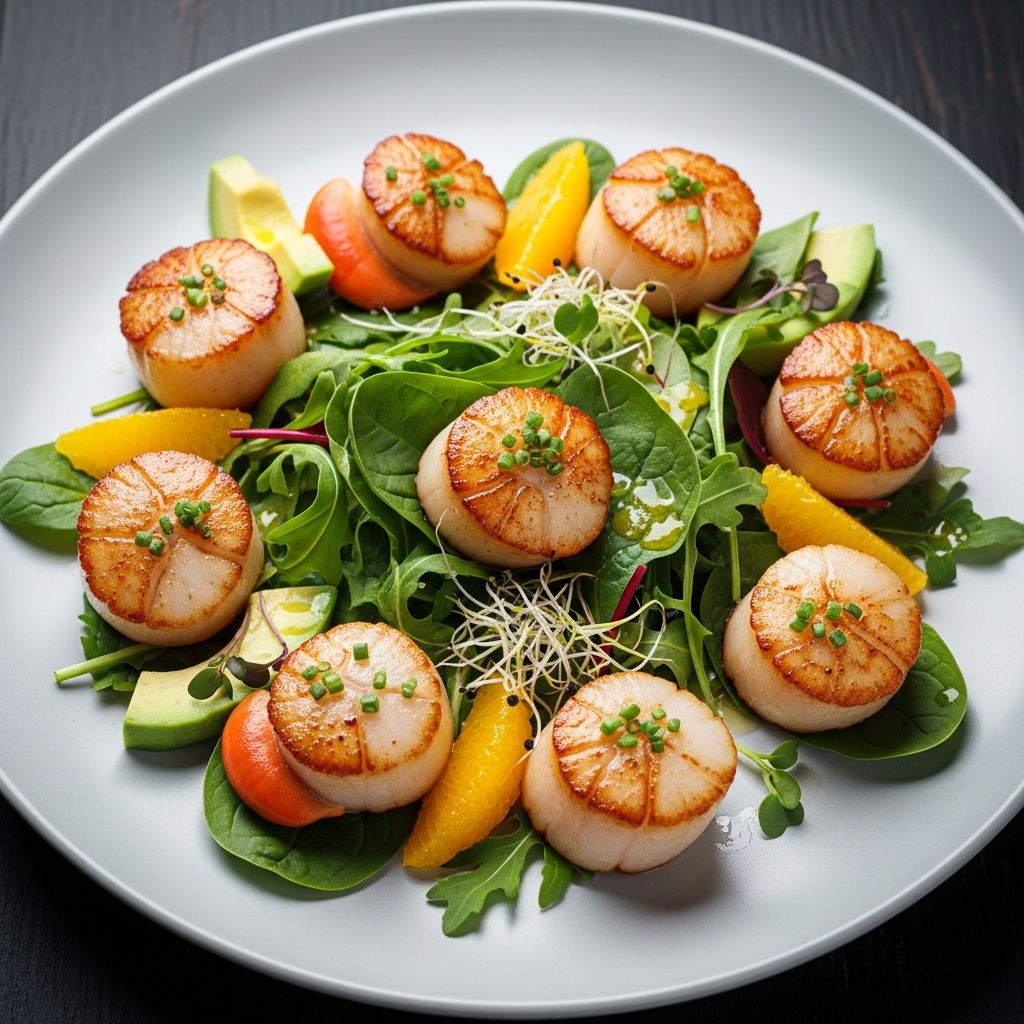
Scallops are a delicate, sweet seafood delicacy that offers far more than gourmet appeal. These bivalve mollusks are among the healthiest seafood options, boasting
high-quality protein
, essential vitamins, minerals, and omega-3 fatty acids. A 3-ounce (85g) serving of steamed scallops provides about 20 grams of protein with minimal fat and calories, making them ideal for various diets.Rich in nutrients like vitamin B12, magnesium, zinc, and selenium, scallops support multiple bodily functions. Studies link their consumption to improved heart health, brain function, weight management, and muscle recovery. This article breaks down the top nutrition facts and benefits, backed by science, plus tips for safe consumption and recipes.
What Are Scallops? Nutrition Facts
Scallops are marine bivalves harvested from oceans worldwide, prized for their tender adductor muscle—the part we eat. They come in sea scallops (larger, Atlantic/Pacific) and bay scallops (smaller, sweeter). Farmed or wild varieties are available year-round frozen or fresh seasonally.
According to USDA data, a 100g serving of steamed scallops contains:
- Calories: 112
- Protein: 20g (40% DV)
- Fat: 1g (includes 0.2g omega-3s)
- Carbs: 4g
- Vitamin B12: 2µg (83% DV)
- Magnesium: 51mg (12% DV)
- Phosphorus: 300mg (43% DV)
- Potassium: 314mg (7% DV)
- Zinc: 1.5mg (14% DV)
- Selenium: 25µg (45% DV)
Scallops are low in mercury compared to larger fish, making them safe for regular consumption, including during pregnancy in moderation.
Scallop Health Benefits
1. Excellent Source of High-Quality Protein
Scallops deliver complete protein with all essential amino acids, crucial for muscle repair, tissue building, and satiety. At 80% protein by composition, they help you feel full longer, aiding weight control. Research shows high-protein seafood like scallops boosts metabolism and preserves lean mass during dieting.
Unique amino acids like taurine and glycine in scallop protein prevent obesity in high-fat diets while improving lipid profiles, per animal studies.
2. Promote Heart Health
Omega-3 fatty acids (EPA/DHA) in scallops reduce inflammation, lower triglycerides, and balance cholesterol. Magnesium relaxes blood vessels, supporting healthy blood pressure and circulation. Low magnesium links to 54% higher heart disease mortality risk.
Potassium and phosphorus further protect against hypertension. Regular intake (2-4 times weekly) may cut heart disease risk.
3. May Prevent Stroke
Omega-3s improve blood flow and reduce clotting, potentially lowering stroke risk by up to 48% in fish eaters. Vitamin B12 lowers homocysteine, an amino acid damaging vessels. Antioxidants like selenium combat oxidative stress linked to vascular issues.
4. Support Brain Health and Cognitive Function
Over 100% DV of vitamin B12 per serving aids neurotransmitter production for mood and cognition. Zinc balances hormones and memory; omega-3s fight cognitive decline. Scallops may reduce Alzheimer’s risk via B12 and iron.
5. Aid Weight Management
Low-calorie, high-protein profile promotes fullness and thermogenesis. Taurine/glycine prevent fat accumulation. Diets with scallop-like proteins sustain weight loss better than carb-heavy ones.
Related Stories



6. Enhance Physical Recovery and Muscle Health
Magnesium reduces cramps, repairs tissue, and builds strength, lowering osteoporosis risk. Protein supports post-workout recovery; athletes benefit from anti-inflammatory minerals.
7. Boost Immune Function
Zinc, selenium, and copper enhance immunity, wound healing, and cell regeneration. Anti-inflammatory potassium/magnesium/zinc prevent arthritis, diabetes, and cancer via oxidative stress reduction.
8. Support Thyroid and Metabolism
Iodine regulates thyroid hormones for efficient metabolism and energy. Combined with protein, this aids weight maintenance.
Scallop Risks and Considerations
Scallops are low in mercury but may accumulate cadmium; choose reputable sources. Those with shellfish allergies should avoid them. Raw scallops risk vibriosis bacteria—cook to 145°F internal temperature.
Opt for sustainably sourced (MSC-certified) to minimize environmental impact. Cholesterol is moderate (41mg/100g), but dietary cholesterol minimally affects blood levels for most.
How to Add Scallops to Your Diet
- Sear quickly: Pat dry, season, sear 1-2 min per side in hot oil for golden crust.
- Grill or broil: 3-4 min per side with lemon/herbs.
- Stir-fry: With veggies and ginger for Asian flair.
- Pasta primavera: Toss with garlic, tomatoes, spinach.
- Salads: Chilled with greens, citrus vinaigrette.
Recipe: Seared Scallops with Lemon Butter (Serves 2)
Ingredients: 8 large scallops, salt/pepper, 1 tbsp oil, 2 tbsp butter, 1 lemon (juice), parsley.
Directions: Dry scallops, season. Heat oil, sear 2 min/side. Add butter/lemon, baste. Garnish. 250 cal/serving.
Frequently Asked Questions (FAQs)
What are the top health benefits of scallops?
Scallops provide lean protein for muscle/weight control, omega-3s/magnesium for heart health, B12/zinc for brain function, and minerals for immunity/recovery.
Are scallops high in cholesterol?
Moderate at 41mg/100g, but safe for most; focus on overall diet.
Can scallops help with weight loss?
Yes, high protein/low cal promote satiety and metabolism boost.
Are scallops safe during pregnancy?
Low mercury makes them safer than tuna; cook thoroughly, limit to 8-12oz/week.
How often should you eat scallops?
2-3 servings weekly for benefits without excess.
Nutrition Comparison Table
| Nutrient (per 100g steamed) | Amount | % DV |
|---|---|---|
| Protein | 20g | 40% |
| Omega-3s | 205mg | 13% |
| Vitamin B12 | 2µg | 83% |
| Magnesium | 51mg | 12% |
| Zinc | 1.5mg | 14% |
Scallops outperform many proteins in nutrient density per calorie.
References
- The Surprising Health Benefits of Enjoying Scallops for Protein — Your Health Magazine. 2023. https://yourhealthmagazine.net/article/weight-control-nutrition-exercise/the-surprising-health-benefits-of-enjoying-scallops-for-protein/
- Scallops: Are There Health Benefits? — WebMD. 2024-05-15. https://www.webmd.com/diet/scallops-health-benefits
- Here’s Why Scallops Are Not Only Good, But Also Healthy — Prime McAllen. 2023. https://www.primemcallen.com/blog/why-are-scallopes-good-healthy/
- Wild Maine Scallops — NW Wild Foods. 2024. https://nwwildfoods.com/blogs/blog/wild-maine-scallops
- Are Scallops Safe to Eat? Nutrition, Benefits and More — Healthline. 2024-08-20. https://www.healthline.com/nutrition/scallops
- Scallops: Cholesterol levels, nutrient profile, recipes — Medical News Today. 2023-11-10. https://www.medicalnewstoday.com/articles/are-scallops-high-in-cholesterol
- Scallop protein with endogenous high taurine and glycine content… — PMC (NIH). 2014-06-24. https://pmc.ncbi.nlm.nih.gov/articles/PMC4055845/
Similar Articles








Read full bio of medha deb