Scalp Eczema: Expert Guide To Symptoms And Treatments
Discover effective strategies to manage itchy, flaky scalp eczema and reclaim scalp comfort with expert-backed treatments.
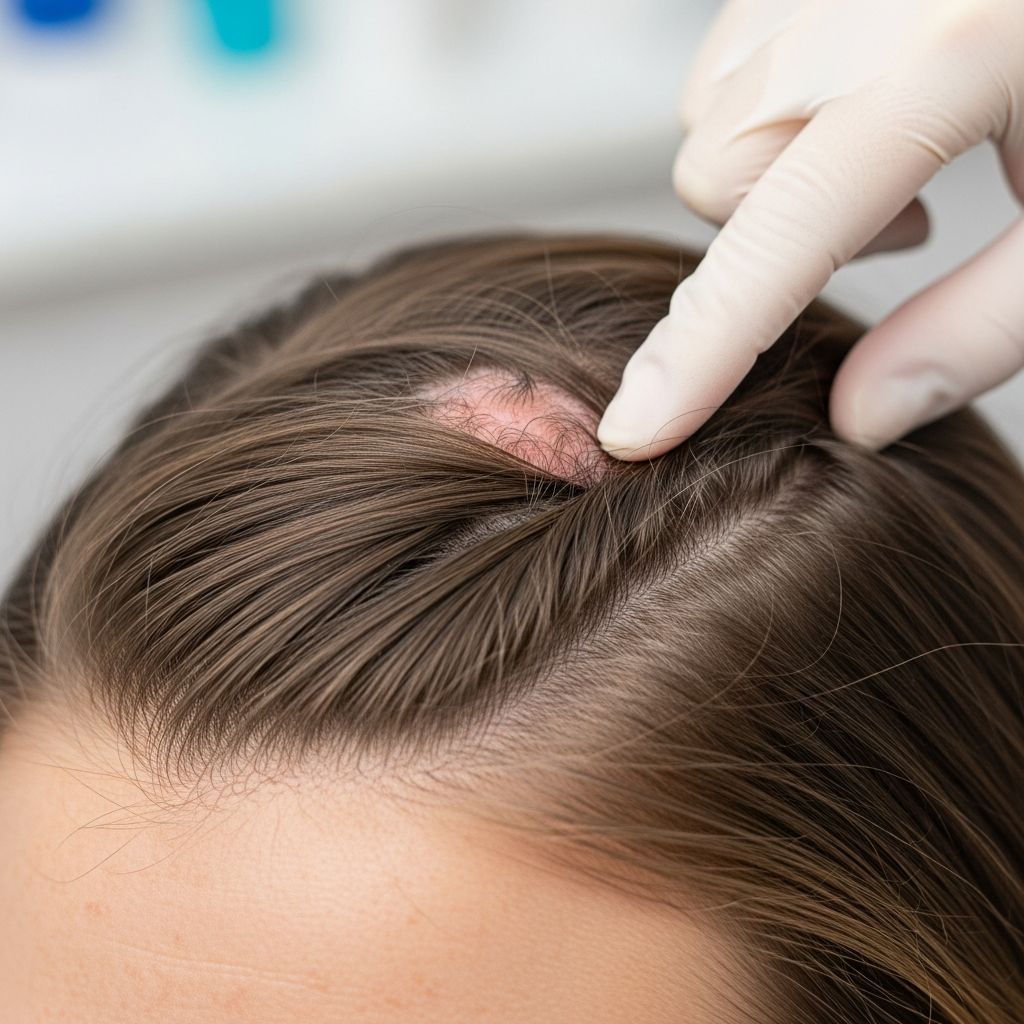
Scalp eczema manifests as persistent itching, flaking, and inflammation on the scalp, often linked to conditions like seborrheic dermatitis. This comprehensive guide details its symptoms, underlying causes, targeted treatments, and practical prevention measures to help individuals achieve relief and maintain scalp health.
Recognizing the Signs of Scalp Eczema
Scalp eczema presents with distinctive symptoms that differentiate it from common issues like dandruff. Affected areas typically show dry, scaly patches that itch intensely and may change in size or shape over time. In seborrheic dermatitis, a prevalent form, skin can appear waxy, oily, or flaky, with yellow or red hues on lighter skin tones and darker or lighter patches on deeper tones.
Common indicators include:
- Intense itching that worsens at night or after sweating.
- White-to-yellow scaling resembling severe dandruff.
- Redness and inflammation around hair follicles.
- Thickened or hardened skin in chronic cases.
- Flakes that accumulate on shoulders or clothing.
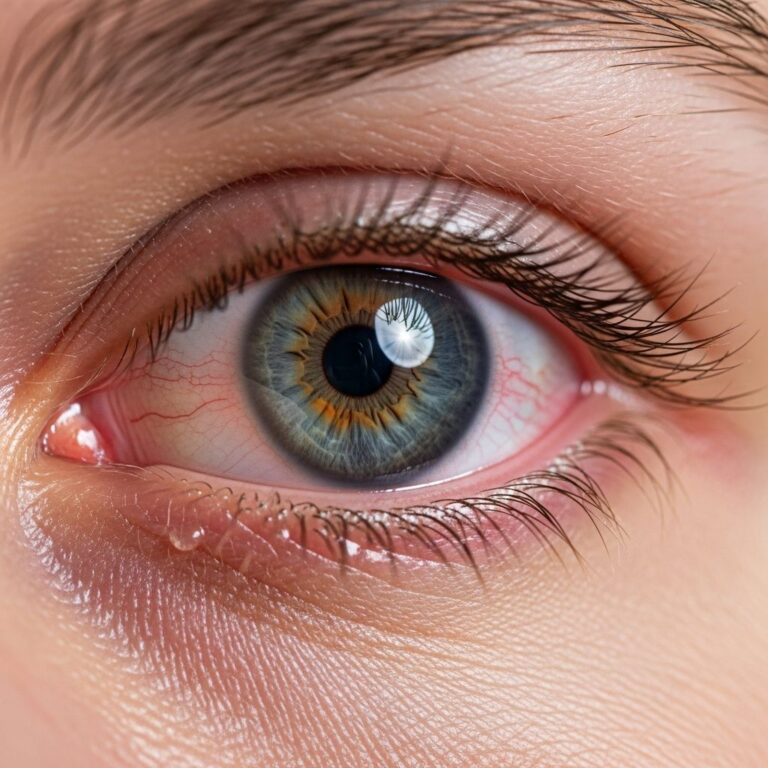
These symptoms often extend beyond the scalp to oil-rich zones such as the eyebrows, nose sides, ears, eyelids, and upper back, signaling a broader seborrheic involvement.
Primary Causes and Risk Factors
The exact origins of scalp eczema remain multifaceted, but seborrheic dermatitis, the most common variant on the scalp, involves an overgrowth of Malassezia yeast naturally present on skin. This yeast triggers an immune response in susceptible individuals, leading to inflammation and excessive skin cell turnover.
Key triggers exacerbating flare-ups encompass:
- Stress and sleep deprivation: Elevate immune reactivity and oil production.
- Sweating or humidity: Promote yeast proliferation in moist environments.
- Harsh irritants: Found in shampoos, dyes, or chemicals that strip natural oils.
- Dry environments: Cold weather or low humidity impair the skin barrier.
- Genetic predisposition: Family history of eczema or atopic conditions increases vulnerability.
Risk factors include oily or dry skin extremes, male gender, and living in arid climates. Unlike simple dandruff, scalp eczema involves true inflammation, distinguishing it through persistent redness and discomfort.
Types of Eczema Affecting the Scalp
Several eczema variants can target the scalp, each with unique characteristics. Seborrheic dermatitis predominates due to its affinity for sebaceous areas, but others contribute significantly.
| Type | Description | Key Features on Scalp |
|---|---|---|
| Seborrheic Dermatitis | Yeast-driven inflammation in oily zones. | Oily scales, redness, extends to face/ears. |
| Atopic Dermatitis | Chronic, genetic skin barrier dysfunction. | Dry, itchy patches; often body-wide. |
| Contact Dermatitis | Allergic reaction to products or fabrics. | Rash from shampoos, dyes, hats. |
Accurate identification by a dermatologist is crucial, as symptoms overlap with psoriasis or fungal infections, guiding precise therapy.
Comprehensive Treatment Approaches
Treatment prioritizes reducing yeast, inflammation, and scales while restoring the scalp barrier. Start with gentle daily care: use pH-balanced, fragrance-free shampoos and lukewarm water to avoid stripping oils.
Over-the-Counter and Medicated Shampoos
Antifungal shampoos form the cornerstone, targeting Malassezia. Effective ingredients include:
- Zinc pyrithione: Reduces yeast and flaking.
- Ketoconazole: Potent antifungal (e.g., Nizoral).
- Selenium sulfide: Controls scaling but may discolor hair.
- Salicylic acid: Loosens thick scales.
Apply 2-3 times weekly, lather for 5 minutes, then rinse thoroughly. Rotate types to prevent resistance.
Related Stories



Topical Therapies
For inflammation, apply 1% hydrocortisone cream or stronger prescription steroids sparingly during flares. Combine with salicylic acid for scaly buildup (e.g., Diprosalic). Calcineurin inhibitors offer steroid-free options for prolonged use.
Moisturizers in spray, gel, or oil form hydrate without greasiness. Mineral oil softens flakes pre-shampooing.
Advanced Interventions
Severe cases may require oral antifungals or antibiotics if infected. Phototherapy or systemic immunosuppressants address refractory atopic flares.
Daily Management and Flare Prevention
Proactive habits minimize recurrences:
- Wash post-exercise to remove sweat.
- Use humidifiers in dry indoor spaces.
- Shield scalp from cold winds with hats.
- Manage stress via meditation or exercise.
- Avoid triggers: test new products on small areas.
Gentle scalp massage during shampooing removes debris without abrasion. Maintain short hairstyles if feasible for easier application.
When to Consult a Dermatologist
Seek professional care if symptoms persist beyond two weeks of OTC treatment, spread widely, or include oozing, crusting, or hair loss. Diagnosis may involve skin scrapings to exclude infections.
Dermatologists tailor plans, potentially prescribing compounded formulations for optimal adherence.
Frequently Asked Questions
Is scalp eczema the same as dandruff?
No, while both flake, eczema involves inflammation and itch from immune responses, unlike non-inflammatory dandruff.
Can natural remedies help?
Aloe vera or tea tree oil may soothe mildly, but evidence favors medicated options for yeast control. Consult before use.
How long do treatments take to work?
Shampoos often improve symptoms in 1-2 weeks; steroids faster for flares. Consistency is key.
Does diet influence scalp eczema?
Limited evidence; anti-inflammatory diets may aid atopic types, but yeast-focused seborrheic responds better to topicals.
Can children get scalp eczema?
Yes, often as cradle cap in infants or atopic flares; gentle treatments suffice.
Lifestyle Integration for Long-Term Relief
Incorporate scalp care into routines: weekly deep cleanses with medicated products, daily moisturizing, and trigger journaling. Track improvements to refine approaches. Support groups via organizations like National Eczema Association offer community insights.
Scalp eczema, though chronic, becomes manageable with persistence. Combining medical therapies, barrier repair, and avoidance empowers itch-free living.
References
- Scalp eczema: Symptoms, treatment, and natural remedies — Medical News Today. 2023-10-12. https://www.medicalnewstoday.com/articles/320791
- Hair care for eczema of the scalp — Gloucestershire Hospitals NHS Foundation Trust. 2024-01-15. https://www.gloshospitals.nhs.uk/your-visit/patient-information-leaflets/hair-care-for-eczema-of-the-scalp/
- How Can I Treat Eczema on My Scalp? — U.S. Dermatology Partners. 2024-05-20. https://www.usdermatologypartners.com/blog/treating-scalp-eczema/
- Understanding Scalp Eczema — Nioxin. 2023-11-08. https://www.nioxin.com/en-US/blog/scalp-and-dandruff/understanding-scalp-eczema
- Scalp eczema — National Eczema Society. 2024-02-10. https://eczema.org/information-and-advice/types-of-eczema/scalp-eczema/
- Seborrheic Dermatitis: Symptoms, Causes & Treatment — Cleveland Clinic. 2024-06-18. https://my.clevelandclinic.org/health/diseases/14403-seborrheic-dermatitis
- Ask the Ecz-perts: Scalp Eczema — National Eczema Association. 2023-09-05. https://nationaleczema.org/blog/ask-the-ecz-perts-scalp-eczema/
Similar Articles








Read full bio of medha deb