Scalp Folliculitis: Symptoms, Causes, And Treatment Guide
Understand scalp folliculitis: causes, symptoms, treatments, and prevention strategies for this common scalp condition.
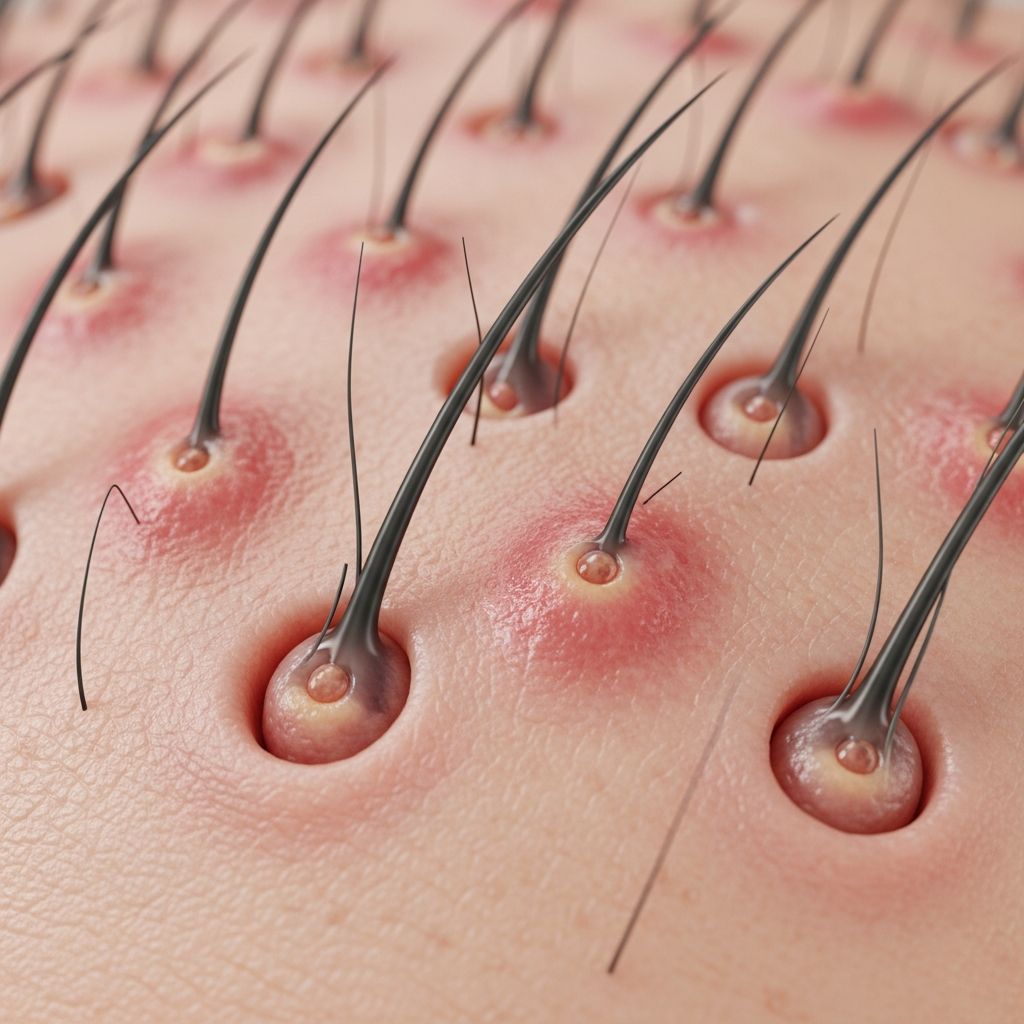
Scalp folliculitis is an inflammatory condition affecting the hair follicles on the scalp, leading to red, itchy, and sometimes pus-filled bumps. This common skin issue can cause discomfort and, if untreated, may result in scarring or hair loss. It often starts along the hairline and can spread if not addressed promptly.
What Is Scalp Folliculitis?
Folliculitis occurs when hair follicles become infected or inflamed, typically due to bacteria, fungi, or physical irritation. On the scalp, this manifests as small red bumps resembling acne, which may evolve into larger, painful nodules filled with pus. The condition is generally benign but can become chronic in some cases, particularly in individuals with weakened immune systems.
Unlike dandruff or psoriasis, scalp folliculitis specifically targets the follicle openings, making it distinct. It affects people of all ages but is more common in those who frequently style their hair tightly, shave their heads, or use occlusive hair products.
Symptoms of Scalp Folliculitis
The primary symptoms include:
- Small red bumps or pimples around hair follicles, often along the hairline
- Itching, tenderness, or burning sensation on the scalp
- Pus-filled blisters that may crust over
- Painful swelling if infection deepens
- In severe cases, hair loss in affected areas or scarring
Symptoms typically worsen with scratching, sweating, or using irritating hair products. For instance, in bacterial folliculitis, bumps grow larger and more inflamed over time. Eosinophilic folliculitis, more common in immunocompromised individuals, presents with deeper pus-filled lesions and potential hyperpigmentation.
Causes of Scalp Folliculitis
Several factors can trigger scalp folliculitis by damaging follicles and allowing pathogens to enter:
- Bacterial infections: Staphylococcus aureus is the most common culprit, entering through minor cuts or abrasions.
- Fungal or yeast infections: Malassezia yeast or dermatophytes thrive in moist environments like sweaty scalps.
- Ingrown hairs: From shaving, tight hairstyles, or waxing, leading to pseudofolliculitis.
- Irritation: Tight hats, helmets, heavy oils, or prolonged hot tub exposure in unchlorinated water.
- Medications: Long-term topical steroids or antibiotics for acne can disrupt skin flora.
- Weakened immunity: Conditions like HIV or diabetes increase susceptibility.
Rare forms include dissecting cellulitis (Hoffman disease), causing pus-filled lumps and hair loss without primary infection, and eosinophilic folliculitis, linked to immune responses.
Types of Scalp Folliculitis
Scalp folliculitis varies by cause and severity:
- Bacterial folliculitis: Superficial red papules or deep furuncles.
- Fungal folliculitis: Itchy, scaly patches resembling dandruff.
- Pseudofolliculitis: Non-infectious from ingrown hairs, common in shaved scalps.
- Dissecting cellulitis: Painful nodules leading to scarring alopecia.
- Eosinophilic folliculitis: Deep lesions, often chronic in infants or immunocompromised adults.
| Type | Key Features | Affected Groups |
|---|---|---|
| Bacterial | Pus-filled bumps, painful | General population |
| Fungal | Scaly, itchy | Moist scalp environments |
| Eosinophilic | Deep pus lesions, hyperpigmentation | Immunocompromised, males |
| Dissecting | Swollen lumps, hair loss | Young adults |
Related Stories



How Is Scalp Folliculitis Diagnosed?
Diagnosis begins with a physical exam, inspecting for pustules and inflammation around follicles. A dermatologist may take a swab for culture to identify bacteria or fungi, or perform a biopsy for atypical cases like eosinophilic folliculitis. Close inspection of hair-bearing areas, including the scalp, helps differentiate from conditions like acne or ringworm.
Treatments for Scalp Folliculitis
Treatment depends on severity and cause. Mild cases often resolve with home care.
Home Remedies and Over-the-Counter Options
- Apply warm compresses 3-4 times daily for 10-15 minutes to drain pus and soothe inflammation.
- Wash with antibacterial soap or anti-dandruff shampoos containing ketoconazole, tea tree oil, or ciclopirox.
- Use OTC antibiotic ointments like Neosporin on open sores.
- Apply hydrocortisone cream to reduce itching and redness.
- Avoid hot water; use lukewarm rinses and clean linens daily.
Medical Treatments
For persistent cases:
- Topical antibiotics: Mupirocin or clindamycin for bacterial infections.
- Oral antibiotics: Doxycycline or cephalexin for widespread involvement.
- Antifungals: Topical or oral fluconazole/ketoconazole.
- Steroids: Prescription creams or injections for inflammation.
- Advanced options: Laser therapy, photodynamic therapy, or retinoids for chronic cases.
- Surgical drainage for large abscesses.
Most cases resolve within 7-10 days with proper care, but severe folliculitis may require weeks.
When to See a Doctor
Seek medical attention if:
- Symptoms persist beyond 1-2 weeks despite home treatment.
- You develop fever, large pus-filled boils, or spreading redness.
- Hair loss, crusting sores, or weak hair occurs.
- You have a weakened immune system.
Early intervention prevents complications like cellulitis.
Prevention Tips for Scalp Folliculitis
Prevent recurrence with good hygiene:
- Wash scalp regularly with gentle, antifungal shampoos.
- Rinse styling products thoroughly.
- Avoid tight hairstyles, dull razors, or sharing personal items.
- Wash scalp after sweating or hot tub use.
- Use electric razors if shaving the head.
Complications of Untreated Scalp Folliculitis
If ignored, it can lead to:
- Scarring and permanent hair loss (cicatricial alopecia).
- Recurrent infections or boils (furunculosis).
- Hyperpigmentation or dark patches.
- Deeper infections like cellulitis.
Folliculitis itself isn’t contagious, but sharing razors or towels can spread pathogens.
Frequently Asked Questions (FAQs)
Is scalp folliculitis contagious?
No, but infectious causes can spread via shared items like razors or towels.
How long does scalp folliculitis last?
Mild cases clear in 7-10 days; chronic forms may last weeks to months.
Can scalp folliculitis cause hair loss?
Yes, severe or untreated cases can lead to scarring and permanent loss.
Does tea tree oil help scalp folliculitis?
Yes, antifungal shampoos with tea tree oil can reduce symptoms.
Is scalp folliculitis the same as dandruff?
No, dandruff is flaky scalp without follicle inflammation.
References
- Scalp folliculitis: Symptoms, pictures, causes, shampoos and creams — Medical News Today. 2023-05-15. https://www.medicalnewstoday.com/articles/scalp-folliculitis
- Scalp Folliculitis: Symptoms, Pictures, Causes, Treatment — Healthline. 2023-08-22. https://www.healthline.com/health/folliculitis-scalp
- Folliculitis – StatPearls — NCBI Bookshelf, National Center for Biotechnology Information (NIH). 2023-07-17. https://www.ncbi.nlm.nih.gov/books/NBK547754/
Similar Articles








Read full bio of Sneha Tete