Scalp Massage: 5-Minute Daily Ritual For Thicker Hair
Discover how scalp massage boosts hair growth, reduces stress, and improves scalp health with science-backed techniques.
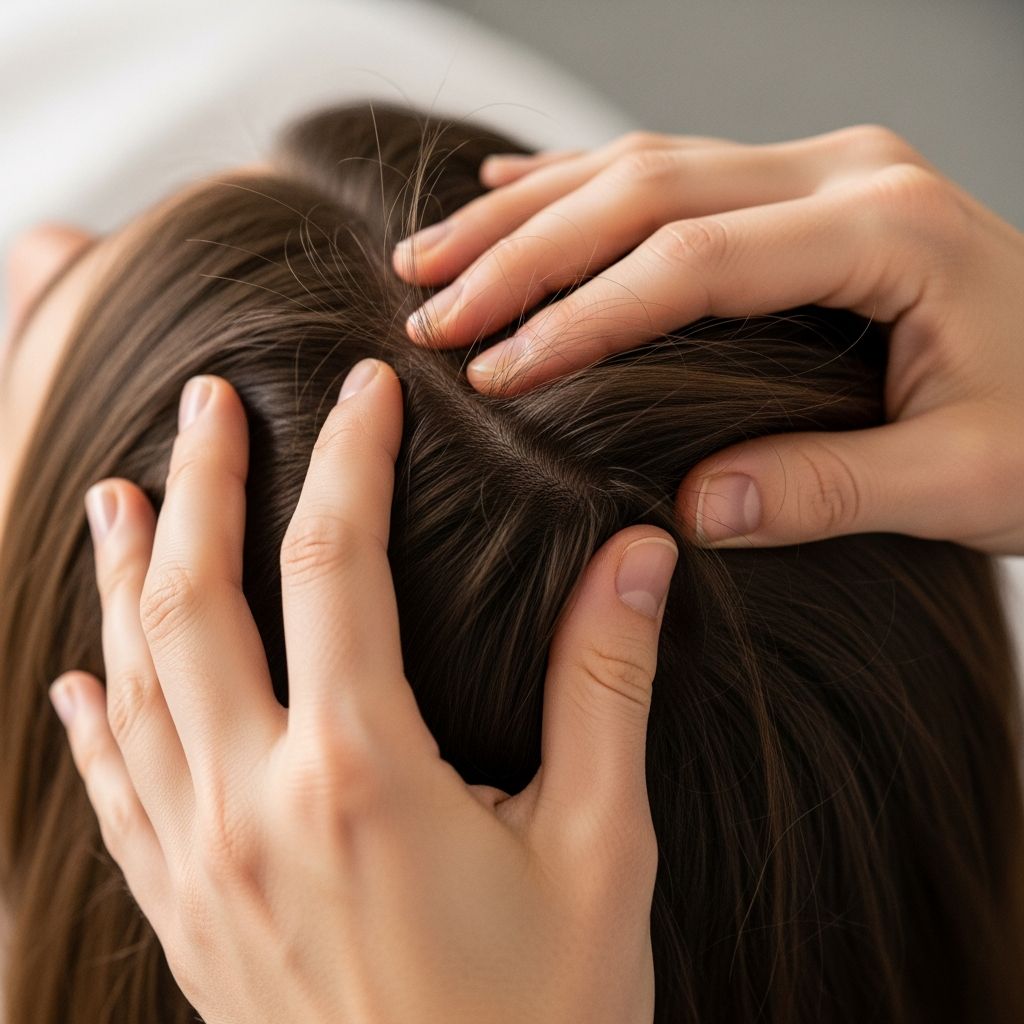
Scalp massage is a therapeutic practice involving gentle manipulation of the scalp using fingers, tools, or devices to stimulate blood flow, promote relaxation, and support hair health. Emerging research shows it can increase hair thickness by enhancing circulation and mechanical stimulation to hair follicles. This ancient technique, rooted in practices like Ayurveda and traditional Chinese medicine, has gained modern validation through clinical studies.
What Is Scalp Massage?
Scalp massage targets the skin and tissues covering the skull, using circular motions, kneading, or tapping to apply pressure. It differs from basic head scratching by systematically addressing tension points and promoting lymphatic drainage. Regular sessions, even 4 minutes daily, can yield measurable improvements in hair parameters without invasive treatments.
Unlike full-body massages, scalp versions focus on the epicranium muscle and galea aponeurotica, areas prone to tightness from stress or poor posture. Tools like gua sha, silicone brushes, or electric massagers amplify effects by providing consistent pressure.
Benefits of Scalp Massage
Scalp massage offers multifaceted advantages for hair, skin, and mental well-being. Key benefits include:
- Increased hair thickness: A 2016 study on nine men found standardized 4-minute daily massages increased hair thickness from 0.085 mm to 0.092 mm after 24 weeks, attributed to mechanical stress on dermal papilla cells.
- Improved blood circulation: Massaging dilates blood vessels, delivering more oxygen and nutrients to follicles, reducing shedding and supporting growth.
- Stress reduction: It activates the parasympathetic nervous system, lowering cortisol levels that contribute to hair loss like telogen effluvium.
- Enhanced product absorption: Massaging opens pores, allowing serums and oils to penetrate deeper for better efficacy.
- Scalp health promotion: Reduces buildup, unclogs follicles, and alleviates conditions like dandruff or psoriasis by exfoliating and stimulating sebum production.
Over time, consistent practice leads to thicker, fuller hair and a healthier scalp environment less prone to inflammation.
How to Perform a Scalp Massage
Anyone can incorporate scalp massage into their routine with minimal tools. Follow these steps for optimal results:
- Prepare your scalp: Start with clean, dry, or slightly oiled hair. Apply a nourishing serum if desired for added slip and absorption.
- Position yourself: Sit comfortably or stand before a mirror. Use fingertips or a massager tool.
- Begin with the front: Place fingertips on the hairline and massage in small circles, moving backward to the crown. Apply firm but gentle pressure.
- Cover all areas: Include temples, sides, nape, and top. Spend 30 seconds per section for a 5-minute session.
- Finish with relaxation: Use light tapping or combing motions. Breathe deeply to enhance stress relief.
For variety, try the “woodpecker” technique: rapid fingertip tapping mimics natural stimulation. Frequency: Daily for best results, as consistency drives cumulative benefits like sustained blood flow improvements.
Tools for Scalp Massage
While fingers suffice, specialized tools enhance precision and reach:
- Scalp massagers: Silicone-bristled brushes or combs provide even pressure and detangle.
- Electric devices: Like the Panasonic EH-HM75 used in research, delivering 170 rpm vibrations for 4 minutes.
- Gua sha or jade rollers: Promote lymphatic drainage and cooling relief.
- Essential oil diffusers: Combine with carriers like jojoba for aromatherapy benefits.
| Tool Type | Best For | Pros | Cons |
|---|---|---|---|
| Fingertips | Beginners | Free, customizable pressure | May tire hands |
| Silicone Brush | Daily use | Exfoliates, affordable | Less deep penetration |
| Electric Massager | Thickening | Research-backed, efficient | Battery-dependent |
| Gua Sha | Lymphatic drainage | Cooling, multi-use | Learning curve |
Related Stories



Science Behind Scalp Massage
Research elucidates mechanisms: A PMC study applied finite element modeling, showing massages induce z-direction displacement and von Mises stress on subcutaneous tissues, stimulating dermal papilla cells key to hair cycling. Participants experienced no hair growth rate change but significant thickness gains, suggesting massage shifts follicles from resting to active phases.
Improved circulation delivers nutrients, while mechanical forces upregulate genes like those countering miniaturization. A 2019 study echoed thickness increases after 24 weeks of daily practice. Stress reduction via vagus nerve stimulation further prevents androgenetic alopecia exacerbation.
Scalp Massage for Hair Growth
For hair growth, combine massage with follicle-supporting products. Daily 5-minute sessions boost circulation, nutrient delivery, and product efficacy, leading to fuller hair. Studies confirm temporary hair shedding may occur initially as telogen hairs release, followed by thicker regrowth.
Incorporate Procapil or Redensyl serums during massage for synergy. Users report noticeable density in 3 months. Consistency over 24 weeks maximizes results, as seen in clinical trials.
Scalp Massage for Relaxation
Beyond hair, scalp massage excels in stress relief. It lowers tension headaches, improves sleep, and elevates mood via endorphin release. Pair with deep breathing: Inhale for 4 counts, hold 4, exhale 6 during circles.
Aromatherapy with lavender or peppermint enhances parasympathetic activation, making it ideal pre-bedtime.
Risks and Precautions
Generally safe, but avoid if you have open wounds, severe scalp conditions, or recent surgery. Overly aggressive pressure can cause traction alopecia. Consult a dermatologist for underlying issues like alopecia areata. Pregnant individuals or those with migraines should start gently.
Expert Tips
- Massage post-shampoo when scalp is clean.
- Track progress with photos every 4 weeks.
- Combine with microneedling or LED therapy for advanced results.
- For oily scalps, use dry brushing; for dry, oil-based.
Dr. Emily Green notes: “Scalp massages stimulate blood flow essential for nutrient delivery, optimizing growth when paired with serums.”
Frequently Asked Questions (FAQs)
How long until I see results from scalp massage?
Thickness improvements appear in 12-24 weeks with daily 4-5 minute sessions, per studies.
Can scalp massage cause hair loss?
Temporary shedding may occur as weak hairs fall, but overall thickness increases.
Is a tool necessary for scalp massage?
No, fingers work well, but devices like those in research provide consistent stimulation.
How often should I do scalp massage?
Daily for optimal blood flow and nutrient delivery.
Does scalp massage help with dandruff?
Yes, by exfoliating and improving circulation to reduce flakiness.
References
- 5 Minutes to Fuller Hair: The Power of Scalp Massage — KilgourMD. 2023. https://kilgourmd.com/blogs/news/5-minutes-to-fuller-hair-the-power-of-scalp-massage
- Standardized Scalp Massage Results in Increased Hair Thickness — PMC / Koyama T et al. 2016-01-07. https://pmc.ncbi.nlm.nih.gov/articles/PMC4740347/
Similar Articles








Read full bio of Sneha Tete