Scalp Pimples & Acne: Causes, Treatments & Relief
Understanding scalp acne: Learn about causes, symptoms, and effective treatment options for scalp pimples.
Understanding Scalp Acne and Pimples
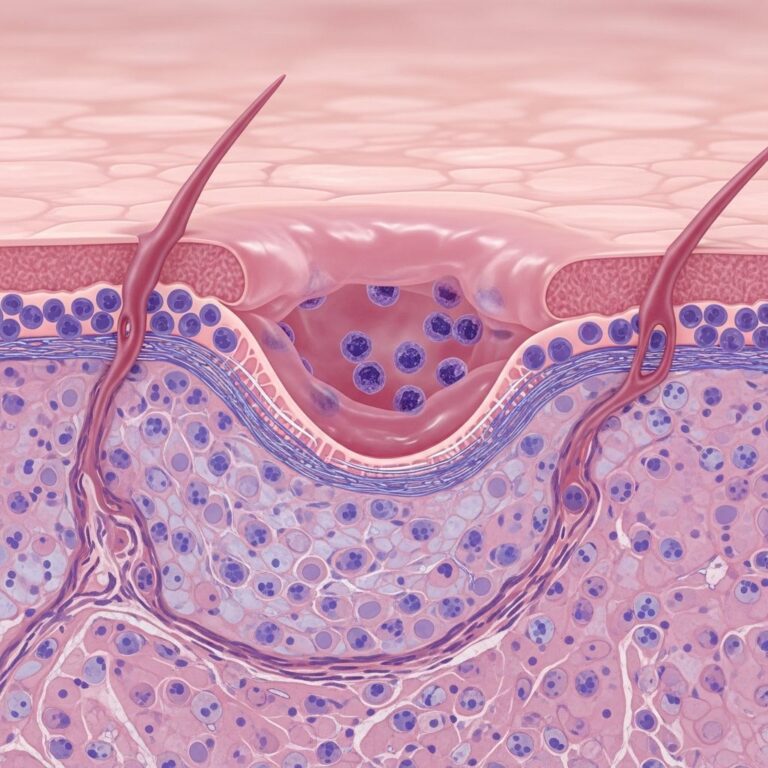
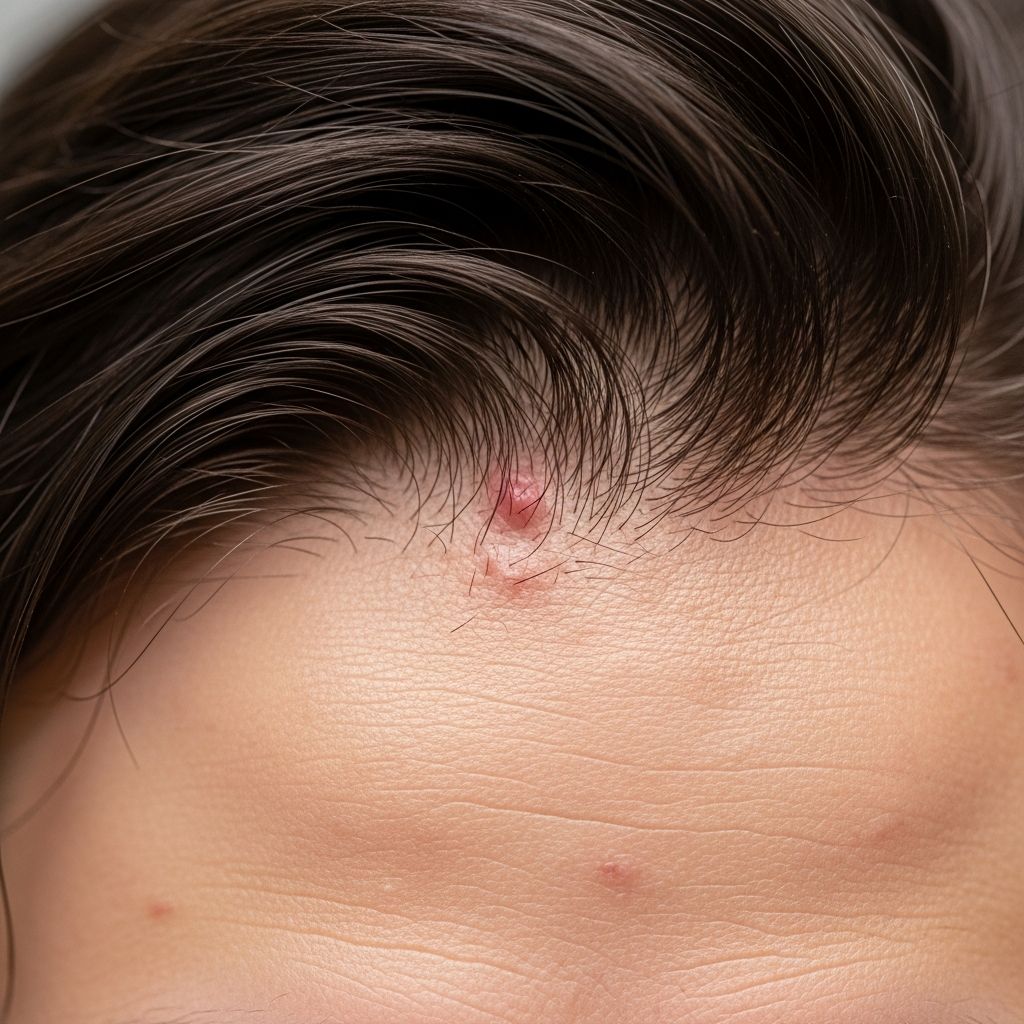
Pimples on your scalp, commonly known as scalp acne, are breakouts that occur on the skin of your head where hair grows. These bothersome blemishes develop when hair follicles or pores become clogged, leading to the formation of whiteheads, pustules, and other inflammatory lesions. Unlike facial acne that’s easily visible, scalp acne often goes unnoticed until you feel discomfort or begin scratching. The condition can be itchy, painful, and frustrating to manage, especially since your scalp is constantly covered by hair. Understanding the nature of scalp acne is the first step toward effective treatment and prevention.
Difference Between Pimples and Acne
Many people use the terms “pimples” and “acne” interchangeably, but there are important distinctions between them. Pimples are small growths or bumps on your skin that may appear different in color from your normal skin tone, be fluid-filled, or appear inflamed. They are individual blemishes that can occur as occasional breakouts without indicating a broader skin condition. Acne, on the other hand, is a medical condition characterized by chronic or recurring breakouts. It can be long-term or short-term depending on treatment effectiveness. In essence, pimples are a symptom of acne, whereas acne is the underlying condition causing multiple pimples to form regularly.
What Causes Scalp Acne?
Scalp acne develops through the same mechanism as facial acne: clogged pores and hair follicles. However, several specific factors contribute to the development of scalp pimples, making it a unique concern for many individuals.
Primary Causes
Hair Follicle Blockage: The most common cause of scalp acne is blocked hair follicles. Dead skin cells, sebum (natural skin oil), and product buildup can accumulate in follicles, creating an ideal environment for bacteria to thrive and inflammation to develop.
Product Buildup: Certain hair care products, including shampoos, conditioners, styling products, and dry shampoos, can leave residue on your scalp. These products may clog pores, particularly if they contain heavy oils or silicones that don’t rinse completely.
Poor Hygiene: Infrequent hair washing or inadequate cleansing can allow bacteria, oil, and dead skin cells to accumulate on your scalp, increasing the likelihood of pimple formation.
Bacterial Growth: The scalp’s warm, moist environment under hair creates favorable conditions for bacterial proliferation. Propionibacterium acnes (P. acnes) is a common bacteria associated with acne formation on the scalp.
Underlying Conditions
Pimples on your scalp or scalp acne could indicate an underlying medical condition requiring specific treatment. Your healthcare provider may investigate whether your scalp pimples stem from conditions such as fungal infections, folliculitis, dermatitis, or other skin disorders. These underlying conditions need to be identified and addressed for effective long-term treatment.
Symptoms and Diagnosis of Scalp Acne
Recognizing the symptoms of scalp acne is essential for early intervention and treatment. Most people experience itching, tenderness, or pain in affected areas. You may notice small red bumps, whiteheads, or pustules when parting your hair or touching your scalp. Some individuals report a burning sensation or sensitivity to hair products after developing scalp acne.
How Healthcare Providers Diagnose Scalp Acne
A healthcare provider will diagnose scalp acne through a physical examination of your scalp, carefully inspecting the affected areas. They will also ask detailed questions about your medical history and risk factors to understand the root cause. Questions typically include whether acne runs in your family, your current stress levels, menstrual cycle information (for menstruating individuals), and which skin care products you currently use. In cases where scalp acne appears suddenly, your healthcare provider might order additional blood tests to rule out underlying conditions that could trigger the breakouts.
Related Stories



Home Treatment Options for Mild Scalp Acne
If you have mild scalp acne symptoms, you can begin treatment at home with several straightforward approaches:
- Switch to oil-free shampoos and conditioners specifically formulated for acne-prone scalps
- Wash your hair regularly with lukewarm water to remove buildup without stripping natural oils
- Avoid touching, picking, or scratching pimples on your scalp, as this can worsen symptoms and lead to infection
- Use gentle hair care techniques and avoid harsh brushing or styling that irritates the scalp
- Consider keeping a daily skin care log to track which products cause reactions
- Reduce stress through relaxation techniques, as stress can exacerbate acne
- Ensure your pillowcase is clean and change it regularly to prevent bacterial transfer
Professional Treatment Options for Persistent Scalp Acne
If your scalp acne persists beyond six weeks or becomes moderate to severe, professional treatment becomes necessary. Your healthcare provider can prescribe medications and treatments tailored to your specific situation.
Topical Medications
Topical treatments are applied directly to your scalp like lotion. Common options include salicylic acid shampoos and cleansers, which help dissolve dead skin cells and prevent follicle blockage. Prescription-strength topical retinoids derived from vitamin A can reduce inflammation and promote skin cell turnover. Benzoyl peroxide products work by killing acne-causing bacteria and reducing inflammation. Your healthcare provider might recommend a combination of topical treatments for optimal results.
Oral Medications
Oral medications are taken by mouth according to your provider’s instructions. Antibiotics are commonly prescribed to reduce bacteria and inflammation, particularly for moderate acne. In severe cases, isotretinoin (Accutane), a powerful vitamin A derivative, may be prescribed as it can permanently reduce sebum production. Some patients benefit from hormonal treatments if acne is linked to hormonal fluctuations. Before starting any oral medication, discuss potential side effects with your healthcare provider and inform them about any supplements or other medications you’re taking to avoid drug interactions.
Specialized Hair Care Products
Specific types of haircare products are formulated to help eliminate scalp pimples:
- Medicated shampoos containing zinc pyrithione or ketoconazole for antifungal and antibacterial benefits
- Salicylic acid shampoos that exfoliate the scalp and prevent follicle blockage
- Coal tar-based products that reduce inflammation and itching
- Tea tree oil products with natural antibacterial properties
- Sulfur-based treatments effective against certain scalp conditions
Why You Shouldn’t Pop Scalp Pimples
Although it’s tempting to pop pimples anywhere on your body, squeezing or popping scalp pimples is strongly discouraged. Popping pimples can significantly worsen your condition by creating additional pimples through bacteria spreading, causing painful scarring, or leading to serious infections. Instead, focus on maintaining good hygiene practices, using appropriate oil-free shampoos, and following the treatment plan prescribed by your healthcare provider. Patience and consistent care will resolve your scalp acne without the risks associated with picking or popping.
Timeline for Scalp Acne Improvement
Understanding realistic timelines for recovery helps manage expectations and maintain treatment consistency. After determining the cause of your scalp acne and beginning treatment, you might notice initial improvements within a few days, such as reduced itching and the absence of new pimples forming. However, complete clearance of all existing pimples typically takes up to six weeks with proper treatment and modified hair care routines. If you don’t observe significant improvement after six weeks, contact your healthcare provider to reassess your treatment plan or investigate potential underlying causes.
Long-term Management Strategies
Depending on the underlying cause, scalp acne can be temporary or a long-term chronic condition. Successful management involves several key strategies. Keep a detailed daily skin care log documenting which products you use and how your skin responds to them. This tracking helps identify specific products that trigger breakouts so you can avoid them in the future. When you find products that work well for your scalp, maintain consistency with them. Avoid frequent changes to your hair care routine unless necessary, as this can trigger new breakouts. Work closely with your healthcare provider to develop a personalized treatment and maintenance plan suited to your specific situation.
Prevention Tips for Scalp Acne
Preventing scalp acne is often easier than treating established cases. Use gentle, non-comedogenic hair products specifically designed not to clog pores. Wash your hair regularly with lukewarm water and appropriate shampoo for your hair type. After sweating during exercise or outdoor activities, wash your hair promptly to prevent sweat and bacteria buildup. Avoid tight hairstyles that create friction and trap moisture against the scalp. Keep your hair styling tools and brushes clean, as bacteria can transfer from dirty implements to your scalp. Manage stress through regular exercise, meditation, or other relaxation techniques, as stress hormones can trigger acne. Stay hydrated and maintain a balanced diet rich in vitamins and minerals that support skin health.
Frequently Asked Questions
Q: How long does scalp acne take to go away?
A: With treatment and proper hair care modifications, scalp acne typically begins improving within a few days, with complete clearance occurring within up to six weeks. Severe cases may take longer to resolve completely.
Q: Can scalp acne leave scars?
A: Yes, scalp acne can cause scarring, especially if pimples are picked, popped, or not properly treated. Avoid touching or squeezing pimples and seek professional treatment to minimize scarring risk.
Q: Is scalp acne contagious?
A: Scalp acne is not contagious. While bacteria are involved in acne formation, acne itself cannot be transmitted from one person to another through contact.
Q: What’s the best shampoo for scalp acne?
A: Look for oil-free, non-comedogenic shampoos containing salicylic acid, benzoyl peroxide, or antifungal ingredients. Your dermatologist can recommend specific products suited to your scalp condition.
Q: Can diet affect scalp acne?
A: While diet’s direct impact on scalp acne isn’t definitively proven, a diet rich in vitamins, minerals, and antioxidants promotes overall skin health and may help reduce inflammation associated with acne.
Q: Should I wash my hair more frequently if I have scalp acne?
A: Moderate frequency hair washing helps remove oil and product buildup. However, excessive washing can strip the scalp of natural oils, potentially triggering more oil production and worsening acne. Find a balanced routine that works for your scalp.
References
- Pimples & Acne on Scalp: Causes, Shampoo & Other Treatments — Cleveland Clinic. 2024. https://my.clevelandclinic.org/health/diseases/24397-scalp-pimples-acne
- Acne: Types, Causes, Treatment & Prevention — Cleveland Clinic. 2024. https://my.clevelandclinic.org/health/diseases/12233-acne
- Pimples: Causes vs. Acne, Types & Treatment — Cleveland Clinic. 2024. https://my.clevelandclinic.org/health/diseases/22468-pimples
- Fungal Acne: Malassezia Folliculitis — Cleveland Clinic. 2024. https://my.clevelandclinic.org/health/diseases/24341-fungal-acne
- Cystic Acne: What Is It, Symptoms, Causes and Treatment — Cleveland Clinic. 2024. https://my.clevelandclinic.org/health/diseases/21737-cystic-acne
Similar Articles








Read full bio of Sneha Tete