Scalp Psoriasis Vs. Dandruff: How To Tell The Difference
Discover key differences between scalp psoriasis and dandruff, including symptoms, causes, treatments, and when to see a doctor for effective relief.
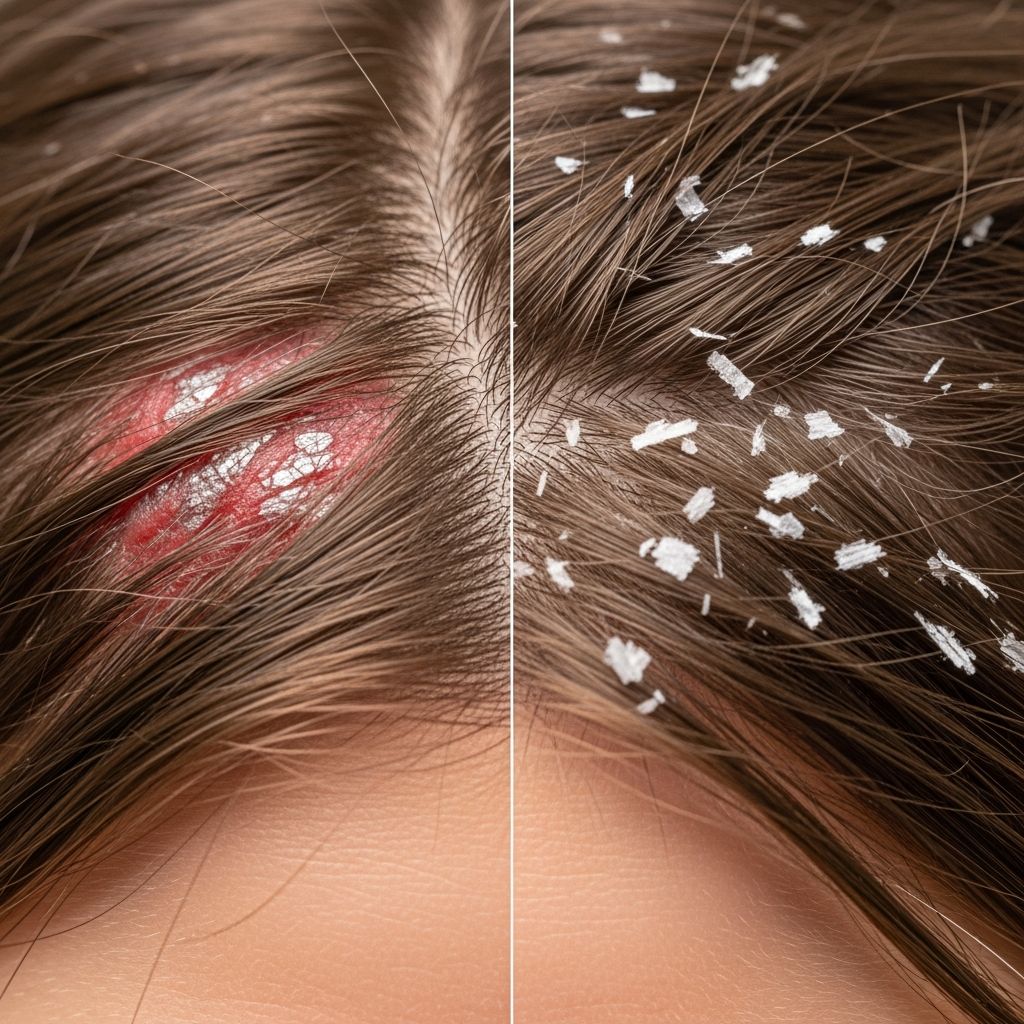
An itchy, flaky scalp affects millions, but distinguishing
scalp psoriasis
fromdandruff
is crucial for proper treatment. While dandruff is a common, mild condition often managed at home, scalp psoriasis is a chronic autoimmune disorder requiring medical intervention. Misdiagnosis can lead to ineffective treatments and worsening symptoms, including potential hair loss.This comprehensive guide breaks down symptoms, causes, risk factors, treatments, and self-care strategies. By understanding these differences, you can take targeted steps toward relief and healthier scalp skin.
What Is Dandruff?
**Dandruff** is a mild form of seborrheic dermatitis caused by an overgrowth of *Malassezia* yeast on the scalp, which feeds on natural oils and triggers inflammation. This leads to accelerated skin cell turnover and visible flakes. Unlike dry scalp, dandruff often occurs in oily areas and affects up to 50% of adults worldwide.
It’s not contagious and typically waxes and wanes with environmental factors like cold weather or stress. While annoying, dandruff rarely causes long-term damage if addressed promptly.
Symptoms of Dandruff
- Small, white or yellowish loose flakes on scalp, hair, and shoulders
- Mild to moderate itching, often worse in winter or dry climates
- Oily or greasy scalp appearance
- No inflammation or redness beyond mild pinkness
- Flakes that shake off easily
Dandruff flakes are finer and less adherent than those in psoriasis, resembling dry skin shedding.
What Is Scalp Psoriasis?
**Scalp psoriasis** is a form of plaque psoriasis, an autoimmune condition where T-cells mistakenly attack healthy skin cells, causing rapid overproduction (up to 10 times normal rate). This builds thick plaques of dead cells, proteins, and debris on the scalp. It affects 45-56% of psoriasis patients and can extend beyond the hairline to ears, neck, and forehead.
Psoriasis is chronic and genetic, with flares triggered by stress, infections, or medications. Severe cases may cause pain, cracking, and temporary hair loss due to follicle disruption.
Symptoms of Scalp Psoriasis
- Thick, silvery-white scales or plaques that adhere tightly to the scalp
- Intense itching, burning, or soreness
- Red, inflamed patches under scales
- Flakes or scales that spread to hairline, ears, or neck
- Dry, cracked skin that may bleed
These symptoms persist despite anti-dandruff shampoos, signaling a deeper issue.
Scalp Psoriasis vs. Dandruff: Key Differences
Both cause flakes and itch, but severity and presentation differ markedly. Use this comparison to self-assess:
| Feature | Dandruff | Scalp Psoriasis |
|---|---|---|
| Flake Appearance | Small, white/yellow, loose | Large, thick, silvery-white, adherent |
| Itch Intensity | Mild | Severe, with burning/pain |
| Inflammation | Minimal or none | Red, raised plaques |
| Location | Scalp only | Extends to ears, neck, forehead |
| Duration | Intermittent | Persistent/chronic |
| Hair Loss Risk | Indirect (scratching) | Direct (plaques, inflammation) |
This table highlights why dandruff responds to OTC shampoos, while psoriasis needs prescription therapies.
Causes and Risk Factors
Dandruff Causes
- *Malassezia* yeast overgrowth
- Excess sebum production
- Sensitivity to hair products
- Stress, cold/dry weather
- Infrequent shampooing
Related Stories



Scalp Psoriasis Causes
- Genetic predisposition (family history)
- Autoimmune dysfunction
- Triggers: stress, strep throat, smoking, alcohol, beta-blockers
- Weakened immune system
Psoriasis has a stronger hereditary link; if a close relative has it, your risk increases 10-fold.
Does Dandruff Cause Hair Loss?
Dandruff itself doesn’t directly cause baldness, but complications can:
- Chronic scratching damages follicles, leading to traction alopecia
- Inflammation disrupts the hair growth cycle (telogen effluvium)
- Untreated seborrheic dermatitis mimics androgenetic alopecia
Hair regrows once inflammation subsides. Studies show 30-50% of severe dandruff cases report temporary shedding.
Does Scalp Psoriasis Cause Hair Loss?
Yes, indirectly and more severely:
- Thick plaques smother follicles, halting growth
- Aggressive scratching causes breaks and scarring
- Cytokines from inflammation push hair into resting phase
- Long-term steroid use thins scalp skin
Up to 40% of scalp psoriasis patients experience noticeable thinning, but it’s usually reversible with treatment. Rare scarring alopecia occurs in untreated severe cases.
Treatments for Dandruff
OTC options control 80-90% of cases:
- Shampoos: Zinc pyrithione (Head & Shoulders), ketoconazole (Nizoral), selenium sulfide (Selsun Blue), salicylic acid
- Use 2-3 times weekly; alternate types to prevent resistance
- Tea tree oil or apple cider vinegar rinses for mild cases
See a doctor if no improvement in 4 weeks.
Treatments for Scalp Psoriasis
Requires a multi-tiered approach:
Topical Treatments
- Corticosteroids (clobetasol foam/lotion) to reduce inflammation
- Vitamin D analogs (calcipotriene)
- Salicylic acid or coal tar shampoos to loosen scales
- Calcineurin inhibitors (tacrolimus) for sensitive areas
Phototherapy
UVB light sessions (excimer laser) penetrate hair to slow cell growth; effective for 60-80% of patients.
Systemic Medications
- Biologics (etanercept, adalimumab) target immune pathways
- Oral methotrexate or cyclosporine for severe cases
Combination therapy yields best results; consult a dermatologist.
Home Remedies and Prevention Tips
Support medical treatments with these evidence-based strategies:
- Gentle cleansing: Use lukewarm water, fragrance-free shampoo daily
- Moisturize: Coconut oil, aloe vera, or oatmeal masks soothe itch
- Avoid triggers: No hot showers, harsh dyes, tight hairstyles
- Diet: Omega-3s (fish, flaxseed), anti-inflammatory foods reduce flares
- Stress management: Yoga, meditation; stress worsens both conditions
Scalp hygiene prevents buildup, but over-washing strips oils, exacerbating flakes.
When to See a Doctor
- Symptoms persist >4 weeks despite OTC use
- Severe pain, bleeding, or spreading rash
- Hair loss or scalp tenderness
- Family history of psoriasis
- Accompanied by joint pain (psoriatic arthritis sign)
Dermatologists use visual exam, scalp biopsy if needed, for accurate diagnosis.
Frequently Asked Questions (FAQs)
Can dandruff turn into psoriasis?
No, dandruff cannot cause psoriasis. They are distinct: fungal vs. autoimmune. However, untreated dandruff may mimic early psoriasis.
Is scalp psoriasis contagious?
No, psoriasis is not contagious. It’s genetic and internal, unlike ringworm which spreads.
How long does it take for treatments to work?
Dandruff: 1-2 weeks. Psoriasis: 4-8 weeks for topicals; biologics faster (2-4 weeks). Consistency is key.
Can diet help manage these conditions?
Yes, anti-inflammatory diets (Mediterranean) reduce flares by 30-50% in studies. Avoid gluten/alcohol if sensitive.
Will hair loss from these be permanent?
Rarely. Early treatment reverses 90% of cases; scarring is uncommon with care.
Outlook and Living with Scalp Conditions
Both are manageable: 70-90% achieve clear scalps with proper care. Psoriasis requires ongoing management, but biologics have transformed outcomes since 2010s. Track flares in a journal and partner with a dermatologist for personalized plans. Confidence returns with control—don’t let flakes define you.
References
- Dandruff vs. Scalp Psoriasis: What’s Causing Hair Loss? — Springs Dermatology MD. 2024. https://springsdermatologymd.com/article/24-dandruff-vs-scalp-psoriasis-whats-causing-hair-loss
- Scalp Psoriasis vs Dandruff: How to Know The Difference — National Psoriasis Foundation. 2025-10-06. https://www.psoriasis.org/advance/scalp-psoriasis-or-dandruff/
- Scalp Psoriasis vs. Dandruff: How to Tell the Difference — GW Laser Center (citing Health.com). 2024. https://gwlasercenter.com/news/scalp-psoriasis-vs-dandruff-how-tell-difference-and-what-do-relieve-your-scalp-itch-healthcom
Similar Articles








Read full bio of medha deb