Scalp Psoriasis: Expert Guide To Treatment And Care
Comprehensive guide to scalp psoriasis: symptoms, causes, diagnosis, treatments, and management strategies for effective relief.
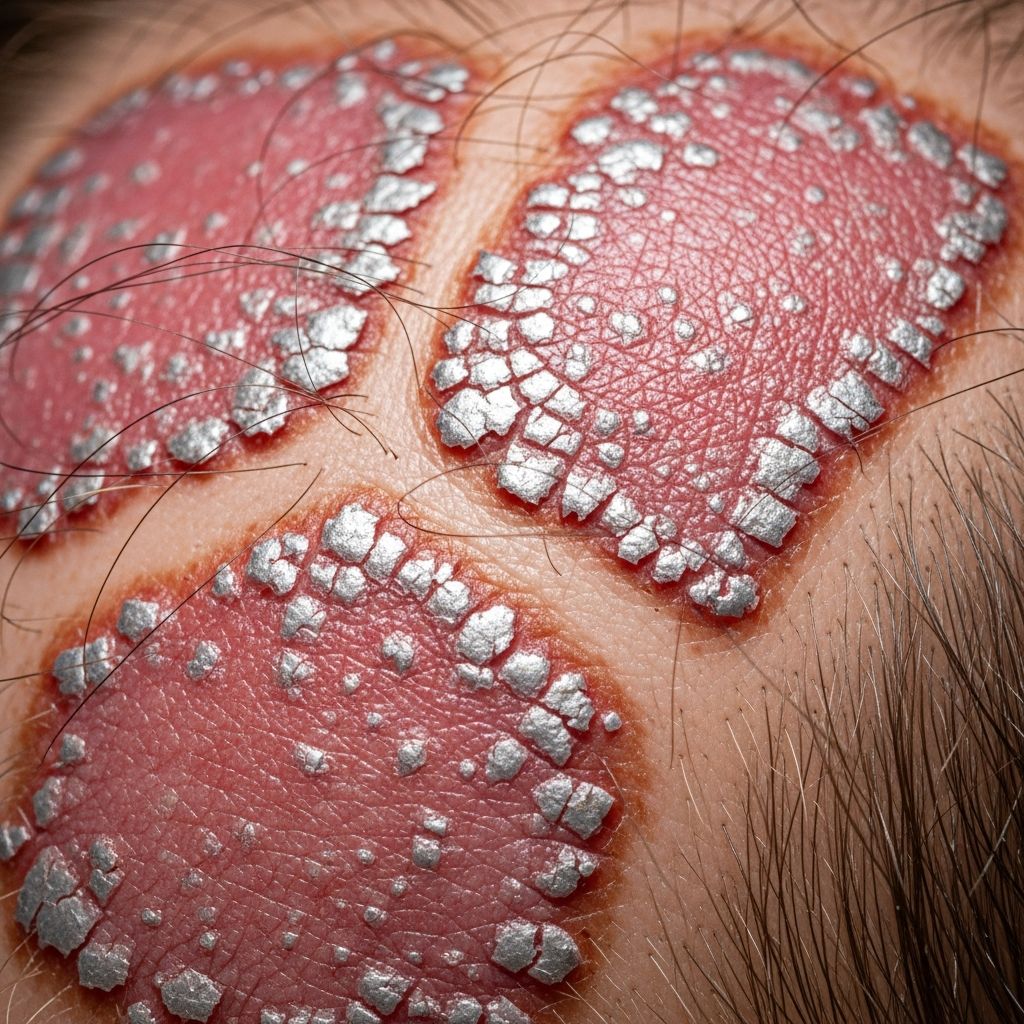
Scalp psoriasis is a chronic inflammatory skin condition characterized by red, scaly patches on the scalp, often extending to the hairline, forehead, neck, and ears. It affects approximately 45 656% of individuals with psoriasis, making it one of the most common sites of involvement. This condition arises from an overactive immune system that accelerates skin cell turnover, leading to plaque formation. While not curable, scalp psoriasis can be effectively managed with a combination of topical treatments, phototherapy, and systemic therapies tailored to disease severity.
What is scalp psoriasis?
Scalp psoriasis manifests as well-demarcated erythematous plaques covered with silvery-white scales, primarily on the scalp but potentially involving adjacent areas such as the postauricular skin, nape of the neck, and external auditory canal. In lighter skin types, plaques appear pink or red with thick silvery scales, whereas in darker skin phototypes, they may present as purple to dark brown patches with grey or silver scales, which can sometimes delay diagnosis. The condition varies in severity from mild, fine scaling resembling dandruff to severe, thick plaques causing temporary hair loss due to scale buildup disrupting hair follicles.
Hair typically regrows once inflammation subsides, but aggressive scratching or picking can lead to scarring and permanent alopecia. Scalp psoriasis often coexists with psoriasis elsewhere on the body, though it can occur in isolation. Triggers such as stress, infections, cold weather, and certain medications like beta-blockers or lithium can exacerbate flares.
Who gets scalp psoriasis?
Scalp psoriasis affects people of all ages, races, and ethnicities, with onset commonly between 20 and 30 years or 50 and 60 years. It impacts up to 80% of psoriasis patients at some point. Genetic predisposition plays a key role; having a family history increases risk. Environmental factors, including streptococcal infections, smoking, alcohol consumption, and obesity, contribute to development. Psoriatic arthritis, affecting joints, occurs in 10 30% of cases and may accompany scalp involvement. Management must consider hair type and cultural practices, as coarse or tightly coiled hair may limit frequent washing, necessitating adapted regimens like weekly medicated shampoos combined with daily corticosteroid lotions compatible with styling preferences.
What causes scalp psoriasis?
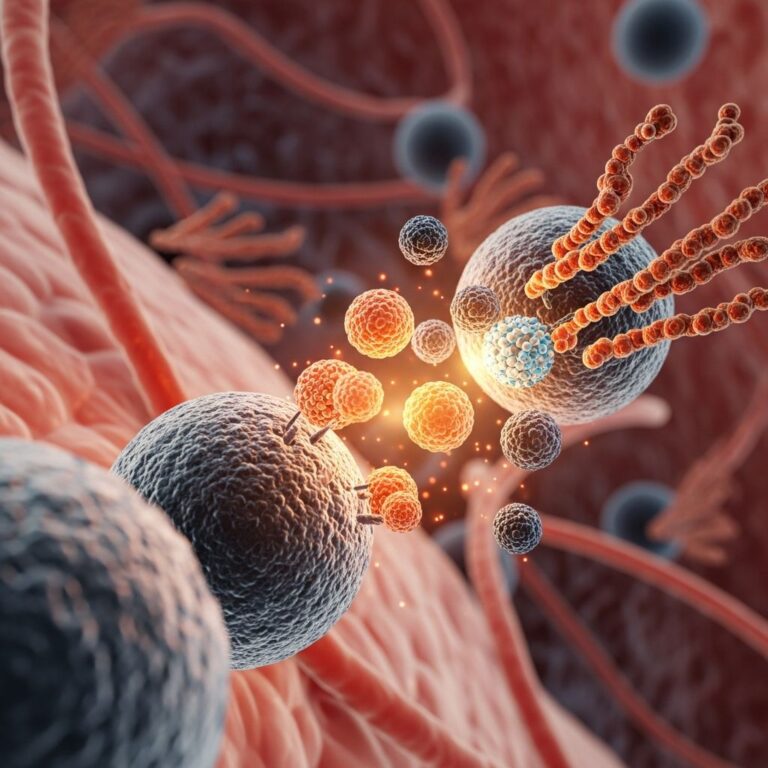
The exact cause remains multifactorial, involving genetic susceptibility, immune dysregulation, and environmental triggers. Psoriasis is an immune-mediated disease where T-cells trigger rapid keratinocyte proliferation, producing plaques within days instead of the normal 28 30-day cycle. Genome-wide association studies identify over 80 psoriasis susceptibility loci, supporting heritability. Key triggers include:
- Genetics: HLA-Cw6 allele strongly associated.
- Immune factors: Cytokine imbalance, including TNF-, IL-17, and IL-23.
- Infections: Streptococcal throat infections often precede guttate psoriasis on scalp.
- Stress and lifestyle: Psychological stress, smoking, heavy alcohol use.
- Medications: Beta-blockers, antimalarials, lithium.
In darker skin, atypical presentations highlight the need for clinician awareness to avoid misdiagnosis as seborrheic dermatitis or tinea capitis.
What are the symptoms of scalp psoriasis?
Symptoms range from mild to severe:
- Mild: Fine scaling, dandruff-like flaking, mild itching.
- Moderate to severe: Thickened red/purple plaques, silvery scales, intense itching, burning, soreness, dry/cracked scalp, temporary hair loss.
Plaques can cause discomfort during sleep or styling, impacting quality of life. Secondary bacterial infections may arise from scratching. Use tools like the Psoriasis Scalp Severity Index (PSSI) to quantify redness, thickness, scaling, and affected area percentage.
| Feature | Scalp Psoriasis | Dandruff | Seborrheic Dermatitis |
|---|---|---|---|
| Appearance | Well-defined red plaques, thick silvery scales | Fine white/yellow flakes, greasy | Greasy yellow scales, ill-defined |
| Itch | Severe, burning | Mild-moderate | Moderate |
| Hair loss | Temporary from plaques | Rare | Rare |
Related Stories



Diagnosis
Diagnosis is primarily clinical, based on characteristic plaques. Dermatologists assess size, distribution, and history including symptom onset, family history, triggers, and prior treatments. Trichoscopy reveals red dots, hairpin vessels, and globular rings. In ambiguous cases, especially darker skin or hair-bearing areas, a 3 4 mm punch biopsy confirms psoriasis via epidermal hyperplasia, parakeratosis, and Munro microabscesses. Rule out differentials like tinea capitis (KOH prep/culture), seborrheic dermatitis, or eczema via microscopy or Wood lamp. Assess severity with PSSI and quality-of-life impact using Dermatology Life Quality Index (DLQI).
Treatment of scalp psoriasis
Treatment escalates from topical first-line for mild-moderate cases to phototherapy/systemics for severe/refractory disease. Patient education emphasizes adherence, trigger avoidance, and gentle scalp care.
Topical therapy (first-line for mild-moderate)
Applied via shampoos, lotions, foams, oils, or gels for better hair penetration:
- Corticosteroids: Clobetasol propionate 0.05% solution/shampoo (potent); betamethasone 0.1% lotion (potent). Reduce inflammation quickly; limit to 4 weeks to avoid tachyphylaxis.
- Vitamin D analogues: Calcipotriol solution/betamethasone dipropionate foam.
- Calcineurin inhibitors: Tacrolimus 0.1% ointment for sensitive areas.
- Salicylic acid: 3 6% shampoo/scalp oil to soften scales.
- Coal tar: 0.5 5% shampoo/solution; reduces scaling/itching.
- Tazarotene: 0.05% gel (retinoid).
Regimens: Leave-on lotions daily; shampoos 2 3x/week. Combine for synergy, e.g., salicylic acid pretreatment followed by steroid.
Phototherapy
Second-line for inadequate topical response. Narrowband UVB (NB-UVB) 3x/week; excimer laser targets plaques precisely, effective in 55% clearance. Home UVB units possible under supervision.
Systemic therapy
For moderate-severe or widespread psoriasis:
- Conventional: Methotrexate, ciclosporin, acitretin.
- Biologics: IL-17 inhibitors (secukinumab), IL-23 (guselkumab), TNF- (adalimumab).
- Oral small molecules: Apremilast, deucravacitinib.
In-office procedures
Intralesional triamcinolone (2.5 10 mg/mL) for thick plaques; limited to few sites.
What is the outcome for scalp psoriasis?
Remissions occur but flares are common; 60 70% topical response in mild cases. Early intervention prevents progression. Monitor for comorbidities like metabolic syndrome. Lifestyle: Moisturize, avoid irritants, manage stress.
Scalp psoriasis in skin of colour
Presents as violaceous-brown plaques with finer scales; often misdiagnosed. Tailor topicals to hair texture; prefer oil-based for reduced washing frequency.
Self-skin examination and digital health apps
Track lesions with photos; apps like DermNet aid identification.
Frequently Asked Questions
Q: Is scalp psoriasis contagious?
A: No, it is not infectious; caused by immune/genetic factors.
Q: Does scalp psoriasis cause permanent hair loss?
A: Usually temporary; regrows post-treatment unless scarred.
Q: Can I use regular dandruff shampoo?
A: Medicated shampoos with coal tar/salicylic acid are more effective.
Q: How long until treatments work?
A: Topicals improve in 2 6 weeks; biologics faster.
References
- Scalp Psoriasis: Symptoms, Plaque, Causes & Treatment — Cleveland Clinic. 2023-05-15. https://my.clevelandclinic.org/health/diseases/22828-scalp-psoriasis
- Scalp Psoriasis — National Psoriasis Foundation. 2024-02-10. https://www.psoriasis.org/scalp/
- Psoriasis – Diagnosis and treatment — Mayo Clinic. 2024-11-20. https://www.mayoclinic.org/diseases-conditions/psoriasis/diagnosis-treatment/drc-20355845
- Scalp psoriasis: Shampoos, scale softeners, and other treatments — American Academy of Dermatology. 2023-08-01. https://www.aad.org/public/diseases/hair-and-scalp-problems/scalp-psoriasis/diagnosis-and-treatment/shampoos-scale-softeners-and-other-treatments
- Scalp Psoriasis: A Complete Overview — DermNet NZ. 2024-06-12. https://dermnetnz.org/topics/scalp-psoriasis
- Psoriasis of the Scalp — UCLA Health. 2023-10-05. https://www.uclahealth.org/medical-services/dermatology/conditions-treated/scalp-psoriasis
Similar Articles








Read full bio of medha deb