Scalp Ringworm: Symptoms, Treatment, And Prevention Guide
Understand scalp ringworm causes, symptoms, and effective treatment options
What Is Scalp Ringworm?
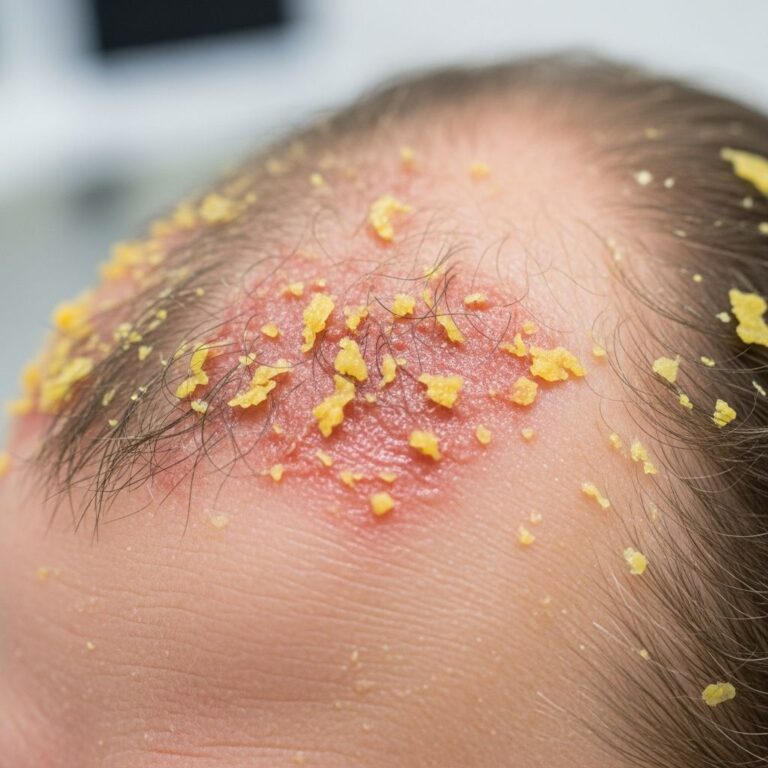
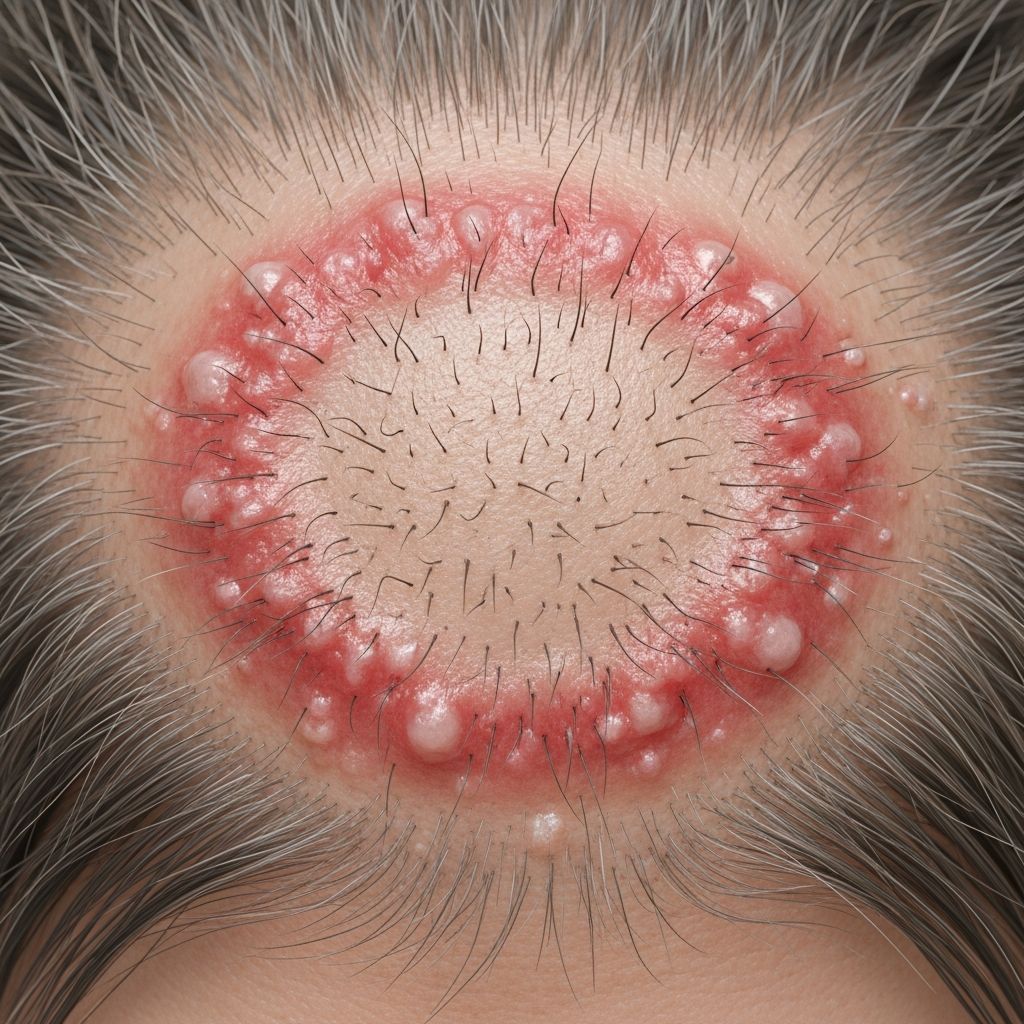
Scalp ringworm, medically known as tinea capitis, is a fungal infection that affects the scalp, hair, and surrounding skin. Despite its misleading name, no worm is involved in this condition. The term “ringworm” derives from the characteristic ring-shaped, scaly appearance that often develops on affected skin areas. This contagious infection occurs when mold-like fungi colonize the outer layers of scalp tissue and hair shafts, causing visible symptoms that typically include itching, redness, and hair loss.
The condition is particularly prevalent among toddlers and school-age children, though it can affect individuals of any age. Scalp ringworm belongs to a family of related fungal infections that also includes athlete’s foot (tinea pedis), jock itch (tinea cruris), and ringworm affecting other body areas (tinea corporis). Understanding this infection’s characteristics helps patients and caregivers recognize symptoms early and seek appropriate treatment to prevent complications.
Causative Organisms and Risk Factors
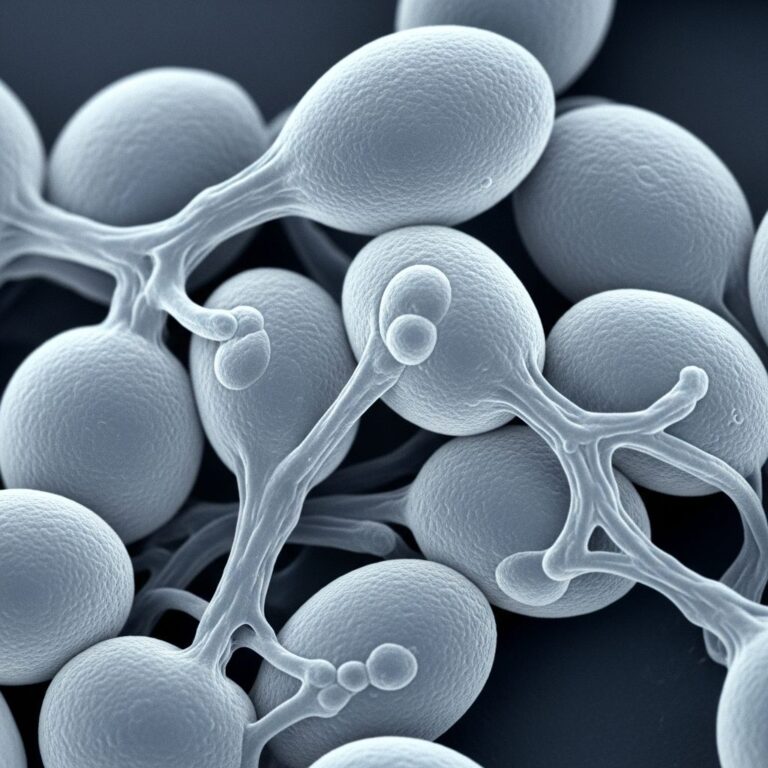
Dermatophytes—specialized mold-like fungi—are responsible for causing scalp ringworm. In the United States, two primary fungal species cause most infections: *Microsporum* and *Trichophyton*. These organisms thrive in warm, moist environments and commonly proliferate in tropical climates.
Certain conditions increase susceptibility to infection:
- Minor cuts or breaks in the scalp skin
- Poor hair hygiene or infrequent washing
- Prolonged skin moisture from sweating or wet conditions
- Close contact with infected individuals
- Contact with infected animals, including dogs, cats, horses, or farm animals
The fungi attack the outer layer of scalp skin and invade hair shafts, causing the hair to become weakened and break off. This invasion mechanism explains why visible bald patches develop on the affected scalp areas.
Recognizing Scalp Ringworm Symptoms
Symptoms of scalp ringworm vary depending on the type of fungal infection present and individual immune responses. Recognizing these signs enables prompt medical consultation and treatment initiation.
Primary Clinical Manifestations
The most common symptoms include round or irregular bald patches with black dots where hair has broken off, along with itching and scalp inflammation. The affected scalp areas typically display:
- Round, scaly patches that are red or swollen
- Hair that breaks off at or just above the scalp surface
- Small black dots visible on bald patches (representing broken hair shafts)
- Brittle or fragile hair that is easily broken or pulled out
- Dry, raised scales and crusty bumps that may drain pus
- Tender or painful areas on the scalp
For light-haired individuals, the broken hair dots may appear in matching hair color rather than black. The patches slowly expand over time if left untreated.
Associated Systemic Symptoms
Beyond scalp changes, some patients experience additional symptoms. Swollen lymph nodes in the neck and back of the head may develop, though ringworm typically does not cause fever. Some individuals may experience low-grade fever ranging from 100°F to 101°F (37.8°C to 38.3°C).
Related Stories



Kerion: A Severe Complication
In certain cases, a severe inflammatory response called kerion develops on the scalp. This condition manifests as soft, raised swellings that drain pus with thick, yellow crusting. Kerion may result from an overly vigorous immune response to the fungal infection and poses increased risk for permanent scarring and lasting hair loss if not managed appropriately.
Diagnostic Procedures
Proper diagnosis requires professional medical evaluation. Healthcare providers typically perform physical examination combined with laboratory confirmation to establish a definitive diagnosis and rule out other scalp conditions.
The diagnostic process includes collecting scalp samples through plucking infected hairs and scales, which are then examined under microscopic magnification to identify fungal elements. These samples are additionally cultured in laboratory media to confirm fungal infection. However, culture results may require up to six weeks to develop because fungi grow slowly in laboratory conditions.
Treatment Approaches and Medication Options
Scalp ringworm requires oral antifungal medications prescribed by healthcare providers; topical treatments alone are ineffective. The infection will not resolve without appropriate pharmaceutical intervention.
Oral Antifungal Medications
Several prescription antifungal medications effectively treat scalp ringworm:
- Griseofulvin (Grifulvin V, Gris-PEG)—typically the first-choice medication
- Terbinafine—used as an alternative if griseofulvin is ineffective or allergic reactions occur
- Itraconazole (Onmel, Sporanox, Tolsura)—prescribed when standard treatments are unsuitable
- Fluconazole (Diflucan)—additional alternative option
Treatment duration typically ranges from four to eight weeks, with some cases requiring up to three months of continuous medication. Children often need treatment for at least six weeks to ensure complete infection clearance. The specific medication chosen and treatment duration depend on the fungal species involved, patient age, potential allergies, and individual response to therapy.
Supportive Care and Additional Treatments
Alongside oral medication, healthcare providers recommend medicated shampoos containing ketoconazole or selenium sulfide to slow infection spread and prevent transmission to others, though these shampoos alone cannot eliminate the infection. These specialized shampoos should be used twice weekly as directed.
For patients developing kerion inflammation, healthcare providers may prescribe corticosteroids such as prednisone to reduce inflammation, lower scarring risk, and prevent permanent hair loss.
Basic home care measures include maintaining scalp cleanliness and following all prescribed medication regimens consistently until completion.
Treatment Timeline and Hair Regrowth
With successful treatment, recovery follows a predictable timeline. Hair typically begins regrowing in affected areas once the fungal infection is eliminated, and skin usually heals without permanent scarring. However, the complete resolution process may take many weeks from treatment initiation. It is essential to continue medication for the full prescribed duration even if visible improvement occurs, as premature discontinuation risks infection recurrence.
Potential Complications if Left Untreated
Untreated scalp ringworm carries serious consequences including permanent hair loss and lasting scars on the scalp. The kerion complication, which can develop during infection, particularly increases scarring and permanent baldness risk. Early treatment intervention is critical to prevent these irreversible complications.
Prevention and Transmission Prevention
Reducing ringworm transmission requires awareness of contagion pathways. The infection spreads through direct contact with infected individuals’ scalps or contaminated items such as combs, brushes, hats, pillowcases, and towels. Additionally, contact with infected animals poses transmission risk.
Preventive measures include:
- Maintaining good scalp and hair hygiene through regular washing
- Avoiding sharing personal items like combs, brushes, hats, and towels
- Keeping the scalp dry and avoiding prolonged moisture
- Limiting close contact with individuals showing ringworm symptoms
- Minimizing contact with potentially infected animals
- Treating infections promptly to reduce transmission risk
Frequently Asked Questions
Can ringworm spread to other body parts?
Yes, scalp ringworm can potentially spread to other body areas through contact. However, it remains distinct from other tinea infections like athlete’s foot or jock itch, which affect different body regions with different fungal presentations and treatment approaches.
Is scalp ringworm contagious while undergoing treatment?
Yes, the infection remains contagious during early treatment stages. While oral antifungal medications eliminate the infection internally, surface contagiousness persists until the fungus is fully eradicated. Using medicated shampoos and minimizing contact with others helps reduce transmission during treatment.
Will hair grow back after treatment?
In most cases, hair regrows normally after successful antifungal treatment. However, if kerion develops or the infection causes scarring, permanent hair loss may result in affected areas. This underscores the importance of early treatment.
Can over-the-counter treatments cure scalp ringworm?
No. Topical creams, lotions, and powders cannot penetrate hair shafts sufficiently to eliminate the infection. Prescription oral antifungal medications are mandatory for effective treatment.
How long does complete recovery take?
Recovery timelines vary but typically span several weeks to months. Oral medication courses last four to eight weeks minimum, and hair regrowth continues beyond medication cessation. Full scalp healing without scarring usually occurs with compliant treatment adherence.
References
- Tinea Capitis: Symptoms, Causes & Treatment — Cleveland Clinic. 2024. https://my.clevelandclinic.org/health/diseases/22449-tinea-capitis
- Ringworm (Scalp) — Diagnosis & Treatment — Mayo Clinic. 2023. https://www.mayoclinic.org/diseases-conditions/ringworm-scalp/diagnosis-treatment/drc-20354924
- Ringworm of the Scalp — MedlinePlus. U.S. National Library of Medicine. 2023. https://medlineplus.gov/ency/article/000878.htm
- Treatment of Ringworm and Fungal Nail Infections — Centers for Disease Control and Prevention. 2024. https://www.cdc.gov/ringworm/treatment/index.html
- Ringworm of the Scalp (Tinea Capitis) — Nationwide Children’s Hospital. 2023. https://www.nationwidechildrens.org/conditions/tinea-capitis
- Ringworm (Scalp) — Symptoms & Causes — Mayo Clinic. 2023. https://www.mayoclinic.org/diseases-conditions/ringworm-scalp/symptoms-causes/syc-20354918
- Ringworm Signs, Causes & Treatment (for Teens) — KidsHealth. 2023. https://kidshealth.org/en/teens/ringworm.html
Similar Articles








Read full bio of medha deb