Scalp Yeast Infection: Causes, Symptoms, Treatment & Prevention
Learn about scalp yeast infections: causes, symptoms, effective treatments, and proven prevention strategies.
Understanding Scalp Yeast Infections
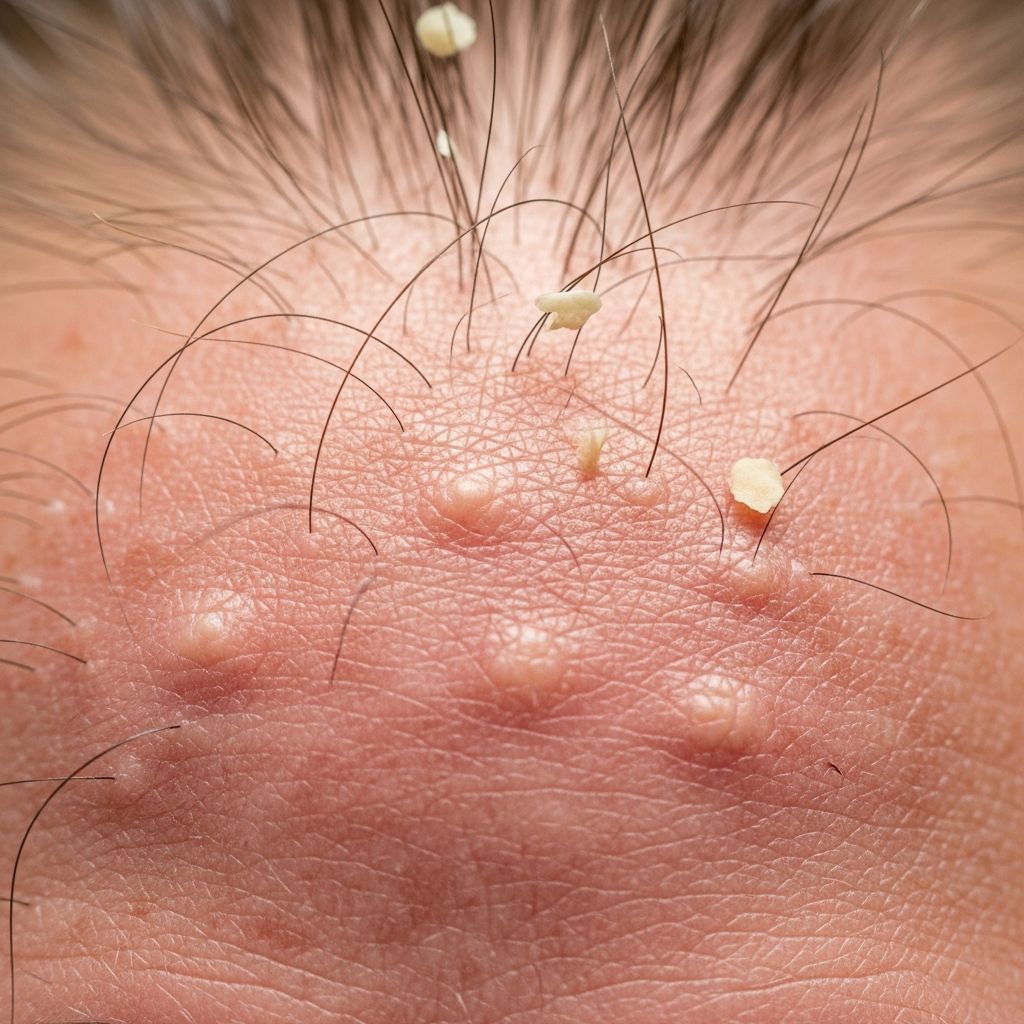
A scalp yeast infection, medically known as candidiasis, is a fungal skin condition that affects the scalp and hair. This condition is caused by an overgrowth of Candida, a yeast that naturally exists on human skin. While the human scalp maintains a natural balance of yeast and bacteria, certain conditions can disrupt this equilibrium, allowing Candida to proliferate and cause infection. The resulting condition typically manifests as an itchy, flaky rash that can range from mildly uncomfortable to severely bothersome.
Candida thrives in warm, dark, and damp environments, making the scalp an ideal location for fungal growth. The infection occurs when the delicate balance between beneficial bacteria and yeast is disrupted. Your scalp’s natural bacterial flora normally prevents excessive yeast growth by competing for nutrients and space. When this protective balance is compromised, Candida has the opportunity to collect and spread across the scalp surface.
What Causes Scalp Yeast Infections
Several factors can contribute to the development of a scalp yeast infection. Understanding these causes is essential for both prevention and effective treatment. The primary cause remains an imbalance in your scalp’s natural microbiome, but various underlying conditions and circumstances can trigger this imbalance.
Environmental and Lifestyle Factors
Warm, moist environments create ideal conditions for Candida growth. Excessive sweating, poor hair hygiene, infrequent hair washing, and failure to thoroughly dry the scalp after bathing all contribute to creating the damp conditions that yeast prefers. Additionally, wearing tight hats or headwear for extended periods can trap moisture and heat against the scalp, promoting fungal proliferation.
Medical and Immune System Factors
Scalp yeast infections are notably more common in individuals with weakened immune systems. Conditions such as diabetes, HIV/AIDS, and cancer significantly increase susceptibility to Candida infections. Furthermore, medications that suppress the immune system—including corticosteroids and immunosuppressants used in transplant recipients—create an environment where Candida can flourish unchecked. These medications reduce your body’s ability to maintain the microbial balance necessary to prevent fungal overgrowth.
Other Contributing Conditions
Certain populations experience higher incidence rates of scalp yeast infections. Individuals with a history of antibiotic use may develop infections because antibiotics can eliminate beneficial bacteria that normally compete with yeast. Poor overall health, malnutrition, and hormonal imbalances can also compromise immune function and scalp health, increasing infection risk.
Recognizing Scalp Yeast Infection Symptoms
Identifying the symptoms of a scalp yeast infection is crucial for early diagnosis and treatment. The condition presents with a distinctive constellation of signs that differentiate it from other scalp conditions.
Primary Symptoms
The hallmark symptom of scalp yeast infection is intense itching on the scalp. This itching may be accompanied by a visible rash that appears red or purple and manifests in patches of various shapes and sizes. The affected areas may feel tender or sensitive to touch. As the infection progresses, the skin may become cracked, and crusts may form on the scalp. In some cases, this crusting can lead to temporary hair loss in the affected regions.
Related Stories



Associated Symptoms
Beyond the primary rash and itching, individuals may experience additional symptoms including scalp tenderness, flaking and scaling of the skin, and a general feeling of discomfort. Some people report that their symptoms worsen with heat, sweating, or wearing certain hairstyles that pull tightly on the scalp. The severity of symptoms can range from mild irritation to severe discomfort that significantly impacts quality of life.
Diagnosing Scalp Yeast Infections
Proper diagnosis is essential to distinguish scalp yeast infections from other scalp conditions and to ensure appropriate treatment. Healthcare providers employ several diagnostic methods to confirm candidiasis.
Physical Examination
Your healthcare provider begins with a thorough physical examination of your scalp. Red or purple patches are often visible during this examination and can indicate a yeast infection. The provider will assess the distribution, appearance, and characteristics of the rash to gather diagnostic information.
Microscopic Analysis and Culture Testing
When physical examination alone is insufficient, your healthcare provider may perform a microscopic examination. Using a tongue depressor or scalpel, the provider gently scrapes a small sample of the infected scalp skin. This sample is then examined under a microscope by a laboratory technician. For more definitive identification, the sample may be placed in a culture medium, which allows the fungal organisms to grow. This culturing process enables precise identification of the fungus type, helping to confirm Candida as the causative organism and ruling out other fungal species.
Treatment Options for Scalp Yeast Infections
Fortunately, scalp yeast infections are highly treatable with appropriate antifungal medications. Treatment approaches vary based on infection severity, individual health factors, and response to initial therapy.
Over-the-Counter Antifungal Treatments
Many individuals can effectively treat scalp yeast infections using over-the-counter antifungal products. These include antifungal shampoos, foams, and ointments that are readily available without prescription. Common active ingredients in these products include ketoconazole and selenium sulfide. These topical treatments work by targeting the yeast directly on the scalp and are typically well-tolerated with minimal side effects.
Prescription Antifungal Medications
For more severe infections or cases that don’t respond to over-the-counter treatments, your healthcare provider may prescribe stronger antifungal options. These may include prescription-strength topical treatments or oral antifungal medications. Prescription treatments are typically more potent and are reserved for infections that require more aggressive management.
Home Remedies and Complementary Approaches
While some individuals explore home remedies for scalp yeast infections, it is important to consult your healthcare provider before attempting any alternative treatments. Home treatment options have not been extensively researched through clinical trials, and their efficacy varies considerably. Maintaining excellent scalp hygiene—keeping the scalp clean and dry—remains one of the most important complementary measures alongside medical treatment.
Treatment Timeline and Recovery
The duration of treatment varies depending on the infection’s severity and the chosen treatment method. Many individuals notice improvement within two weeks of beginning antifungal treatment. However, some scalp yeast infections may require up to two months of consistent treatment to completely resolve. It is crucial to complete the full course of treatment as prescribed, even if symptoms improve earlier. Premature cessation of treatment can result in infection recurrence.
For healthy individuals without compromised immune systems, topical antifungal treatments are often sufficient. In some cases, infections may resolve on their own with appropriate self-care measures. However, medical intervention remains the most reliable approach to ensure complete resolution.
Contagiousness and Transmission Risk
Scalp yeast infections are generally not contagious to other individuals, even through direct contact. However, individuals with significantly weakened immune systems should exercise caution around people with active yeast infections, as they face a greater risk of transmission and infection development. This is particularly important for those with severe immunosuppression due to medical conditions or medications.
Potential Complications of Untreated Infections
While scalp yeast infections are typically not serious when properly treated, leaving them untreated can lead to significant complications. Untreated candidiasis can spread beyond the scalp to affect other body systems, including bones, organs, the digestive system, the bloodstream, eyes, and mouth. These systemic infections can become serious medical conditions requiring intensive treatment. This underscores the importance of seeking timely treatment when scalp yeast infection is suspected.
Prevention Strategies
Preventing scalp yeast infections is often easier than treating them. By implementing consistent preventive measures, you can significantly reduce your risk of developing this uncomfortable condition.
Scalp Hygiene Practices
Maintaining excellent scalp hygiene is fundamental to prevention. This includes regular hair washing with quality shampoos, ensuring thorough drying of the scalp after bathing or swimming, and avoiding prolonged periods with a wet scalp. Damp hair and scalp create the ideal environment for Candida growth, so prompt drying is essential.
Environmental Management
Minimize excessive heat and moisture accumulation on your scalp. Limit the duration of wearing tight hats or headwear, particularly during hot weather or physical activity when sweating occurs. If you wear headgear regularly, ensure it is breathable and remove it frequently to allow air circulation.
Personal Item Hygiene
Keep hair care tools clean and well-maintained. Regularly wash pillowcases and bedding, as these items can harbor fungal spores. If you share combs, brushes, or other hair care equipment with others, ensure they are thoroughly cleaned and disinfected regularly.
Lifestyle Modifications
Maintain overall good health through balanced nutrition, regular exercise, and adequate sleep. A strong immune system is your body’s best defense against fungal infections. For individuals with diabetes or other conditions affecting immune function, maintaining optimal disease management is particularly important.
Frequently Asked Questions About Scalp Yeast Infections
Q: Can scalp yeast infections spread to other people?
A: Scalp yeast infections are generally not contagious. However, individuals with severely weakened immune systems should be cautious around others with active infections, as they have a higher risk of developing infections themselves.
Q: How long does treatment typically take?
A: Most scalp yeast infections begin improving within two weeks of treatment initiation. However, complete resolution may take up to two months depending on infection severity and individual response to treatment.
Q: Can I treat a scalp yeast infection with home remedies alone?
A: While maintaining scalp hygiene is important, home remedies alone may be insufficient. Consult your healthcare provider before relying exclusively on home treatments, as medical-grade antifungal treatments are typically more effective.
Q: Are over-the-counter antifungal products effective?
A: Yes, many scalp yeast infections can be successfully treated with over-the-counter antifungal shampoos, foams, and ointments. However, if symptoms persist after two weeks of treatment, consult your healthcare provider for prescription options.
Q: Why are people with diabetes more susceptible to scalp yeast infections?
A: Diabetes weakens immune function, reducing your body’s ability to maintain the microbial balance that prevents excessive yeast growth. Proper diabetes management is therefore important for infection prevention.
Q: What should I do if my scalp yeast infection doesn’t improve after two weeks?
A: If symptoms persist or worsen after two weeks of treatment, contact your healthcare provider. They may recommend prescription-strength treatments or investigate underlying causes that may require different management approaches.
When to Seek Professional Help
If you develop itchy patches on your scalp that persist for more than a few days, or if you notice a rash that resembles the symptoms described in this article, contact your healthcare provider. Early professional evaluation can confirm whether you have a scalp yeast infection and establish an appropriate treatment plan tailored to your specific situation.
Conclusion
Scalp yeast infections, while uncomfortable and sometimes bothersome, are highly treatable conditions. With proper diagnosis and appropriate antifungal treatment—whether over-the-counter or prescription-strength—most individuals experience significant improvement within two weeks and complete resolution within two months. The key to successful management involves early recognition of symptoms, professional diagnosis, adherence to treatment protocols, and implementation of preventive measures to avoid recurrence. By maintaining excellent scalp hygiene, managing underlying health conditions, and seeking timely professional help when needed, you can effectively manage and prevent scalp yeast infections. With the right approach, you’ll return to comfort and confidence in your scalp health soon.
References
- Scalp Yeast Infection: Causes, Symptoms, Treatment & Prevention — Cleveland Clinic. 2024. https://my.clevelandclinic.org/health/diseases/22967-scalp-yeast-infection
- What Is Candidiasis? Yeast Infection Signs & Symptoms — Cleveland Clinic. 2024. https://my.clevelandclinic.org/health/diseases/23198-candidiasis
- Antifungals: What They Treat, How They Work & Side Effects — Cleveland Clinic. 2024. https://my.clevelandclinic.org/health/drugs/21715-antifungals
- Fungal Infection, Fungal Rash, Skin Fungus Treatment — Cleveland Clinic. 2024. https://my.clevelandclinic.org/health/diseases/4276-skin-fungus
- Ketoconazole Shampoo (Nizoral): How to Use — Cleveland Clinic. 2024. https://my.clevelandclinic.org/health/drugs/20386-ketoconazole-shampoo
- Chronic Mucocutaneous Candidiasis — Merck Manuals. 2024. https://www.merckmanuals.com/home/immune-disorders/immunodeficiency-disorders/chronic-mucocutaneous-candidiasis
Similar Articles








Read full bio of medha deb