Scapula Fracture: Shoulder Blade Injury Guide
Complete guide to scapula fractures: symptoms, diagnosis, and treatment options.
Understanding Scapula Fractures: A Complete Guide to Shoulder Blade Injuries
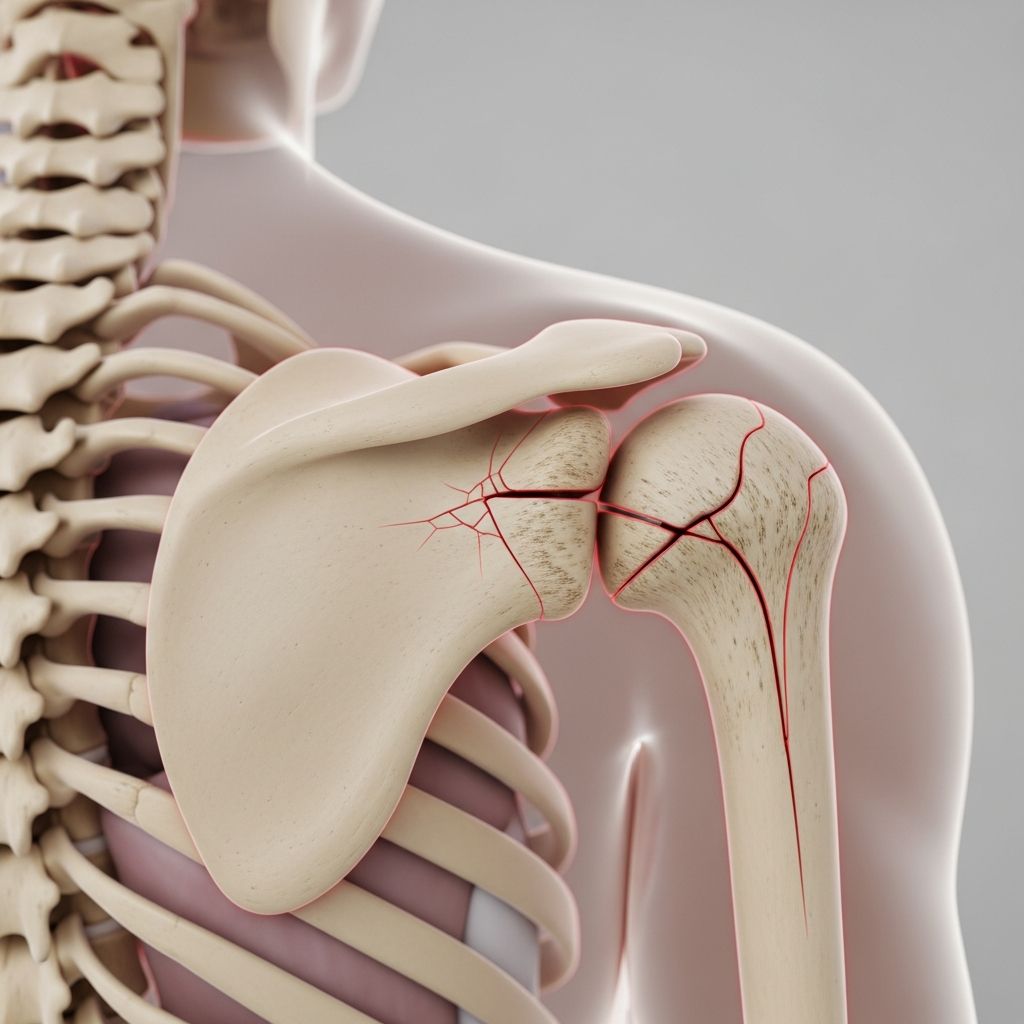
A scapula fracture, commonly known as a broken shoulder blade, occurs when the large triangular bone located at the back of the shoulder sustains a break or crack. The scapula plays a crucial role in shoulder function, serving as an attachment point for numerous muscles and ligaments that enable arm movement and stability. When this bone fractures, it can significantly impact shoulder mobility and cause considerable pain. Understanding scapula fractures is essential for recognizing symptoms early and pursuing appropriate treatment to ensure proper healing and recovery.
What Is a Scapula Fracture?
The scapula, or shoulder blade, is a flat bone that forms the posterior part of the shoulder complex. It articulates with the humerus (upper arm bone) at the glenoid fossa, creating the glenohumeral joint. The scapula provides attachment points for multiple muscles involved in shoulder movement, including the rotator cuff muscles. A fracture of the scapula involves a break in the continuity of this bone, which can occur in various locations including the body, neck, spine, acromion, or rim of the scapula.
Scapula fractures represent approximately 1% of all fractures treated in clinical practice, making them relatively uncommon injuries. However, when they do occur, they typically result from high-impact trauma, indicating the significant force required to break this robust bone. The rarity of scapula fractures makes them clinically significant because their presence often signals other serious concurrent injuries.
Causes of Scapula Fractures
Scapula fractures almost always result from high-energy trauma due to the strong muscular protection surrounding the shoulder blade. The most common causes include:
Motor vehicle accidents represent the leading cause of scapula fractures, particularly in cases involving direct impact to the shoulder or chest region. The force generated in these accidents can easily overcome the bone’s structural integrity.
Falls from significant heights can produce the substantial force necessary to fracture the scapula. Falls onto the shoulder or direct impact during a fall commonly result in scapular injury.
High-impact sports injuries involving direct blows to the shoulder area can occasionally cause scapula fractures, though such injuries are less common in athletic contexts than in motor vehicle accidents.
Severe crushing injuries to the shoulder region can fracture the scapula, particularly in industrial accidents or situations involving heavy objects crushing the shoulder.
Because considerable force is required to fracture the scapula, these injuries are frequently accompanied by other serious conditions affecting the chest wall, spine, and upper extremity.
Recognizing Symptoms of Scapula Fractures
Patients with scapula fractures typically experience a constellation of symptoms that vary depending on the fracture location and severity. Prompt recognition of these symptoms is crucial for seeking appropriate medical care.
Common Symptoms Include:
Severe pain is the hallmark symptom of scapula fractures. The pain typically develops suddenly at the time of injury and is usually localized to the upper back, across the shoulder blade area, or at the top of the shoulder. The pain is often dramatically aggravated by arm movement or deep breathing, as movement of the chest wall causes the fractured bone fragments to shift.
Related Stories



Swelling and tenderness develop in the area around the shoulder and upper back, often within minutes to hours after the injury. The swelling can be quite pronounced and may limit range of motion.
Bruising and discoloration of the skin over the shoulder blade area are common, reflecting underlying tissue damage and bleeding. Bruising may extend over a large area depending on the severity of trauma.
Visible deformity of the shoulder may occur, with the shoulder appearing flattened, sagging, or drooped compared to the uninjured side. In some cases, a visible bulge or lump may form at the fracture site if the bone ends shift out of normal position.
Limited shoulder and arm movement results from pain and the mechanical disruption caused by the fracture. Patients typically hold the injured arm close to their body in a protective position.
Weakness in the affected arm is particularly noticeable when attempting overhead activities, reflecting both pain inhibition and potential nerve involvement.
Neurological symptoms including numbness, tingling, or coldness in the arm or hand may indicate injury to the brachial plexus (a network of nerves in the shoulder region) or blood vessels. These symptoms warrant urgent medical evaluation.
Grating or crackling sensations (crepitus) may be felt or heard when moving the injured shoulder, resulting from the fractured bone ends rubbing together.
Respiratory symptoms including pain with breathing or shortness of breath may indicate associated chest wall or lung injuries that frequently accompany scapula fractures.
Associated Injuries
Because scapula fractures require significant traumatic force, patients frequently sustain other serious injuries that may take priority in acute medical management. These associated injuries include:
Rib fractures occur in a substantial percentage of scapula fracture cases, sometimes making it difficult to distinguish between rib fracture pain and scapular fracture pain. Clavicle (collarbone) fractures commonly occur alongside scapula fractures. Head injuries, spine injuries, and injuries to the brachial plexus nerves are also common. Thoracic injuries including collapsed lung, bruised lung, or pneumothorax can occur when the force that fractured the scapula also affected the chest cavity. In severe cases, scapulothoracic dissociation may occur, where the shoulder blade is forcefully separated from the chest wall, resulting in vascular and neurological damage.
How Scapula Fractures Are Diagnosed
Accurate diagnosis of scapula fractures involves both physical examination and imaging studies.
Physical Examination
Your healthcare provider will conduct a thorough physical examination that includes:
Evaluation of shoulder position and posture to assess for visible deformity. Assessment of skin integrity to identify any open fractures where bone has penetrated the skin. Palpation (careful touching) of the shoulder, clavicle, and chest wall to identify areas of tenderness, swelling, bruising, and crepitus. Testing of shoulder range of motion, typically limited due to pain. Lung auscultation using a stethoscope to listen for abnormal breath sounds that might indicate chest injury. Neurovascular examination to assess nerve function and blood supply by testing sensation, motor strength, and comparing pulses in both arms. Testing of arm strength and grip strength to evaluate for neurological compromise.
Imaging Studies
X-rays are the standard initial imaging test for suspected scapula fractures. X-rays of the shoulder and chest typically include anterior-posterior, lateral, and axillary views to visualize the scapula from different angles and determine the location and extent of the fracture. X-rays are relatively quick, inexpensive, and effective for identifying most scapula fractures, though they may miss associated soft tissue injuries.
Computed tomography (CT) scans provide detailed, cross-sectional images of the scapular bone and are increasingly recommended for evaluating scapula fractures. CT imaging reveals the fracture location, severity, and type in greater detail than conventional x-rays and helps identify associated injuries. Three-dimensional CT reconstruction can assist physicians in determining whether surgery is needed.
Magnetic resonance imaging (MRI) may be ordered when doctors need to assess soft tissue structures, including muscles, ligaments, and cartilage. MRI is particularly useful for evaluating nearby blood vessels and nerves if damage is suspected and for planning surgical approaches when surgery is being considered.
Treatment Options for Scapula Fractures
The treatment approach for scapula fractures depends on the fracture type, location, degree of displacement, and associated injuries.
Non-Surgical Treatment
The vast majority of scapula fractures, accounting for more than 90% of cases, are successfully managed with conservative, non-surgical treatment. Most minimally displaced fractures respond well to closed treatment consisting of short-term immobilization followed by progressive rehabilitation.
Immobilization typically involves wearing a shoulder sling for three to four weeks initially. The sling holds the shoulder in a protective position, preventing movement that would cause pain and allow fracture displacement. Early immobilization is critical for pain management and preventing further injury.
Pain management is essential during the early healing phase. Over-the-counter or prescription pain medications help control pain and allow participation in physical therapy exercises.
Progressive range of motion exercises should begin as tolerated, even within the first few days following injury. Early motion is crucial for preventing frozen shoulder (adhesive capsulitis), a complication characterized by significant loss of shoulder motion and chronic stiffness. Physical therapy should progress gradually from passive range of motion exercises (where the therapist moves the arm) to active-assisted exercises (where the patient participates) to active exercises (where the patient moves the arm without assistance).
Strengthening exercises are introduced gradually as pain decreases and healing progresses. These exercises focus on rotator cuff muscles and scapular stabilizers essential for normal shoulder function.
Surgical Treatment
Surgical intervention is reserved for specific fracture patterns that indicate instability or where non-surgical treatment is likely to produce unsatisfactory results. Surgical indications include significantly displaced fractures, fractures involving the joint surface with articular step-offs greater than 5 millimeters, fractures with associated shoulder dislocation, and significant angular deformity.
When surgery is performed, internal fixation using plates and screws is typically employed to hold the fracture fragments in proper anatomical alignment, allowing early mobilization and preventing complications.
Recovery and Rehabilitation
Recovery from scapula fractures progresses through distinct phases. The immediate phase focuses on pain control and protection of the fracture. The intermediate phase emphasizes early range of motion and gentle strengthening. The advanced phase involves return to normal activities with progressive strengthening and functional training.
Complete bone healing typically requires eight to twelve weeks, though functional recovery may take considerably longer. Physical therapy is crucial throughout recovery and should be tailored to individual needs and progressed based on pain levels and functional improvements.
When to Seek Medical Attention
Seek immediate emergency care if you experience severe shoulder pain following trauma, particularly with associated numbness, tingling, or coldness in the arm, difficulty breathing, significant swelling that develops rapidly, visible deformity of the shoulder, or inability to move the arm. Any significant shoulder injury following trauma warrants professional medical evaluation.
Frequently Asked Questions About Scapula Fractures
Q: How long does it take for a scapula fracture to heal?
A: Bone healing typically requires eight to twelve weeks, though functional recovery may take three to six months or longer depending on fracture severity and rehabilitation adherence.
Q: Can I move my arm immediately after a scapula fracture?
A: Initially, you should immobilize the arm in a sling to control pain and allow early healing. However, gentle range of motion exercises should begin as tolerated to prevent stiffness and frozen shoulder complications.
Q: Will I need surgery for a scapula fracture?
A: Most scapula fractures (over 90 percent) heal successfully with non-surgical treatment using immobilization and rehabilitation. Surgery is typically reserved for significantly displaced fractures or specific fracture patterns.
Q: What complications can occur from scapula fractures?
A: Potential complications include frozen shoulder from prolonged immobility, nonunion or malunion of the fracture, arthritis if the fracture involves the joint surface, and nerve or blood vessel injuries from the initial trauma.
Q: Can I return to sports after a scapula fracture?
A: Return to sports depends on fracture severity and the specific sport involved. Most people can gradually return to activities as pain resolves and strength improves, typically three to six months after injury for most activities.
Q: Is a scapula fracture serious?
A: While most scapula fractures themselves are not life-threatening, they indicate significant trauma and frequently occur alongside serious injuries like rib fractures, lung injuries, or spine injuries that require immediate medical attention.
References
- Scapula Fracture – StatPearls — National Center for Biotechnology Information. 2024. https://www.ncbi.nlm.nih.gov/books/NBK537312/
- Scapula (Shoulder Blade) Fractures – OrthoInfo — American Academy of Orthopaedic Surgeons. 2024. https://orthoinfo.aaos.org/en/diseases–conditions/scapula-shoulder-blade-fractures/
- Scapula Fracture Causes and Symptoms — Sports-Health. 2024. https://www.sports-health.com/sports-injuries/shoulder-injuries/scapula-fracture-causes-and-symptoms
- Fractured Scapula: Causes, Signs & Treatments — Resurgens Orthopaedics. 2024. https://www.resurgens.com/shoulder/conditions/fractures-of-the-shoulder-blade-scapula
- Scapular Fracture — Physiopedia. 2024. https://www.physio-pedia.com/Scapular_Fracture
- Scapula (Shoulder Blade) Fracture — Reno Orthopedic Center. 2024. https://www.renoortho.com/specialties/center-for-fracture-trauma/scapula-shoulder-blade-fracture/
- Scapula Fractures – Trauma — Orthobullets. 2024. https://www.orthobullets.com/trauma/1013/scapula-fractures
Similar Articles








Read full bio of Sneha Tete