Scar Revision: Treatment Options and Procedures
Explore surgical and non-surgical scar revision treatments to improve appearance and function.
Understanding Scar Revision
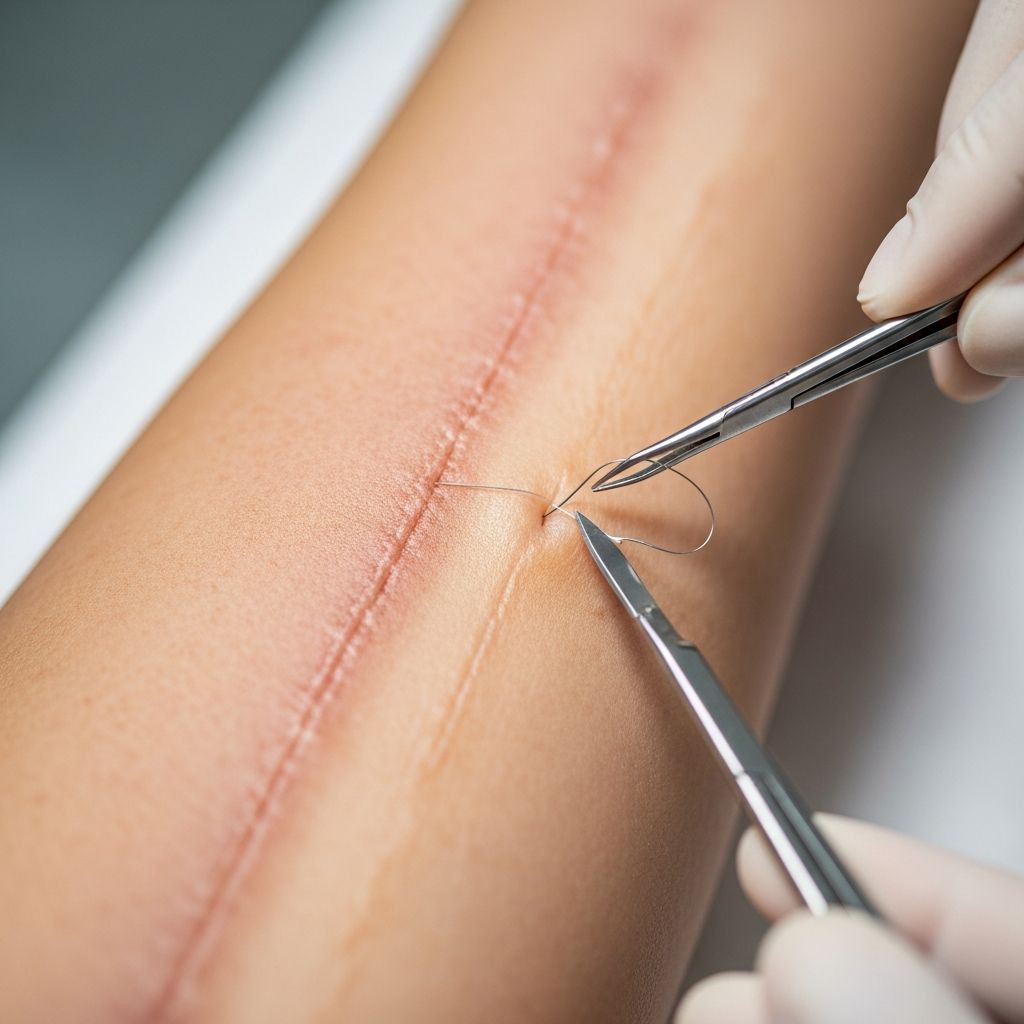
Scars are a natural part of the healing process that occurs after an injury, surgery, or skin condition. While scars are inevitable after any wound heals, many people seek ways to improve their appearance, especially when scars are located in visible areas such as the face and neck. Scar revision is a surgical and non-surgical approach designed to minimize the appearance of scars and restore a more natural appearance to the skin. Understanding the options available for scar revision can help patients make informed decisions about their treatment.
The goal of scar revision is not to completely eliminate a scar, as this is generally not possible except in rare cases. Instead, scar revision procedures aim to make scars less noticeable by blending them into the surrounding skin, reducing their visibility, and improving the overall aesthetic outcome. Different scar types require different treatment approaches, and the best results often come from choosing the right procedure for the specific characteristics of the scar.
Types of Scars
Scars vary widely in appearance and characteristics depending on how they formed, the location on the body, skin type, and individual healing responses. Understanding the different types of scars is essential for determining the most appropriate revision treatment.
Atrophic Scars
Atrophic scars, also known as depressed scars, appear as indentations or depressions in the skin. These scars occur when the healing process results in insufficient collagen production, causing the scar tissue to sit below the level of the surrounding skin. Atrophic scars are commonly seen as a result of acne, chickenpox, or certain injuries. They can be particularly noticeable on the face and may affect a person’s self-confidence.
Hypertrophic Scars
Hypertrophic scars are raised, thickened scars that develop when the body produces excess collagen during healing. These scars remain within the boundaries of the original wound and typically appear red or pink initially, gradually fading over time. Hypertrophic scars can cause symptoms such as itching, pain, and restricted range of motion, particularly when they occur over joints. Laser and light therapies have shown promising results in reducing scar thickness, improving pigmentation, and enhancing overall appearance.
Keloid Scars
Keloids are a more severe form of raised scarring that extends beyond the original wound boundaries. These scars occur when the body overproduces collagen during healing and continues to grow even after the wound has closed. Keloids are more common in individuals with darker skin types and can be itchy, tender, or painful. They require specialized treatment approaches to prevent recurrence.
Contracture Scars
Contracture scars form when significant tissue is lost, and the wound edges pull together during healing. These scars can restrict movement, particularly when they occur over joints or in flexible skin areas. Contracture scars often require surgical intervention to release the tension and restore function.
Scar Revision Treatment Options
Modern medicine offers several approaches to scar revision, ranging from non-invasive procedures to surgical interventions. The choice of treatment depends on the scar type, location, depth, and individual patient goals.
Non-Surgical Treatments
Non-surgical options provide minimally invasive alternatives for improving scar appearance with minimal downtime. These treatments are often used as first-line therapy for certain scar types.
Related Stories



Topical Treatments: Various topical products can help improve scar appearance. These include specialized creams, silicone-based products, and other pharmaceutical agents that may help flatten and fade scars over time. While topical treatments work best on newer scars, they can be used in combination with other therapies for optimal results.
Steroid Injections: Intralesional steroid injections are effective for hypertrophic and keloid scars. These injections help reduce inflammation, flatten raised scars, and improve skin texture. Multiple treatments are often required to achieve desired results, with injections typically spaced several weeks apart.
Laser and Light Therapies: Laser therapy represents a significant advancement in scar revision. Different types of lasers work through different mechanisms to improve scars. Fractional laser therapy improves skin texture, range of motion, and quality of life for patients with traumatic scars. Laser treatments can reduce scar thickness, decrease associated neuropathic pain, improve pigmentation and erythema, enhance pliability and texture, and reduce height and itching. The minimally invasive nature of laser therapy provides a low-risk approach with short postoperative recovery periods.
Dermal Fillers: Injectable fillers can temporarily fill depressed scars, bringing them to the level of surrounding skin. While results are temporary and require periodic reinjection, fillers offer a quick, non-surgical option for certain scar types.
Microdermabrasion and Chemical Peels: These resurfacing techniques remove the outer layers of skin and can improve the appearance of superficial scars. They work best on shallow scars and can be combined with other treatments for enhanced results.
Surgical Revision Procedures
Surgical scar revision offers more dramatic improvements for certain scar types and provides permanent results. Surgical approaches vary depending on scar characteristics and location.
Scar Excision: Surgical excision involves removing the scar tissue and carefully closing the wound to create a thinner, less noticeable scar line. The surgeon may place the new scar along natural skin lines or contours to make it less visible. This technique is particularly effective for deep or wide scars and those in visible locations.
Z-Plasty and W-Plasty: These specialized surgical techniques involve rearranging the scar into a pattern that makes it blend better with surrounding skin. Z-plasty is particularly useful for scars that restrict movement, as it breaks up the scar line and redistributes tension. These procedures require surgical expertise and precise planning.
Subcision: This technique involves inserting an instrument under a depressed scar to release fibrous tissue that pulls the scar downward. By breaking these attachments, the scar can rise to the level of surrounding skin. Subcision is often combined with other treatments for optimal results.
Punch Grafting: For deeper, more localized depressed scars, punch grafting involves removing the scar tissue and filling the defect with skin grafted from another area. This technique can dramatically improve the appearance of severe atrophic scars.
Timing of Scar Revision
The timing of scar revision is an important consideration that significantly impacts outcomes. Most surgeons recommend waiting 12 months after the initial injury or surgery before undergoing scar revision procedures. This waiting period allows the scar to fully mature, as new scars continue to change over time. During the maturation process, scars typically become less red, flatten, and improve in appearance naturally.
Attempting scar revision on a recently formed scar can be counterproductive, as the tissue is still undergoing significant changes. Performing procedures on immature scars may actually worsen the final outcome by adding insult to already traumatized tissue. However, there are exceptions where early intervention may be beneficial, such as using laser treatment, steroid injections, or topical agents to optimize the healing process.
Once a scar has matured, it becomes an appropriate candidate for revision procedures. At this point, the scar characteristics are more stable and predictable, allowing surgeons to achieve better results with fewer complications.
Special Considerations for Different Skin Types
Scar appearance and revision outcomes can vary significantly based on skin type, ethnicity, and individual healing responses. Individuals with darker skin types may be more prone to hypertrophic scarring and keloid formation, requiring specialized approaches to prevent recurrence and optimize outcomes.
When treating scars in individuals with darker skin types, surgeons must carefully consider the risk of post-inflammatory hyperpigmentation or hypopigmentation resulting from the revision procedure. Modified treatment approaches, such as using lower laser energy settings or selecting alternative techniques, may be necessary to achieve safe and satisfactory results. Additionally, individuals with darker skin types may require closer follow-up and additional preventive measures, such as steroid injections or specialized dressings, to minimize complications.
Recovery and Results
Recovery from scar revision depends on the type of procedure performed. Non-surgical treatments such as laser therapy typically involve minimal downtime, with patients able to return to normal activities within a few days. Some redness or swelling may occur temporarily but resolves quickly.
Surgical revision procedures generally require more recovery time. Most revision surgeries can be performed in the clinic under local anesthesia, with only more complex facial procedures or those performed simultaneously with other surgeries requiring operating room facilities. Patients should expect some swelling and bruising for one to two weeks, with gradual improvement over several weeks to months.
Results from scar revision are generally visible immediately after treatment but continue to improve as swelling resolves and tissue remodels. Final results typically become apparent three to six months after the procedure. While complete scar elimination is not possible, most patients experience significant improvement in scar appearance and a substantial boost in confidence and quality of life.
Frequently Asked Questions
Q: Can scars be completely removed?
A: No, scars cannot be completely removed. However, modern scar revision techniques can significantly improve their appearance by making them less noticeable and helping them blend better with surrounding skin. The goal is improvement rather than complete elimination.
Q: How long should I wait before having scar revision?
A: Most surgeons recommend waiting 12 months after the initial injury or surgery before undergoing scar revision. This allows the scar to fully mature and stabilize, leading to better treatment outcomes.
Q: Is laser treatment effective for all types of scars?
A: Laser therapy is particularly effective for hypertrophic scars, improving thickness, color, texture, and associated symptoms. However, different laser types work best for different scar characteristics, and your surgeon will recommend the most appropriate option for your specific scar.
Q: What is the recovery time for scar revision procedures?
A: Non-surgical treatments like laser therapy typically have minimal downtime, with most patients returning to normal activities within a few days. Surgical procedures may require one to two weeks for visible swelling and bruising to resolve, with continued improvement over several months.
Q: Are there different approaches for scars on the face versus the body?
A: Yes, facial scars often require specialized techniques because of their visibility and the delicate nature of facial skin. Surgeons may use different approaches, such as placing scars along natural skin lines and contours to minimize visibility. Techniques may also be modified based on skin type and ethnicity.
Q: How much does scar revision cost?
A: Cost varies depending on the type of procedure, scar size and location, and your geographic location. Insurance coverage varies, with some policies covering reconstructive procedures while others focus on cosmetic improvements. Contact your insurance provider for specific coverage details.
Q: Can steroid injections help with all types of scars?
A: Steroid injections are most effective for hypertrophic and keloid scars. They help reduce inflammation and flatten raised scars. Multiple treatments are typically required over several months to achieve optimal results.
References
- A 10-Year Review of Surgical Outcomes at the Johns Hopkins Aesthetic Center — National Center for Biotechnology Information (NCBI). 2022. https://pmc.ncbi.nlm.nih.gov/articles/PMC9673761/
- Laser management of hypertrophic burn scars: A comprehensive review — Johns Hopkins University & Burns and Trauma Journal. 2020. https://pure.johnshopkins.edu/en/publications/laser-management-of-hypertrophic-burn-scars-a-comprehensive-revie
- The Fractured Insurance Landscape of Laser Therapy for Scar Revision — Johns Hopkins University & Journal of Burn Care and Research. 2025. https://pure.johnshopkins.edu/en/publications/the-fractured-insurance-landscape-of-laser-therapy-for-scar-revis
Similar Articles








Read full bio of Sneha Tete