Scarlet Fever: Symptoms, Causes, and Treatment
Understand scarlet fever: a bacterial infection causing rash, fever, and sore throat, primarily in children, treatable with antibiotics.
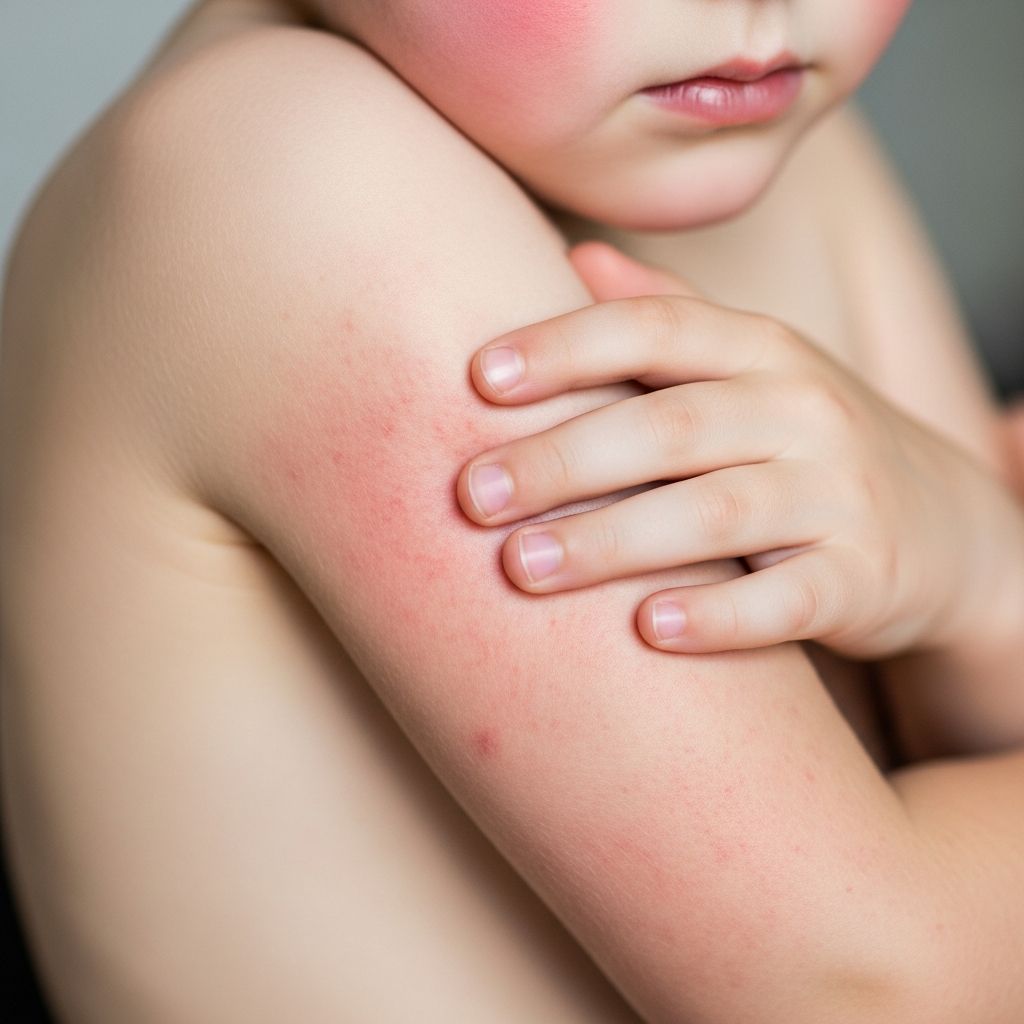
Scarlet fever, also known as scarlatina, is a bacterial infection primarily affecting children aged 5 to 15, caused by toxin-producing strains of group A Streptococcus (GAS) bacteria. It manifests as a characteristic red rash, high fever, and sore throat, but is effectively treated with antibiotics like penicillin.
What Is Scarlet Fever?
Scarlet fever develops when certain strains of Streptococcus pyogenes (group A strep) release pyrogenic exotoxins, such as SpeA, SpeC, and SSA, triggering a distinctive rash alongside strep pharyngitis or skin infections. Historically deadly, modern antibiotics have made it highly treatable, though invasive GAS complications remain a concern with 14,000–25,000 U.S. cases yearly.
The infection’s incubation period is 2–5 days, with symptoms emerging rapidly. While the rash itself is harmless, it signals underlying GAS infection that can progress to serious conditions like necrotizing fasciitis or toxic shock syndrome if untreated.
Symptoms of Scarlet Fever
Symptoms typically appear 1–4 days post-exposure, starting with a sore throat and fever before the rash develops. Key signs include:
- Fever and chills: Often above 101°F (38.3°C), with body aches.
- Sore throat: Red, swollen tonsils possibly coated in white pus; painful swallowing.
- Rash: Fine, red, sandpaper-like eruption starting on the chest and spreading to limbs, trunk, neck, and face. It blanches under pressure, spares palms/soles initially, and features brighter Pastia’s lines in skin folds (armpits, groin, elbows).
- Strawberry tongue: White-coated tongue that peels to reveal red, bumpy surface.
- Swollen lymph nodes: Tender glands in the neck.
- Other: Nausea, vomiting, abdominal pain (especially in young children), headache, and exhaustion.
The rash lasts about a week, followed by peeling skin on hands, feet, and groin for 2–4 weeks. Mild cases may present subtle symptoms, while severe ones involve high fever and intense rash.
Causes of Scarlet Fever
Scarlet fever results from GAS strains producing erythrogenic toxins that provoke the rash. These bacteria typically infect the throat (pharyngitis, 90% of cases) but can enter via wounds or impetigo.
Transmission occurs through respiratory droplets (coughing, sneezing, talking), shared items, or close contact. Crowding in schools or winter months heightens risk due to indoor proximity and viral co-circulation. Recent surges may link to macrolide resistance, reduced herd immunity post-COVID, and no GAS vaccine.
Risk factors include:
- Age 5–15 years (rare under 3).
- Recent strep exposure.
- Weakened immunity.
How Scarlet Fever Spreads
Contagious from symptom onset until 24 hours after antibiotic initiation. Asymptomatic carriers spread it too. Outbreaks peak in late winter/spring, aligning with school starts and respiratory seasons.
Diagnosis
Diagnosis combines clinical signs (rash, strawberry tongue, Pastia’s lines) with lab confirmation. Rapid antigen detection test (RADT) on throat swabs is first-line; negative results in children ≥3 require throat culture backup. Blood tests or ASO titers aid if needed, but aren’t routine.
Differentiate from viral exanthems, Kawasaki disease, or drug reactions via rash texture and strep testing.
Related Stories



Treatment for Scarlet Fever
Antibiotics are cornerstone, shortening symptoms, curbing contagion, and averting rheumatic fever or glomerulonephritis. Standard regimen:
| Antibiotic | Dosage/Duration | Notes |
|---|---|---|
| Penicillin V (oral) | 250 mg 2–3x/day (children); 500 mg 2–3x/day (adults); 10 days | First-line; complete full course. |
| Amoxicillin | 50 mg/kg/day divided 2–3x; 10 days | Alternative for ease. |
| Azithromycin or Cephalexin | 12 mg/kg/day (5 days) or 25–50 mg/kg/day (10 days) | For penicillin allergy. |
Symptoms resolve in 1–2 days post-treatment; rash fades over a week. Supportive care: acetaminophen for fever/pain, hydration, soft foods, humidifier for throat relief. Isolation until 24 hours non-contagious.
Complications
Untreated, scarlet fever risks:
- Suppurative: Peritonsillar abscess, otitis media, sinusitis.
- Non-suppurative: Acute rheumatic fever, post-strep glomerulonephritis.
- Rare invasive: Bacteremia, pneumonia, necrotizing fasciitis (20–60% fatality), streptococcal toxic shock syndrome (cytokine storm causing multi-organ failure).
CDC reports 1,500–3,000 annual U.S. invasive GAS deaths.
Prevention
No vaccine exists, but strategies include:
- Hygiene: Frequent handwashing, covering coughs/sneezes, avoiding face touching.
- Avoid contact: Isolate sick children until 24 hours post-antibiotics.
- Prophylaxis: Antibiotics for close contacts in outbreaks.
- Early treatment: Prompt strep testing in at-risk kids.
School policies often require 24-hour fever-free, antibiotic-treated clearance.
When to See a Doctor
Seek care for fever + rash, especially with sore throat or strawberry tongue. Urgent if difficulty breathing/swallowing, persistent fever >3 days, or signs of dehydration/complications.
Scarlet Fever in Adults
Rare in adults due to immunity, but possible in outbreaks or immunocompromised. Symptoms mirror children’s; treat similarly.
Outlook and Recovery
With antibiotics, full recovery in 1–2 weeks; peeling skin is normal, non-contagious. Untreated cases resolve but risk complications. Recurrence is uncommon with strain-specific immunity.
Frequently Asked Questions (FAQs)
Is scarlet fever contagious?
Yes, via droplets until 24 hours after starting antibiotics.
Can scarlet fever return?
Rare, as immunity develops to toxin-producing strains.
How long does the rash last?
About 1 week, followed by 2–4 weeks peeling.
Is scarlet fever the same as strep throat?
No, it’s strep throat with toxin-induced rash.
Can adults get scarlet fever?
Yes, though less common than in children.
References
- Scarlet Fever: A Deadly History and How it Prevails — American Society for Microbiology. 2023-01-10. https://asm.org/articles/2023/january/scarlet-fever-a-deadly-history-and-how-it-prevails
- Overview: Scarlet fever – InformedHealth.org — NCBI Bookshelf. 2023. https://www.ncbi.nlm.nih.gov/books/NBK279620/
- Clinical Guidance for Scarlet Fever | Group A Strep — Centers for Disease Control and Prevention. 2024-05-22. https://www.cdc.gov/group-a-strep/hcp/clinical-guidance/scarlet-fever.html
- Scarlet Fever — Rady Children’s Health. 2023. https://www.rchsd.org/health-article/scarlet-fever/
- Scarlet Fever — Nemours KidsHealth. 2023. https://kidshealth.org/en/parents/scarlet-fever.html
Similar Articles








Read full bio of medha deb