Scarlet Fever: Symptoms, Causes, and Treatment
Comprehensive guide to scarlet fever: bacterial infection affecting children with characteristic rash and fever.
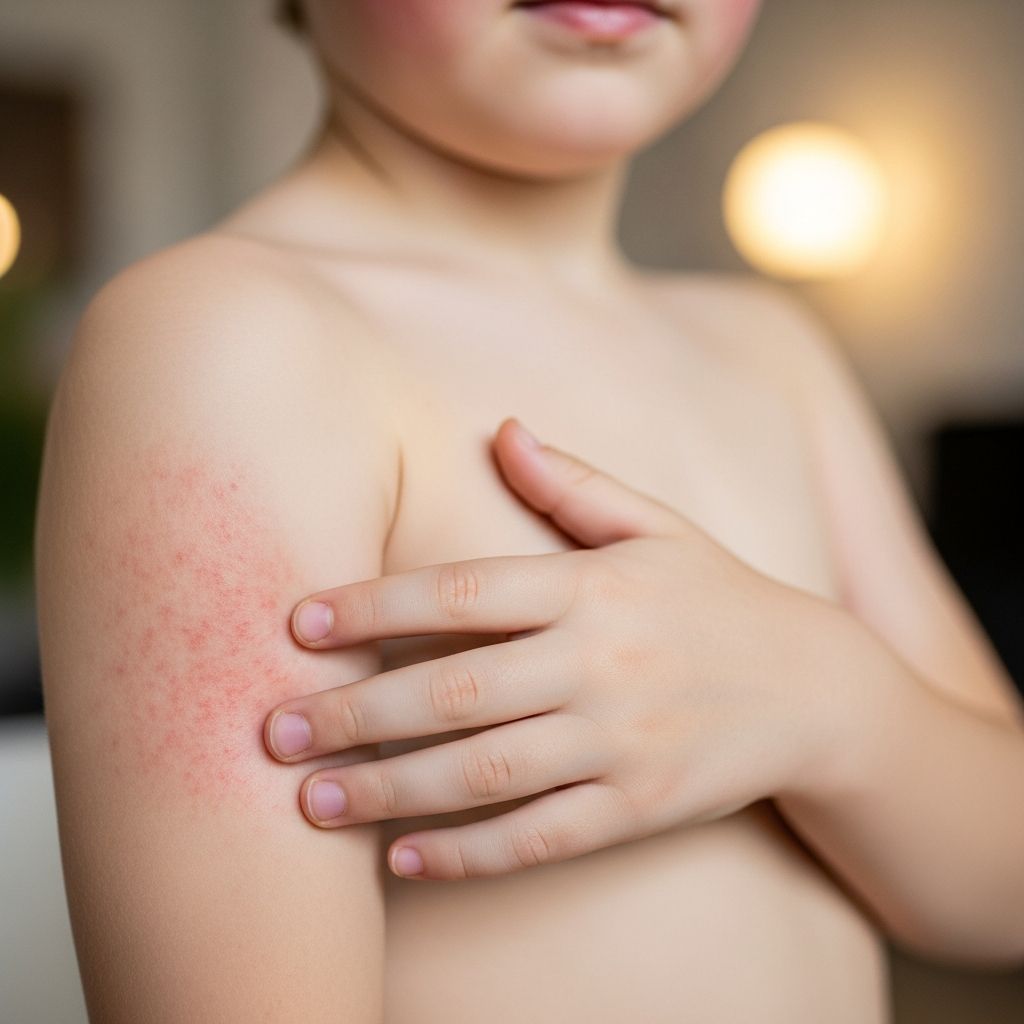
Scarlet fever is a
bacterial throat infection characterized by a distinctive red rash
, high fever, and pharyngitis. Also known as scarlatina, this acute infectious disease is caused by group A streptococcus (GAS) bacteria and most commonly affects school-age and young children. While scarlet fever was once a serious threat to public health, modern antibiotic treatment has made it highly manageable when diagnosed and treated promptly.What Is Scarlet Fever?
Scarlet fever is a type of bacterial throat infection that features the characteristic
scarlet (bright red) rash
that gives the condition its distinctive name. It is caused by the same bacterium responsible for strep throat — group A streptococcus — but the presence of specific toxins produces the notable rash and other systemic symptoms.The disease typically affects young and primary school-aged children, though it can occur in any age group, particularly in crowded environments such as households, schools, and nursing homes. Unlike many infectious diseases, scarlet fever’s prevalence and severity have significantly decreased since the introduction of antibiotics, though cases still occur and proper diagnosis remains essential.
The condition requires prompt medical attention and antibiotic treatment to prevent serious complications and reduce transmission to others. With appropriate care, most patients recover within approximately one week.
Causes and Transmission
Scarlet fever is caused exclusively by
group A streptococcal bacteria
, the same organism responsible for strep throat, impetigo, and other streptococcal infections. These bacteria naturally colonize the nose and throat of infected individuals and are released into the environment through normal respiratory activities.How Scarlet Fever Spreads
Group A streptococcus is transmitted through multiple pathways:
- Respiratory droplets: Coughing and sneezing release infectious droplets that can be inhaled by nearby individuals, making this the most common transmission route.
- Direct contact: Touching or kissing an infected person can transmit the bacteria.
- Contaminated surfaces: Contact with contaminated objects such as cutlery, drinking bottles, or shared utensils.
- Skin lesions: Children can become infected by touching the sores of someone with a streptococcal skin infection.
The incubation period — the time between initial exposure and symptom onset — typically ranges from
2 to 4 days
. This relatively short window makes early identification important for preventing spread within schools and households.Bacterial Toxins and Disease Mechanism
The characteristic rash of scarlet fever results from
streptococcal pyrogenic exotoxins (SPEs)
, also called scarlatina toxins or erythrogenic toxins. These toxins function as superantigens, triggering an amplified immune response. Importantly, modern understanding reveals that the rash develops from adelayed host-acquired hypersensitivity reaction
to these bacterial superantigens, rather than direct toxicity.Interestingly, the scarlet fever rash typically appears only in individuals with prior exposure to group A streptococcus, suggesting pre-sensitization is necessary for rash development. Individuals experiencing their first streptococcal infection may have pharyngitis without the characteristic rash.
Related Stories



Symptoms and Clinical Features
Scarlet fever presents with a constellation of distinctive symptoms that develop after the incubation period:
Primary Symptoms
- Sore throat: A
very red and inflamed throat
is typically the first symptom. - High fever: Elevated body temperature accompanying the throat infection.
- Swollen glands: Enlarged lymph nodes in the neck and throat area.
- General malaise: Fatigue, body aches, and general feeling of illness.
Characteristic Rash
The
sandpaper-like rash
is the hallmark feature of scarlet fever, appearing as fine, raised bumps that feel rough to the touch. This distinctive texture distinguishes it from other infectious rashes. The rash typically:- Appears within 1-2 days of symptom onset
- Begins on the chest and spreads across the body
- Feels like fine sandpaper to the touch
- May include
Pastia lines
— areas of increased rash intensity in skin folds, particularly in the armpits and groin - Shows
circumoral pallor
— a distinctive pale area around the mouth
Strawberry Tongue
Another characteristic feature is the
strawberry tongue
, where the tongue appears red and bumpy, resembling the surface of a strawberry fruit. This distinctive finding develops as the white coating on the tongue sheds, revealing the red inflamed surface beneath.Diagnosis
Diagnosis of scarlet fever combines clinical recognition with laboratory confirmation:
Clinical Diagnosis
GPs and healthcare providers often diagnose scarlet fever based on visual examination of characteristic features, particularly the distinctive rash and strawberry tongue appearance. The combination of pharyngitis with the specific rash pattern strongly suggests scarlet fever.
Confirmatory Testing
While clinical features are suggestive, laboratory confirmation is important:
- Rapid antigen detection test (RADT): A quick throat swab test that identifies group A streptococcus within minutes.
- Throat culture: A more definitive test where a throat swab is cultured to grow the bacteria, typically taking 24-48 hours but providing confirmation.
- Blood tests: May be arranged in some cases to assess the immune response or rule out complications.
The CDC recommends confirming negative rapid antigen tests with throat cultures in symptomatic children aged 3 years and older to avoid missing cases.
Treatment
Antibiotic Therapy
Scarlet fever is treated with
antibiotics, typically penicillin as the first-line treatment
. Specific antibiotic regimens include:- Oral antibiotics: Penicillin V or amoxicillin for a full 10-day course, taken by mouth.
- Intramuscular injection: A single intramuscular dose of penicillin G benzathine for patients unlikely to complete oral antibiotics.
- Alternative antibiotics: Macrolides or clindamycin for patients with penicillin allergies, with consideration for local resistance patterns.
Completing the full course of antibiotics is critical, even if symptoms improve before finishing the medication. Incomplete treatment may not completely eliminate the infection, increasing the risk of serious complications.
Benefits of Prompt Antibiotic Treatment
Initiating appropriate antibiotics quickly provides multiple benefits:
- Shortens symptom duration significantly
- Reduces transmission to close contacts
- Prevents serious complications such as acute rheumatic fever, kidney disease, and pneumonia
- Allows patients to return to normal activities within 24 hours of fever resolution
- Makes patients non-infectious within 24 hours of starting treatment
Supportive Care
Beyond antibiotics, several self-care measures help manage symptoms:
- **Pain relief:** Use ibuprofen or acetaminophen to control fever and minimize throat pain.
- **Fluids:** Drink plenty of cool fluids to maintain hydration.
- **Soft foods:** Eat soft foods if the sore throat makes swallowing difficult.
- **Itch relief:** Use calamine lotion or antihistamine tablets to ease any rash itching.
- **Rest:** Allow adequate rest to support recovery.
Note that aspirin should not be given to children under 16 years old.
Complications
When left untreated, group A streptococcus can spread to other parts of the body and cause serious health problems. Potential complications include:
- Otitis media (middle ear infection)
- Sinusitis
- Pneumonia
- Abscesses in the throat or neck
- Acute rheumatic fever, which can cause permanent heart damage
- Glomerulonephritis (kidney inflammation)
- Toxic shock syndrome in severe cases
- Invasive streptococcal infections and necrotizing fasciitis
Prompt antibiotic treatment significantly reduces the risk of these serious complications. Hospitalization is typically reserved for severe or invasive infections, patients with complications, or those unable to tolerate oral antibiotics.
Return to School and Activities
Children taking antibiotics can return to school after meeting specific criteria: they must have taken antibiotics for at least 12 hours and no longer have a fever. Without antibiotic treatment, patients remain infectious for 2 to 3 weeks, making prompt treatment essential for reducing school absenteeism and community spread.
Frequently Asked Questions
Is scarlet fever still common today?
Scarlet fever is less common than historically due to widespread antibiotic use, but cases still occur, particularly in school-age children and crowded environments. Modern treatment makes serious complications rare when diagnosed promptly.
Can adults get scarlet fever?
While scarlet fever predominantly affects school-age children, it can occur in adolescents and adults, particularly in crowded settings such as military barracks, dormitories, and nursing homes. However, cases in adults are less frequent than in children.
How long is scarlet fever contagious?
With antibiotic treatment, patients become non-infectious within 24 hours of starting medication. Without antibiotics, individuals remain contagious for 2 to 3 weeks, making prompt diagnosis and treatment essential for preventing spread.
Can someone get scarlet fever more than once?
While infection with one strain of group A streptococcus typically provides some immunity, reinfection with different strains is possible. However, repeated scarlet fever is uncommon.
What should I do if I suspect scarlet fever?
Contact a healthcare provider immediately if you or your child develops a sore throat, fever, and characteristic rash. Prompt medical evaluation and testing can confirm diagnosis and initiate antibiotics quickly to prevent complications.
Are there long-term effects of scarlet fever?
When treated promptly with antibiotics, scarlet fever typically resolves without lasting effects. However, untreated scarlet fever can lead to serious complications including acute rheumatic fever, which may cause permanent heart damage, and glomerulonephritis affecting kidney function.
References
- Scarlet fever – symptoms, causes and treatment — Healthdirect Australia. 2024. https://www.healthdirect.gov.au/scarlet-fever
- Scarlet Fever — StatPearls, National Center for Biotechnology Information (NCBI). 2025. https://www.ncbi.nlm.nih.gov/books/NBK507889/
- Scarlet fever – Diagnosis & treatment — Mayo Clinic. 2024. https://www.mayoclinic.org/diseases-conditions/scarlet-fever/diagnosis-treatment/drc-20377411
- Scarlet fever — National Health Service (NHS). 2024. https://www.nhs.uk/conditions/scarlet-fever/
- Scarlet fever – Symptoms & causes — Mayo Clinic. 2024. https://www.mayoclinic.org/diseases-conditions/scarlet-fever/symptoms-causes/syc-20377406
- Clinical Guidance for Scarlet Fever — Centers for Disease Control and Prevention (CDC). 2024. https://www.cdc.gov/group-a-strep/hcp/clinical-guidance/scarlet-fever.html
Similar Articles








Read full bio of Sneha Tete