Scars: Causes, Types and Treatment Options
Understanding scar formation, types, and effective treatment options for improved skin appearance.
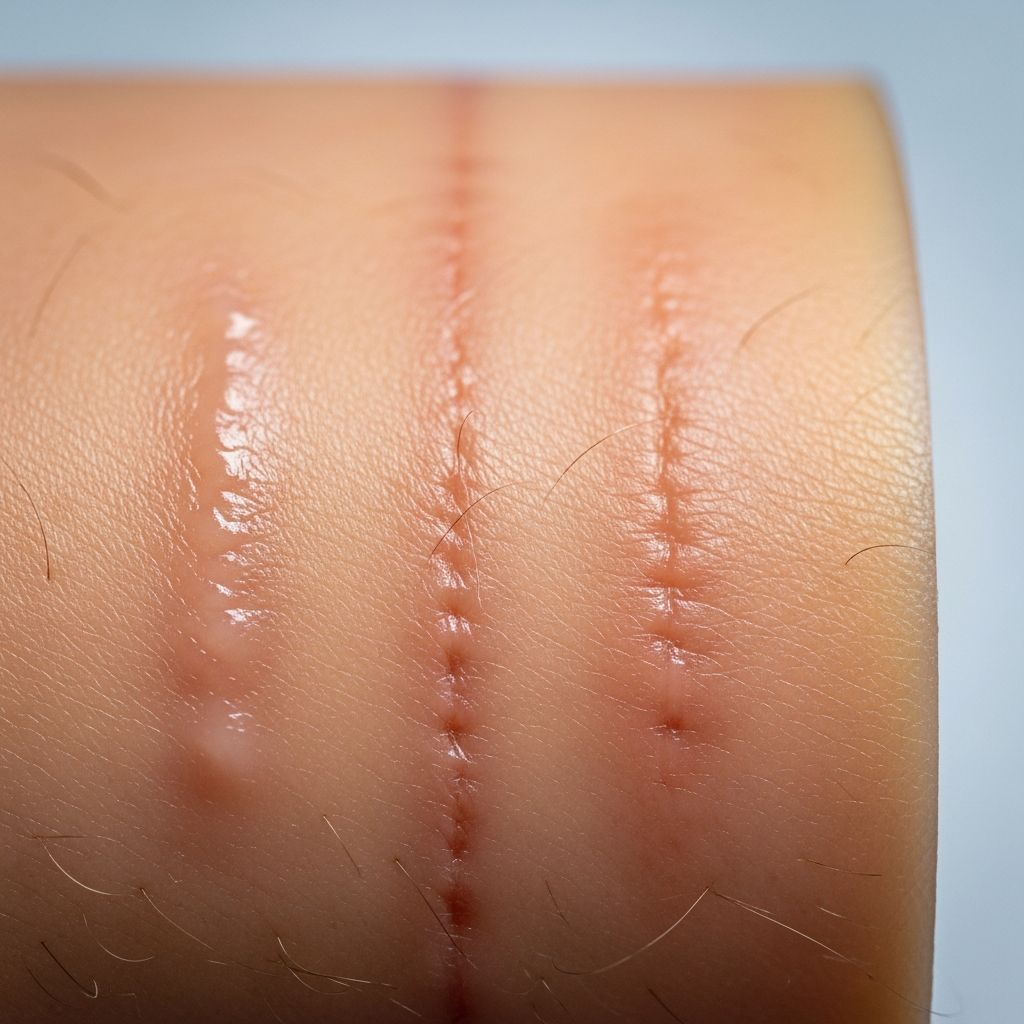
Understanding Scars: Formation and Causes
Scar tissue forms as a natural part of the body’s healing process when damaged skin repairs itself. Scars can result from various sources including injuries, surgery, illness, burns, and acne. When the dermis—the lower level of skin rich in collagen and elastic fibers—is torn, the body produces scar tissue to seal and protect the wound. This is a normal and necessary part of healing, though the resulting scar may look different from the surrounding skin in color, texture, or appearance.
Understanding how scars form helps explain why they develop and why treatment options vary depending on the specific type and characteristics of each scar. The formation process begins immediately after an injury and continues over an extended period as the skin rebuilds itself.
Types of Scars
Not all scars are the same. Different types of scars form depending on the nature of the injury, the location on the body, and individual healing responses. Recognizing the type of scar you have is important for determining the most effective treatment approach.
Hypertrophic Scars
A hypertrophic scar is a thick, raised scar that represents an abnormal response to wound healing. These scars more commonly occur in areas of taut skin following skin trauma, burns, or surgical incisions. Hypertrophic scars are characterized by their raised, thick appearance and may cause discomfort or itching. Unlike keloid scars, hypertrophic scars typically do not grow beyond the original wound boundaries, though they remain noticeably elevated above the surrounding skin surface.
Keloid Scars
A keloid scar is a type of raised scar that forms months to a year after the initial injury. The distinguishing characteristic of keloid scars is that they grow larger than the initial wound itself. Keloids don’t fade over time naturally and continue to grow, making them one of the more challenging scar types to treat. These scars are particularly prone to forming in certain individuals and can occur from minor injuries such as piercings, vaccinations, or small cuts.
Atrophic Scars
Atrophic scars appear as indentations or depressions in the skin, creating a sunken appearance. These scars commonly result from acne, chickenpox, or other conditions that cause loss of skin tissue during the healing process. Unlike raised scars, atrophic scars sit below the level of surrounding skin and may require different treatment approaches to improve their appearance.
Contracture Scars
Contracture scars occur when scar tissue shrinks and tightens, pulling the surrounding skin together. These scars are particularly common after burns and can restrict movement if they form over joints or other areas where flexibility is important. The tightening effect of contracture scars may impair function and mobility in addition to affecting appearance.
Diagnosis of Scars
Most scars can be easily diagnosed through simple observation. You can monitor an area of skin that has healed from an injury to identify scarring. Scars often look darker, lighter, or pinker than the surrounding skin, making them visually distinct. For scars that are causing problems or concern, your healthcare provider will perform a physical examination to evaluate the scar’s characteristics.
Related Stories



During the examination, your provider will assess the scar’s size, texture, and color to determine its type and severity. This evaluation helps guide treatment decisions. In some cases, particularly if the scar continues to worsen or change unexpectedly, a biopsy may be ordered to examine a small piece of the affected skin tissue under a microscope. This additional testing helps rule out other possible conditions and ensure accurate diagnosis.
Scar Treatment Options
Treatment options for scars vary considerably depending on the type, location, size, and how long you’ve had the scar. Most scars need 12 to 18 months to mature, as new scars typically don’t respond well to scar revision treatments. Your healthcare provider will evaluate multiple factors to determine which approach offers the greatest likelihood of success for your specific situation.
Topical Treatments
Topical treatments are applied directly to the skin’s surface and don’t require injections or incisions. These treatments are typically most effective as a wound heals or for mild, newly formed scars. Skin ointments and creams can help soften scar tissue and improve appearance. Many topical options are available over-the-counter, though prescription-strength treatments may also be recommended by your healthcare provider. Topical treatments tend to carry the fewest risks, with mild discomfort or skin irritation such as rashes being the most common side effects.
Injectable Treatments
Injectable treatments involve injections directly into or around the scar tissue. Common types include corticosteroid injections, which can flatten and soften raised scars, and fillers, which can help raise depressed or atrophic scars. These injections work by reducing inflammation, softening scar tissue, or adding volume to sunken areas. Corticosteroid injections are frequently used for hypertrophic and keloid scars to soften the lesion and reduce future growth. Injectable treatments may cause redness, swelling, blistering, and increased sensitivity to sunlight. They may also temporarily change the scar’s color, making it darker than surrounding skin.
Laser Skin Resurfacing
Laser skin resurfacing uses light or heat to stimulate the growth of new skin cells. This treatment removes the top layers of skin to reveal smoother, undamaged skin beneath, which can improve both the color and texture of scars. Laser treatments are often used for abnormal scarring and can be particularly effective for certain types of scars. Benefits include improved skin appearance and reduced scar visibility. However, laser resurfacing can cause swelling, blistering, and skin redness. Like injectable treatments, lasers can also cause increased sensitivity to sunlight and potential color changes in the treated area.
Chemical Peels
Chemical peels work similarly to laser resurfacing by removing the top layers of skin. The procedure uses chemical solutions applied to the skin to promote exfoliation and reveal fresher, smoother skin underneath. Chemical peels are particularly helpful for improving the appearance of surface-level scars and can be combined with other treatments for better results.
Microneedling
Microneedling triggers a controlled wound response that can reduce the appearance of scars by 50-60%. This minimally invasive procedure uses fine needles to create tiny punctures in the skin, stimulating the body’s natural healing response and collagen production. Early intervention with microneedling, as soon as one week after injury or once stitches are removed, can significantly influence how a scar heals.
Surgical Scar Revision
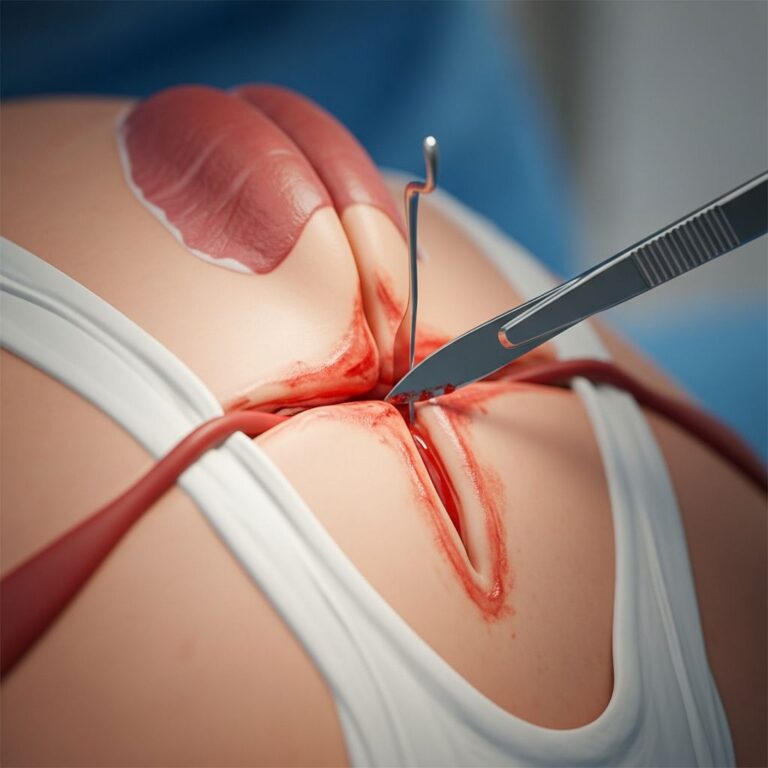
Surgery is sometimes necessary for large, severe scars, especially if they’re causing pain or limiting movement. During scar revision surgery, a surgeon cuts out the scar and then closes the wound with stitches, often using techniques like Z-plasty or W-plasty. These surgical approaches cut the scarred skin into a “Z” or “W” formation, giving that area more movement once it heals. For some severe cases, particularly burns or large injuries, skin grafts may be necessary when there isn’t enough healthy skin to close the wound. A surgeon may use skin from another area of your body for grafting.
Most people need to wait 12 to 18 months after an injury or surgery before undergoing scar revision, allowing the scar to mature and the skin to relax further, reducing tension on the scar. Surgical revision carries the most significant risks, including infection, bleeding, and the possibility that the scar will return or that surgery will cause a new scar to form.
Treatment Timing and Expectations
The timing of scar treatment significantly affects outcomes. Healthcare providers can actually influence how a scar heals if intervention occurs early in the process. You can explore scar-minimization options as early as one week after your injury or as soon as your stitches are removed. Early intervention with procedures such as lasering and microneedling can produce substantial improvements in scar appearance.
However, it’s important to maintain realistic expectations about treatment results. Most scar revision treatments won’t completely remove a scar but rather reduce its appearance. Small or fine scars may fade completely after about a year, though most people will still have some visible scar. Discussing your specific goals with your healthcare provider ensures you understand what results are realistic for your particular scar.
When to Contact Your Healthcare Provider
You should contact your healthcare provider if you notice your scar or the skin around it is:
– Becoming increasingly raised or thickened
– Growing larger than the original wound
– Causing pain or itching that interferes with daily activities
– Showing signs of infection such as increased redness, warmth, or drainage
– Restricting your movement or function
– Changing in appearance or worsening over time
Scar Prevention Strategies
While some scarring is inevitable after injury or surgery, several strategies can help minimize scar formation. Keeping wounds clean and properly covered during healing is essential. Following post-care instructions from your healthcare provider after surgery or injury significantly impacts how well your scar develops. Protecting healing skin from sun exposure helps prevent the scar from becoming darker than surrounding skin. Early consultation with a healthcare provider about scar-minimizing options can make a substantial difference in the final appearance of the scar.
Specialized Scar Types and Their Treatment
Acne Scars
Acne scars result from the inflammation of acne blemishes, where the acne pore swells and the wall of the pore breaks down. These scars commonly present as indentations or pitting in the skin. Treatment options include minor surgical procedures that lift scar tissue closer to the skin surface or break up scar tissue to allow new collagen formation. The treatments used on your face may differ from those used on your back or chest, as your dermatologist will determine what’s best based on scar type and location.
Tummy Tuck Scars
Tummy tuck surgery results in a surgical scar, which can be addressed with various treatments. Skin ointments, injections, and laser resurfacing may reduce the appearance of tummy tuck scars. Some tummy tuck scars, such as hypertrophic or keloid scars, may need surgical treatment. During scar revision, the surgeon removes the scar and closes the wound with stitches. Most people should wait 12 to 18 months after their tummy tuck before undergoing scar revision surgery.
Frequently Asked Questions
Q: How long does it take for a scar to fully mature?
A: Most scars need 12 to 18 months to fully mature. During this time, the scar may continue to fade, flatten, and improve in appearance naturally. New scars typically don’t respond well to revision treatments, which is why waiting for maturation is recommended before pursuing aggressive treatments.
Q: Can scars be completely removed?
A: Most scars cannot be completely removed, but their appearance can be significantly improved with appropriate treatments. Small or fine scars may fade completely after about a year, though most people will still have some visible scarring. Treatment goals focus on reducing appearance rather than complete removal.
Q: Are there risks associated with scar treatments?
A: Yes, risks vary depending on the treatment type. Topical treatments carry the fewest risks, typically causing only mild discomfort or skin irritation. Injectable and laser treatments can cause redness, swelling, blistering, and sensitivity changes. Surgical revision carries the most significant risks, including infection, bleeding, and potential new scar formation.
Q: Can teenagers receive scar treatments?
A: Yes, the same scar treatments used on adults can be used on teenagers. Your dermatologist will determine the most appropriate treatment based on the scar type, location, and individual factors.
Q: When should I seek treatment for my scar?
A: You can explore scar-minimizing options as early as one week after injury or as soon as stitches are removed. Early intervention can significantly influence healing outcomes. However, if your scar is new, your provider may recommend waiting several months for initial healing before pursuing certain treatments.
Q: What’s the difference between hypertrophic and keloid scars?
A: Hypertrophic scars are raised and thick but remain within the boundaries of the original wound. Keloid scars grow larger than the original wound and continue to expand over time. Keloids are generally more difficult to treat and don’t fade naturally.
References
- Scars: Treatment and Cause — Cleveland Clinic. https://my.clevelandclinic.org/health/diseases/11030-scars
- Hypertrophic Scar: What Is It, Causes, Treatment — Cleveland Clinic. https://my.clevelandclinic.org/health/diseases/21466-hypertrophic-scar
- Keloid Scar: What It Is, Symptoms, Treatment & Removal — Cleveland Clinic. https://my.clevelandclinic.org/health/diseases/keloid-scar
- Scar Revision: What It Is, Who Is a Candidate and Treatment Options — Cleveland Clinic. https://my.clevelandclinic.org/health/treatments/24670-scar-revision
- How to Prevent Scarring — Cleveland Clinic Health Essentials. https://health.clevelandclinic.org/how-to-prevent-scarring
- Acne Scars: Causes, Diagnosis, Types & Treatment — Cleveland Clinic. https://my.clevelandclinic.org/health/diseases/21222-acne-scars
Similar Articles








Read full bio of Sneha Tete