Schistosomiasis: Transmission, Symptoms & Treatment
Understanding schistosomiasis: causes, symptoms, diagnosis, and effective treatment options.
Understanding Schistosomiasis: A Comprehensive Overview
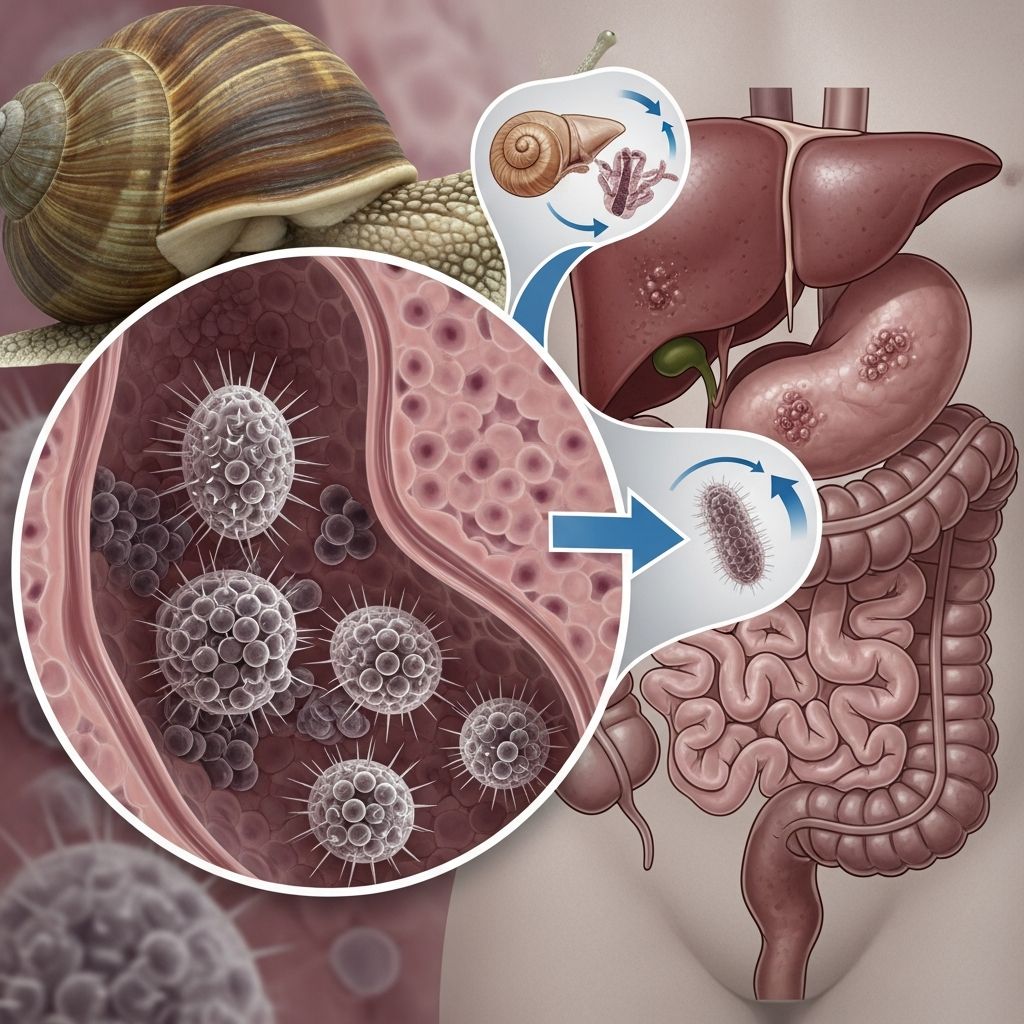
Schistosomiasis is a chronic parasitic infection caused by Schistosoma, a type of parasitic worm that affects millions of people worldwide, particularly in tropical and subtropical regions. This neglected tropical disease represents a significant public health burden in developing nations, with transmission occurring through contact with contaminated freshwater sources. Understanding the transmission mechanisms, recognizing symptoms, and seeking appropriate treatment are essential for managing this disease and preventing long-term complications.
What Causes Schistosomiasis?
The disease is caused by infection with parasitic worms from the Schistosoma genus. Multiple species can infect humans, with Schistosoma haematobium, Schistosoma mansoni, and Schistosoma japonicum being the most common. When an infected person defecates or urinates in water sources, parasitic eggs are released into the environment. These eggs hatch in freshwater, producing larvae that can penetrate human skin during water contact, initiating the infection cycle.
How Is Schistosomiasis Transmitted?
Transmission occurs exclusively through contact with contaminated freshwater containing infected larvae. Common exposure scenarios include:
– Swimming or bathing in contaminated water- Drinking unfiltered water from infected sources- Wading through marshes or irrigation channels- Occupational exposure through farming or fishing activities- Washing clothes in contaminated water
The parasitic larvae can penetrate intact skin within minutes of water exposure. Unlike many waterborne diseases, schistosomiasis transmission is not preventable through boiling or chemical treatment of drinking water alone, as exposure typically occurs during recreational or occupational water contact.
Symptoms and Clinical Presentation
Schistosomiasis symptoms develop in stages, with timing and severity varying based on infection intensity and individual immune response. The disease progresses through distinct phases, each characterized by different clinical manifestations.
Acute Phase Symptoms
The acute phase typically occurs 4 to 6 weeks after initial infection, though many individuals remain asymptomatic initially. When symptoms develop, they often include:
– Fever and chills- Muscle aches and fatigue- Cough and respiratory symptoms- Headaches- Enlarged lymph nodes- Swollen liver and spleen (hepatosplenomegaly)- General malaise and feeling of illness
Swimmer’s Itch and Skin Manifestations
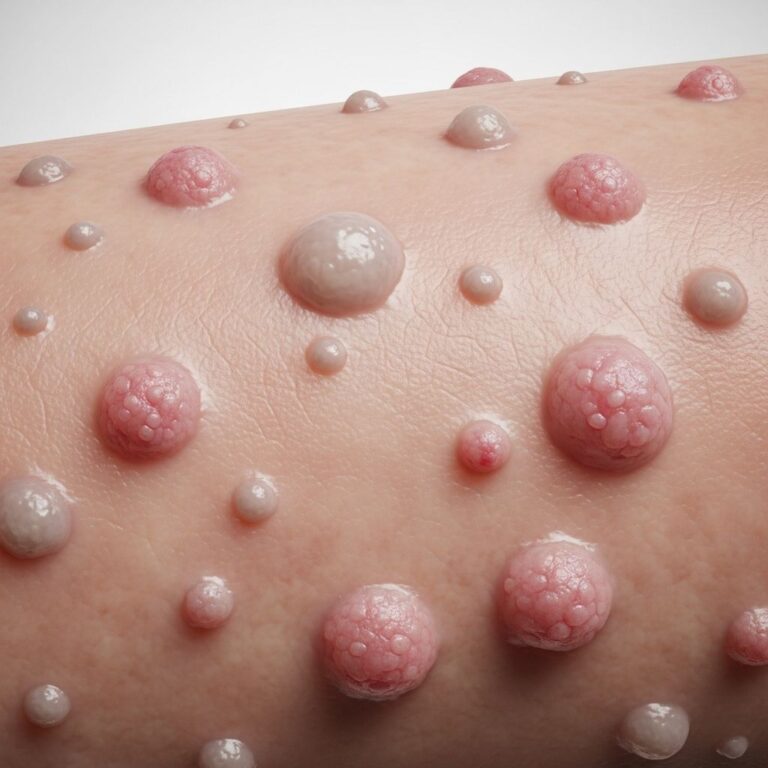
Within 12 hours of infection, some individuals develop cercarial dermatitis, commonly known as “swimmer’s itch.” This allergic skin reaction includes:
– Flat, red rash- Small, raised pimples- Red blisters- Prickling, tingling, burning, or intense itching sensations
Scratching the rash can lead to secondary bacterial infections, making symptom management important. Treatment options include corticosteroid creams, antihistamines, cool compresses, and soothing baths with Epsom salts or baking soda.
Chronic Phase Symptoms
Without treatment, schistosomiasis progresses to chronic infection, with symptoms persisting for years. Chronic manifestations depend on the parasite species and affected organs:
Intestinal Schistosomiasis Symptoms
Intestinal involvement causes digestive complications including:
– Abdominal pain and discomfort- Diarrhea, sometimes bloody- Blood in stool- Loss of appetite- Abdominal distention- Iron-deficiency anemia from blood loss- Protein malnutrition
Related Stories



Urogenital Schistosomiasis Symptoms
Urinary tract involvement produces:
– Hematuria (blood in urine)- Frequent and painful urination- Bladder dysfunction- In women: genital lesions, vaginal bleeding, painful intercourse- In men: blood in semen, prostate and seminal vesicle involvement
Hepatic and Splenic Complications
Advanced chronic infection causes liver and spleen damage:
– Liver enlargement (hepatomegaly)- Spleen enlargement (splenomegaly)- Ascites (abdominal fluid accumulation)- Portal hypertension- Esophageal varices with risk of life-threatening bleeding
Neurological Complications
Rarely, schistosomiasis affects the nervous system, causing:
– Seizures- Severe headaches- Vision problems and visual impairment- Difficulty walking and motor impairment- Spinal cord inflammation causing paralysis- Vertigo and balance disturbances- Altered mental status
Diagnosis of Schistosomiasis
Accurate diagnosis requires clinical correlation with laboratory findings. Diagnostic approaches include:
Laboratory Testing
– Stool or urine microscopy to detect parasitic eggs (gold standard for diagnosis)- Multiple specimens may be necessary for sensitivity- Serological testing to detect antibodies against Schistosoma antigens- Blood tests to assess liver and kidney function- Complete blood count to evaluate for anemia
Imaging Studies
– Ultrasound to assess organ damage- Chest X-rays if pulmonary involvement is suspected- Abdominal imaging for hepatic fibrosis and portal hypertension
Treatment Options
Effective antiparasitic medications can eliminate schistosomiasis infections when diagnosed and treated appropriately. The primary treatment approach involves:
Antiparasitic Medications
Praziquantel is the most effective and widely used treatment, effective against all Schistosoma species. This medication works by causing muscular paralysis in adult worms, leading to their death and elimination from the body. Treatment typically involves a single or limited course of therapy, with dosing adjusted for age and body weight.
Artemisinins, including artemether and artesunate, are alternative medications showing effectiveness particularly against early infections. These drugs are often used in combination with praziquantel for enhanced therapeutic outcomes.
Supportive Care
Complementary management addresses specific complications:
– Iron supplementation for anemia correction- Nutritional support for malnutrition- Anthelmintic medications for concurrent infections- Management of portal hypertension and esophageal varices- Symptomatic treatment for pain and fever
Complications of Untreated Schistosomiasis
Chronic untreated schistosomiasis can cause severe, irreversible complications affecting multiple organ systems:
Organ Damage
Long-term infection causes fibrosis and scarring of affected tissues, potentially leading to:
– Chronic kidney disease and renal failure- Bladder cancer, particularly with Schistosoma haematobium– Cirrhosis and hepatic failure- Pulmonary hypertension and right heart disease- Intestinal strictures and obstruction
Impact on Development and Fertility
In children, chronic schistosomiasis impairs normal development through:
– Growth stunting- Cognitive impairment and learning difficulties- Anemia-related fatigue affecting school attendance- Malnutrition from intestinal blood loss
In adults, particularly women, schistosomiasis can cause infertility and complications in pregnancy. Female genital schistosomiasis affects an estimated 56 million women and girls globally, increasing susceptibility to HIV infection and cervical cancer risk.
Prevention Strategies
Preventing schistosomiasis involves reducing water contact with contaminated sources and controlling transmission:
– Avoiding swimming, wading, or bathing in potentially contaminated freshwater- Using protective clothing or barriers during necessary water exposure- Accessing safe water supplies and sanitation facilities- Proper treatment of wastewater before environmental release- Community education about disease transmission and prevention- Mass drug administration programs in endemic areas
Risk Factors and Vulnerable Populations
Certain populations face elevated schistosomiasis risk due to geographic location and water exposure patterns:
– Children in endemic regions with high infection rates- Occupational groups including farmers, fishermen, and rice workers- Travelers to endemic areas unfamiliar with transmission risks- Communities lacking access to safe water and sanitation- Populations with limited access to diagnostic and treatment services
Global Impact and Public Health Significance
Schistosomiasis represents a major global health burden, affecting over 220 million people in tropical and subtropical regions, primarily in Sub-Saharan Africa. The disease causes significant morbidity through chronic symptoms and complications, impacts child development and educational attainment, and creates substantial economic burden through healthcare costs and lost productivity. Water development projects, agricultural expansion, and inadequate sanitation infrastructure in developing nations perpetuate transmission cycles.
Frequently Asked Questions
Q: How quickly do schistosomiasis symptoms appear after infection?
A: Swimmer’s itch may appear within 12 hours of infection, while systemic symptoms typically develop 4 to 6 weeks after exposure. Some individuals remain asymptomatic during acute infection.
Q: Is schistosomiasis curable?
A: Yes, schistosomiasis is curable with appropriate antiparasitic medication like praziquantel, particularly when diagnosed early. However, damage from chronic infection may be irreversible.
Q: Can schistosomiasis be transmitted person-to-person?
A: No, direct person-to-person transmission does not occur. Infection requires contaminated freshwater exposure with larvae from infected individuals’ waste.
Q: What should I do if I’ve been exposed to contaminated water in an endemic area?
A: Seek medical evaluation 4 to 6 weeks after potential exposure. Inform your healthcare provider about water contact, as diagnostic testing and preventive treatment may be recommended.
Q: Are there vaccines available for schistosomiasis?
A: Currently, no vaccines are approved for human use, though research efforts continue. Prevention relies on avoiding contaminated water and mass treatment programs in endemic areas.
Q: Can pregnant women be treated for schistosomiasis?
A: Treatment decisions during pregnancy require careful consideration. Praziquantel use in pregnancy is generally considered after assessing individual risks and benefits with medical guidance.
References
- Schistosomiasis – Wikipedia — Wikimedia Foundation. 2025-11-15. https://en.wikipedia.org/wiki/Schistosomiasis
- Symptoms of Schistosomiasis — Centers for Disease Control and Prevention (CDC). 2024-08-20. https://www.cdc.gov/schistosomiasis/symptoms/index.html
- Schistosomiasis Information — Mount Sinai Health System. 2024-06-10. https://www.mountsinai.org/health-library/diseases-conditions/schistosomiasis
- Schistosomiasis – Fact Sheets — World Health Organization (WHO). 2024-03-15. https://www.who.int/news-room/fact-sheets/detail/schistosomiasis
- Schistosomiasis: Life Cycle, Diagnosis, and Control — National Center for Biotechnology Information (NIH). 2024-07-22. https://pmc.ncbi.nlm.nih.gov/articles/PMC6658823/
- What is schistosomiasis – and how do we stop it? — Wellcome Trust. 2024-09-12. https://wellcome.org/insights/articles/what-schistosomiasis-and-how-do-we-stop-it
Similar Articles








Read full bio of Sneha Tete