The Science of Sunscreen: Protection Against UV Rays
Understanding sunscreen science: SPF ratings, UV protection, and effective skin cancer prevention strategies.
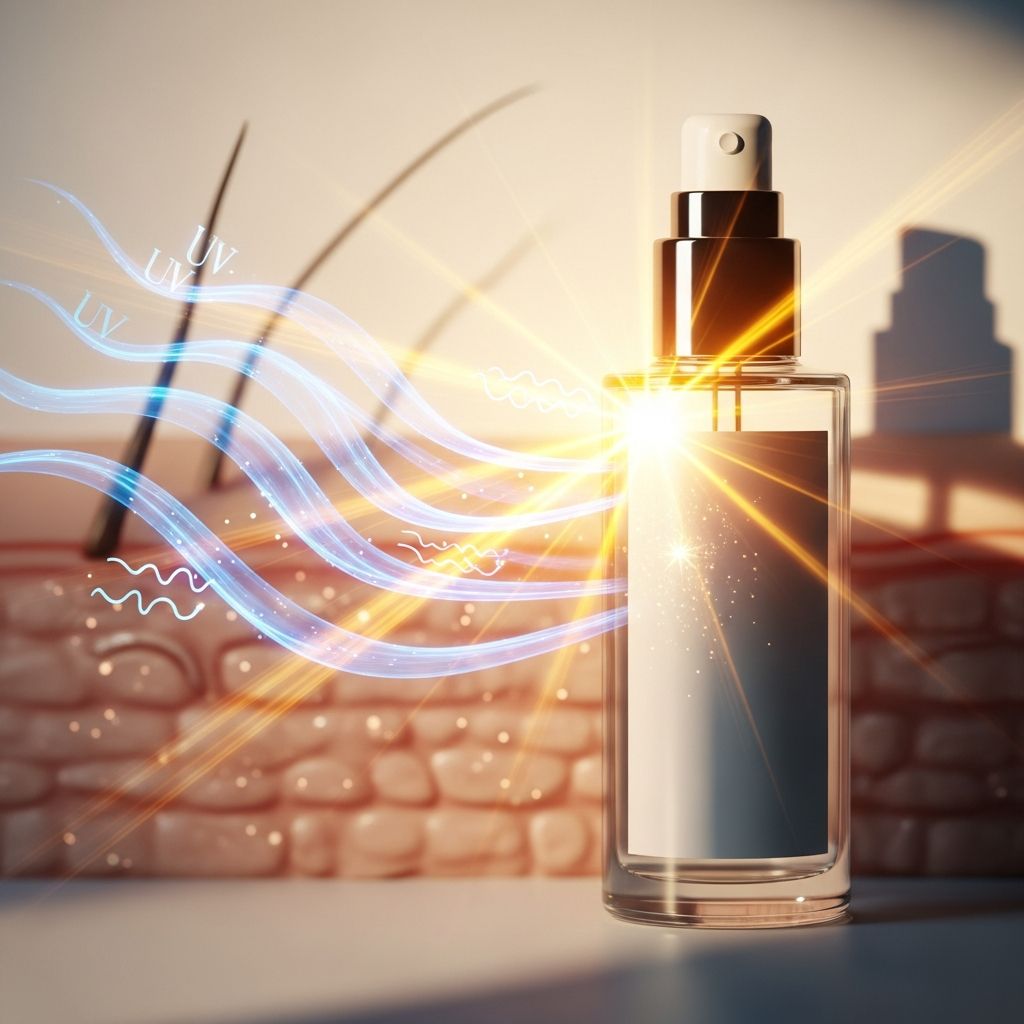
Skin cancer represents the most common form of cancer in the United States, affecting millions of Americans annually. Among the most effective preventive measures available, sunscreen remains a cornerstone of dermatological recommendations for reducing skin cancer risk. Understanding the science behind sunscreen, how it works, and how to use it properly can significantly impact your long-term skin health and cancer prevention strategies.
Understanding SPF and Sun Protection
SPF, or sun protection factor, represents one of the most misunderstood concepts in sun care. SPF specifically measures how effectively a sunscreen protects skin from ultraviolet B (UVB) rays—the type of ultraviolet radiation primarily responsible for sunburn and a major contributor to skin cancer development. SPF indicates how many times longer you can theoretically remain in the sun without burning compared to unprotected skin.
The relationship between SPF numbers and actual protection is not linear. SPF 30 provides approximately 97% protection against UVB rays, while SPF 50 offers approximately 98% protection. This means increasing SPF from 30 to 50 provides only marginal additional protection—roughly one additional percentage point. Importantly, no sunscreen product provides 100% protection against UVB radiation. Most Americans now favor SPF 30 or higher products, which reflects dermatological recommendations for adequate protection.
The Limitations of SPF Numbers
While SPF ratings guide consumer choices, they represent only part of the sun protection equation. SPF measurements occur under controlled laboratory conditions using specific amounts of sunscreen applied to test subjects. In real-world scenarios, most people apply significantly less sunscreen than used in testing, reducing actual protection levels. Additionally, sunscreen requires reapplication every two hours, or more frequently after swimming or sweating, to maintain advertised protection levels.
UVA Protection and International Standards
Beyond UVB protection, ultraviolet A (UVA) rays pose significant health risks. UVA radiation penetrates deeper into the skin, contributing to premature aging, wrinkles, and skin cancer development. However, UVA protection standardization remains inconsistent, particularly in the United States.
Research comparing American sunscreens to European and Asian formulations reveals concerning disparities. A 2017 laboratory study evaluating 20 U.S. sunscreens (SPF 15–100+) found that only 55% met European Union-recommended UVA protection standards. This suggests that U.S. products may provide weaker protection against UVA rays compared to international alternatives. The discrepancy stems from differing regulatory frameworks—the FDA has not approved certain superior UVA-filtering ingredients available in European and Asian markets, creating a protection gap for American consumers.
Evidence for Sunscreen Effectiveness
The most compelling evidence supporting sunscreen’s cancer prevention benefits comes from rigorous clinical research. A landmark randomized trial conducted in Australia—where melanoma rates rank among the highest globally—enrolled more than 1,600 people at high melanoma risk. Participants were randomly assigned to either daily SPF 15 sunscreen use or discretionary sunscreen use over a 10-year period.
Results demonstrated substantial differences between groups. The discretionary-use group experienced 22 new primary melanomas and 11 invasive melanomas. Conversely, the daily-use group developed only 11 primary melanomas and 3 invasive melanomas. This 50% reduction in melanoma incidence represents powerful evidence for daily sunscreen application’s protective effects. Additional Australian studies showed squamous cell carcinoma reductions of approximately 40% in consistent sunscreen users.
Related Stories



Physical Versus Chemical Sunscreens
Sunscreen products fall into two primary categories: physical (mineral) and chemical formulations. Physical sunscreens contain active ingredients like titanium dioxide or zinc oxide, which work by reflecting and scattering UV rays away from skin. These minerals sit atop the skin surface, providing immediate protection upon application.
Chemical sunscreens utilize organic compounds such as avobenzone or bemotrizinol (BEMT), which absorb UV radiation and convert it into heat that dissipates from the skin. These formulations typically offer more elegant cosmetic profiles, absorbing into skin without visible residue. Many dermatologists recommend physical sunscreens, particularly for sensitive skin types or facial use, though both categories provide effective protection when formulated and applied properly.
Addressing Chemical Safety Concerns
Misconceptions about sunscreen safety, particularly regarding chemical ingredients, circulate widely through social media. However, scientific evidence definitively establishes that sunscreen does not cause skin cancer. The distinction between “physical” and “chemical” sunscreens sometimes creates confusion—all sunscreen components, including minerals, represent chemical compounds at the molecular level. A more accurate classification distinguishes between organic (carbon-based) and inorganic (mineral) ingredients.
While some individuals express concerns about endocrine-disrupting chemicals in certain sunscreen formulations, the established benefits of sun protection significantly outweigh theoretical risks for the general population. Pregnant women, young children, and individuals with specific chemical sensitivities should discuss personalized sun protection strategies with healthcare providers.
Sunlight, Vitamin D, and Health Balance
An important scientific consideration involves balancing skin cancer prevention with vitamin D synthesis. UVB radiation enables human skin to synthesize vitamin D, the “sunshine vitamin” utilized by virtually all cell types in the body. Research has associated vitamin D deficiency with multiple sclerosis, osteoporosis, and various cancers including colon, breast, prostate, and digestive tract malignancies.
Achieving vitamin D sufficiency through sun exposure remains complex, particularly at higher latitudes and during winter months. Between November and March at northern latitudes, the sun’s angle through the atmosphere filters sufficient UVB radiation that even light-skinned individuals produce minimal vitamin D. Equatorial regions and high-altitude locations receive more consistent vitamin D-producing UV exposure year-round.
The relationship between sun exposure, vitamin D levels, and cancer risk suggests nuance in sun protection messaging. While sunburn represents a completely preventable melanoma risk factor requiring rigorous avoidance, modest sun exposure may provide vitamin D benefits. Some experts recommend balancing sun protection with adequate vitamin D intake through dietary sources, supplements, or controlled sun exposure during appropriate times of day.
Proper Sunscreen Application and Reapplication
Sunscreen efficacy depends critically on proper application technique. Laboratory testing uses approximately 2 mg of sunscreen per square centimeter of skin—roughly one-quarter teaspoon per face. Most people apply significantly less, reducing protective effectiveness. Proper sunscreen application requires:
- Applying generous amounts to all exposed skin surfaces
- Allowing 15 minutes for absorption before sun exposure
- Reapplying every two hours or immediately after swimming
- Using sunscreen in combination with protective clothing and shade-seeking
- Applying year-round, not just during summer months
Consistent application and reapplication represent the most critical factors for sunburn prevention—the most modifiable risk factor for melanoma development.
Comprehensive Sun Protection Strategy
While sunscreen provides crucial protection, comprehensive sun safety incorporates multiple strategies. Seeking shade during peak UV hours (10 AM to 4 PM), wearing protective clothing, wide-brimmed hats, and UV-blocking sunglasses significantly reduce overall exposure. Recognizing that sun protection remains highly personal—varying based on skin type, genetics, family history, and medical conditions—enables individualized approaches to sun safety.
For individuals with darker skin tones, melanin provides natural UVB protection, reducing vitamin D synthesis efficiency compared to lighter-skinned individuals. This represents an evolutionary adaptation, as lighter-skinned individuals likely survived northward migration due to enhanced vitamin D production capability. However, darker-skinned individuals still develop skin cancer and require sun protection, though at lower rates than lighter-skinned populations.
Emerging Research and Future Directions
Sunscreen science continues evolving. The FDA’s pending approval of bemotrizinol (likely late 2025 or early 2026) will expand available UVA-protective options in the U.S. market. Ongoing research explores optimal vitamin D supplementation levels, the precise relationship between sun exposure and systemic health outcomes, and formulations offering superior protection with improved cosmetic elegance and safety profiles.
International collaboration and harmonized standards could help American consumers access superior UVA-protective formulations currently available in Europe and Asia, potentially narrowing the protection gap identified in recent studies.
Frequently Asked Questions
Q: Does sunscreen cause skin cancer?
A: No. There is no scientific evidence that wearing sunscreen causes skin cancer. The sun causes most skin cancers, and sunscreen has been proven to reduce melanoma risk by approximately 50% when used daily.
Q: How often should I reapply sunscreen?
A: Sunscreen should be reapplied every two hours, or immediately after swimming, sweating heavily, or toweling off. Proper reapplication maintains the protective benefits established during initial application.
Q: Is SPF 50 significantly better than SPF 30?
A: SPF 30 provides 97% UVB protection while SPF 50 provides approximately 98% protection. The additional protection is minimal, so consistent application of SPF 30 matters more than occasionally using SPF 50.
Q: Can I get enough vitamin D from sunscreen use?
A: Sunscreen blocks UVB radiation needed for vitamin D synthesis. If concerned about vitamin D levels, discuss supplementation or dietary sources with your healthcare provider rather than relying on sun exposure.
Q: Are mineral sunscreens safer than chemical ones?
A: Both mineral and chemical sunscreens offer effective protection when properly formulated. Many dermatologists recommend mineral sunscreens for sensitive skin or facial use, but individual preference and skin type should guide selection.
Q: Do darker-skinned individuals need sunscreen?
A: Yes. While melanin provides natural UVB protection, individuals with darker skin still develop skin cancer and benefit from sunscreen use, particularly for prevention of premature aging and non-melanoma skin cancers.
References
- Skin Cancer Prevention Expert on the Importance of Sunscreen — Harvard T.H. Chan School of Public Health. 2024. https://hsph.harvard.edu/news/skin-cancer-prevention-expert-on-the-importance-of-sunscreen/
- Too Much Sunscreen? — Harvard Magazine. 2005-09. https://www.harvardmagazine.com/2005/09/too-much-sunscreen-html
- Sunscreen Safety: The Facts — The Skin Cancer Foundation. 2024. https://www.skincancer.org/blog/sunscreen-safety/
- Why a Harvard Scientist Skips Sunscreen for Natural Sun Protection — Ruan Living. 2024. https://www.ruanliving.com/blog/harvard-scientist-natural-sun-protection-without-sunscreen
Similar Articles








Read full bio of medha deb