The Science of Tears: Functions and Eye Health
Discover the vital roles of tears in protecting your eyes, from lubrication to infection defense, and learn how imbalances lead to common vision issues.
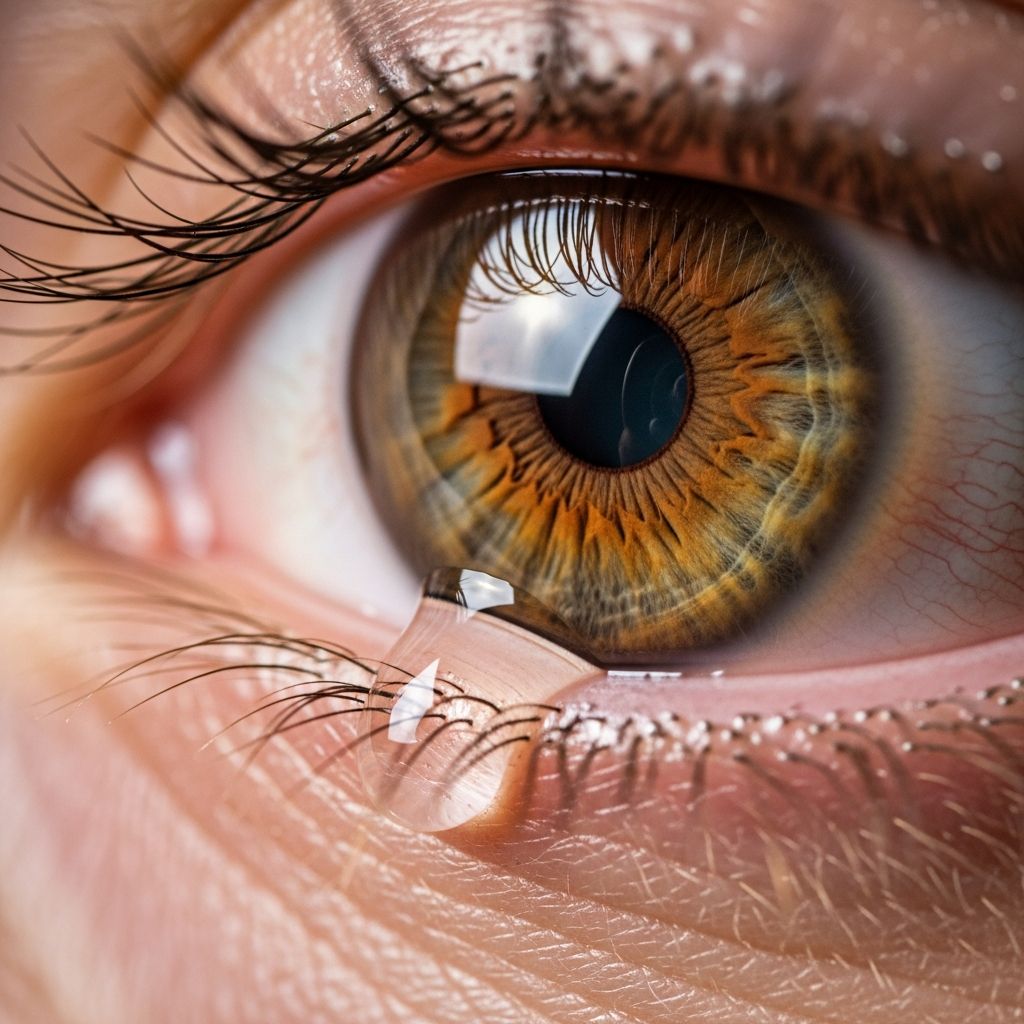
Tears serve as the eye’s natural defense system, providing lubrication, protection, and nourishment through a sophisticated multi-layered film. This transparent fluid, produced by specialized glands, maintains clear vision and ocular comfort while warding off infections and environmental threats.
Understanding the Tear Film’s Layered Composition
The tear film is not a simple liquid but a dynamic structure with three distinct layers that work in harmony to coat the eye’s surface. Each layer contributes unique properties essential for eye health.
- Lipid (Outer) Layer: Produced by meibomian glands in the eyelids, this oily coating prevents rapid evaporation of tears, ensuring prolonged moisture. Dysfunction here, often due to aging or inflammation, leads to unstable tears and dry eye symptoms.
- Aqueous (Middle) Layer: Comprising about 95% of the tear volume, this water-based layer is secreted by the lacrimal glands. It delivers nutrients to the cornea, flushes out debris, and contains antimicrobial agents like lysozymes and antibodies.
- Mucin (Inner) Layer: Secreted by goblet cells on the conjunctiva, mucins create a sticky foundation that anchors the tear film to the eye’s hydrophobic surface, promoting even spread and reducing friction during blinks.
Over 1,500 proteins have been identified in human tears via advanced analysis, including growth factors for healing and enzymes for pathogen defense.
Categories of Tears and Their Unique Roles
Human eyes produce different tears based on stimuli, each with tailored compositions to address specific needs. These categories ensure constant protection and adaptive responses.
| Tear Type | Trigger | Primary Function | Key Components |
|---|---|---|---|
| Basal Tears | Constant, low-level secretion | Lubrication and baseline protection | Water, salts, proteins, lipids |
| Reflex Tears | Irritants like onions, dust, smoke | Flush out harmful substances | Higher enzymes, antibodies |
| Emotional Tears | Strong feelings (joy, sorrow) | Possible stress relief via hormone excretion | Stress hormones, proteins |
Basal tears maintain daily moisture at a rate of 0.5–2.2 µL/min, while reflex tears can surge up to 100-fold in response to threats. Emotional tears may contain elevated levels of stress-related biochemicals, potentially aiding emotional regulation.
How the Lacrimal Functional Unit Orchestrates Tear Production
Tear secretion is regulated by the lacrimal functional unit (LFU), a network including glands, nerves, and immune components. Sensory nerves detect surface changes, like cooling between blinks via TRPM8 receptors, triggering precise responses from lacrimal, meibomian, and goblet cells.
This system ensures tear composition remains balanced with ions, proteins, and lipids for optimal optical clarity and comfort. Blinking distributes tears evenly, while drainage via puncta prevents overflow.
Critical Protective Mechanisms of Tears
Beyond lubrication, tears actively safeguard eyes through multiple biological processes.
- Antimicrobial Defense: Lysozymes break down bacterial cell walls, while antibodies neutralize pathogens.
- Wound Healing: Growth factors and proteins promote epithelial repair after injury.
- Optical Smoothing: The tear film refracts light properly, minimizing blur from dry spots.
- Anti-Inflammatory Action: Components suppress excessive immune responses and scavenge free radicals.
Tears also transport metabolites and maintain osmolarity, with albumin aiding ion balance across species.
Disruptions in Tear Dynamics: Causes and Symptoms
Imbalances in tear production or quality lead to conditions like dry eye disease, affecting millions worldwide. Key culprits include:
Related Stories



- Meibomian gland dysfunction, altering lipid quality and causing evaporation.
- Reduced lacrimal output from aging, medications, or autoimmune issues.
- Mucin deficiency from goblet cell loss, impairing adhesion.
Symptoms range from grittiness and burning to blurred vision and light sensitivity. Chronic instability triggers inflammation cycles, damaging the ocular surface.
Strategies to Support Healthy Tear Function
Maintaining tear health involves lifestyle adjustments and medical interventions.
- Stay hydrated and use humidifiers to combat dry environments.
- Follow the 20-20-20 rule: every 20 minutes, look 20 feet away for 20 seconds.
- Incorporate omega-3 rich foods to bolster meibomian secretions.
- Avoid prolonged screen time and irritants like smoke.
For severe cases, artificial tears, punctal plugs, or prescription anti-inflammatories restore balance.
Advanced Insights from Tear Biochemistry
Recent proteomic studies reveal tears as a biomarker-rich fluid, mirroring systemic health. Lipids, carbohydrates, electrolytes, and hormones enable pathogen resistance and surface stability. In veterinary comparisons, protein profiles vary by species, highlighting evolutionary adaptations.
The gel-forming mucin MUC5AC dominates the mucus layer, with membrane-associated mucins like MUC16 forming the glycocalyx for barrier integrity.
FAQs on Tears and Eye Protection
Why do my eyes tear up around onions?
Reflex tears activate to dilute and remove sulfur compounds released by onions, preventing corneal irritation.
Can emotional crying benefit health?
Possibly, as these tears excrete stress hormones like leucine enkephalin, potentially reducing tension.
How does screen time affect tears?
Reduced blinking during digital use destabilizes the tear film, accelerating evaporation and causing dryness.
What role do allergies play in tear issues?
Allergens trigger reflex tearing and inflammation, disrupting LFU regulation and leading to unstable films.
Are artificial tears a long-term solution?
They provide symptomatic relief but address underlying causes like gland dysfunction for best results.
Tears exemplify nature’s engineering, blending chemistry and neurology for unwavering eye defense. Disruptions underscore the need for proactive care to preserve this vital system.
References
- Biological Functions of Tear Film — National Center for Biotechnology Information (PMC). 2020-09-11. https://pmc.ncbi.nlm.nih.gov/articles/PMC7483968/
- Functions of Tears and How They Work — Otsuka Pharmaceutical Co., Ltd. (Official health resource). Accessed 2026. https://www.otsuka.co.jp/en/health-and-illness/dry-eye/functions-of-tears/
- How Tears Work — National Eye Institute (NIH, .gov). Accessed 2026. https://www.nei.nih.gov/eye-health-information/healthy-vision/how-eyes-work/how-tears-work
- The Power of Tears — Southern Eye Care (official clinic page). Accessed 2026. https://www.southerneyecare2020.com/the-power-of-tears/
- What Are Tears Made Of? Types of Tears — Cleveland Clinic (official health resource). Accessed 2026. https://my.clevelandclinic.org/health/body/tears
Similar Articles








Read full bio of medha deb