Sclera: Structure, Function & Eye Health
Understand the sclera's vital role in eye protection, structure, and vision.
Understanding the Sclera: Your Eye’s Protective Shield
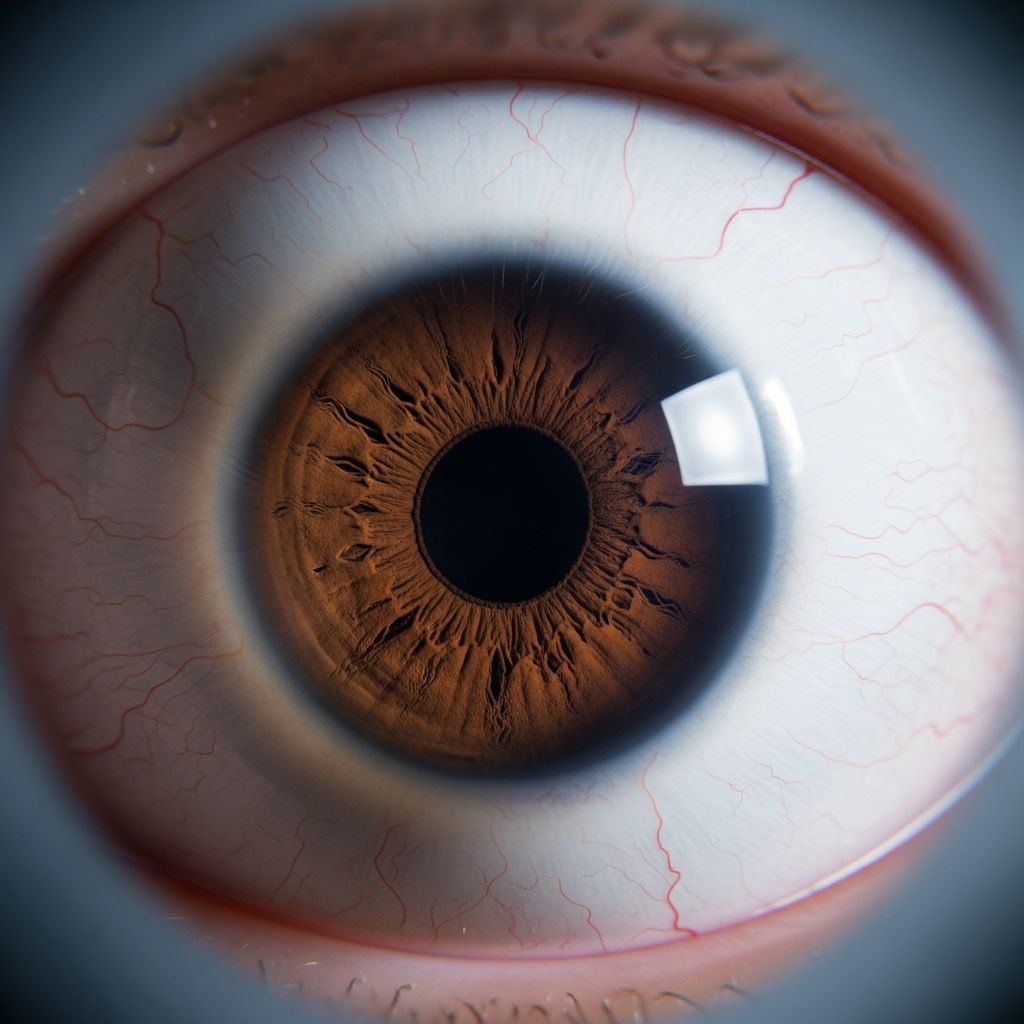
The sclera is the white part of your eye that plays a crucial role in maintaining your vision and protecting the delicate structures within your eyeball. This fibrous tissue covers approximately 85% of the outer surface of the eye, extending from the cornea to the optic nerve at the back of your eye. While the sclera may seem like a simple white covering, it is actually a complex, multi-layered structure with significant responsibilities in maintaining eye health and vision quality. Understanding the anatomy and function of the sclera can help you appreciate how your eyes work and recognize when something may be wrong.
What Is the Sclera?
The sclera is the tough, fibrous outer coat of the eyeball that forms the structural foundation of your eye. It is primarily composed of dense connective tissue made up of collagen fibers, which gives it its characteristic white appearance and strength. The sclera is visible to others as the “white of your eye” and is covered by a transparent membrane called the conjunctiva, which protects it and keeps the eye moist. This protective layer works continuously to maintain the eye’s health and prevent external particles from damaging the delicate internal structures.
The sclera is not a uniform structure but rather consists of multiple layers, each with distinct characteristics and functions. The arrangement of collagen fibers in the sclera is not parallel, which is why it appears white rather than clear like the cornea. This dense, fibrous composition makes the sclera an ideal protective barrier for the sensitive photoreceptive cells and other critical structures housed within the eye.
Anatomy and Structure of the Sclera
The sclera is composed of four distinct layers, each contributing to its protective and structural functions. Understanding these layers provides insight into how the eye maintains its integrity and functionality.
The Four Layers of the Sclera
The sclera comprises four specialized layers that work together to provide protection and structural support:
Episclera
The episclera is the outermost layer of the sclera, composed of clear, thin tissue that rests directly on top of the white part of the eyeballs. This layer is connected to the Tenon capsule and serves as a transitional zone between the sclera and the surrounding tissues. The episclera is relatively loose and allows for flexibility and movement of the eye.
Stroma
The stroma is the thickest layer of the sclera and is made up of tough collagen fibers and fibroblasts. This layer provides the structural strength that gives the sclera its characteristic firmness and white appearance. The stroma is continuous with the stroma layer of the cornea, creating a seamless transition between these two protective tissues. The dense collagen fiber network in the stroma is responsible for the sclera’s ability to withstand intraocular pressure and mechanical stress.
Lamina Fusca
The lamina fusca is a transitional layer that bridges the sclera and the internal structures of the eye, including the iris, choroid, and ciliary body. This layer is composed of elastic fibers that provide flexibility and help maintain the structural integrity of the eye. The lamina fusca allows the sclera to work in harmony with the internal vascular structures of the eye.
Endothelium
The endothelium is the innermost layer of the sclera and is composed of a very thin cell layer. This layer is also found on the cornea and helps regulate the internal environment of the eye. The endothelium acts as a barrier between the sclera and the internal structures of the eye, maintaining proper fluid balance and nutrient distribution.
Related Stories



Key Functions of the Sclera
The sclera serves multiple critical functions that are essential for maintaining eye health and enabling clear vision. These functions work together to create a protective and supportive environment for the eye’s sensitive internal structures.
Protection
The primary function of the sclera is to act as a protective shield for the internal components of the eye. Its rugged connective tissue guards the vital structures responsible for producing a clear image from external injury, debris, and environmental damage. The sclera covers five-sixths of the eyeball’s surface, with only the cornea occupying the remaining one-sixth. This extensive coverage ensures that most of the eye’s delicate internal structures are well-protected from trauma and foreign objects.
Structural Support
The sclera functions like a surrounding wall that holds and maintains the shape of the eyeball. Without the structural integrity provided by the sclera, the eye would lose its spherical shape and be unable to focus light properly on the retina. The sclera maintains the eye’s shape while supporting the maintenance of intraocular pressure by providing resistance for the vitreous and aqueous humors, the fluids that fill the eye. This structural support is essential for maintaining optimal optical properties and preventing vision problems.
Attachment Surface for Muscles
The sclera provides attachment points for the six extraocular muscles that control eye movement and allow you to look in different directions. These muscles are anchored to the sclera through strong tendons, and when they contract, they pull on the sclera to move the eye. The sclera essentially serves as a hard surface board into which the muscles that control eye motility are inserted, enabling precise and coordinated eye movements.
Cooperation with Other Structures
The sclera works cooperatively with the cornea to help focus light onto the retina, which is essential for clear vision. Additionally, the sclera actively adapts its shape in response to signals from the retina. When the retina receives a blurry image, a signal is sent to the scleral tissue, which then expands or contracts to nudge the retina into a better position for receiving a clear picture. This dynamic responsiveness demonstrates the remarkable adaptive capabilities of the sclera.
Location of the Sclera in the Eye
The sclera is located on the outside of the eye and extends from the cornea anteriorly to the optic nerve posteriorly. It forms the bulk of the visible white part of your eye when looking in a mirror. The sclera is continuous from the cornea, creating a seamless protective covering that surrounds the iris and the internal structures of the eye. Beneath the sclera lies the uvea, a highly vascular layer that supplies blood and nutrients to various parts of the eye, including the ciliary body, iris, and choroid.
The Sclera and the Conjunctiva: Understanding the Difference
While the sclera and conjunctiva work together to protect your eye, they are distinct structures with different compositions and functions. The sclera is the tough, fibrous white tissue that provides structural support and protection. The conjunctiva, by contrast, is a thin, clear mucous membrane that covers the sclera and the inside of the eyelids. The conjunctiva secretes mucus and tears to lubricate the eyes, keeping them moist and comfortable. Together, these two structures create multiple layers of protection for the eye, with the conjunctiva acting as a lubricating barrier and the sclera providing structural support and protection from injury.
Common Conditions Affecting the Sclera
Several conditions can affect the sclera and impact your eye health and vision. Understanding these conditions can help you recognize symptoms and seek appropriate medical care when necessary.
Jaundice
Jaundice is a condition in which the sclera takes on a yellow appearance due to elevated levels of bilirubin in the bloodstream. This condition typically indicates liver dysfunction or problems with bile flow. The yellowing of the sclera is often one of the first visible signs of jaundice and can alert healthcare providers to investigate liver function.
Scleritis
Scleritis is an inflammation of the sclera that can cause pain, redness, and vision problems. This condition is often associated with autoimmune diseases and requires prompt medical attention to prevent complications and preserve vision. Scleritis can range from mild inflammation to severe disease affecting the deep layers of the sclera.
Blue Sclera
Blue sclera refers to a bluish discoloration of the whites of the eyes, often associated with connective tissue disorders such as osteogenesis imperfecta. This condition occurs when the sclera is thinner than normal, allowing the underlying vascular structures to show through, creating a blue appearance. Blue sclera can be a sign of an underlying genetic or connective tissue disorder requiring further investigation.
Ocular Melanosis
Ocular melanosis is a condition characterized by increased pigmentation in the sclera, resulting in a brownish or darkened appearance. This condition can be benign or associated with increased risk of eye melanoma, and it should be monitored regularly by an eye care professional.
Caring for Your Sclera and Eye Health
Protecting your sclera and maintaining overall eye health involves several practical steps that you can incorporate into your daily routine.
Wear Protective Eyewear
Protect your eyes from injury and UV damage by wearing appropriate eyewear in various situations. Use protective goggles during sports, when working with power tools, or in environments where eye injury is possible. Additionally, wear UV-protective sunglasses when spending time outdoors to shield your sclera and other eye structures from harmful ultraviolet radiation.
Practice Good Hygiene
Maintain proper eye hygiene to prevent infections and irritation that could affect the sclera and surrounding tissues. Wash your hands before touching your eyes, avoid sharing eye makeup or contact lenses, and clean your contact lenses according to the prescribed schedule. These simple practices can significantly reduce your risk of eye infections and associated complications.
Schedule Regular Eye Examinations
Book regular eye tests with your eye care professional to monitor your eye health and detect any problems early. During these examinations, your eye care provider can assess the health of your sclera and screen for conditions that may affect your vision or overall health. Early detection of eye conditions can often lead to more effective treatment and better outcomes.
The Role of the Sclera in Vision
The sclera plays an integral but often overlooked role in maintaining clear vision. By maintaining the eye’s spherical shape and providing structural support, the sclera ensures that light is focused properly on the retina. The sclera’s ability to dynamically adjust its shape in response to signals from the retina further contributes to visual clarity. Additionally, the attachment points that the sclera provides for the extraocular muscles enable precise eye movements, allowing you to follow objects smoothly and direct your gaze to areas of interest.
Understanding Eye Anatomy: The Bigger Picture
While the sclera is a critical component of eye anatomy, it works in conjunction with many other structures to enable vision. The cornea, lens, retina, optic nerve, and various supporting muscles and glands all play important roles in visual function. The sclera provides the structural framework and protective environment in which these other components can function optimally. Understanding how the sclera fits into the larger context of eye anatomy can help you appreciate the remarkable complexity of the visual system and the importance of protecting your eyes from injury and disease.
Frequently Asked Questions About the Sclera
Q: Why is the sclera white?
A: The sclera appears white because it is composed of dense connective tissue with collagen fibers that are not parallel in orientation. This arrangement of fibers scatters light in a way that produces the white appearance. The lack of parallel alignment, unlike in the cornea, results in opacity rather than transparency.
Q: What percentage of the eye does the sclera cover?
A: The sclera covers approximately 85% of the outer tunic of the eyeball, with the cornea accounting for the remaining surface area. More specifically, the sclera covers five-sixths of the eyeball’s surface, providing extensive protection for the internal structures.
Q: Can the sclera be damaged?
A: Yes, the sclera can be damaged by trauma, injury, or disease. Injuries to the sclera can lead to serious complications, including vision loss. This is why wearing protective eyewear during activities that pose a risk of eye injury is important.
Q: How does the sclera maintain eye pressure?
A: The sclera maintains intraocular pressure by providing structural resistance to the vitreous and aqueous humors, the fluids that fill the eye. The sclera’s strong fibrous composition prevents these fluids from over-expanding the eye while allowing for the slight pressure variations necessary for healthy eye function.
Q: What should I do if I notice yellowing of the sclera?
A: Yellowing of the sclera can indicate jaundice or other systemic health issues and should be evaluated by a healthcare professional promptly. Schedule an appointment with your primary care physician or eye care provider to determine the underlying cause and receive appropriate treatment.
Q: How can I keep my sclera healthy?
A: You can keep your sclera healthy by wearing protective eyewear, practicing good eye hygiene, protecting your eyes from UV damage, and scheduling regular eye examinations. Maintaining overall health and managing chronic conditions can also support eye health.
References
- Understanding the Parts of the Eye — The Blind Bibliophile. 2024. https://theblindbibliophile.com/understanding-the-parts-of-the-eye/
- Sclera: Anatomy, Function, and Related Eye Problems — Oscar Wylee. 2024. https://www.oscarwylee.com.au/glasses/eye/anatomy/sclera
- Eye Anatomy Explained by Experts — Cannon EyeCare. 2024. https://seattleeyecaredoctor.com/eye-anatomy-101/
- Eyeball: Structure, Function & Muscles — Britannica. 2024. https://www.britannica.com/science/eyeball
- Anatomy of the Eye — Cleveland Eye Clinic. 2024. https://clevelandeyeclinic.com/2024/02/23/anatomy-of-the-eye/
Similar Articles








Read full bio of Sneha Tete