Scleritis: Causes, Symptoms, Diagnosis & Treatment
Understanding scleritis: A comprehensive guide to this rare eye inflammation condition.
What Is Scleritis?
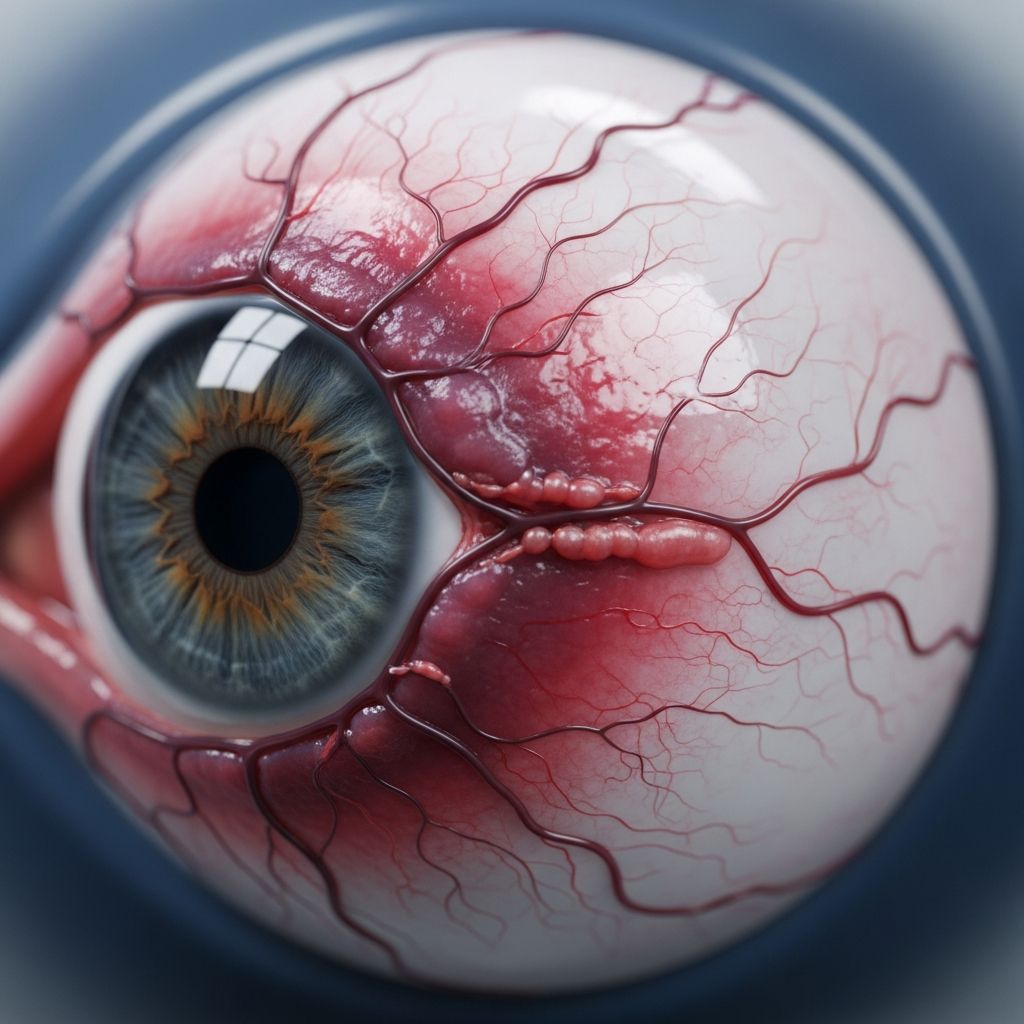
Scleritis is a rare but serious inflammatory condition that affects the sclera, which is the white part of your eyeball. The sclera is a tough, fibrous tissue that forms the outer protective layer of the eye. When inflammation develops in this tissue, it can cause significant pain, vision problems, and potentially serious complications if left untreated. The condition typically requires prompt medical attention and referral to an ophthalmologist for proper diagnosis and management.
This condition is relatively uncommon, with an incidence of approximately 3.4 to 4.1 cases per 100,000 person-years. Despite its rarity, scleritis represents a significant health concern because it can lead to vision loss and may indicate underlying systemic disease. The severity of scleritis ranges from mild inflammation to severe forms that can threaten your eyesight.
Who Gets Scleritis?
Scleritis most commonly affects middle-aged people, typically those in their fourth to sixth decades of life. The condition shows a gender predisposition, occurring more frequently in women than in men. While it can affect one eye or both eyes, bilateral involvement is not uncommon.
One important characteristic of scleritis is its strong association with systemic inflammatory conditions. Approximately 36 to 44 percent of scleritis cases are linked to underlying autoimmune or inflammatory diseases. The most common systemic condition associated with scleritis is rheumatoid arthritis (RA). Other systemic diseases that may accompany scleritis include:
- Granulomatosis with polyangiitis (GPA)
- Relapsing polychondritis (RP)
- Inflammatory bowel disease (IBD)
- Lupus erythematosus
- Sarcoidosis
- Behçet’s syndrome
This association underscores the importance of comprehensive evaluation when scleritis is diagnosed, as the eye inflammation may be the first manifestation of a more serious systemic condition.
Types of Scleritis
Scleritis is classified into two main categories based on location and presentation: anterior scleritis and posterior scleritis.
Anterior Scleritis
Anterior scleritis accounts for approximately 90 percent of all scleritis cases. This form affects the sclera of the front part of the eye, making the inflammation visible during examination. The visible redness and swelling make anterior scleritis relatively easier to diagnose compared to posterior forms. Anterior scleritis can be further subdivided into non-necrotizing and necrotizing forms.
Necrotizing anterior scleritis is a particularly severe variant that occurs in approximately 15 percent of anterior scleritis cases. In this form, the scleral tissue undergoes necrosis and melts away, sometimes without causing significant pain—which can lead to delayed diagnosis. Necrotizing scleritis poses a substantial threat to vision and often requires aggressive treatment to prevent permanent damage.
Posterior Scleritis
Posterior scleritis represents approximately 10 percent of scleritis cases and affects the sclera of the back part of the eye. Because the inflammation occurs behind the visible portion of the eye, the front surface may appear relatively normal, making diagnosis considerably more challenging. Specialized diagnostic instruments and imaging techniques are typically required to confirm posterior scleritis.
Related Stories



Symptoms and Signs
Scleritis presents with a characteristic set of symptoms that often prompt patients to seek urgent medical care. The condition typically begins gradually, but symptoms can be quite severe.
Primary Symptoms
The hallmark symptom of scleritis is deep, aching pain in the affected eye. This pain is often described as more severe than typical eye discomfort and can be incapacitating. The pain may spread beyond the eye itself, radiating to the brow region or even to the jaw. Many patients report that the pain is so severe it disrupts sleep patterns and significantly impacts quality of life.
Other common symptoms include:
- Photophobia (extreme sensitivity to light)
- Blurred or decreased vision
- Visible redness and swelling of the eye
- Tearing
- Eye discharge
Clinical Signs
Upon examination, healthcare providers may observe a characteristic reddish-purple discoloration of the sclera, particularly in the area of inflammation. The appearance of the eye often reflects the severity of the underlying inflammation. In necrotizing scleritis, areas of tissue thinning or actual loss may be visible, sometimes revealing the underlying uveal layer beneath.
Diagnosis of Scleritis
Diagnosing scleritis requires a comprehensive clinical approach combining patient history, physical examination, and sometimes additional testing.
Clinical Examination
Your eye care provider will perform a detailed slit lamp examination to visualize the inflammation and assess its extent. For posterior scleritis, specialized imaging such as B-scan ultrasonography may be necessary to visualize the inflammation at the back of the eye that isn’t visible during standard examination.
Patient History Assessment
A thorough history is essential, including a complete review of systems. Your healthcare provider will ask about:
- Presence or absence of sinus disease (which might indicate GPA or sarcoidosis)
- Oral or genital ulcers (suggesting IBD or Behçet’s syndrome)
- Shortness of breath (potentially indicating sarcoidosis)
- Neuropathy and rashes (associated with GPA or sarcoidosis)
- History of joint pain or arthritis
- Recent infections or systemic illnesses
Laboratory Testing
When systemic disease is suspected, laboratory tests may include:
- Complete blood count (CBC)
- Acute phase reactants (such as C-reactive protein and erythrocyte sedimentation rate)
- Serum creatinine (to assess kidney function)
- Antineutrophilic cytoplasmic antibodies (ANCA) testing
- Urinalysis
- Rheumatoid factor and anti-citrullinated peptide antibody (in cases with joint symptoms)
Potential Complications
Untreated or inadequately managed scleritis can lead to serious ocular complications, particularly in necrotizing and posterior forms. Potential complications include:
- Peripheral ulcerative keratitis (inflammation and erosion of the cornea)
- Significant vision loss or blindness
- Ocular perforation (a hole in the eye wall)
- Uveitis (inflammation of the uveal tract)
- Cataracts
- Glaucoma (elevated intraocular pressure)
- Anterior segment ischemia
Beyond ocular complications, scleritis can be a manifestation of life-threatening systemic disease, making comprehensive evaluation essential.
Treatment Options
The treatment of scleritis aims to alleviate pain, reduce inflammation, prevent vision loss, and address any underlying systemic disease. Treatment approaches vary based on severity and associated conditions.
First-Line Therapy
Nonsteroidal anti-inflammatory drugs (NSAIDs) are typically the first-line treatment for anterior non-necrotizing scleritis. These medications help reduce inflammation and pain when administered orally. Topical corticosteroid eye drops may also be prescribed as adjunctive therapy.
Immunosuppressive and Systemic Therapy
For more severe cases, particularly necrotizing and posterior scleritis, more aggressive treatment is required. Options include:
- Systemic corticosteroids to suppress inflammation
- Conventional synthetic disease-modifying antirheumatic drugs (csDMARDs) such as methotrexate, azathioprine, or mycophenolate
- Biologic therapies, including anti-TNF agents (such as infliximab, rituximab, and tocilizumab)
- Alkylating agents like cyclophosphamide for severe cases with perforation risk
Treatment of Underlying Disease
When scleritis is associated with systemic conditions like rheumatoid arthritis or inflammatory bowel disease, managing the underlying disease is crucial. The American Uveitis Society recommends anti-TNF agents as second-line corticosteroid-sparing therapy for chronic and severe scleritis, especially in diseases such as rheumatoid arthritis, Behçet’s syndrome, and inflammatory bowel disease.
Coordinated Care Approach
Effective management of scleritis often requires coordination between multiple specialists. Close communication between ophthalmology and rheumatology is particularly important, as rheumatologists play a key role in managing immunosuppressive therapy and monitoring for systemic disease progression. This multidisciplinary approach optimizes treatment outcomes and helps prevent serious complications.
When to Seek Emergency Care
Scleritis is considered a serious condition requiring urgent evaluation and treatment. Patients experiencing severe eye pain, vision changes, or signs of eye inflammation should seek immediate ophthalmologic consultation. Emergency referral is recommended in all cases of scleritis to ensure proper diagnosis and initiation of appropriate treatment before vision-threatening complications develop.
Prognosis and Long-Term Management
With appropriate and timely treatment, many patients with scleritis can achieve good outcomes and preserve vision. However, the prognosis depends on several factors, including the type of scleritis, the presence of necrotizing disease, associated systemic conditions, and how quickly treatment is initiated.
Long-term management typically involves regular ophthalmologic follow-up to monitor for disease activity and treatment response. Patients with associated systemic diseases require ongoing rheumatologic care alongside ophthalmologic management. Compliance with prescribed medications and regular appointments is essential to prevent complications and preserve vision.
Frequently Asked Questions
Q: Is scleritis contagious?
A: No, scleritis is not contagious. It is an inflammatory condition caused by the body’s immune response, not by infectious agents.
Q: Can scleritis cause permanent vision loss?
A: Yes, untreated or severe scleritis, particularly necrotizing forms, can cause permanent vision loss. This makes prompt diagnosis and treatment crucial.
Q: How long does it take to treat scleritis?
A: Treatment duration varies depending on severity and individual response. Some cases may resolve within weeks with appropriate therapy, while others require months of treatment and ongoing management.
Q: Will I need systemic medications for scleritis?
A: Most cases of scleritis require systemic anti-inflammatory or immunosuppressive medications. Your ophthalmologist will determine the appropriate treatment based on severity and associated conditions.
Q: Can scleritis recur?
A: Yes, scleritis can recur, particularly if underlying systemic disease is not adequately controlled. Regular follow-up care helps detect and manage recurrence promptly.
Q: What is the difference between scleritis and episcleritis?
A: Episcleritis affects the episclera, a superficial tissue layer covering the sclera, and is generally less severe and less painful than scleritis. Scleritis involves the sclera itself and typically causes more severe symptoms.
References
- Scleritis – Clinical Management Guidelines — College of Optometrists. https://www.college-optometrists.org/clinical-guidance/clinical-management-guidelines/scleritis
- Recognizing Noninfectious Autoimmune Scleritis — Cleveland Clinic Consult QD. https://consultqd.clevelandclinic.org/recognizing-noninfectious-autoimmune-scleritis
- Scleritis: Inflammation, Symptoms, Treatment — Britannica. https://www.britannica.com/science/scleritis
Similar Articles








Read full bio of medha deb