Scleritis Causes: 3 Main Triggers And What To Watch
Discover the root causes of scleritis, from autoimmune disorders to infections, and learn how early detection can safeguard your vision.
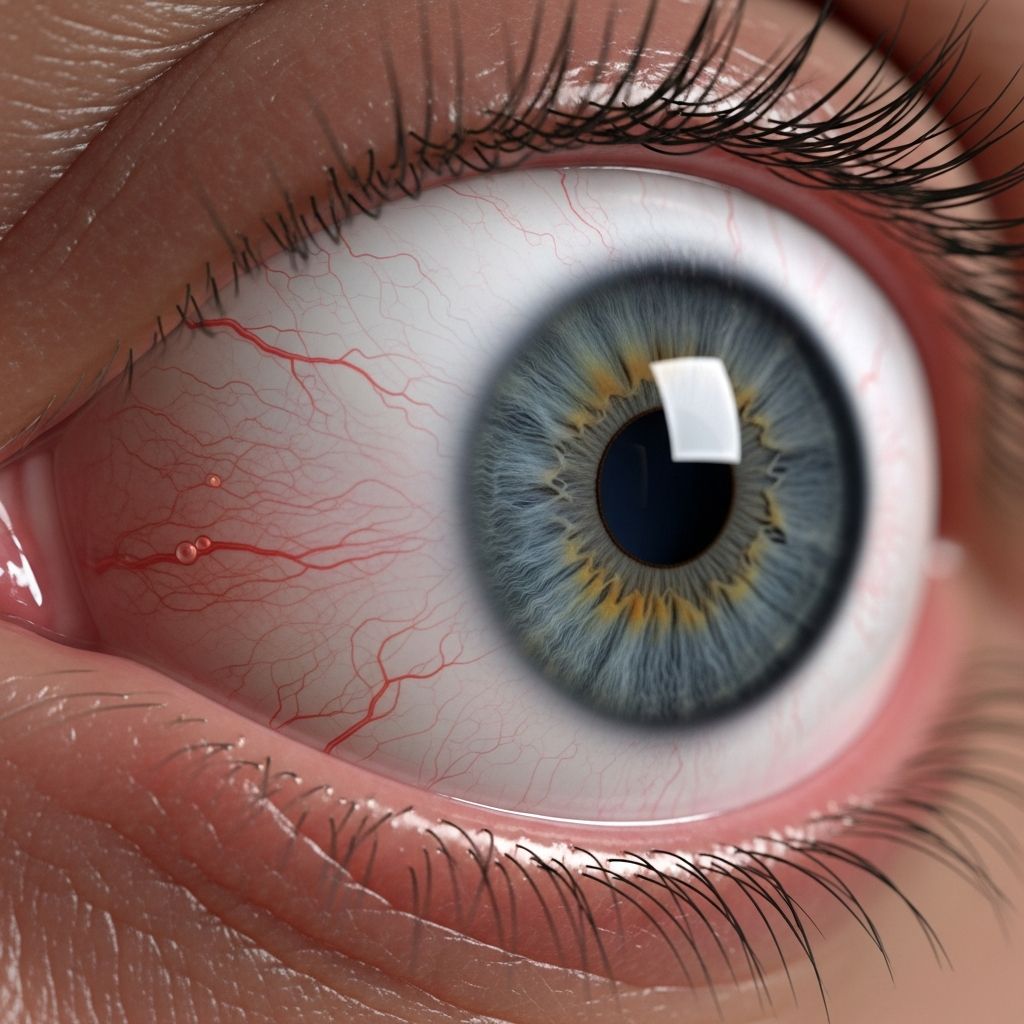
The inflammation known as scleritis targets the sclera, the tough white outer layer of the eyeball, leading to significant discomfort and potential vision threats if not addressed promptly. This condition demands attention due to its frequent connection to broader health issues, making comprehensive understanding essential for effective management.
Understanding the Sclera and Its Vulnerability
The sclera forms a protective shell around most of the eye, providing structural integrity and shape while safeguarding internal components like the retina and choroid. Unlike the transparent cornea at the front, the sclera’s opaque nature maintains eye pressure and movement capabilities. When inflammation strikes this layer, it disrupts these functions, often signaling deeper systemic problems.
Scleritis differs markedly from milder conditions such as conjunctivitis or episcleritis. While conjunctivitis involves surface irritation with itchiness and discharge, scleritis penetrates deeper, causing profound aching pain that intensifies with eye movement. Episcleritis, affecting the layer atop the sclera, typically resolves without intervention, whereas scleritis requires medical oversight to avert complications like tissue thinning or vision loss.
Primary Triggers Behind Scleritis
Scleritis rarely occurs in isolation; approximately one-third of cases link to underlying systemic diseases, particularly autoimmune disorders where the immune system erroneously attacks ocular tissues. Rheumatoid arthritis stands as the most prevalent association, followed by conditions like lupus, Sjogren’s syndrome, scleroderma, and inflammatory bowel disease. These illnesses provoke chronic inflammation that extends to the eye.
Infectious agents also contribute, including bacterial, fungal, or parasitic invasions, though less commonly. Eye trauma or surgical complications can initiate scleritis by breaching the sclera’s defenses. In some instances, no clear cause emerges, termed idiopathic scleritis, but vigilance for hidden triggers remains crucial.
- Autoimmune Links: Rheumatoid arthritis (most common), systemic lupus erythematosus, granulomatosis with polyangiitis.
- Infectious Causes: Tuberculosis, herpes zoster, fungal pathogens in immunocompromised individuals.
- Traumatic Factors: Physical injury, post-surgical inflammation.
Distinct Forms of Scleritis and Their Characteristics
Scleritis manifests in several forms, each with unique implications for progression and treatment. Anterior scleritis predominates, comprising about 90% of cases, and subdivides into diffuse, nodular, and necrotizing variants. Diffuse anterior scleritis presents widespread redness and swelling across the sclera’s front, often responding favorably to therapy. Nodular anterior scleritis features localized, tender elevations on the sclera, signaling more persistent inflammation.
Necrotizing scleritis represents the gravest subtype, where scleral tissue deteriorates, potentially exposing underlying choroid and risking perforation. This form correlates strongly with systemic vasculitides and demands aggressive intervention to preserve sight. Posterior scleritis, affecting the sclera’s rear, evades easy visual detection, frequently causing retinal detachment or elevated intraocular pressure alongside severe pain.
| Type | Location | Key Features | Risk Level |
|---|---|---|---|
| Anterior Diffuse | Front sclera | Widespread redness, moderate pain | Moderate |
| Anterior Nodular | Front sclera | Tender nodules, persistent inflammation | Moderate-High |
| Necrotizing | Front sclera | Tissue melting, vision threat | High |
| Posterior | Rear sclera | Hidden inflammation, retinal issues | High |
Recognizing Warning Signs Early
Patients often report a deep, boring pain that worsens at night or with ocular motion, radiating to the forehead, jaw, or face, severe enough to disrupt sleep. Photophobia renders bright lights intolerable, while excessive tearing and blurred vision compound discomfort. The sclera may appear deeply violaceous rather than the superficial pink of conjunctivitis, with possible thinning revealing uveal show.
Related Stories



In posterior cases, symptoms mimic other posterior segment disorders, underscoring the need for imaging. Bilateral involvement occurs in up to half of recurrent episodes, heightening urgency for systemic evaluation. Prompt recognition distinguishes scleritis from mimics, enabling timely intervention.
Diagnostic Approaches for Confirmation
Diagnosis hinges on a meticulous slit-lamp examination revealing scleral edema, engorged deep vessels, and tenderness. Intraocular pressure assessment and funduscopy detect secondary complications like glaucoma or serous detachments. Ultrasound or B-scan proves invaluable for posterior involvement, visualizing scleral thickening.
Systemic workup is imperative, encompassing blood tests for rheumatoid factor, ANA, ANCA, and inflammatory markers. Imaging such as CT or MRI rules out contiguous spread, while biopsy may confirm necrotizing cases linked to vasculitis. Collaborative care with rheumatologists ensures holistic management.
Treatment Strategies to Alleviate Inflammation
Therapy targets inflammation suppression, pain relief, and underlying disease control. Nonsteroidal anti-inflammatory drugs like oral ibuprofen suffice for mild anterior cases, but corticosteroids—topical, oral, or periocular injections—form the mainstay for moderate severity. Immunosuppressants such as methotrexate or biologics address refractory or necrotizing forms.
Severe cases necessitate hospitalization for high-dose steroids and close monitoring. Surgical interventions, including scleral patching or tectonic grafts, repair structural defects in advanced necrosis. Long-term follow-up mitigates recurrences, which plague up to 50% of patients.
- First-Line: NSAIDs for pain and mild inflammation.
- Escalation: Systemic corticosteroids, immunosuppressants.
- Supportive: Cycloplegics for ciliary spasm, lubricants for surface protection.
Potential Complications and Long-Term Outlook
Untreated scleritis risks corneal ulceration, cataract formation, glaucoma, and retinal detachment, culminating in irreversible blindness. Necrotizing variants pose the highest threat, with up to 30% vision loss rates. Early treatment markedly improves prognosis, especially when addressing systemic drivers.
Recurrence rates hover around 30-50%, often signaling uncontrolled autoimmunity. Regular monitoring preserves function, with multidisciplinary teams optimizing outcomes for those with comorbidities.
Prevention and Risk Reduction Measures
Individuals with autoimmune diseases should undergo routine ophthalmologic screening to detect subclinical scleritis. Prompt treatment of infections and trauma minimizes secondary risks. Lifestyle measures like UV protection and smoking cessation may indirectly benefit inflammatory control.
Awareness empowers high-risk groups—middle-aged women, rheumatoid patients—to seek care for persistent eye pain, averting progression.
Frequently Asked Questions (FAQs)
What distinguishes scleritis from pink eye?
Scleritis induces deep, severe pain and violaceous redness, contrasting pink eye’s superficial itchiness and discharge. Scleritis threatens vision; pink eye rarely does.
Can scleritis resolve without treatment?
No, self-resolution is unlikely; medical intervention prevents complications like vision loss.
Is scleritis contagious?
Non-infectious scleritis is not; only rare infectious forms pose transmission risk.
How long does recovery take?
Varies from weeks for mild cases to months for severe, with potential lifelong management.
Does scleritis always indicate systemic disease?
About 50% link to systemic issues; idiopathic cases exist but warrant investigation.
References
- Scleritis – College of Optometrists — College of Optometrists. 2023. https://www.college-optometrists.org/clinical-guidance/clinical-management-guidelines/scleritis
- Understanding Scleritis — ReFocus Eye Health. 2024. https://hamden.refocuseyedoctors.com/article/understanding-scleritis/
- Scleritis – StatPearls — NCBI Bookshelf. 2023-10-01. https://www.ncbi.nlm.nih.gov/books/NBK499944/
- Scleritis: Symptoms, Causes, & Treatment — WebMD. 2024. https://www.webmd.com/eye-health/scleritis-facts
- Scleritis: What It Is, Causes, Symptoms & Treatment — Cleveland Clinic. 2023-11-15. https://my.clevelandclinic.org/health/diseases/24975-scleritis
- Scleritis: A Quick Guide — Review of Optometry. 2019-06. https://www.reviewofoptometry.com/CMSDocuments/2019/06/ScleritisGuide.pdf
Similar Articles








Read full bio of medha deb