Scleritis: Diagnosis and Treatment Guide
Comprehensive insights into identifying scleritis through targeted tests and implementing effective therapies for optimal eye health.
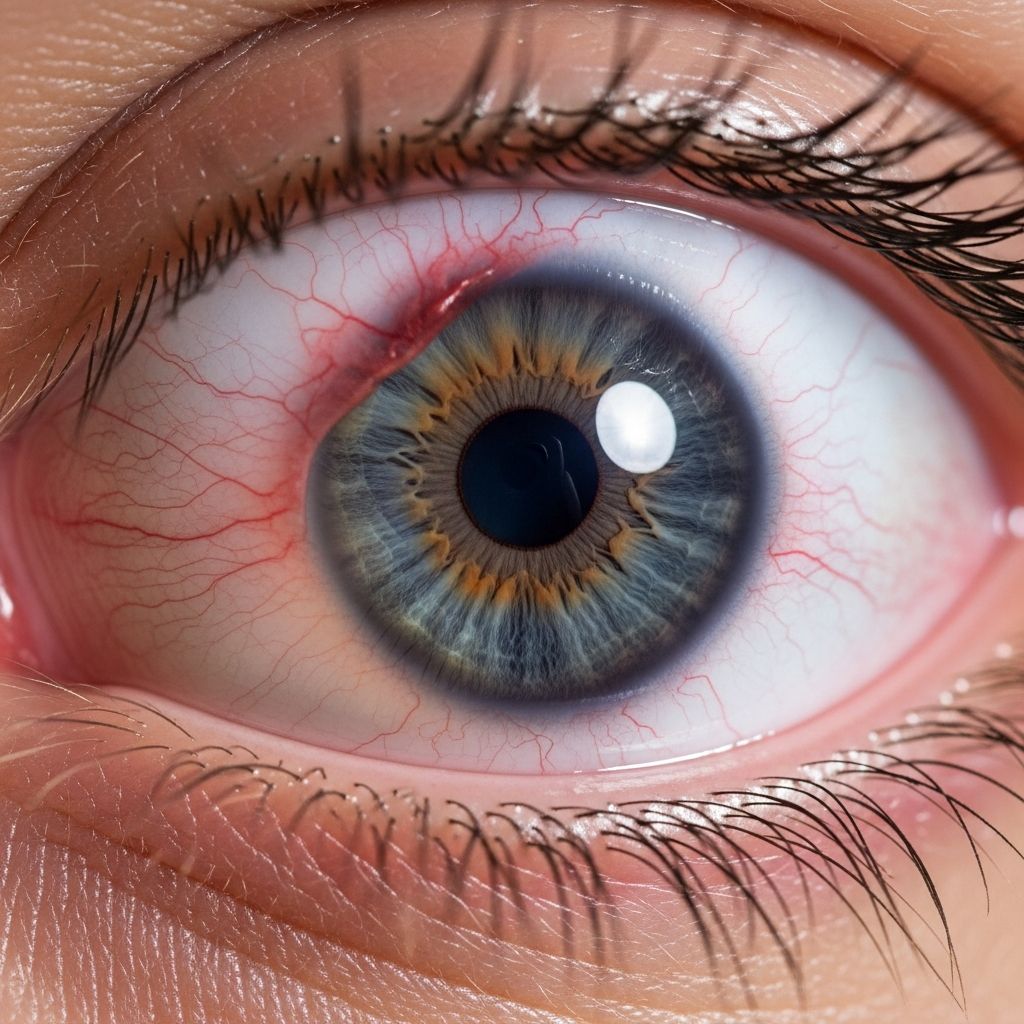
Scleritis represents a severe inflammatory condition of the sclera, the white outer layer of the eye, often linked to systemic diseases and requiring prompt medical intervention to safeguard vision.
Understanding the Nature of Scleritis
The sclera provides structural support to the eyeball, and its inflammation leads to profound discomfort and potential complications. Unlike superficial irritations, scleritis penetrates deeper tissues, manifesting as intense pain that worsens with eye movement or at night. This condition affects adults predominantly, with women facing higher risks, particularly those with autoimmune disorders like rheumatoid arthritis.
Primary forms arise idiopathically or from infections, while secondary scleritis stems from underlying rheumatologic issues, making holistic evaluation crucial. Early recognition prevents progression to necrosis or perforation, emphasizing the need for specialized ophthalmic care.
Recognizing Key Symptoms
Patients typically report a boring, aching pain radiating to the periocular region, accompanied by violaceous redness. Photophobia, tearing, and blurred vision may ensue, distinguishing it from milder episcleritis. Posterior involvement can cause proptosis or diplopia without visible anterior signs.
- Deep, nocturnal pain unrelieved by over-the-counter remedies
- Diffuse or sectoral scleral injection with a bluish hue
- Nodular elevations in anterior subtypes
- Systemic clues like fever or arthralgias suggesting autoimmune etiology
Diagnostic Approaches: What Tests to Order
Diagnosis hinges on clinical examination supplemented by imaging and labs to confirm depth of involvement and etiology. A comprehensive history probes for connective tissue diseases, infections, or trauma.
Clinical Examination Techniques
Slit-lamp biomicroscopy reveals deep vascular engorgement unresponsive to 2.5% phenylephrine, contrasting with episcleritis. Gentle ballottement assesses tenderness, while funduscopy evaluates posterior extension.
Imaging Modalities
B-scan ultrasonography detects scleral thickening (>2 mm) and the “T-sign” indicative of Tenon’s capsule fluid in posterior cases. OCT quantifies scleral edema, and MRI/CT delineate orbital involvement when B-scan is inconclusive.
| Modality | Purpose | Key Findings |
|---|---|---|
| Slit-Lamp | Anterior assessment | Deep vessels, nodules |
| B-Scan US | Posterior evaluation | T-sign, thickening |
| OCT | Thickness measurement | Subtle edema |
| MRI/CT | Orbital extension | Enhancement, masses |
Laboratory Investigations
Blood work targets autoimmune markers: ANA, RF, anti-CCP for rheumatoid arthritis; ANCA for vasculitis; ESR/CRP for inflammation. Chest X-ray screens for granulomatosis with polyangiitis or sarcoidosis. Cultures guide infectious workup if suspected.
Treatment Strategies: A Stepwise Approach
Therapy escalates based on severity, type, and etiology, prioritizing pain relief, inflammation suppression, and complication prevention. Multidisciplinary input from rheumatology enhances outcomes in systemic cases.
Initial Management for Mild Cases
Oral NSAIDs form the cornerstone: indomethacin 50 mg TID, ibuprofen 600 mg TID, or naproxen 500 mg BID. Monitor GI, renal, and hepatic function; COX-2 inhibitors mitigate gastric risks. Topical corticosteroids (prednisolone 1% QID) offer adjunctive relief but limited standalone efficacy.
| NSAID | Dose | Notes |
|---|---|---|
| Indomethacin | 50 mg TID | First-line; take with food |
| Ibuprofen | 600 mg TID | Alternative if intolerant |
| Naproxen | 500 mg BID | Longer duration |
Escalation for Moderate to Severe Inflammation
Non-responders require oral corticosteroids: prednisone 1 mg/kg/day (60-80 mg max), tapered per response. Periocular steroid injections bridge to systemic therapy in select anterior cases. Immunosuppressants follow steroid failure: methotrexate 15-25 mg weekly, azathioprine 2-3 mg/kg/day, or mycophenolate 1-2 g/day.
Related Stories



Advanced Therapies for Refractory Disease
Biologics like infliximab or rituximab target recalcitrant necrotizing scleritis. Cyclophosphamide reserves for vision-threatening progression. Infectious etiologies demand tailored antimicrobials post-culture.
Surgical Interventions
Necrosis or perforation necessitates tectonic grafts, cyanoacrylate glue, or amniotic membrane. Postoperative immunosuppression prevents rejection.
Special Considerations by Scleritis Type
Anterior Scleritis
Diffuse or nodular variants respond sequentially to NSAIDs, steroids, then antimetabolites. Monitor for corneal involvement or glaucoma.
Posterior Scleritis
Often occult, treated aggressively with high-dose steroids due to exudative retinal detachments risk. Imaging guides therapy.
Necrotizing Scleritis
A medical emergency linked to rheumatoid arthritis or GPA; cyclophosphamide plus rituximab yields best preservation rates.
Monitoring and Prognosis
Regular follow-ups assess response via exam, imaging, and labs. Relapses demand maintenance therapy. Prognosis improves with early intervention; untreated cases risk globe rupture.
- Weekly initial checks, then monthly
- Track visual acuity, intraocular pressure
- Adjust immunosuppressants per blood counts
Patient Education and Prevention
Advise sun protection, trauma avoidance, and autoimmune disease control. Prompt reporting of pain recurrence ensures timely flares management.
Frequently Asked Questions
What differentiates scleritis from episcleritis?
Scleritis causes severe, deep pain with phenylephrine-resistant vessels; episcleritis is milder and blanches with drops.
How long does treatment last?
Weeks for mild cases; chronic autoimmune forms may require years of therapy.
Can scleritis recur?
Yes, especially in systemic disease; maintenance meds reduce frequency.
Is surgery common?
Rare, reserved for thinning or perforation.
Are eye drops sufficient?
No, systemic therapy is essential for efficacy.
References
- Scleritis: Causes, Symptoms, and When to Seek Treatment — Refocus Eye Doctors. 2023. https://cheshire.refocuseyedoctors.com/article/scleritis-causes-symptoms-and-when-to-seek-treatment/
- Scleritis – Clinical Management Guideline — College of Optometrists. 2023. https://www.college-optometrists.org/clinical-guidance/clinical-management-guidelines/scleritis
- Scleritis – StatPearls — NCBI Bookshelf, NIH. 2023-10-28. https://www.ncbi.nlm.nih.gov/books/NBK499944/
- Scleritis: Care Instructions — Alberta Health Services. 2023. https://myhealth.alberta.ca/Health/aftercareinformation/pages/conditions.aspx?hwid=abq6325
- Scleritis & Uveitis Treatment — MERSI of NY & NJ. 2023. https://www.mersieye.com/scleritis-uveitis.html
Similar Articles








Read full bio of Sneha Tete