Scoliosis Symptoms: Complete Guide To Signs And Complications
Recognize the early signs of scoliosis, from uneven shoulders to severe complications like breathing issues and back pain.
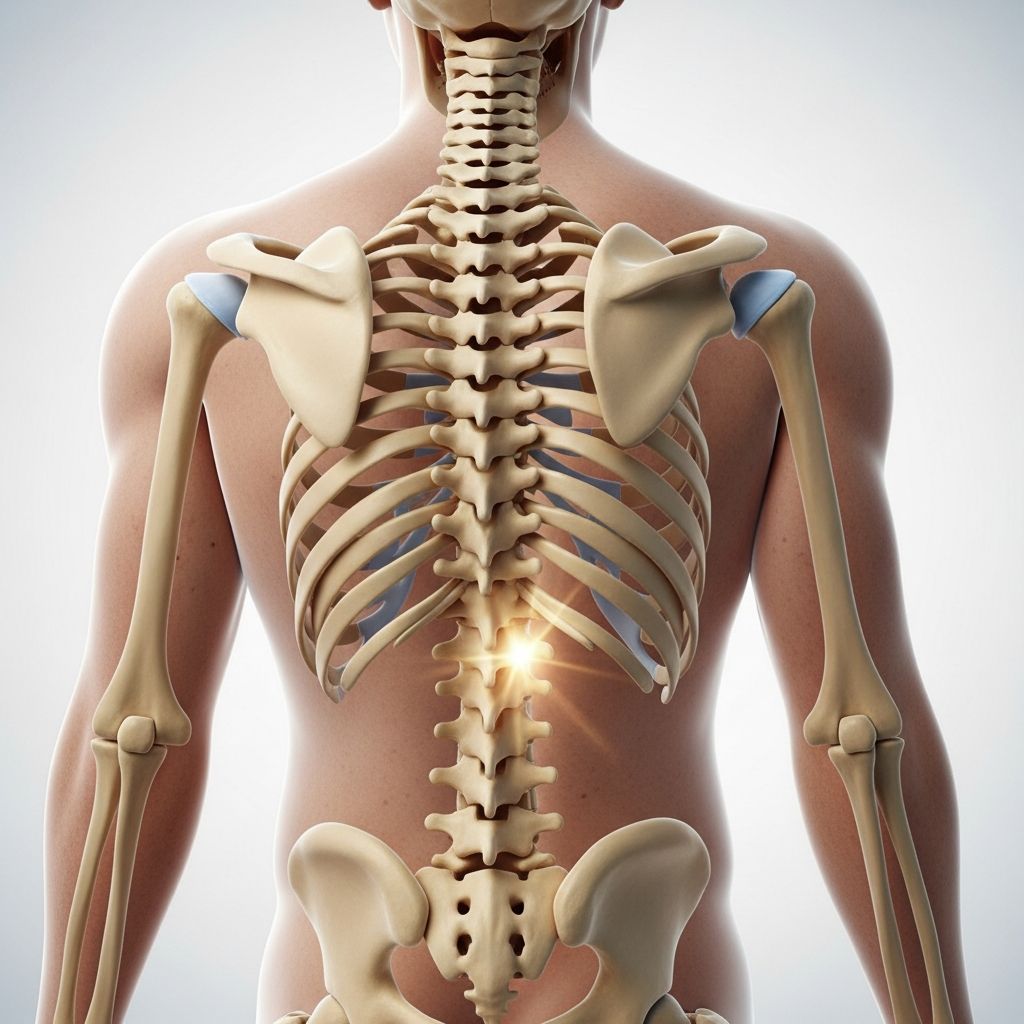
Scoliosis is a condition characterized by an abnormal sideways curvature of the spine, often developing during growth spurts in children and adolescents. Early detection of symptoms is crucial for timely intervention, as mild cases may go unnoticed while severe curves can lead to complications like pain and respiratory issues. This article explores the full spectrum of scoliosis symptoms, drawing from authoritative medical sources to help you recognize signs in yourself or loved ones.
What Are Scoliosis Symptoms?
Scoliosis symptoms primarily manifest as visible changes in posture and body alignment due to the spine’s lateral curvature and rotation. In mild cases, especially among children and teens, there may be no noticeable symptoms or pain, making routine screenings essential. As the curve progresses, uneven shoulders, protruding ribs, or an asymmetrical waist become apparent. These physical signs often prompt further medical evaluation.
Common early indicators include subtle postural shifts that parents, teachers, or individuals might observe during daily activities like changing clothes or swimming. For instance, clothing may hang unevenly, or one shoulder blade may appear more prominent.
Early Signs of Scoliosis
Detecting scoliosis early can prevent progression. Key early signs, particularly in children and adolescents, include:
- Uneven shoulders: One shoulder appears higher than the other, often noticed during school screenings or at-home checks.
- Prominent shoulder blade: One scapula sticks out more, especially when viewed from the back.
- Uneven waist: The waistline appears asymmetrical, with one side higher or more curved.
- Hip misalignment: One hip is noticeably higher, affecting how pants fit or how the body balances.
- Rib hump: When bending forward, one side of the rib cage protrudes more due to spinal rotation.
These signs are often first spotted by family members or during physical exams. School-based screening programs in many areas use the forward bend test to identify rib humps early.
Visible Symptoms of Scoliosis
The most obvious scoliosis symptoms are visible asymmetries that alter appearance. The spine’s S- or C-shaped curve causes rotation, making ribs or muscles on one side project outward. This is evident in:
- A shift in the trunk or waist to one side.
- Head not centered over the hips.
- One side of the back poking out prominently when leaning forward.
In adolescents, these changes can cause cosmetic concerns, leading to emotional distress. Adults may notice a visible bulge on the back, particularly at the curve’s apex.
Scoliosis Symptoms in Children
Children and teens with idiopathic scoliosis—the most common type—often show no pain initially. Symptoms are primarily postural:
- Uneven shoulder heights or blade prominence.
- Asymmetrical hips or waist.
- Rib cage differences when bending.
Neuromuscular scoliosis, linked to conditions like cerebral palsy or muscular dystrophy, progresses faster and may cause functional impairments early, such as balance issues or difficulty with daily activities. Severe pediatric cases (curves over 40-50 degrees) risk lung compression, though rare.
Scoliosis Symptoms in Adults
Adult scoliosis arises from adolescent curves progressing or degenerative changes like arthritis. Symptoms differ, focusing more on discomfort:
- Back pain: The leading complaint, often at the curve site due to muscle strain or nerve compression (spinal stenosis).
- Visible bulge: A deformity where pain localizes, from muscle or rib rotation.
- Leg pain/numbness: Referred pain from stenosis, worsening with standing or walking.
- Fatigue and stiffness: Muscles on the convex curve side overwork, leading to exhaustion.
Related Stories



Degenerative scoliosis may cause height loss, premature satiety from abdominal pressure, or shortness of breath in curves exceeding 70 degrees.
Does Scoliosis Cause Back Pain?
Back pain’s link to scoliosis is debated. In children, pain is uncommon and signals other issues if present. Adults frequently report chronic pain from muscle imbalance, facet joint stress, or disc degeneration. Research shows higher pain prevalence in scoliosis patients versus the general population, though not always directly causal.
Pain may stem from:
- Muscle spasms on the strained side.
- Inflammation around overworked muscles.
- Nerve impingement in severe curves.
Severe Scoliosis Symptoms and Complications
Untreated severe scoliosis (curves >50 degrees) leads to complications:
- Breathing difficulties: Rib cage distortion reduces lung space, causing shortness of breath or fatigue.
- Cardiovascular strain: Twisted rib cage hampers heart function in extreme cases.
- Reduced mobility: Stiffness limits bending; gait changes from hip misalignment tire muscles.
- Height loss and posture collapse: Progressive curves shorten stature.
Long-term, childhood scoliosis increases adult chronic back pain risk, especially untreated large curves.
Adam’s Forward Bend Test
This simple screening tool detects scoliosis. The person bends forward at the waist, arms dangling. A trained observer checks for rib hump or asymmetry from spinal rotation. Unevenness indicates potential curvature, warranting X-rays. It’s standard in schools and pediatric visits.
Table: Scoliosis Symptoms by Severity
| Severity | Common Symptoms | Potential Complications |
|---|---|---|
| Mild (<20°) | Subtle posture changes, no pain | Rare; monitor progression |
| Moderate (20-40°) | Visible asymmetry, possible mild pain | Bracing may be needed |
| Severe (>40°) | Pain, rib hump, gait issues | Breathing problems, surgery |
Frequently Asked Questions (FAQs)
What are the first signs of scoliosis?
Early signs include uneven shoulders, one prominent shoulder blade, uneven waist or hips, and a rib hump when bending forward.
Does scoliosis cause back pain in kids?
Rarely; pain in children often indicates another issue. It’s more common in adults.
Can adults develop scoliosis symptoms suddenly?
Yes, from degenerative changes causing pain, numbness, or posture shifts.
How is scoliosis detected early?
Via Adam’s forward bend test during checkups or school screenings.
Are breathing problems common with scoliosis?
Only in severe cases where the curve compresses lungs.
References
- Scoliosis – Symptoms and causes — Mayo Clinic Staff. 2025-04-25. https://www.mayoclinic.org/diseases-conditions/scoliosis/symptoms-causes/syc-20350716
- Scoliosis Symptoms — Spine-health. N/A. https://www.spine-health.com/conditions/scoliosis/scoliosis-symptoms
- Scoliosis: Definition, Causes, Symptoms & More — Hinge Health. N/A. https://www.hingehealth.com/resources/glossary/scoliosis/
- Scoliosis Treatment for Adults: Surgical & Nonsurgical — Hospital for Special Surgery (HSS). N/A. https://www.hss.edu/health-library/conditions-and-treatments/scoliosis-in-adults
- Scoliosis Symptoms & Causes — National Institute of Arthritis and Musculoskeletal and Skin Diseases (NIAMS). N/A. https://www.niams.nih.gov/health-topics/scoliosis
- What is Scoliosis? Understanding Your Condition — Rush University Medical Center. N/A. https://www.rushortho.com/news-events/news/what-is-scoliosis-understanding-your-condition/
Similar Articles








Read full bio of Sneha Tete