Scombroid Fish Poisoning: Causes, Symptoms & Treatment
Understanding scombroid poisoning: histamine toxicity from spoiled fish and effective treatment options.
What is Scombroid Fish Poisoning?
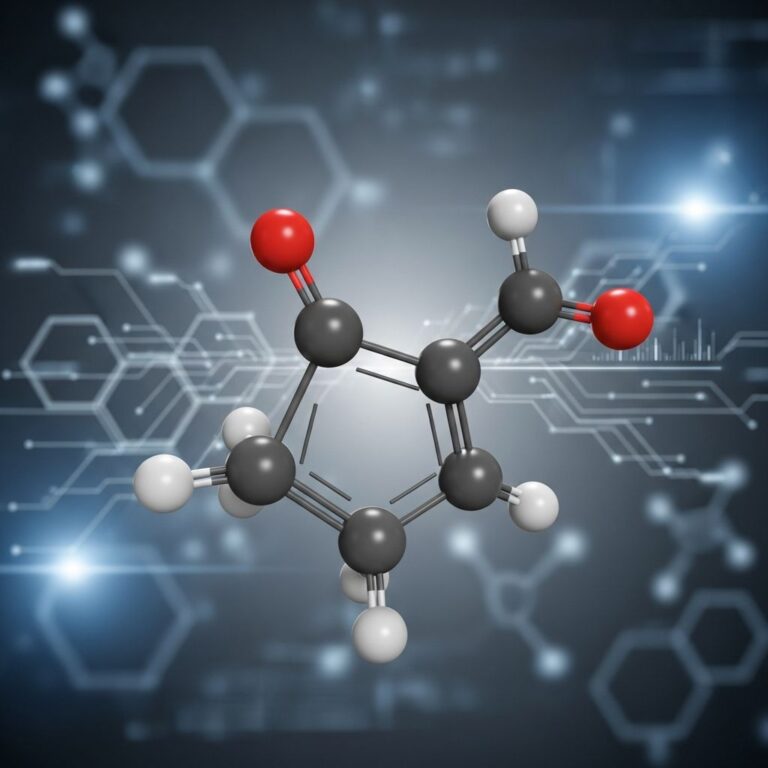
Scombroid fish poisoning is a foodborne illness caused by the consumption of spoiled fish that contains elevated levels of histamine. Also known as histamine toxicity, this condition occurs when certain fish species undergo bacterial decomposition, converting the naturally occurring chemical histidine into scombrotoxin, a toxic compound with histamine as its primary active component. Unlike true allergic reactions, scombroid poisoning is a form of chemical food poisoning that affects the body’s histamine response systems.
The condition is not contagious, nor is it caused by allergic sensitivity to fish. This distinction is important because it means that individuals who experience scombroid poisoning can safely consume the same fish species again, provided the fish is fresh and properly stored.
Which Fish Species Are Most Commonly Affected?
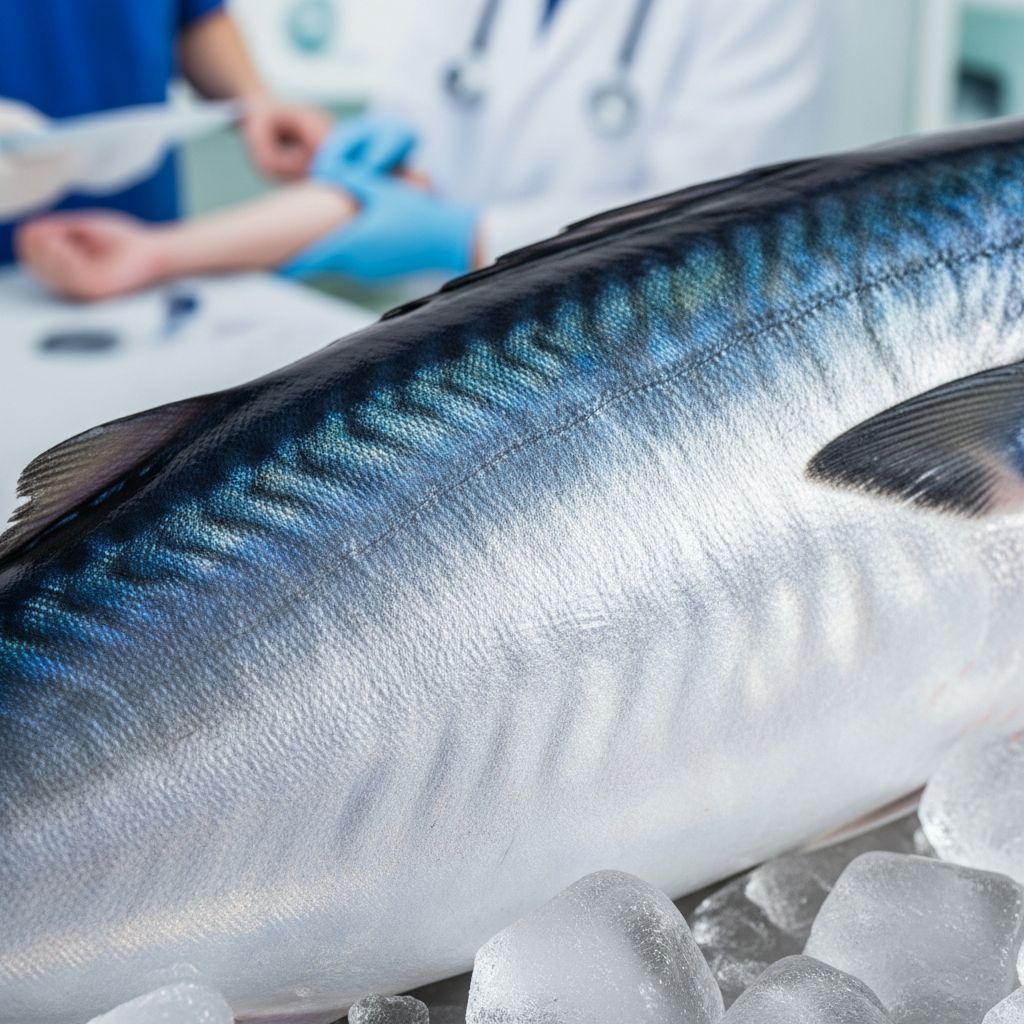
Scombroid poisoning predominantly occurs from consuming members of the mackerel family and other histamine-rich fish species. The fish most commonly implicated in scombroid poisoning cases include:
- Tuna
- Mackerel
- Skipjack
- Bonito
- Anchovies
- Sardines
These fish species naturally contain high concentrations of the amino acid histidine in their muscle tissue. When stored improperly, particularly at warm temperatures exceeding 15°C (59°F), bacteria present in the fish’s skin and intestines multiply rapidly and enzymatically convert histidine into histamine.
Understanding the Cause: Bacterial Histamine Formation
The primary cause of scombroid poisoning is the bacterial decomposition of fresh fish in warm conditions. Several bacterial species are responsible for this process, including Morganella morganii, Pseudomonas aeruginosa, Klebsiella species, and E. coli.
A critical point to understand is that cooking, smoking, or other heat treatments cannot reduce histamine levels in fish, even though these processes destroy the causative bacteria. Once histamine has formed through bacterial action, thermal processing cannot eliminate it. This means that even properly cooked spoiled fish will retain dangerous histamine concentrations.
The distribution of histamine within spoiled fish is uneven. Different portions of the same fish may contain vastly different histamine concentrations depending on the degree of decomposition in each area. This explains why at a meal, only some diners may become ill while others eating the same fish remain unaffected.
Recognizing Symptoms and Timeline
Symptoms of scombroid poisoning typically develop rapidly after consumption, generally appearing within 30 minutes to two hours after eating the contaminated fish. In some cases, symptom onset may be delayed, occurring up to several hours after ingestion. The initial presentation usually begins with a characteristic sensation of warmth and facial flushing.
Early Symptoms
The earliest manifestations of scombroid poisoning include:
- Burning feeling in the mouth and throat
- Facial flushing and reddening of the face, neck, chest, and upper back
- Sweating
- Peppery or metallic taste while eating the fish
- Itching around the mouth and throat
Systemic and Cutaneous Symptoms
Related Stories



As the condition progresses, individuals typically experience:
- Impressive rash on the face, neck, chest, and upper back that appears bright red, hot, and itchy
- Pounding headache
- Rapidly elevated heart rate (palpitations)
- Dizziness
- Nausea and vomiting
- Abdominal pain and cramping
- Diarrhea
Severe Symptoms
In more severe cases, individuals may experience:
- Difficulty breathing or wheezing
- Swelling of the tongue and mouth
- Chest pain
- Bronchospasm
- Vasodilatory shock
- Collapse due to severely low blood pressure
Important Distinction: Urticaria Without Whealing
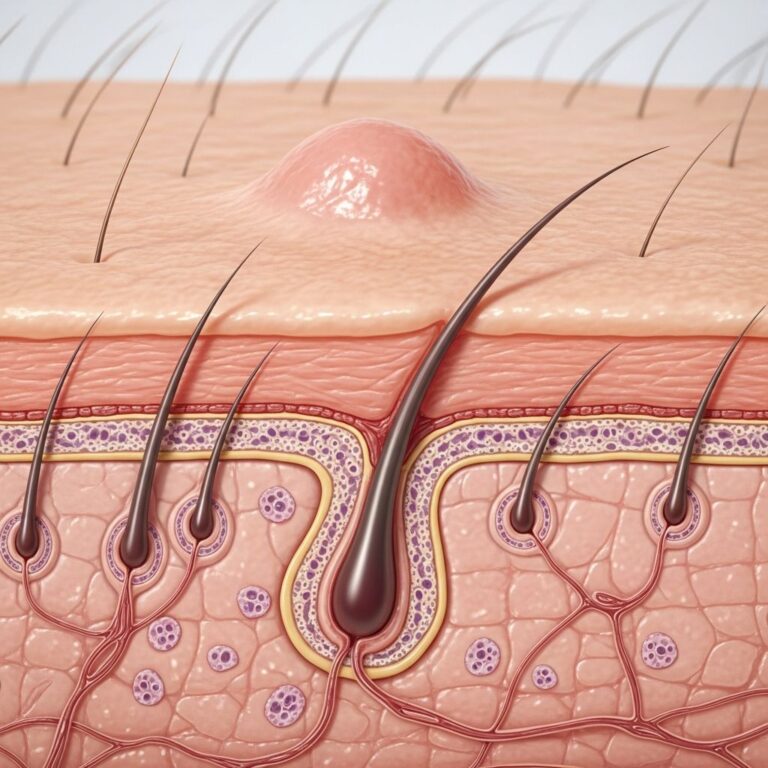
A distinguishing characteristic of scombroid poisoning is that the rash typically consists of widespread erythema (redness) in a form of urticaria, but unlike true allergic reactions, there is typically no wealing or skin swelling. This clinical presentation can help differentiate scombroid poisoning from anaphylactic allergic reactions.
Duration of Symptoms
The duration of scombroid poisoning symptoms varies based on severity. In most cases, symptoms persist for approximately three hours. The rash typically lasts between 2–5 hours, while other systemic symptoms usually disappear within 3–36 hours. However, in severe cases, recovery may take considerably longer, and symptoms may not completely resolve for several days.
Diagnosis of Scombroid Poisoning
Diagnosis of scombroid poisoning is often made clinically based on the characteristic symptom presentation and a history of consuming potentially spoiled fish from the mackerel family. However, definitive diagnosis can be confirmed through laboratory testing.
Diagnostic confirmation methods include:
- Detection of histamine levels in the implicated spoiled fish
- Measurement of histamine in the patient’s plasma
- Assessment of histamine metabolites such as n-methylhistamine in urine samples
These laboratory tests can provide objective evidence supporting the clinical diagnosis and help distinguish scombroid poisoning from other conditions that may present with similar symptoms.
Treatment Options
Treatment approaches for scombroid poisoning vary depending on symptom severity. The condition is generally self-limited, meaning most cases resolve on their own without medical intervention.
Mild Cases
Mild presentations often disappear quickly without medication. Supportive care and simple symptom management are usually sufficient for recovery.
Moderate Cases
For individuals experiencing moderate symptoms, antihistamine medications are highly effective. Quick-acting, non-sedating or conventional antihistamines typically provide improvement within 10–15 minutes of administration. Most patients experience complete resolution of symptoms with antihistamine therapy.
In cases where antihistamines must be continued, severe attacks may require ongoing treatment for several days. Suitable medications for scombroid poisoning include H1-receptor antagonists such as diphenhydramine (Benadryl).
H2 blockers, including cimetidine and ranitidine, are also helpful in managing symptoms, though these medications are typically used to reduce stomach acidity.
Severe Cases
Individuals experiencing severe symptoms require immediate medical attention and emergency care. Hospital treatment may include:
- Intravenous fluid administration
- Oxygen therapy
- Rapid-acting antihistamines
- Supportive medications tailored to specific symptoms
What NOT to Use
It is crucial to understand that scombroid poisoning is not an allergic reaction (anaphylaxis). Therefore, adrenaline (epinephrine) injections and corticosteroids are generally not indicated and should not be standard treatment components. Additionally, because scombroid poisoning is a chemical food poisoning rather than an infection, antibiotics are not helpful.
Prevention Strategies
Preventing scombroid poisoning is primarily achieved through proper fish handling and storage practices.
- Prompt cooling: Fish should be promptly cleaned and cooled immediately after being caught to prevent bacterial growth and histamine formation.
- Temperature control: Fish must be chilled and properly refrigerated at temperatures below 15°C (59°F) to prevent bacterial multiplication.
- Verification at purchase: When purchasing fish at stores, ensure it is maintained at proper refrigerated temperatures.
- Sensory awareness: Be cautious if you detect any unusual “sharp,” “metallic,” or “peppery” taste when eating fish—these flavors may indicate histamine accumulation.
- Species awareness: Mackerel family fish require particular care due to their high histidine content.
When to Seek Medical Attention
While most cases of scombroid poisoning resolve without serious complications, certain symptoms warrant immediate medical evaluation. Seek emergency medical care if you experience:
- Chest pain
- Difficulty breathing or respiratory distress
- Severe swelling of the tongue and mouth
- Signs of shock or collapse
- Symptoms that do not improve within 10–15 minutes of antihistamine administration
If experiencing severe symptoms that are not immediately life-threatening, consulting with an allergist can help differentiate between true allergic reactions and scombroid poisoning, informing appropriate treatment strategies.
Long-Term Outlook and Safety Considerations
Scombroid poisoning is not a long-term or severe condition in the vast majority of cases. The illness does not result in chronic effects or ongoing complications. Once symptoms resolve—typically within hours to a few days—individuals return to normal health without lasting consequences.
An important point for dietary management is that it is quite safe to eat the same kind of fish again, provided the fish is freshly caught and properly chilled. Scombroid poisoning is not due to inherent properties of particular fish species, but rather to improper storage and handling that allows bacterial histamine production. When fish is properly handled and stored, the risk of scombroid poisoning is eliminated.
Geographic Variation and Risk Assessment
The risk of scombroid fish poisoning varies geographically based on fishing practices, temperature conditions, and seafood consumption patterns. Regions with high seafood consumption and warmer climates where fish temperature control may be compromised experience elevated incidence rates. Public health awareness and education in these regions help reduce poisoning incidence through improved food handling practices.
Frequently Asked Questions (FAQs)
Q: Is scombroid poisoning a true allergic reaction?
A: No. Scombroid poisoning is not a true allergic reaction. It is a chemical food poisoning caused by histamine in spoiled fish. This distinction is important because it means adrenaline injections and corticosteroids are not needed, and individuals can safely consume the same fish species again if it is fresh and properly stored.
Q: Can cooking fish eliminate histamine?
A: No. Heat treatment cannot reduce histamine levels in fish, even though cooking destroys the bacteria responsible for producing the histamine. Once formed through bacterial decomposition, histamine remains stable at cooking temperatures.
Q: How quickly do symptoms appear after eating contaminated fish?
A: Symptoms typically begin within 30 minutes to two hours after consuming spoiled fish containing significant histamine levels. Some cases may present with delayed symptoms up to several hours after ingestion.
Q: Why do some diners become ill while others eating the same fish do not?
A: Histamine distribution within spoiled fish is uneven. Different portions contain varying histamine concentrations depending on decomposition levels in each area, so only some individuals eating the same meal may consume the contaminated portions.
Q: What should I do if I suspect I have scombroid poisoning?
A: If you experience severe symptoms such as chest pain, difficulty breathing, or severe swelling, seek emergency medical care immediately. For moderate symptoms, over-the-counter or prescribed antihistamines typically provide relief within 10–15 minutes. If symptoms do not improve with antihistamines, contact a healthcare provider or allergist for evaluation.
References
- Scombroid Poisoning: Causes, Symptoms, and Treatment — Medical News Today. 2024. https://www.medicalnewstoday.com/articles/scombroid-poisoning
- Scombroid Fish Poisoning — DermNet. https://dermnetnz.org/topics/scombroid-fish-poisoning
- Scombroid Fish Poisoning Prevention and Control — Hawaii Department of Health, Disease Outbreak Control Division. https://health.hawaii.gov/docd/disease_listing/scrombroid/
- Scombroid Fish Poisoning — Minnesota Department of Health. https://www.health.state.mn.us/diseases/scombroid/index.html
- Fish Poisoning: Including Symptoms, Treatment and Prevention — South Australia Health and Medical Research Institute. https://www.sahealth.sa.gov.au/wps/wcm/connect/public+content/sa+health+internet/conditions/infectious+diseases/fish+poisoning/fish+poisoning+-+including+symptoms+treatment+and+prevention
- Scombroid Poisoning — National Institutes of Health, PubMed Central. 2012. https://pmc.ncbi.nlm.nih.gov/articles/PMC3314039/
- Histamine Toxicity (Scombroid Poisoning) — American Academy of Allergy, Asthma & Immunology. https://www.aaaai.org/conditions-treatments/related-conditions/histamine-toxicity
Similar Articles








Read full bio of Sneha Tete