Scorpion Stings: Symptoms, Treatment & Prevention
Complete guide to scorpion sting symptoms, emergency treatment, and effective prevention strategies.
Understanding Scorpion Stings
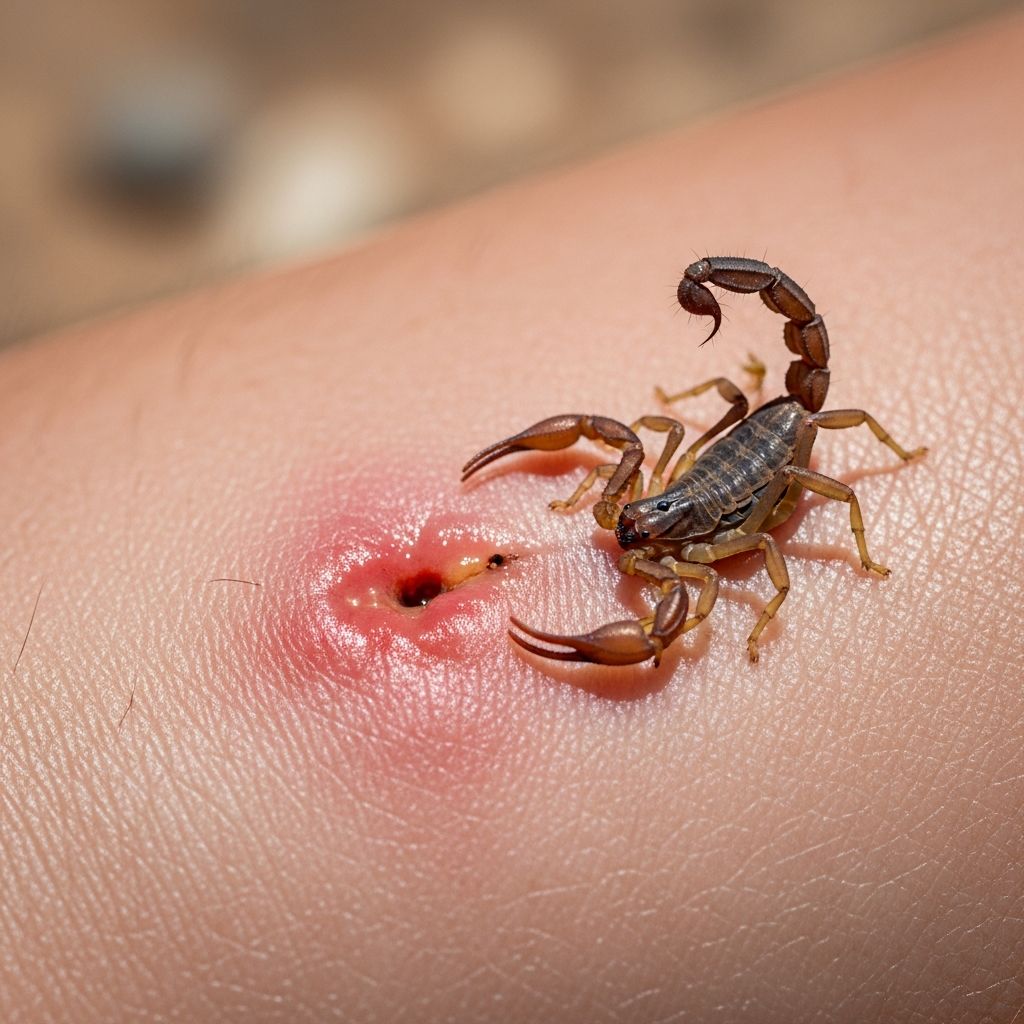
Scorpion stings are a common concern in warm climates and desert regions, affecting thousands of people annually. While most scorpion stings are painful but not life-threatening, understanding how to respond appropriately can prevent complications and ensure proper care. Scorpions use their venomous tail as a defense mechanism, and the severity of a sting depends on the species of scorpion, the amount of venom injected, and the person’s age and health status.
The good news is that healthy adults rarely experience serious complications from scorpion stings. However, children, elderly individuals, and those with compromised immune systems require more careful monitoring. This comprehensive guide covers everything you need to know about scorpion stings, from recognizing symptoms to seeking appropriate medical care.
Symptoms of Scorpion Stings
Scorpion sting symptoms vary depending on the severity of the sting and individual sensitivity. Recognizing these symptoms is crucial for determining whether home care is sufficient or medical attention is needed.
Local Symptoms at the Sting Site
The most common symptoms occur directly at the location where the scorpion stung you. These typically include:
- Intense pain at the sting location
- Numbness and tingling sensations
- Mild to moderate swelling around the wound
- Warmth or redness at the sting site
Local symptoms usually develop immediately after the sting and may persist for several hours to a few days. The pain can be quite intense, even from stings that don’t require emergency care.
Systemic Symptoms Affecting the Whole Body
More serious scorpion stings can cause systemic symptoms that affect multiple body systems. These reactions are more common in children but can occur in adults. Systemic symptoms include:
- Difficulty breathing or shortness of breath
- Muscle twitching, thrashing, or involuntary movements
- Unusual head, neck, and eye movements
- Excessive drooling
- Profuse sweating
- Slurred speech or difficulty speaking clearly
- Nausea and vomiting
- Elevated blood pressure (hypertension)
- Rapid heart rate (tachycardia)
- Restlessness, agitation, or inconsolable crying in children
If you experience any of these systemic symptoms, seek medical attention immediately, as they indicate the venom has entered your bloodstream and is affecting your nervous system.
Allergic Reactions to Scorpion Stings
Some individuals may have allergic reactions to scorpion venom, particularly if they have been stung before. Allergic reactions can range from mild to severe and may include hives, difficulty breathing, and gastrointestinal distress. In rare cases, a life-threatening condition called anaphylaxis can develop, characterized by severe swelling, difficulty breathing, and cardiovascular collapse.
When to Seek Medical Care
Knowing when to contact a healthcare provider or seek emergency care is essential for proper management of scorpion stings. Contact your local poison control center immediately if a child is stung by a scorpion. In the United States, you can reach Poison Help by calling 800-222-1222.
Related Stories



Situations Requiring Emergency Care
Seek emergency medical attention if you experience any of the following:
- Difficulty breathing or shortness of breath
- Muscle paralysis or inability to move
- Loss of consciousness
- Severe allergic reaction symptoms
- Symptoms that worsen over time rather than improve
- Symptoms that persist for more than one week
- Any signs of anaphylaxis, including severe swelling, hives, or throat tightness
When Home Care Is Appropriate
If you have a mild to moderate scorpion sting with only localized pain and swelling, home care may be sufficient. Healthy adults without systemic symptoms can often manage their sting at home while monitoring for any changes in their condition.
Home Treatment for Scorpion Stings
For minor to moderate scorpion stings, several home remedies can help manage pain and promote healing. These first aid measures should be implemented immediately after the sting occurs.
Immediate First Aid Steps
Take the following steps to treat a scorpion sting at home:
- Stay calm and remove yourself from danger: Move away from the scorpion to prevent additional stings. Remaining calm helps reduce stress and anxiety, which can worsen symptoms.
- Clean the wound: Wash the sting site thoroughly with mild soap and water to remove any venom residue and reduce infection risk.
- Apply a cool compress: Place an ice pack wrapped in a thin towel on the affected area for 10-15 minutes at a time. This helps reduce pain and swelling.
- Rest the affected limb: If stung on an arm or leg, keep the limb immobilized and elevated to minimize venom spread and reduce swelling.
- Monitor hydration: If you experience difficulty swallowing, limit your intake to sips of water until the symptom resolves. Seek medical attention if swallowing difficulty persists or worsens.
Pain Management
Over-the-counter pain relievers can help manage discomfort from a scorpion sting. Ibuprofen (Advil, Motrin IB) or acetaminophen are effective options for pain relief. However, avoid medications that cause sedation or sleepiness, such as benzodiazepines or sleep aids. These medications can mask serious symptoms and complicate emergency treatment if your condition worsens.
Continuous Monitoring
While treating your sting at home, continuously assess how it is affecting your body. Watch for any development of systemic symptoms, and be prepared to seek medical care if your condition changes. Set a mental timeline—if symptoms don’t improve within a few hours or begin to worsen, contact a healthcare provider or visit an emergency department.
Medical Treatment for Scorpion Stings
Most scorpion stings don’t require professional medical treatment. However, healthcare providers can offer interventions for more serious stings or when symptoms are severe.
Hospital Care
If you require hospitalization for a scorpion sting, treatment may include:
- Intravenous pain medication: Healthcare providers can administer powerful pain relievers through an IV to manage severe pain.
- Antivenom administration: Scorpion antivenom is particularly important for children and may be given to prevent symptom progression. Some adults with serious symptoms also receive antivenom.
- Monitoring and observation: Most patients require a standard observation period of four hours to ensure symptoms don’t progress into something more serious.
- Supportive care: Healthcare providers may offer respiratory support, cardiac monitoring, or other supportive measures as needed.
Antivenom Considerations
Antivenom works by neutralizing the scorpion venom in your system. It is most effective when administered as early as possible after the sting. Healthcare providers carefully evaluate whether antivenom is necessary based on the severity of symptoms and the patient’s age and overall health.
Special Populations at Higher Risk
Certain groups face higher risks from scorpion stings and their complications. The very young and the very old are most vulnerable to severe reactions and potential death from untreated venomous scorpion stings, primarily due to heart or lung failure that can occur hours after the sting.
Children
Children have smaller body sizes, meaning the venom concentration is higher relative to their body weight. Additionally, their nervous systems are still developing, making them more susceptible to neurological effects of venom. Always contact poison control immediately if a child is stung by a scorpion.
Elderly Individuals
Older adults may have underlying health conditions that complicate scorpion sting reactions. Their immune systems may also respond differently to venom, requiring closer medical monitoring.
People with Compromised Immune Systems
Individuals with weakened immune systems due to chronic diseases or medications should seek medical evaluation for any scorpion sting, as they may be more susceptible to serious complications.
Prevention Strategies
The best approach to scorpion stings is prevention. Taking precautions in areas where scorpions are common can significantly reduce your risk of being stung.
Environmental Prevention
- Seal cracks and crevices in your home’s exterior walls and foundation
- Install weather stripping on doors and windows
- Remove piles of wood, rocks, and debris from your property
- Keep your yard well-maintained and free of clutter
- Install outdoor lighting that doesn’t attract insects, as scorpions hunt insects
Personal Safety Measures
- Wear closed-toe shoes and long pants when hiking or exploring areas where scorpions live
- Avoid reaching into dark spaces without looking first
- Shake out clothing, shoes, and bedding before use
- Use a blacklight flashlight at night to spot scorpions, as their exoskeletons glow under ultraviolet light
- Never attempt to handle or capture a scorpion
Tetanus Vaccination Status
Any puncture wound, including a scorpion sting, creates a potential entry point for tetanus bacteria. Ensure that tetanus vaccinations are current for you and your children. Most people require a tetanus booster every 10 years, though this timeline may be shorter if you have a puncture wound or other high-risk injury.
Complications and Long-Term Effects
While most scorpion stings resolve without lasting complications, some individuals experience prolonged effects. Symptoms typically resolve within a few days, but neurological symptoms can occasionally persist for a week or longer. Serious complications from scorpion stings are rare in the United States, but they can include heart or lung failure in extreme cases, particularly in very young children or elderly individuals.
Frequently Asked Questions About Scorpion Stings
Q: Are scorpion stings ever fatal in the United States?
A: Deaths from scorpion stings are extremely rare in the United States. Very few fatalities have been reported, and they typically occur in very young children or elderly individuals with untreated stings. Prompt medical attention significantly reduces any risk of serious complications.
Q: Can I treat a scorpion sting with home remedies alone?
A: For minor scorpion stings with only localized pain and swelling, home treatment including ice, rest, and over-the-counter pain medication is often sufficient. However, if you experience systemic symptoms or the sting is on a child, seek medical attention.
Q: What should I do if I can’t reach poison control?
A: If you cannot reach poison control and are concerned about a scorpion sting, especially in a child, go to the nearest emergency department. Call 911 if you experience severe symptoms like difficulty breathing or loss of consciousness.
Q: How long should I monitor a scorpion sting?
A: Monitor your sting for at least 4-6 hours after it occurs. If you’re hospitalized, the standard observation period is typically four hours. Contact a healthcare provider if symptoms don’t improve within this timeframe or if they worsen.
Q: Can I develop an allergy to scorpion venom from repeated stings?
A: Yes, it is possible to develop an allergic reaction to scorpion venom after being stung multiple times. If you experience an allergic reaction, seek immediate medical care and discuss with your doctor about carrying an EpiPen.
Q: What makes some scorpion stings more dangerous than others?
A: The danger of a scorpion sting depends on several factors including the species of scorpion, the amount of venom injected, the location of the sting, the victim’s age and health status, and their immune system response. Some species are significantly more venomous than others.
References
- Scorpion Sting – Symptoms and Causes — Mayo Clinic. 2024. https://www.mayoclinic.org/diseases-conditions/scorpion-stings/symptoms-causes/syc-20353859
- Scorpion Sting – Diagnosis and Treatment — Mayo Clinic. 2024. https://www.mayoclinic.org/diseases-conditions/scorpion-stings/diagnosis-treatment/drc-20353865
- How to Treat a Scorpion Sting at Home — Cleveland Clinic Health. 2024. https://health.clevelandclinic.org/how-to-treat-a-scorpion-sting-at-home
- Bug Bites & Stings: Symptoms & Treatment — Cleveland Clinic. 2024. https://my.clevelandclinic.org/health/diseases/bug-bites
- Poisoning, Types of Poison: Symptoms & Treatment — Cleveland Clinic. 2024. https://my.clevelandclinic.org/health/diseases/poison
- National Poison Data System — U.S. Department of Health & Human Services. 2024. https://www.poison.org/
Similar Articles








Read full bio of Sneha Tete