Scotoma (Blind Spot in Vision): Types, Causes & Treatment
Understanding scotomas: Learn about blind spots, their causes, symptoms, diagnosis, and effective treatment options.
Understanding Scotoma: What is a Blind Spot in Your Vision?
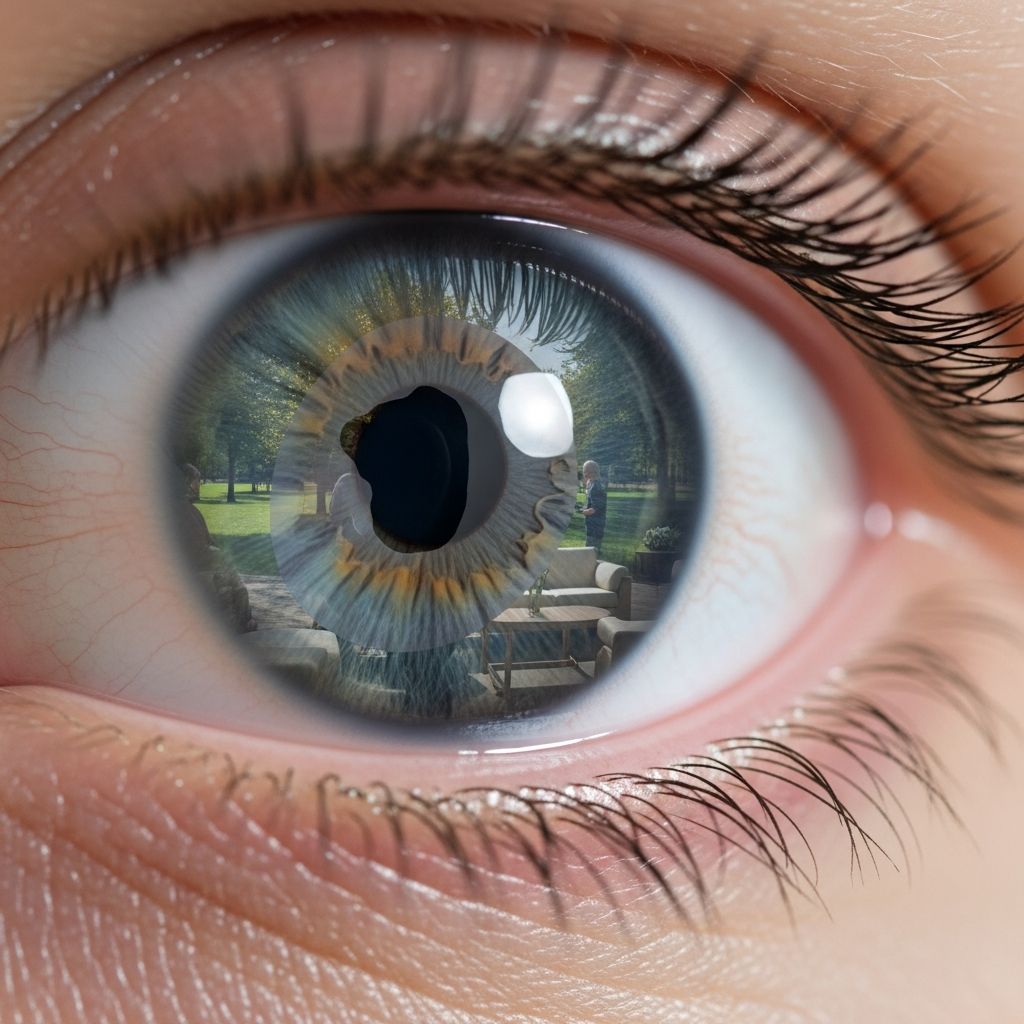
A scotoma is a blind spot in your visual field where you cannot see as well or cannot see at all in a particular location. The term “scotoma” comes from the Greek word meaning “darkness.” Rather than seeing nothing in that area, many people describe experiencing a spot where vision is diminished or completely absent while the surrounding area remains normal. This condition can affect one eye or both eyes, can be temporary or permanent, and can occur in different locations within your visual field depending on the underlying cause.
The retina is a specialized layer at the back of your eye that converts light into electrical signals. These signals are then transmitted through the optic nerve to your brain, where they are processed to create the images you see. A scotoma may develop when there is an abnormality on the retina where nerves do not function properly and fail to send signals to your brain. Additionally, scotomas can occur with conditions that affect your optic nerve or certain areas of the brain responsible for vision processing.
Interestingly, everyone naturally has a scotoma at the point where the optic nerve passes through the retina. This natural blind spot is typically not noticeable because your brain automatically fills in the empty space, completing the visual image through a process called “filling in.”
Types of Scotomas
Scotomas are classified in several different ways, depending on their location, characteristics, and how they appear to the person experiencing them. Understanding the different types can help healthcare providers identify the underlying cause more effectively.
Classification by Appearance
Scotomas are often categorized as either positive or negative. With a positive scotoma, you will see something that is not actually there, such as a spot of a particular color or a shimmering effect. This visible disturbance can indicate retinal damage or visual disturbances related to migraines. Conversely, with a negative scotoma, you may not be aware that you have a blind spot at all. Your healthcare provider will typically discover a negative scotoma during formal vision testing, as you cannot perceive the area of vision loss on your own.
Classification by Location
Scotomas are also classified based on their location within your visual field:
Central Scotoma: The blind spot is located directly in the center of your vision. This type can significantly interfere with your ability to read or recognize faces, as it affects the area you naturally focus on. Central scotomas may appear as a dark spot, a black area, or a blurred region in the middle of your visual field.
Paracentral Scotoma: The blind spot is positioned off to the side rather than in your central vision. While this type may be less immediately noticeable than central scotomas, it can still affect your peripheral awareness and navigation.
Junctional Scotoma: This type affects the area where signals from both eyes meet at the optic chiasm, located in the brain just behind the eyes.
Related Stories



Scintillating Scotoma: A shimmering or glittering blind spot that often expands across your field of vision. This type is commonly associated with certain types of migraines and creates a distinctive sparkling or flickering appearance.
Classification by Eye Involvement
Scotomas can also be described as affecting one eye (unilateral or monocular) or both eyes (bilateral or binocular). Additionally, some terms like “xanthic scotoma” refer to the color of the visual disturbance you perceive.
Causes of Scotomas
Many different conditions can cause a scotoma. These causes range from temporary and benign conditions to serious medical emergencies. Understanding the potential causes is important for proper diagnosis and treatment.
Migraine-Related Causes
Certain types of migraines are the most common cause of scintillating scotomas. These migraines may or may not be accompanied by a headache. Some people experience visual disturbances before a migraine headache begins, which is known as a migraine aura. The scintillating scotoma typically lasts between five minutes and one hour before resolving, though in some cases it may persist for several hours.
Retinal Conditions
Various disorders affecting the retina can cause scotomas, including age-related macular degeneration, diabetic retinopathy, and retinal tears or detachments. Retinal tears and detachments require urgent medical attention, as they can lead to permanent vision loss if not treated promptly.
Optic Nerve Disorders
Conditions affecting the optic nerve can produce scotomas. These include optic neuritis, which is inflammation of the optic nerve often associated with multiple sclerosis, as well as other optic nerve diseases that interfere with signal transmission to the brain.
Glaucoma
Glaucoma refers to a group of eye diseases characterized by increased intraocular pressure that can damage the optic nerve and lead to progressive vision loss, including the development of scotomas.
Neurological Causes
Scotomas can result from conditions affecting the brain, including strokes, seizures, and brain tumors. These causes are particularly serious and require emergency medical evaluation, especially when a scotoma occurs for the first time.
Other Causes
Additional causes may include multiple sclerosis, blood pressure fluctuations, and various other conditions affecting the visual system. Some scotomas may be temporary and resolve once the underlying condition stabilizes, while others may be permanent.
Signs and Symptoms of Scotomas
The symptoms of a scotoma depend on its type, size, and location. Common signs include:
– A blind spot or area of reduced vision in a specific location within your visual field
– A dark, black, or blurred spot in your vision
– A shimmering or glittering disturbance (in scintillating scotomas)
– Difficulty reading or recognizing faces (particularly with central scotomas)
– Awareness that something is blocking your vision or that your vision is incomplete
– A spot of color that appears out of place in your normal vision
– Peripheral vision loss or gaps in your side vision
Many people with negative scotomas have no symptoms because they are unaware of the blind spot. Their brain compensates for the missing information, and the condition is only discovered during a comprehensive eye examination.
Diagnosis of Scotomas
Proper diagnosis is essential to determine the cause of your scotoma and develop an appropriate treatment plan. Your healthcare provider will typically follow several diagnostic steps.
Medical History and Symptom Assessment
Your healthcare provider will ask detailed questions about your medical history, when the scotoma began, how long it lasts, whether it occurs in one or both eyes, and any other symptoms you are experiencing. They will also inquire about your family history of eye diseases and any relevant medical conditions.
Visual Field Testing
Visual field testing (also called perimetry) measures the full area that you can see and helps identify the exact location and size of any blind spots. This test is often performed using specialized computer equipment that presents lights at various points in your peripheral and central vision.
Dilated Eye Examination
During this examination, your eye care professional will dilate your pupils to get a better view of the retina and optic nerve, looking for any abnormalities or signs of disease.
Imaging and Laboratory Tests
If your provider suspects a specific disease is causing your scotoma, they may recommend additional testing. These could include imaging tests such as MRI or CT scans to detect brain tumors or other neurological conditions, as well as blood tests to check for systemic diseases.
Color Vision Testing
Testing your ability to perceive colors can provide clues about the type and location of vision problems, helping distinguish between different types of scotomas and their underlying causes.
Treatment Options for Scotomas
Treatment for a scotoma focuses on managing the underlying condition that is causing the blind spot. The specific treatment approach depends on the diagnosed cause.
Treating the Underlying Condition
For conditions like glaucoma, macular degeneration, stroke, or cancer, treating the primary disease is essential. Managing these serious conditions often helps stabilize or improve vision and may prevent further deterioration.
Migraine Management
If your scotoma is related to migraines, your healthcare provider may suggest various medications ranging from over-the-counter pain relievers to prescription triptans or anti-seizure medications. Identifying and avoiding triggers such as stress, specific foods, or environmental factors can significantly reduce the frequency of migraine-related scotomas.
Conservative Management
For some scotomas, particularly those related to scintillating scotomas from migraines, conservative approaches may provide relief. These include lying down to rest in a dark, quiet environment and staying hydrated by drinking water. These simple measures can sometimes help symptoms resolve more quickly.
Vision Aids and Support
For scotomas that do not resolve, particularly central scotomas that interfere with reading or daily activities, various low vision aids can help. These include proper lighting arrangements, magnifiers for reading, electronic devices that enlarge text, equipment that reads text aloud, and other assistive technologies designed to compensate for vision loss.
Prognosis and Long-Term Outlook
The outlook for a scotoma depends entirely on what is causing it. Some scotomas are temporary and will disappear once the triggering condition resolves. For example, scintillating scotomas from migraines will go away once the migraine ends, and scotomas from blood pressure fluctuations may resolve once blood pressure stabilizes.
Other scotomas result from more serious disorders that cause permanent vision loss. In these cases, the scotoma might not disappear and could even become larger over time if the underlying condition progresses. This is particularly true for degenerative conditions like macular degeneration or advanced glaucoma.
When to Seek Medical Attention
Scintillating scotoma always needs emergency medical care when you experience it for the first time. Because some possible causes are dangerous and there is no way to know the cause without seeing a healthcare provider, immediate evaluation is essential. A first-time scotoma could indicate a stroke, seizure, or other serious condition requiring urgent treatment.
Additionally, if your scotoma lasts longer than one hour, you should be seen by an eye care professional to rule out serious conditions like retinal tears or detachments. Once you have a diagnosis, your healthcare provider can advise you on when a scotoma requires emergency care and when you can safely manage it at home.
Important Safety Considerations
Driving while experiencing a scintillating scotoma is extremely dangerous. Even a partial loss of vision can compromise your ability to safely operate a vehicle, putting yourself and others at risk. Because scintillating scotomas commonly expand across your field of vision, a small blind spot can quickly become much larger. If you are prone to scotomas that interfere with your activities, discuss potential treatment options with your healthcare provider that might help prevent or quickly resolve these episodes.
Frequently Asked Questions About Scotomas
Q: Is a scotoma the same as a blind spot?
A: Yes, scotoma and blind spot mean the same thing. A scotoma refers to an area in your visual field where you cannot see properly. Some scotomas involve seeing something that is not there, while others are areas you simply do not perceive without formal testing.
Q: Are scotomas always permanent?
A: No, not all scotomas are permanent. Many scotomas, particularly those related to migraines, are temporary and resolve on their own. However, scotomas caused by serious conditions like glaucoma or macular degeneration may be permanent and even progressive.
Q: Can scotomas go away on their own?
A: Yes, many scotomas, especially scintillating scotomas from migraines, will go away on their own within five minutes to one hour. However, you should always seek medical attention for a first-time scotoma to rule out serious causes.
Q: What should I do if I experience a scotoma for the first time?
A: Seek immediate medical attention. Because some causes of scotomas are dangerous and potentially life-threatening, it is essential to have a healthcare provider evaluate your symptoms and determine the underlying cause.
Q: Can low vision aids help with scotomas?
A: Yes, for scotomas that do not resolve, various low vision aids such as magnifiers, special lighting, text-to-speech software, and other assistive devices can help you maintain independence with reading and other daily activities.
Q: How can I reduce the frequency of migraine-related scotomas?
A: Identifying and avoiding your personal migraine triggers is key. Common triggers include stress, certain foods, hormonal changes, and environmental factors. Your healthcare provider can help you develop strategies to minimize these triggers and may recommend preventive medications if needed.
References
- Scotoma (Blind Spot in Vision): Types, Causes & Treatment — Cleveland Clinic. 2024. https://my.clevelandclinic.org/health/diseases/24687-scotoma
- Scintillating Scotoma: Causes, Duration & Treatment — Cleveland Clinic. 2024. https://my.clevelandclinic.org/health/symptoms/scintillating-scotoma
- Acute monocular vision loss: Don’t lose sight of the differential — Cleveland Clinic Journal of Medicine, 84(10). 2017. https://www.ccjm.org/content/ccjom/84/10/779.full.pdf
- Optic Nerve: What It Is, Function, Anatomy & Conditions — Cleveland Clinic. 2024. https://my.clevelandclinic.org/health/body/22261-optic-nerve
- Glaucoma: What It Is, Symptoms, Causes, Types & Treatment — Cleveland Clinic. 2024. https://my.clevelandclinic.org/health/diseases/4212-glaucoma
- Optic Neuritis Clinical Guide — Cleveland Clinic. 2024. https://my.clevelandclinic.org/departments/neurological/depts/multiple-sclerosis/ms-approaches/optic-neuritis
- Wet Macular Degeneration: Symptoms & Treatment — Cleveland Clinic. 2024. https://my.clevelandclinic.org/health/diseases/wet-macular-degeneration
Similar Articles








Read full bio of medha deb