Does Skin Cancer Itch? What To Know About Warning Signs
Understanding why skin cancer itches, from basal cell to squamous cell carcinoma, and when to seek medical help.
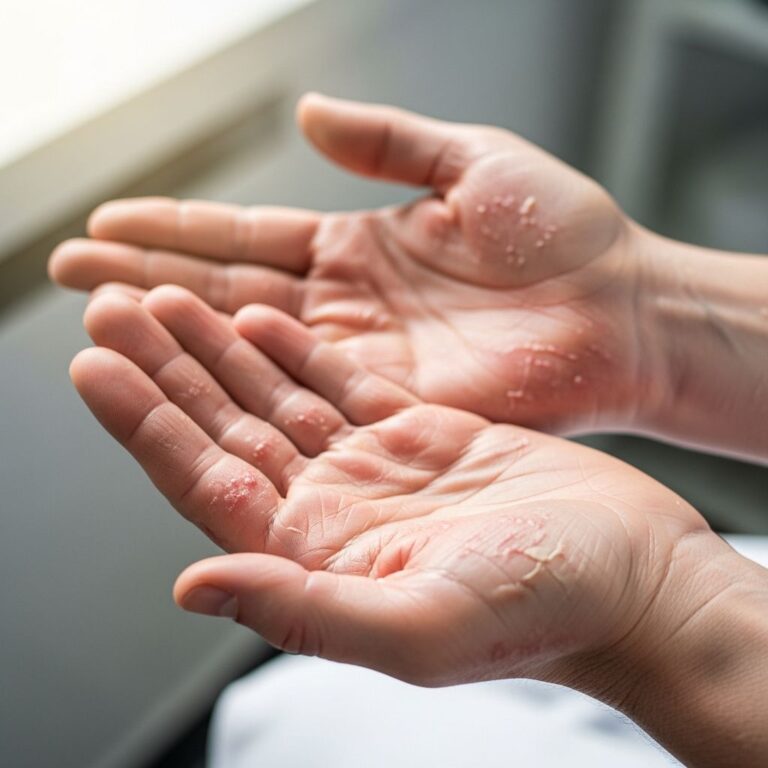
Whole-body itching can signal serious conditions like liver or kidney disease, thyroid issues, or other illnesses, while localized inflammatory itching might point to skin problems. But could that persistent itch on your skin be a sign of
skin cancer
? Recent research reveals that itching is a common yet underrecognized symptom of non-melanoma skin cancers, including basal cell carcinoma (BCC) and squamous cell carcinoma (SCC). This article dives into the science of itchy skin cancer, why it happens, and why paying attention to how your skin feels—not just how it looks—could save your life.Does Skin Cancer Itch?
Yes, skin cancer can itch, particularly
basal cell carcinoma (BCC)
andsquamous cell carcinoma (SCC)
, the two most common non-melanoma skin cancers. In a study involving patients with these cancers (and some melanoma), approximately37% of skin cancers were itchy
, compared to28% that were painful
. Most melanoma cases in the study did not present with itch or pain.Actinic keratosis (AK), a precancerous lesion that can progress to SCC, is also frequently itchy. Experts emphasize that while visual changes like asymmetry, border irregularity, color variation, diameter, and evolving spots (ABCDE rule) are crucial for melanoma detection, sensations like itching should not be ignored for non-melanoma cancers. “Itch is more common in basal cell carcinoma, and pain is less likely, while pain is predominant in squamous cell carcinoma,” notes Dr. Gil Yosipovitch, a leading itch researcher. However, SCC can itch too.
If you notice a spot that’s rough, irritated, itchy, and refuses to heal, consult a dermatologist promptly. Early detection is key, as these cancers are highly treatable when caught early.
Why Does Skin Cancer Itch? The Mechanisms Explained
Skin cancer itch arises from multiple biological pathways. At minimum, three mechanisms are at play, according to dermatology experts.
- Inflammatory Itching: BCC often appears as pink, raised areas or non-healing sores, while SCC presents as crusty, scaly patches. Inflammation from the body’s immune response to abnormal cells irritates the skin, triggering itch.
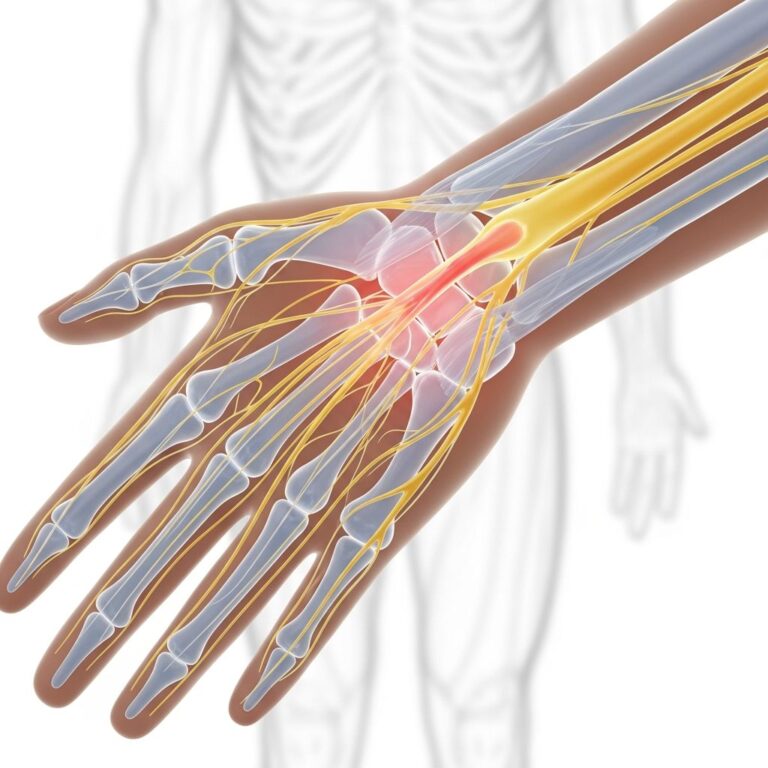
- Nerve Misdirection: Cancer involves tissue remodeling, which can miswire nerves, causing neuropathic itch. Nerve endings near the tumor may become stimulated or damaged.
- Epithelial Cell Triggers: Cancerous changes in the skin’s surface epithelial cells release substances that provoke itch sensations.
Research by Dr. Yosipovitch’s team confirmed that
itching originates from the upper skin layers
, whilepain comes from deeper tissues
. This explains why superficial BCC is itchier than deeper SCC, which tends toward pain. “If the cancer is very deep, the chances are it would be more painful than itchy,” Dr. Yosipovitch explains.Additional factors include tumor-released toxins, allergic responses, and elevated eosinophils (inflammatory cells) producing interleukin-31, a potent itch mediator. Unlike benign itches from eczema or bites, cancer-related itch persists and localizes to changing lesions.
Skin Cancer Types That Commonly Itch
| Cancer Type | Common Appearance | Itch Characteristics | Other Symptoms |
|---|---|---|---|
| Basal Cell Carcinoma (BCC) | Shiny bump, red patch, non-healing sore | Frequent mild-moderate itch (most common) | Bleeds/scabs easily, less pain |
| Squamous Cell Carcinoma (SCC) | Rough/scaly patch, raised lump, open sore | Itch + burning/stinging/tenderness | More pain, crusting, bleeding |
| Actinic Keratosis (AK) | Rough, scaly precancerous spot | Itchy, irritated | Can progress to SCC |
| Melanoma | Changing mole (ABCDE) | Less common itch/pain | Visual changes primary |
Related Stories



BCC, the most common skin cancer, often itches due to its superficial location in the epidermis. SCC, arising from deeper squamous cells, may itch early but progresses to pain. About 20-40% of BCC/SCC patients report itch, typically milder than eczema. No direct link exists between itch intensity and cancer stage/depth, unlike pain.
Other Signs and Symptoms of Skin Cancer
Beyond itch, watch for these American Cancer Society-listed signs:
- A new, expanding, or changing growth, spot, or bump.
- A sore that bleeds and/or doesn’t heal after weeks.
- Rough or scaly red patch that crusts/bleeds.
- Wart-like growth.
- Changing mole in size, shape, or color.
- Raised reddish itchy patches.
- Open sores that ooze, crust, heal then recur.
Risk factors amplifying concern for itchy lesions include UV exposure, fair skin, family history, immunosuppression, and chronic wounds. Itching alone isn’t diagnostic—combine with visuals.
When to See a Dermatologist
Seek care if itch persists >2 weeks, accompanies changes, or fails to respond to OTC remedies. Don’t assume it’s “just dry skin”—early biopsy can confirm. “Persistent itching in the same spot, especially one that doesn’t heal, should be checked,” advises Pinnacle Dermatology.
Skin cancer is curable >95% when detected early. Self-exams monthly, annual dermatologist visits (especially post-50 or high-risk), and sun protection prevent most cases.
Frequently Asked Questions (FAQs)
Q: Does basal cell carcinoma itch?
A: Yes, BCC frequently causes mild to moderate itching, often more than pain, due to its superficial nature.
Q: Is squamous cell skin cancer itchy?
A: SCC can itch, but it’s more associated with burning, stinging, tenderness, and pain as it deepens.
Q: Does melanoma itch?
A: Less commonly than non-melanoma cancers; focus on ABCDE visual changes.
Q: Why does skin cancer itch?
A: Inflammation, nerve irritation, immune responses, and tumor-released substances trigger itch.
Q: Is persistent itching a sign of skin cancer?
A: It can be, especially with non-healing lesions, but rule out eczema, infections, etc., via dermatologist exam.
Q: Can actinic keratosis itch?
A: Yes, this precancerous condition often itches and should be treated to prevent SCC.
Preventing Itchy Skin Cancer
Avoid peak sun (10am-4pm), use SPF 30+ broad-spectrum sunscreen, wear protective clothing, and avoid tanning beds. Early detection via skin checks is vital.
References
- Scratching the Surface — Skin Cancer Foundation. 2023. https://www.skincancer.org/blog/scratching-the-surface/
- Does Skin Cancer Itch? What You Need to Know — Pinnacle Dermatology. 2024-01-15. https://www.pinnacleskin.com/blog/does-skin-cancer-itch-what-you-need-to-know
- Can Skin Cancer Cause Itching? A Dermatologist’s Take — Beverly Hills Skin. 2023-05-20. https://bhskin.com/blog/can-skin-cancer-cause-itching-a-dermatologists-take/
- Basal and Squamous Cell Skin Cancer Signs and Symptoms — American Cancer Society. 2025-06-10. https://www.cancer.org/cancer/types/basal-and-squamous-cell-skin-cancer/detection-diagnosis-staging/signs-and-symptoms.html
- Does skin cancer itch? — Roswell Park Comprehensive Cancer Center. 2022-02-01. https://www.roswellpark.org/cancertalk/202201/does-skin-cancer-itch
Similar Articles








Read full bio of Sneha Tete