Screening Tests For Common Diseases: A Comprehensive Guide
Essential screening tests guide: Early detection saves lives through preventive health care.

Screening Tests for Common Diseases: A Comprehensive Guide to Early Detection
Screening tests are among the most powerful tools in modern medicine, offering the opportunity to detect diseases in their earliest stages when treatment is often most effective. Regular health screenings can identify conditions like cancer, diabetes, and heart disease before symptoms appear, significantly improving outcomes and quality of life. Understanding which screening tests are appropriate for your age, gender, and health risk factors is an essential part of maintaining optimal health and preventing serious illness.
Why Screening Tests Matter
Early detection through screening saves lives. Many serious diseases develop silently without obvious symptoms until they reach advanced stages. By the time symptoms appear, conditions like cancer may have already spread, making treatment more challenging and less successful. Screening tests allow healthcare providers to identify abnormalities and precancerous or early-stage conditions when intervention is most likely to be successful. This proactive approach to healthcare shifts focus from treating advanced disease to preventing illness altogether.
Cancer Screening Tests
Cancer screening is one of the most important aspects of preventive healthcare. Different cancers require different screening approaches based on age, gender, family history, and individual risk factors.
Breast Cancer Screening
Breast cancer screening typically involves mammography, an X-ray imaging technique that can detect tumors too small to feel during a physical examination. Mammograms can identify breast cancer in its earliest stages when treatment is most effective and less invasive. Women should discuss with their healthcare provider when to begin regular mammograms, as recommendations vary based on age and risk factors. Those with a family history of breast cancer or genetic predispositions may need to start screening earlier or undergo more frequent tests.
Cervical Cancer Screening
Cervical cancer screening uses Pap smears or Pap tests, which involve collecting cells from the cervix to examine under a microscope for abnormalities. This screening has dramatically reduced cervical cancer deaths by catching precancerous changes before they develop into cancer. The HPV (human papillomavirus) vaccine provides additional protection by preventing infection with the viruses most likely to cause cervical cancer. Women typically begin cervical cancer screening in their early twenties and continue at regular intervals.
Colorectal Cancer Screening
Colorectal cancer screening includes several options tailored to individual preferences and risk factors. A fecal occult blood test checks stool samples for hidden blood that might indicate cancer or polyps. Sigmoidoscopy and colonoscopy allow doctors to directly visualize the colon and rectum, enabling removal of precancerous polyps before they develop into cancer. These screening methods can prevent colorectal cancer by identifying and removing polyps in their early stages.
Pancreatic Cancer Screening
Pancreatic cancer is particularly aggressive and often detected at advanced stages, making early detection critically important. While no universally recommended screening test exists for the general population, individuals with significant risk factors—including a family history of pancreatic cancer, genetic predispositions such as BRCA1, BRCA2, or PALB2 mutations, hereditary pancreatitis, or conditions like Peutz-Jeghers syndrome—may benefit from specialized screening programs. Research teams at leading medical institutions are actively developing new screening approaches to detect pancreatic cancer and precancerous lesions in high-risk individuals, recognizing that early detection offers the best hope for improved outcomes.
Cardiovascular Screening Tests
Heart disease remains a leading cause of death, making cardiovascular screening essential for preventive health.
Related Stories



Blood Pressure Screening
Blood pressure screening measures how hard the heart works to pump blood throughout the body. High blood pressure often develops without symptoms but significantly increases the risk of heart disease and stroke. Regular blood pressure checks allow early detection and management of hypertension. Adults should have their blood pressure monitored regularly, with frequency increasing based on previous readings and individual risk factors.
Cholesterol Testing
Cholesterol levels are checked through blood tests that measure total cholesterol, LDL (bad) cholesterol, HDL (good) cholesterol, and triglycerides. Elevated cholesterol contributes to plaque buildup in arteries, increasing heart disease and stroke risk. Regular cholesterol screening helps identify individuals who need dietary modifications, lifestyle changes, or medication to manage their cardiovascular risk.
Diabetes Screening and Monitoring
Diabetes affects millions of people and can lead to serious complications if not detected and managed early. Multiple screening approaches help identify diabetes and prediabetes.
Prediabetes Screening
Prediabetes screening involves a blood test measuring fasting blood sugar levels. This test identifies individuals whose blood sugar is higher than normal but not yet in the diabetic range. Early identification of prediabetes allows for lifestyle interventions that can prevent or delay the onset of type 2 diabetes.
Hemoglobin A1c Testing
The A1C test, performed through a simple finger prick blood sample, measures average blood sugar levels over the previous two to three months. This test helps diagnose diabetes and monitors blood sugar control in individuals already diagnosed with the condition.
Diabetes Complication Screening
Individuals with diabetes require regular screening for serious complications. Dilated eye exams check for diabetic retinopathy, which can cause vision loss. Kidney disease screening through urinalysis detects protein in urine, indicating possible diabetic kidney damage. Annual foot exams assess nerve damage and circulation problems that could lead to serious infections.
Infectious Disease Screening
Screening for sexually transmitted infections is an important component of preventive healthcare, particularly for sexually active individuals.
Chlamydia Screening
Chlamydia screening involves either a urine test or cervical swab to detect this common sexually transmitted infection that affects both men and women. Untreated chlamydia can lead to serious complications including infertility and pelvic inflammatory disease, making early detection and treatment crucial.
Other Important Screening Tests
Blood Lead Testing
Blood lead tests measure lead exposure, particularly important for children whose developing brains are vulnerable to lead’s harmful effects. Lead exposure can cause developmental delays, learning disabilities, and behavioral problems, making early detection and intervention critical.
Osteoporosis Screening
Bone density testing uses X-rays to measure calcium and mineral content in bones, identifying osteoporosis risk before fractures occur. This screening is particularly important for older adults, postmenopausal women, and individuals with risk factors for bone loss.
Dental Checkups
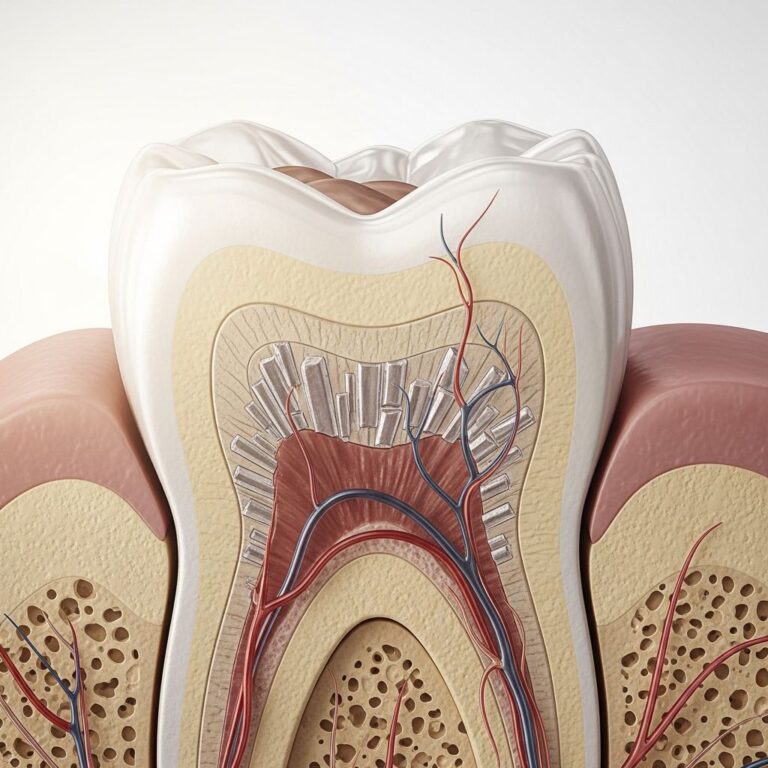
Regular dental checkups involve professional cleaning and examination for tooth decay, gum disease, and oral cancer. Oral health connects to overall health, with poor dental health linked to heart disease and other systemic conditions.
Immunizations and Preventive Vaccines
While technically prevention rather than screening, immunizations are crucial preventive health measures. Vaccine immunizations protect against various infectious diseases through injections or oral administration. HPV vaccination prevents infection with human papillomavirus strains most likely to cause cervical and other cancers. Staying current with recommended immunizations based on age and health status helps prevent serious infectious diseases and their complications.
Pregnancy-Related Screening
Prenatal visits during the first trimester establish baseline health and screen for pregnancy complications. These visits include screening tests for gestational diabetes, infections, and fetal abnormalities. Postpartum visits ensure proper healing after delivery and address any complications from pregnancy or childbirth.
Screening Recommendations by Age
| Age Group | Recommended Screenings |
|---|---|
| Adults 18-39 | Blood pressure, cholesterol, sexually transmitted infections, dental exams |
| Adults 40-49 | Blood pressure, cholesterol, diabetes screening, cancer screenings (based on gender), colorectal cancer (discuss with provider) |
| Adults 50-64 | Blood pressure, cholesterol, diabetes screening, mammography (women), cervical cancer screening (women), colorectal cancer screening, osteoporosis screening (women) |
| Adults 65+ | All above screenings plus increased frequency, vision and hearing tests, cognitive screening |
When to Discuss Enhanced Screening
Individuals with family histories of specific diseases, genetic predispositions, or known risk factors should discuss enhanced or earlier screening with their healthcare providers. Personal habits like smoking, excessive alcohol consumption, sedentary lifestyle, or poor diet may indicate need for more frequent or earlier screening. Occupational exposures and environmental factors may also warrant specialized screening protocols. Your healthcare team can assess your individual risk profile and recommend appropriate screening intervals and tests.
Benefits of Regular Screening
Regular health screenings offer multiple advantages beyond disease detection. Early identification of conditions often results in simpler, less invasive treatments with better outcomes. Many screening tests can detect precancerous changes before cancer develops, allowing for prevention rather than treatment. Early intervention often reduces healthcare costs by preventing expensive advanced disease treatment. Screening provides peace of mind and allows individuals to make informed health decisions based on their actual health status rather than fear or assumptions.
Preparing for Screening Tests
Different screening tests have different preparation requirements. Some require fasting, others may need scheduling at specific times. Your healthcare provider will give specific instructions before any screening test. Keeping a list of current medications, previous test results, and family health history helps your doctor interpret screening results and assess your risk profile accurately. Being honest about lifestyle factors, symptoms, and health concerns helps ensure appropriate screening recommendations.
Understanding Screening Results
Screening test results typically fall into categories: normal results indicate no detectable abnormalities; borderline or abnormal results require follow-up testing or specialist evaluation; and some results may indicate need for lifestyle modifications or treatment. Not all abnormal screening results indicate disease—some represent false positives requiring confirmation through additional testing. Your healthcare provider will explain what your results mean and what steps, if any, are needed next.
Frequently Asked Questions
Q: How often should I get screened if I have no symptoms?
A: Screening frequency depends on your age, gender, health status, and individual risk factors. Your healthcare provider can recommend appropriate screening intervals based on your personal health profile and current medical guidelines.
Q: Are screening tests covered by insurance?
A: Most preventive screening tests are covered by insurance plans, including Medicare and Medicaid. Many are covered at no cost as part of preventive health benefits. Check with your insurance provider about specific coverage for tests your doctor recommends.
Q: What if my screening test results are abnormal?
A: Abnormal results don’t automatically mean you have disease—they may indicate need for follow-up testing or specialist evaluation. Your doctor will discuss next steps, which may include repeat testing, imaging studies, biopsies, or specialist referral depending on the specific abnormality found.
Q: Can I refuse screening tests?
A: Yes, you have the right to accept or decline any medical test. However, your healthcare provider can explain benefits and risks of recommended screenings so you can make informed decisions about your healthcare.
Q: Should I get screened if I feel healthy?
A: Yes. Many serious diseases develop silently without symptoms until advanced stages. Regular screening detects abnormalities early when treatment is most effective, even in people who feel completely healthy.
Q: How do genetic factors affect screening recommendations?
A: Family history of certain diseases significantly impacts screening recommendations. Individuals with family members diagnosed with specific cancers or genetic mutations may benefit from earlier or more frequent screening. Genetic counseling can help clarify your inherited risk and guide appropriate testing.
Taking Control of Your Health
Regular screening tests are investments in your long-term health and wellbeing. By staying current with recommended screenings appropriate for your age and risk factors, you take an active role in disease prevention and early detection. Combined with healthy lifestyle choices including regular exercise, balanced nutrition, stress management, and avoiding harmful habits, screening tests form a comprehensive approach to preventive healthcare. Schedule appointments with your healthcare provider to discuss which screening tests are right for you and establish a personalized preventive health plan that supports your long-term wellness goals.
References
- Cancer of the Pancreas Screening Study (CAPS) — Johns Hopkins University, Department of Pathology. 2025. https://pathology.jhu.edu/pancreas/participating-research/caps
- Preventive Health Guide — Johns Hopkins US Family Health Plan. 2025. https://www.hopkinsusfhp.org/health-and-wellness/preventive-health-guide/
Similar Articles








Read full bio of medha deb