Scrotal Lumps, Pain And Swelling: What You Need To Know
Understand causes, symptoms, diagnosis and treatments for scrotal lumps, pain and swelling in men.
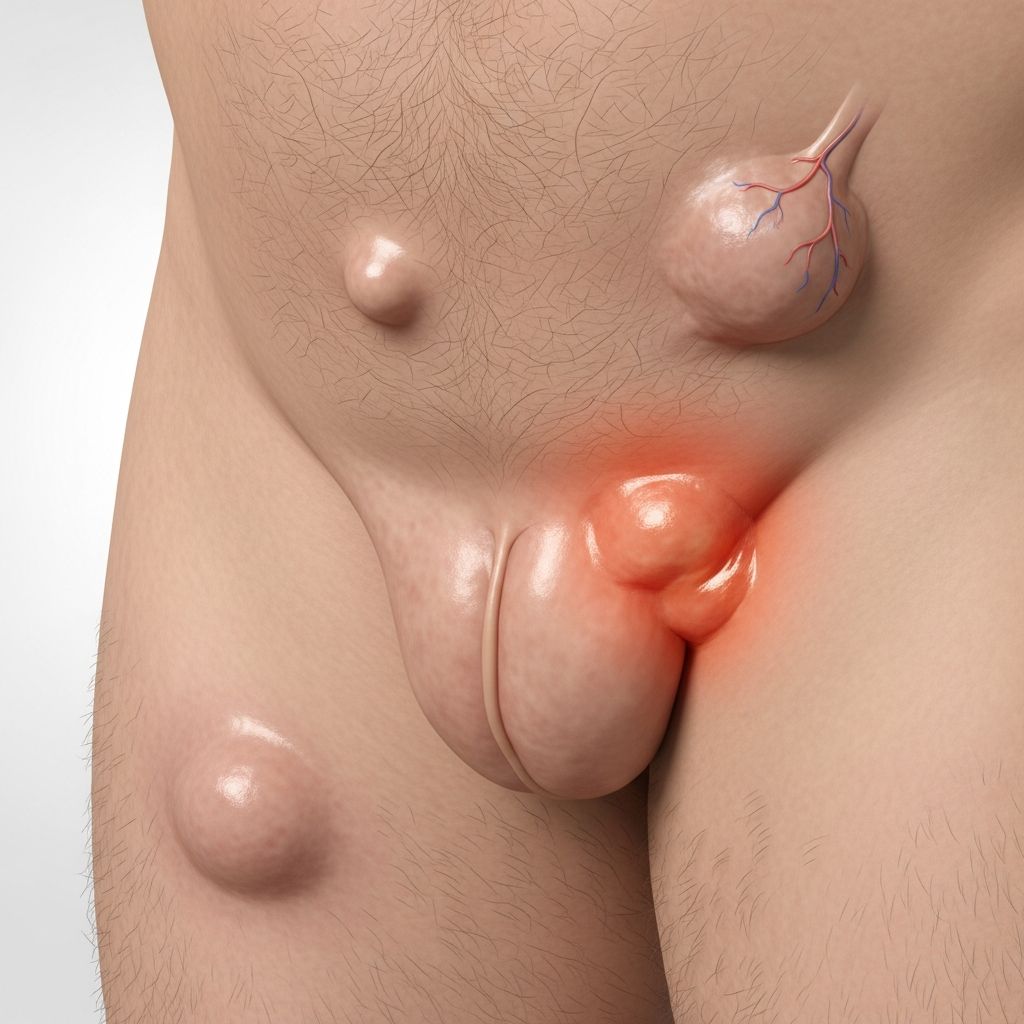
Lumps, pain or swelling in the scrotum are not uncommon and can occur in men of any age. Most do not represent serious problems but it is important to get any symptoms checked by a doctor. Even if you think it is probably something minor, it is still worth seeking medical advice to rule out any serious conditions such as testicular cancer.
What are scrotal lumps, pain and swelling?
The scrotum is the bag of skin that hangs below the penis and contains the testicles (testes). Lumps, swellings or tenderness can occur anywhere within the scrotum or on its overlying skin. Sometimes there may be some discomfort or pain. Lumps or swellings can be caused by a wide range of conditions including infections, inflammation, injury, fluid collections, cysts, or tumours.
Scrotal masses are lumps or swelling in the scrotum, the bag of skin that holds the testicles. They might be a buildup of fluids, growth of irregular tissue, or swollen, inflamed parts inside the scrotum. Even painless lumps should be checked promptly by a healthcare professional, as some could indicate cancer or affect testicular function.
Symptoms of scrotal lumps, pain and swelling
Symptoms vary depending on the underlying cause but commonly include:
- A lump or swelling in any part of the scrotum.
- Pain or discomfort in the scrotum, which may not be painful to touch.
- A lump that can be felt on or in a testicle (testis).
- An ulcer (sore) on the scrotal skin.
Other symptoms that may occur with scrotal problems include:
- Pain or discomfort in the lower abdomen or groin.
- Tenderness or warmth of the scrotum.
- Urethral discharge (leakage from the penis).
- Blood in the urine or semen.
- Hot penis.
- Fever.
If an infection causes a scrotal mass, additional symptoms might include fever, frequent urination, or pus/blood in urine. In cases of testicular torsion, sudden severe pain, nausea, and vomiting may occur.
When to see a doctor for scrotal lumps, pain or swelling
You should see a doctor urgently if you develop sudden, severe pain in your scrotum. This may be due to testicular torsion which is a medical emergency. Testicular torsion occurs when a testicle twists on the spermatic cord causing a sudden loss of blood supply to the testicle. This needs to be treated within a few hours in order to save the testicle.
See a doctor fairly quickly (within a few days) if you have any of the following:
- Any lump or swelling in the scrotum.
- Any pain or discomfort in the scrotum lasting more than a day or two.
- An ulcer (sore) on the scrotal skin.
Even painless lumps should be evaluated promptly. Most scrotal lumps are not cancer but it is important to have them checked to exclude testicular cancer or other serious conditions.
Causes of scrotal lumps, pain and swelling
There are many possible causes of scrotal lumps, pain and swelling. They include the following:
Skin conditions
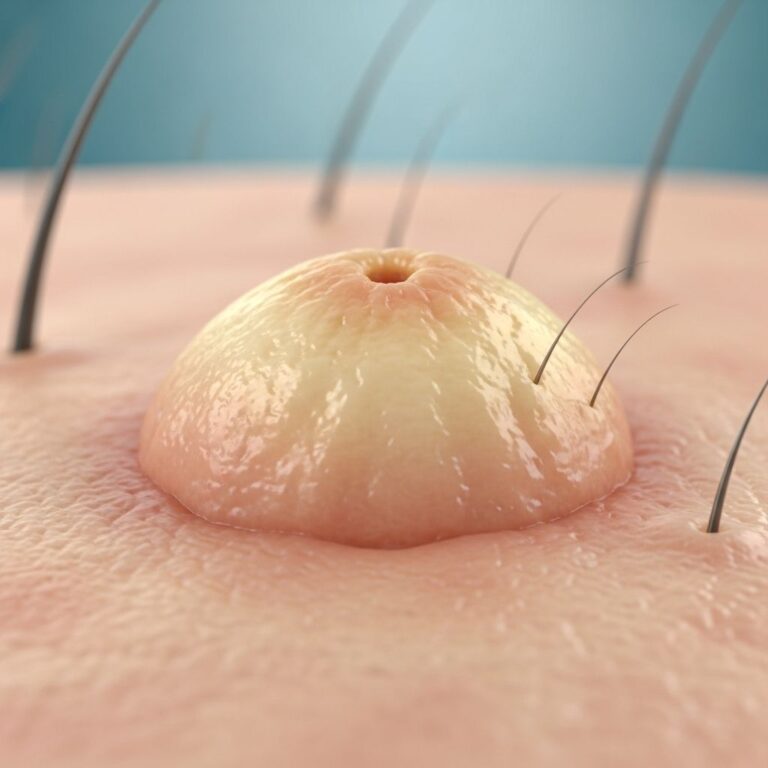
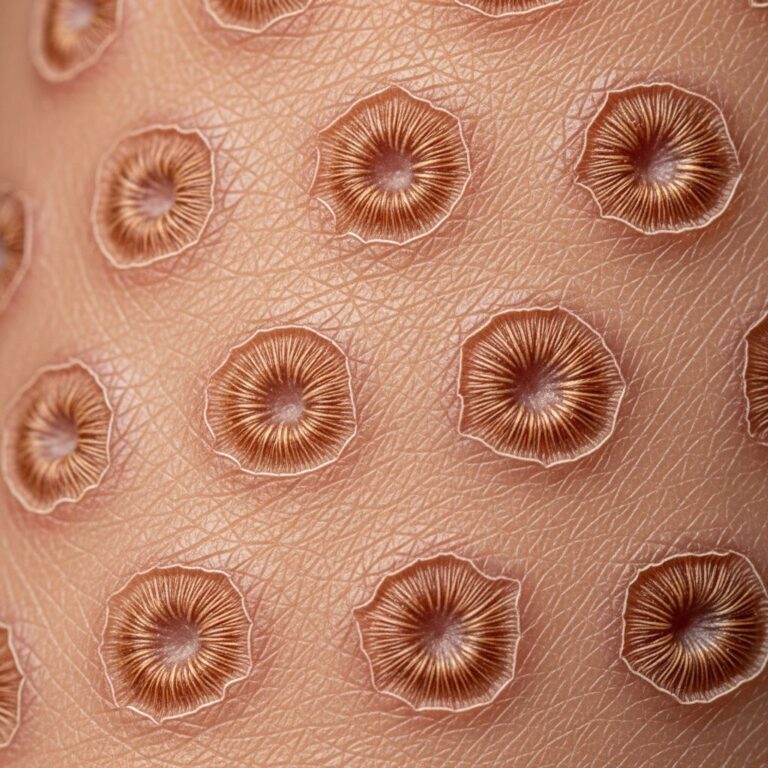
The skin conditions sebaceous cysts and folliculitis can cause scrotal lumps. Angiokeratomas of Fordyce are small dark red or blue tiny lumps caused by an overgrowth of blood vessels. Molluscum contagiosum causes small firm lumps. Genital warts are caused by human papillomavirus (HPV).
Related Stories



Hydrocele
A hydrocele is a collection of fluid in the scrotum. Most hydroceles develop in babies (congenital hydroceles). In adults, hydroceles usually develop gradually over time. The exact cause is not always clear but may be due to injury, infection, or inflammation. Very rarely, a hydrocele can be a sign of testicular cancer in young men.
Hydroceles cause a painless swelling that gradually enlarges the scrotum. The swelling is soft and the testicles can usually be felt within the swelling. Hydroceles often develop gradually over time.
Varicocele
A varicocele is a collection of enlarged veins (blood vessels) in the scrotum. They occur in about 1 in 20 men. They are often overdiagnosed as ‘normal’ and do not usually cause symptoms. A varicocele looks and feels like a bag of worms in the scrotum. They tend to develop during puberty and are more common on the left side.
Epididymal cyst
An epididymal cyst is a fluid-filled cyst in the epididymis (a coiled tube behind the testicle). Epididymal cysts are common and are usually painless and harmless. They are more common in middle-aged men. They feel like a smooth pea-sized swelling in the scrotum, above and behind the testicle.
Epididymo-orchitis
Epididymo-orchitis is an inflammation of the epididymis and/or testicle. It is usually caused by bacterial infection. In younger men, it is often due to sexually transmitted infections (STIs) such as chlamydia or gonorrhoea. In older men, it is often due to urinary tract infections or other bacteria.
Symptoms include a painful swollen testicle and scrotum, painful urination, discharge from the penis, and fever. Acute epididymitis is managed with antibiotics, with regimens tailored to likely pathogens.
Testicular torsion
Testicular torsion is when the spermatic cord twists cutting off the blood supply to the testicle. It usually causes sudden severe pain on one side of the scrotum. It mainly affects teenage boys but can occur at any age. It is a medical emergency requiring urgent surgery.
Testicular cancer
Testicular cancer is cancer that starts in one or both testicles. It is uncommon, affecting about 1 in 20,000 males per year in the UK. It usually occurs in young and middle-aged men (15-49 years old). The most common symptom is a lump or swelling in a testicle. Most lumps or swellings in the testicles are not cancer but all should be checked.
Inguinal hernia
An inguinal hernia occurs when part of the bowel pushes through a weak spot in the groin muscles into the scrotum. It causes a lump in the scrotum that often disappears when lying down. It may cause discomfort.
Other causes
Other less common causes include haematocele (blood collection around the testicle), scrotal abscess, orchitis (testicle inflammation often due to mumps virus), and spermatocele (fluid-filled sac above the testicle).
Diagnosis of scrotal lumps, pain and swelling
Diagnosis typically starts with a physical examination. Your doctor will examine the scrotum and testicles, feeling for lumps, tenderness, or swelling.
Investigations that may be advised include:
- Urine tests: to look for infection.
- Blood tests: to look for infection or tumour markers (in suspected testicular cancer).
- Ultrasound scan: the most useful test to examine the scrotum. It can usually tell the difference between a solid mass (which is more worrying) and a cyst or fluid-filled sac (which is usually harmless).
- Other imaging: MRI or CT scans if needed.
For epididymitis, urine culture guides antibiotic choice. Testicular torsion may require urgent Doppler ultrasound to assess blood flow.
Treatment of scrotal lumps, pain and swelling
Treatment depends on the underlying cause. Many conditions resolve with self-care or medication, while others require surgery.
| Condition | Treatment Options |
|---|---|
| Hydrocele | Observation if asymptomatic; minor surgery (hydrocelectomy) if large or painful. |
| Varicocele | Usually none needed unless causing pain or infertility; surgery or embolization. |
| Epididymal cyst | Observation; aspiration or surgery if painful. |
| Epididymitis | Antibiotics (e.g., ceftriaxone + doxycycline for STI-related; levofloxacin for enteric). Rest, pain relief. |
| Orchitis | Pain relief, rest; antibiotics if bacterial. |
| Testicular torsion | Urgent surgery (detorsion and orchiopexy). |
| Testicular cancer | Surgery (orchidectomy), chemotherapy, radiotherapy depending on stage. |
| Inguinal hernia | Surgery if symptomatic. |
Benign conditions like skin lumps may resolve spontaneously or require minor procedures. Pain relief with paracetamol or ibuprofen is often advised alongside specific treatments.
Complications
Untreated conditions can lead to chronic pain, infertility, abscess formation, or testicular loss (torsion, cancer). Testicular cancer has a high cure rate if caught early.
Prevention
- Practice safe sex to reduce STI risk.
- Wear supportive underwear during sports.
- Perform regular testicular self-exams: check monthly for lumps, swelling, or changes.
- Get vaccinated against mumps to prevent orchitis.
Frequently Asked Questions (FAQs)
Are scrotal lumps always cancer?
No, most scrotal lumps are benign, such as hydroceles or cysts, but all should be checked to rule out cancer.
What does testicular torsion feel like?
Sudden, severe pain in one testicle, often with nausea and swelling; seek emergency care immediately.
Can epididymitis go away on its own?
Bacterial cases require antibiotics; viral may resolve with rest, but see a doctor.
How is a hydrocele treated?
Often observed; surgery if symptomatic.
Should I worry about a painless lump?
Yes, get it checked promptly, as it could be testicular cancer.
References
- Scrotal Lumps — Birmingham Urology Centre. 2023. https://birminghamurologycentre.com/conditions/scrotal-lumps/
- Lumps in the Scrotum: Symptoms & Treatment — Healthy Male. 2024. https://healthymale.org.au/mens-health/scrotal-lumps/
- Scrotal Masses — American Academy of Family Physicians (AAFP). 2022-08-00. https://www.aafp.org/pubs/afp/issues/2022/0800/scrotal-masses.html
- Scrotal Masses – Symptoms and Causes — Mayo Clinic. 2024. https://www.mayoclinic.org/diseases-conditions/scrotal-masses/symptoms-causes/syc-20352604
- Scrotal Masses — MedlinePlus, U.S. National Library of Medicine. 2023. https://medlineplus.gov/ency/article/001283.htm
- Lump on Testicle (Scrotal Mass) — Cleveland Clinic. 2024. https://my.clevelandclinic.org/health/symptoms/21026-scrotal-masses
Similar Articles








Read full bio of Sneha Tete