Scrotal Lumps and Swelling: Causes and When to Seek Help
Understanding testicular lumps, swelling, and when medical evaluation is needed
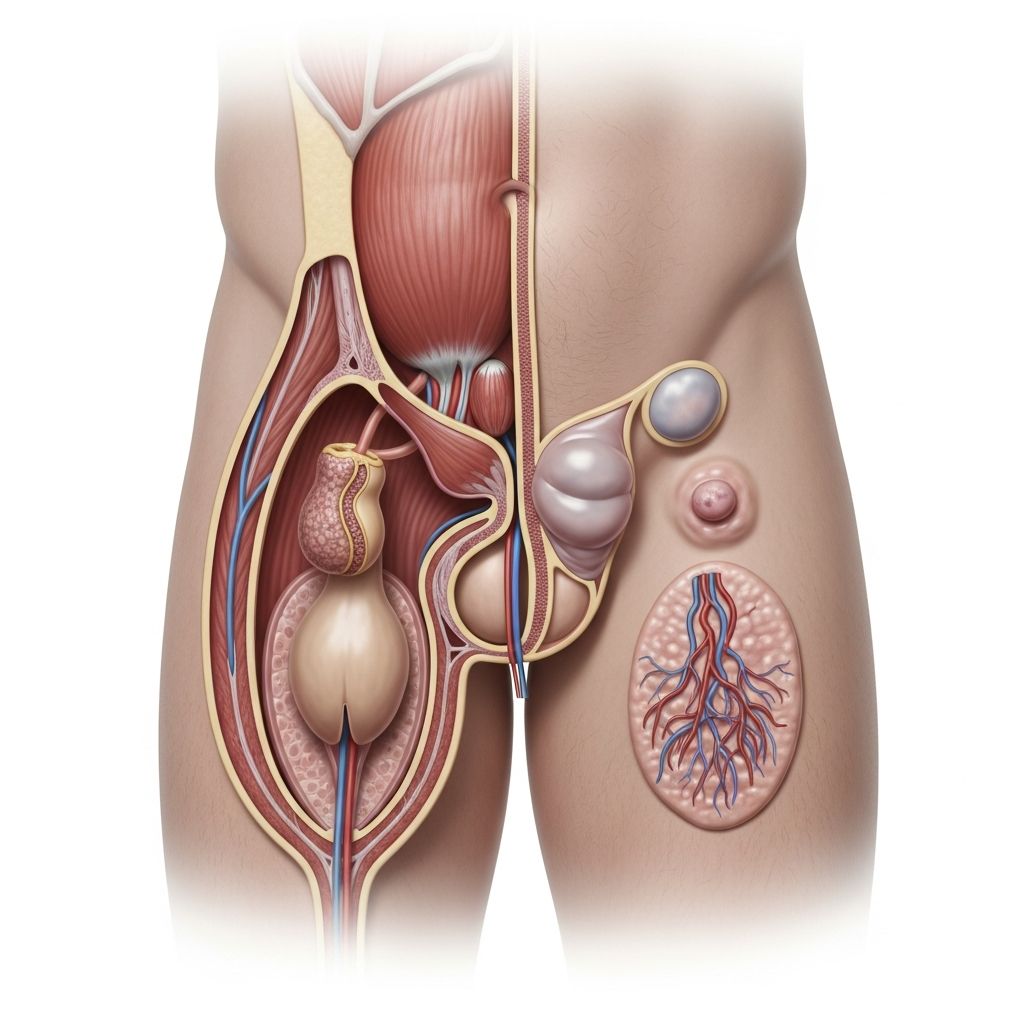
The discovery of an unusual lump or swelling in the scrotum can be concerning for any man. However, it’s important to understand that most scrotal masses are benign and caused by treatable conditions rather than serious disease. At the same time, any new growth, swelling, or change in the testicles warrants professional evaluation to rule out underlying conditions and ensure proper management.
What Are Scrotal Masses?
Scrotal masses refer to any lumps, bumps, or areas of swelling within the scrotum, the pouch of skin that encloses and protects the testicles. These masses can vary significantly in their characteristics and underlying causes. Some appear as painless, smooth lumps, while others may be accompanied by discomfort, tenderness, or visible swelling. The scrotum can develop masses from several different sources, including fluid accumulation, tissue growth, inflammation, or hardening of structures within the region.
Understanding the nature of a scrotal mass is essential because it helps differentiate between benign conditions that may resolve on their own and those requiring medical intervention. A healthcare provider should examine any new or unusual finding in this area to establish an accurate diagnosis.
Common Benign Causes of Scrotal Lumps
Hydroceles: Fluid Around the Testicle
A hydrocele is one of the most common causes of scrotal swelling and occurs when fluid accumulates around the testicle. The hallmark characteristic of a hydrocele is a painless, round, swollen testicle that can affect one or both sides of the scrotum. This condition is particularly common in newborns but can develop in adults, often following injury or infection.
The accumulated fluid creates a smooth, elastic feeling and causes visible enlargement of the affected side. Importantly, hydroceles in infants typically resolve within the first year of life without intervention. In older boys and men, however, the swelling may cause some discomfort and might require medical attention. Healthcare providers can diagnose a hydrocele using a simple technique: shining a bright light at the scrotum to see if light passes through. With a hydrocele, light will pass through, whereas a solid lump like cancer will not.
Varicoceles: Enlarged Veins in the Scrotum
A varicocele develops when veins within the scrotum become enlarged, similar to varicose veins that occur in the legs. This condition represents the most commonly occurring type of testicular lump and produces a characteristic sensation that many men describe as feeling like “a bag of worms.” Varicoceles typically cause a sense of heaviness or soreness in the affected testicle.
While many varicoceles are asymptomatic and do not require treatment, they deserve medical attention because they can potentially impact male fertility. Men concerned about their reproductive health or who notice progressive symptoms should consult with a healthcare provider to discuss monitoring or treatment options.
Epididymal Cysts and Spermatoceles
The epididymis is a soft, comma-shaped tube situated above and behind the testicle that stores and transports sperm. Fluid-filled sacs can develop on this structure, and these are classified into two types: epididymal cysts and spermatoceles. Spermatoceles contain sperm cells and are more frequently encountered than epididymal cysts. Both conditions are generally painless, though they may occasionally cause discomfort or mild swelling.
Related Stories



These cysts typically develop above the testicle and tend to be harmless. Many spermatoceles resolve naturally without intervention, making them one of the most benign scrotal findings a man might encounter.
Infections and Inflammatory Conditions
Epididymitis: Inflammation of the Sperm-Carrying Tube
Epididymitis represents inflammation of the epididymis and is frequently triggered by bacterial infections. This condition can develop following sexually transmitted infections such as chlamydia or gonorrhoea, as well as from other bacterial pathogens. Symptoms of epididymitis include testicle pain, scrotal swelling, fever, groin pain, and painful urination.
Men experiencing these symptoms should seek medical evaluation promptly, as epididymitis typically requires antibiotic treatment to resolve and prevent complications.
Orchitis: Testicular Infection and Inflammation
Orchitis occurs when one or both testicles become inflamed or swollen due to bacterial or viral infection. This condition can develop independently or alongside epididymitis, in which case it is referred to as epididymo-orchitis. Multiple organisms can cause orchitis, including the mumps virus and sexually transmitted pathogens like gonorrhoea and chlamydia.
Several risk factors increase the likelihood of developing orchitis, including being over age 45, having multiple sexual partners, lacking mumps vaccination, experiencing recurrent urinary tract infections, and prolonged catheter use. Symptoms include testicle pain, blood in semen, penile discharge, fever, groin pain, painful intercourse or ejaculation, painful urination, scrotal swelling, and tenderness in the affected groin area. If pain worsens rapidly, medical evaluation should not be delayed.
Serious Conditions Requiring Urgent Attention
Testicular Torsion: A Medical Emergency
Testicular torsion is a medical emergency in which the spermatic cord—the structure containing blood vessels and nerves that supply the testicle—becomes twisted. This twisting can cut off blood supply to the testicle, potentially leading to permanent damage if not corrected quickly. Torsion can occur at any age but is more common in young boys.
The symptoms of testicular torsion are unmistakable and include sudden, severe pain in one testicle, a red scrotum in the area of the twisted testicle, swelling on one side of the scrotum, nausea or vomiting, and a testicle pulled to a higher position in the scrotum. This condition demands immediate emergency room evaluation. Any man experiencing sudden, intense testicular pain or swelling should go to the emergency room immediately.
Inguinal Hernia
An inguinal hernia involves tissue pushing through a weak spot in the abdominal muscles into the groin area. This condition can cause swelling in the scrotal region and is classified as one of the two most serious causes of scrotal pain and swelling requiring prompt medical attention.
Testicular Cancer
While testicular cancer remains relatively uncommon, any evaluation of a scrotal lump must consider this possibility. Testicular cancer typically occurs in men between ages 15 and 40, though it can affect men of other ages. The most common symptom of testicular cancer is a painless lump or swelling in the scrotum, which can be as small as a pea or much larger.
Additional signs and symptoms of testicular cancer include a testicle that becomes noticeably larger, a heavy sensation in the scrotum, discomfort or pain in a testicle or the scrotum, enlargement or tenderness of breast tissue, a dull ache in the lower abdomen or groin area, and back pain. It is crucial to note that testicular cancer typically affects only one testicle. The presence of a painless lump warrants particular attention, as painless lumps are more concerning for cancer than those accompanied by pain or infection.
Distinguishing Features: Pain Versus Painless Lumps
The presence or absence of pain provides important clues about the underlying cause of a scrotal lump. Understanding this distinction helps guide clinical evaluation and urgency of care.
Painful Scrotal Masses
Lumps accompanied by pain, tenderness, and swelling are more commonly associated with infections or trauma. These conditions often produce additional symptoms such as fever, nausea, vomiting, and a testicle positioned at an unusual angle. Painful scrotal masses frequently require antibiotic treatment or other interventions but are less likely to represent cancer.
Painless Scrotal Masses
Painless lumps, such as epididymal cysts, typically do not cause discomfort but may create a sensation of heaviness in the affected testicle. A painless lump warrants particular attention, as a testicle lump that does not hurt may be a sign of cancer. This does not mean that every painless lump is cancerous, as many benign conditions present without pain, but painless findings require professional evaluation to establish their nature.
When to Seek Medical Evaluation
Seek Immediate Emergency Care If:
- You experience sudden, severe testicular or scrotal pain
- Swelling develops suddenly in the scrotum
- You have severe pain accompanied by nausea or vomiting
- Your testicle appears to be positioned unusually high or at an abnormal angle
Contact Your Doctor Within 24 Hours If:
- Scrotal pain comes and goes and persists for more than 24 hours
- You notice blood in your urine or semen
- You experience pain or burning during urination
- You observe what appears to be a boil, infected sore, or infected rash
Schedule a Regular Appointment If:
- You discover a new, painless lump on your testicle
- You notice swelling that disappears when you apply pressure and causes no pain
- You have any scrotal swelling lasting more than a few days
- You notice any other changes or have concerns about your testicular health
Diagnostic Approach
A healthcare provider will begin by taking a detailed history of your symptoms and performing a physical examination of the scrotum and testicles. The examination includes palpation—careful feeling of the affected area—to determine the size, location, consistency, and tenderness of any lumps or swelling.
Based on the physical examination findings, additional testing may be ordered to establish a definitive diagnosis. These tests can include ultrasound imaging, which provides detailed visualization of the testicular structures and can help differentiate between various conditions. For suspected hydroceles, a healthcare provider may use transillumination, shining a bright light through the scrotum to determine if fluid is present.
Frequently Asked Questions
Does a lump on my testicle always mean I have cancer?
No. Most scrotal lumps and swelling are caused by benign conditions such as hydroceles, varicoceles, epididymal cysts, or infections. However, all new lumps should be evaluated by a healthcare provider to determine their cause and ensure appropriate management.
Can scrotal swelling go away on its own?
Some conditions may improve without treatment. For example, hydroceles in newborns typically resolve within a year, and some spermatoceles resolve naturally. However, this does not mean that all swelling will disappear without care. Professional evaluation helps determine whether a condition requires treatment or monitoring.
What should I do if I find a lump?
Schedule an appointment with your healthcare provider for evaluation. Avoid delaying the visit, especially if the lump is painless, as prompt evaluation helps rule out serious conditions and establish an accurate diagnosis for appropriate management.
Are some causes of scrotal swelling more common than others?
Yes. Varicoceles represent the most commonly occurring type of testicular lump, while hydroceles are among the most common causes of scrotal swelling overall. However, the specific cause varies among individuals, and professional evaluation is necessary to identify the reason for any particular case of swelling.
Self-Examination and Awareness
Regular awareness of your testicular health supports early detection of any changes or abnormalities. Familiarity with the normal size, shape, and feel of your testicles makes it easier to identify when something new develops. If you discover any new lump, swelling, change in size, or other unusual finding, arrange a medical evaluation rather than assuming the change is insignificant.
Conclusion
Scrotal lumps and swelling encompass a wide range of conditions, from benign findings that require no treatment to serious conditions demanding urgent care. While most scrotal masses are not cancer, professional evaluation remains essential for all new findings. Understanding the characteristics of common conditions, recognizing warning signs that warrant emergency evaluation, and seeking timely medical attention when needed will help ensure proper diagnosis and appropriate management of any scrotal abnormality you may discover.
References
- Testicular Swelling, Swollen Testicle Causes, Hydrocele — University of Utah Health. https://healthcare.utah.edu/mens-health/conditions/hydrocele-swollen-testicle
- Testicular Lumps: Causes and Symptoms — Harley Street Ultrasound. https://www.harleystreetultrasound.com/articles/lumps-in-testes
- Testicular Cancer — Symptoms and Causes — Mayo Clinic. 2024. https://www.mayoclinic.org/diseases-conditions/testicular-cancer-care/symptoms-causes/syc-20352986
- Scrotal Masses — Symptoms and Causes — Mayo Clinic. 2024. https://www.mayoclinic.org/diseases-conditions/scrotal-masses/symptoms-causes/syc-20352604
- Testicle Lump — MedlinePlus Medical Encyclopedia, U.S. National Library of Medicine. https://medlineplus.gov/ency/article/003162.htm
- Lump On Testicle (Scrotal Mass): Causes and Treatment — Cleveland Clinic. 2024. https://my.clevelandclinic.org/health/symptoms/21026-scrotal-masses
- Symptoms of Testicular Cancer — Cancer Research UK. https://www.cancerresearchuk.org/about-cancer/testicular-cancer/symptoms
Similar Articles








Read full bio of medha deb