Scrotodynia: Understanding Chronic Scrotal Pain
Comprehensive guide to scrotodynia: causes, symptoms, and effective treatment options.
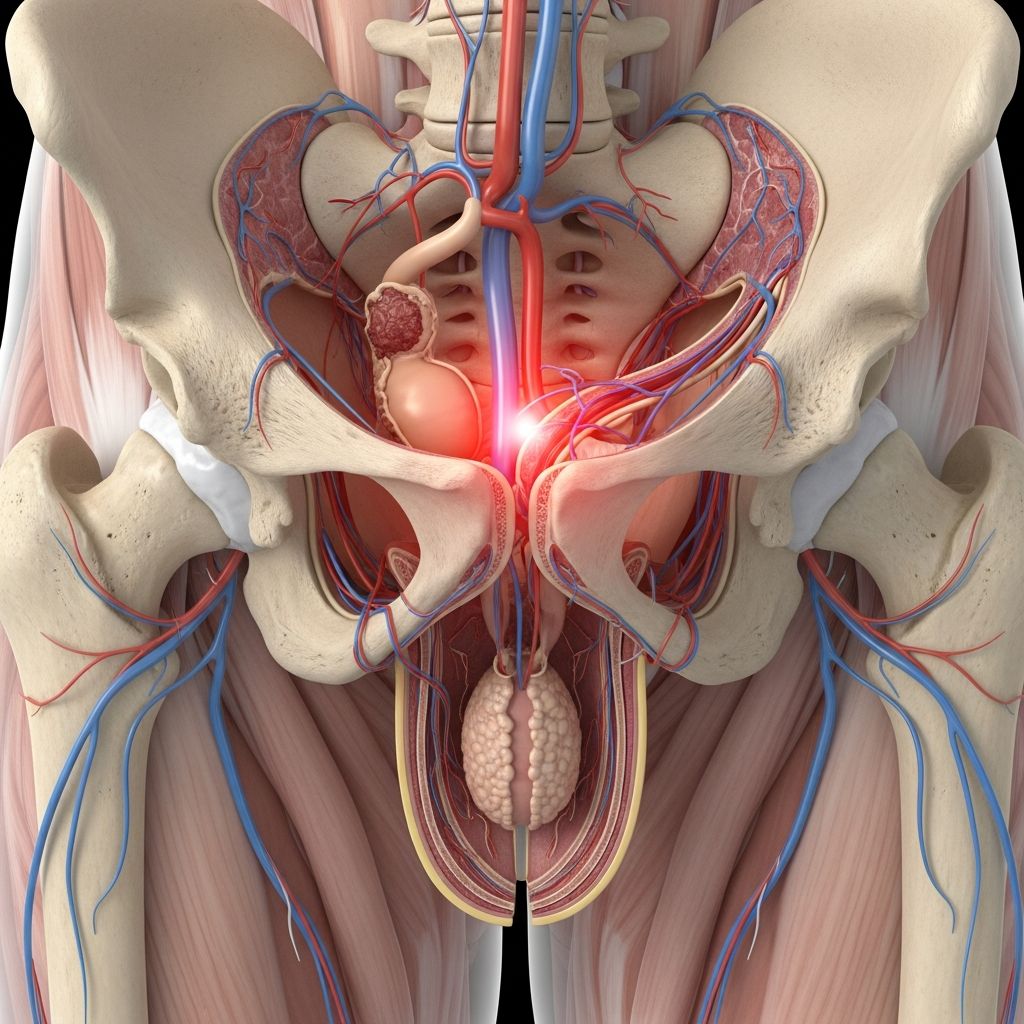
Scrotodynia: A Comprehensive Overview
Scrotodynia is a chronic pain syndrome affecting the scrotal skin, characterized by persistent discomfort when the underlying cause remains unidentified. This condition represents a complex dermatological and neurological challenge that significantly impacts the quality of life for affected individuals. The term scrotodynia is specifically applied when medical evaluation has excluded other identifiable causes of scrotal discomfort, distinguishing it from conditions with known etiologies such as infections, inflammatory dermatoses, or traumatic injuries.
Understanding Scrotodynia: Definition and Classification
Scrotodynia falls under the broader category of genital dysesthesia, which encompasses abnormal sensations in the genital region. The condition is also known as burning scrotum syndrome or male genital dysesthesia, terms often used interchangeably in medical literature. What distinguishes scrotodynia from other scrotal conditions is the absence of an identifiable cause—the diagnosis is reserved for cases where thorough investigation has failed to reveal an underlying pathological basis.
Patients presenting with scrotodynia experience a range of sensory disturbances including burning sensations, warmth, heat, irritation, hyperalgesia (increased pain sensitivity), and tingling. These symptoms may be localized to specific areas of the scrotum or affect the entire external genital region. The condition typically affects males predominantly in the latter half of their lives, though it can occur at any age.
Etiology: Causes and Pathophysiology
The precise cause of scrotodynia remains unknown, making it a particularly challenging condition to manage. However, research has identified several plausible mechanisms that may contribute to its development. Like other chronic pain syndromes, scrotodynia likely involves a complex interplay between components of the nervous system, including the peripheral nerves, spinal cord, brain, and various neurotransmitter systems.
Leading Theories
- Rebound Vasodilation: Prolonged application of topical corticosteroids may trigger rebound vasodilation—a compensatory widening of blood vessels—when the medication is discontinued. This is thought to release cutaneous stores of nitric oxide that were synthesized to counteract steroid-induced vasoconstriction.
- Localized Erythromelalgia: This hypothesis suggests involvement of small and large fiber neuropathy associated with abnormal local blood flow regulation. Erythromelalgia typically presents with triggering factors such as temperature extremes, intense physical activity, emotional stress, alcohol consumption, and smoking.
- Neurogenic Inflammation: Sensory nerve endings release neuropeptides that trigger the release of proinflammatory cytokines and chemokines, leading to localized inflammation and pain.
- Prostaglandin-Mediated Mechanisms: Some researchers propose that abnormalities in prostaglandin synthesis and mesenteric blood flow may contribute to symptom development.
Clinical Presentation and Symptoms
Scrotodynia presents with a constellation of subjective symptoms that can vary significantly between individuals. The primary complaint is typically persistent burning or heat sensation in the scrotal region. Associated symptoms may include:
- Burning sensation ranging from mild to severe
- Warmth or heat without visible inflammation
- Tingling or paresthesia (abnormal sensations)
- Hyperalgesia (heightened pain response to stimuli)
- Irritation and rawness of scrotal skin
- Discomfort that may be exacerbated by certain factors
The symptoms of scrotodynia can cause significant disruption to patients’ social, occupational, and sexual functioning. Many patients report that their symptoms persist for months or years, creating substantial psychological distress alongside the physical discomfort.
Related Stories



Diagnostic Approach
The diagnosis of scrotodynia is essentially one of exclusion. Healthcare providers must systematically rule out other conditions that cause scrotal burning, stinging, irritation, and rawness. This includes careful evaluation for:
- Infectious processes (fungal, bacterial, or viral)
- Inflammatory skin conditions (contact dermatitis, lichen planus, psoriasis)
- Traumatic injuries
- Vascular disorders
- Neuropathic conditions with known etiologies
- Malignancy
Physical examination typically reveals minimal objective findings beyond localized erythema or a well-marginated inflammatory red patch confined to the scrotum. Histological examination, when performed, usually shows telangiectasia (dilated blood vessels) without prominent inflammation, but no pathognomonic findings are characteristic of scrotodynia.
Treatment Approaches for Scrotodynia
Treatment of scrotodynia can be challenging, and a satisfying therapeutic outcome is not guaranteed in all cases. However, multiple treatment modalities have demonstrated efficacy in clinical practice and published case reports. A tailored, multimodal approach is often most effective.
Systemic Pharmacological Treatments
Antidepressants and Anxiolytics: Despite their traditional use in psychiatric conditions, certain antidepressants are highly effective for chronic pain syndromes. Medications with demonstrated effectiveness include:
- Amitriptyline: A tricyclic antidepressant that may work through multiple pain-modulating pathways
- Paroxetine: A selective serotonin reuptake inhibitor (SSRI) that modulates pain perception
- Fluoxetine: Another SSRI with analgesic properties in chronic pain conditions
These medications typically require several weeks of consistent use before therapeutic effects become apparent, and benefits may diminish if medications are discontinued.
Neuropathic Pain Agents: Medications traditionally used for neuropathic pain have shown promise:
- Gabapentin: Binds to voltage-dependent calcium channels, interfering with aberrant nerve signaling
- Pregabalin: Similar mechanism of action to gabapentin, may be effective for symptom control
Anti-inflammatory Medications: Nonsteroidal anti-inflammatory drugs have demonstrated efficacy:
- Indomethacin: A potent NSAID that inhibits prostaglandin synthesis and causes vasoconstriction. Case reports document rapid improvement with indomethacin 50 mg three times daily, with 60-70% improvement in pain and erythema within 10 days.
- Doxycycline: An antibiotic with well-documented anti-inflammatory properties. Treatment may require 2-4 weeks for initial improvement, with complete resolution possible within approximately 4 months.
Beta-Blockers: Oral and topical beta-blockers may be beneficial:
- Carvedilol (oral): May work by interfering with beta-2 adrenoreceptors to induce vasoconstriction
- Timolol maleate (0.5% topical gel): Provides localized vascular effects
Topical Treatments
Topical applications provide symptomatic relief and may be used as adjunctive therapy:
- Lidocaine patches or creams: Provide temporary local numbing of affected areas
- Topical corticosteroids: May reduce inflammation, though care must be taken to avoid prolonged use which may paradoxically worsen symptoms through rebound vasodilation
- Menthol and camphor preparations: May offer partial, temporary symptomatic relief
- Topical anesthetics: Provide short-term pain management
Advanced Treatment Options
Botulinum Toxin Injections: Emerging evidence suggests botulinum toxin may benefit patients with treatment-resistant scrotodynia. This approach is particularly useful when pelvic floor muscle spasm contributes to nerve compression. Patients report improvement in pain and burning sensations, with effects sustained for several months. Symptoms may recur if injections are not repeated periodically.
Neuromodulation Therapy: For severe cases refractory to conventional treatments, spinal cord stimulation or peripheral nerve stimulation may be considered. These techniques use electrodes to modify pain signal transmission, offering an alternative for patients with debilitating symptoms.
Lifestyle Modifications and Conservative Measures
Non-pharmacological approaches form an important component of comprehensive scrotodynia management:
- Clothing choices: Wear loose-fitting, cool underwear such as boxer shorts to minimize friction and heat retention
- Hygiene practices: Discontinue use of harsh soaps and potentially irritating topical products
- Environmental triggers: Avoid exposures that exacerbate symptoms, such as prolonged sitting, excessive heat, or intense physical activity
- Dietary modifications: Eliminate or reduce alcohol and caffeine consumption, which may trigger or worsen symptoms
- Cold therapy: Utilize cold compresses for temporary symptomatic relief
- Medication review: Discontinue topical corticosteroids to prevent rebound vasodilation
Psychological Support
Chronic genital pain can profoundly impact mental health and quality of life. Psychological support, particularly cognitive behavioral therapy, helps patients reframe their experience of the sensations and develop effective coping strategies. This multidisciplinary approach addresses both the physical and psychological dimensions of the condition.
Prognosis and Disease Course
The prognosis for scrotodynia varies considerably among patients. While some individuals respond well to treatment, others experience persistent symptoms despite multiple therapeutic interventions. An important consideration is that symptoms may recur following cessation of effective medications, necessitating long-term management strategies.
Prevention and Risk Reduction
As the etiology of scrotodynia remains unknown, comprehensive preventative strategies have not been definitively established. However, prudent measures may include avoiding prolonged topical corticosteroid use in the genital region, minimizing exposure to irritants and allergens, maintaining appropriate clothing choices, and limiting consumption of potential triggering substances such as alcohol and caffeine.
Frequently Asked Questions
Q: What is the difference between scrotodynia and red scrotum syndrome?
A: Scrotodynia specifically refers to chronic scrotal pain when the cause is unknown. Red scrotum syndrome (burning scrotum syndrome) is a related condition that may have identifiable causes such as rebound vasodilation from topical corticosteroids or erythromelalgia. The terms are related but scrotodynia is diagnosed when no underlying cause can be identified.
Q: How long does it take for treatments to work?
A: Treatment response varies by medication. Indomethacin may show improvement within 10 days, while doxycycline typically requires 2-4 weeks for initial improvement and up to 4 months for complete resolution. Antidepressants like amitriptyline may take several weeks to demonstrate therapeutic effects.
Q: Will scrotodynia symptoms return after stopping medication?
A: Yes, symptoms may recur upon cessation of effective medications. Many patients require ongoing treatment to maintain symptom control, making this a chronic condition requiring long-term management strategies.
Q: Are there any lifestyle changes that help with scrotodynia?
A: Yes, several lifestyle modifications can help manage symptoms, including wearing loose-fitting cool underwear, avoiding harsh soaps, limiting alcohol and caffeine, using cold compresses, and discontinuing topical corticosteroid creams.
Q: What should I do if multiple treatments fail?
A: If conventional treatments prove ineffective, advanced options include botulinum toxin injections, neuromodulation therapy such as spinal cord stimulation, and psychological support including cognitive behavioral therapy. Consultation with specialized dermatologists experienced in managing chronic genital pain is recommended.
References
- Scrutinizing Red Scrotum Syndrome — The Dermatology Digest. https://thedermdigest.com/scrutinizing-red-scrotum-syndrome/
- Scrotodynia — DermNet. https://dermnetnz.org/topics/scrotodynia
- Rapid improvement of burning scrotum syndrome with indomethacin — National Center for Biotechnology Information (NCBI). 2021. https://pmc.ncbi.nlm.nih.gov/articles/PMC8113988/
- Treatment of male genital dysesthesia with botulinum toxin — National Center for Biotechnology Information (NCBI). 2020. https://pmc.ncbi.nlm.nih.gov/articles/PMC7988264/
- What Is Genital Dysesthesia? Understanding the Condition — Hims. https://www.hims.com/conditions/genital-dysesthesia
- Genital dysaesthesia. Penile or scrotodynia — DermNet. https://dermnetnz.org/topics/male-genital-dysaesthesia
Similar Articles








Read full bio of Sneha Tete