Scrub Typhus: 8 Essential Facts To Diagnose, Treat, And Prevent
Acute febrile illness from chigger bites: symptoms, eschar, rash, complications, doxycycline treatment, and prevention strategies.
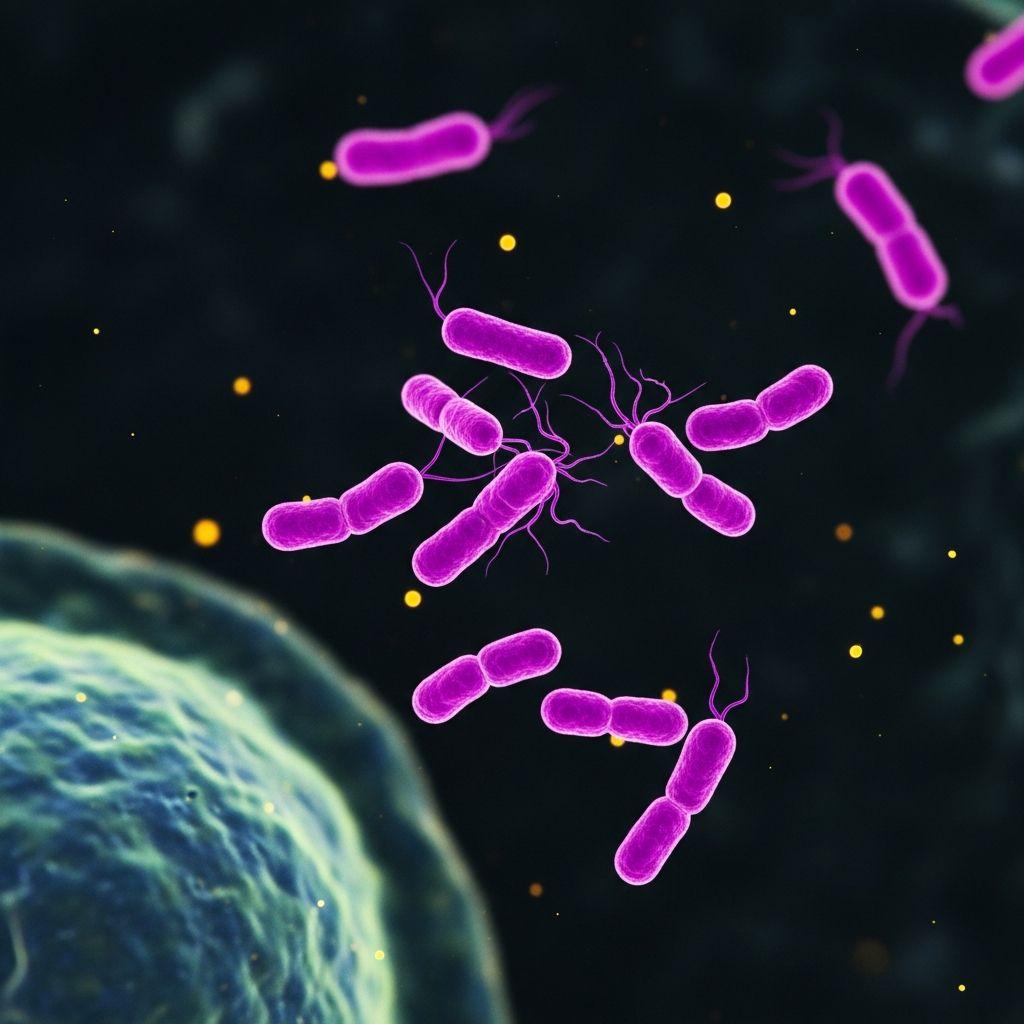
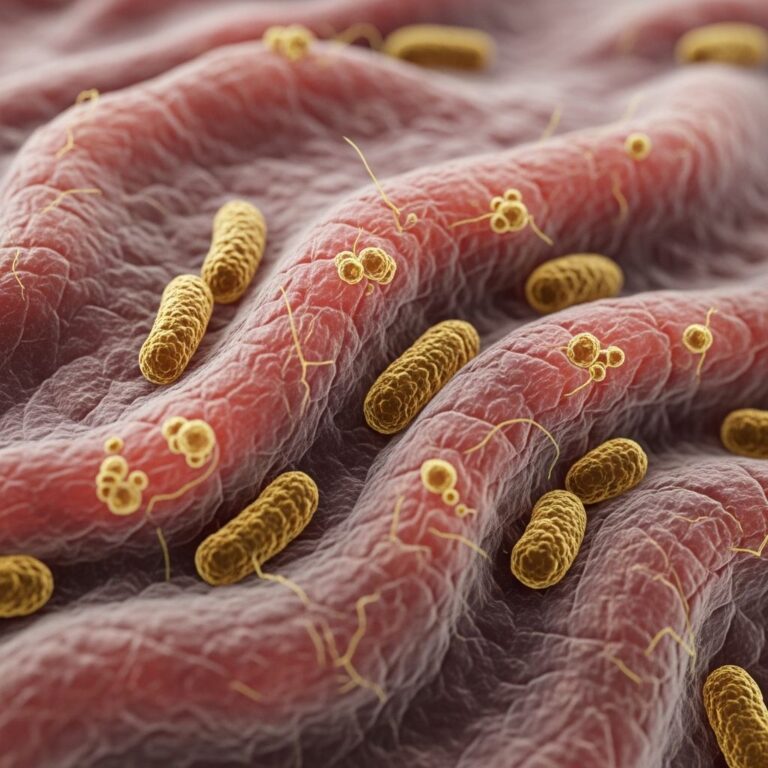
Scrub typhus is an acute infectious disease caused by the intracellular bacterium Orientia tsutsugamushi, a member of the family Rickettsiaceae, transmitted to humans via the bite of infected larval mites (chiggers) of the genus Trombicula. Endemic to the Asia-Pacific region, including parts of Australia, it presents with a classic triad of fever, headache, and myalgia, often accompanied by an eschar at the bite site and a maculopapular rash. Early diagnosis and treatment with antibiotics like doxycycline lead to rapid recovery, but untreated cases can result in severe multi-organ complications.
What is scrub typhus?
Scrub typhus, also known as bush typhus or tsutsugamushi disease, is a vector-borne zoonosis prevalent in scrub vegetation areas across Southeast Asia, the Indian subcontinent, China, Japan, Korea, and islands of the Western Pacific and Indian Ocean. The name ‘scrub typhus’ derives from the scrub-covered habitats where chiggers thrive. It was first described during World War II among Allied troops in the region, highlighting its potential as a significant public health threat in endemic zones.
The disease occurs sporadically or in outbreaks, particularly during cooler, rainy seasons when chigger populations peak. Humans are accidental hosts; the natural reservoir includes rodents and other small mammals that maintain the bacteria in a sylvatic cycle. Annual global incidence exceeds one million cases, with high mortality in untreated severe forms.
Who gets scrub typhus?
Individuals at highest risk include farmers, plantation workers, soldiers, and travelers engaging in outdoor activities in endemic areas. Children and adults in rural settings with frequent exposure to scrubby grasslands, forests, or rice fields are commonly affected. Urban outbreaks are rare but have occurred in areas with encroaching vegetation.
- Rural agricultural workers
- Military personnel in field operations
- Ecotourists and hikers
- Residents near mite-infested scrublands
Occupational exposure accounts for most cases, but anyone brushing against infested vegetation can be bitten unknowingly.
What causes scrub typhus?
The causative agent is Orientia tsutsugamushi, an obligate intracellular Gram-negative bacterium distinct from other rickettsiae due to its unique antigenic diversity (over 20 serotypes). Chiggers acquire the pathogen from infected rodent hosts during blood meals and transmit it to humans via saliva during feeding. The bite is often painless and goes unnoticed.
Transmission does not occur person-to-person, via fomites, or through adult mites, which do not feed on humans. No evidence supports airborne or waterborne spread.
What are the clinical features of scrub typhus?
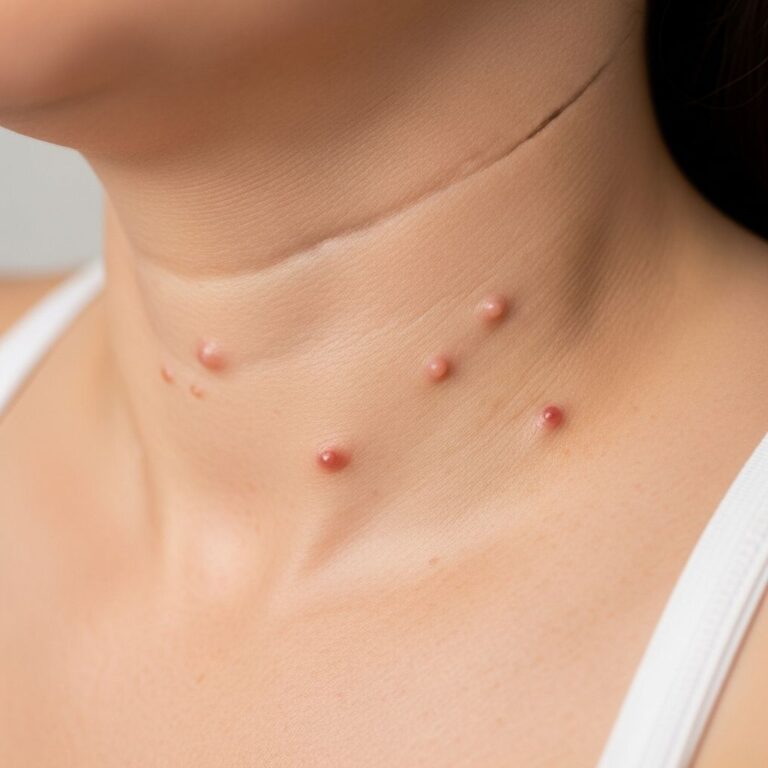
Incubation period ranges from 6–21 days, averaging 10–14 days. Symptoms onset abruptly with high fever (39–40°C), chills, severe headache, and generalized myalgia. A hallmark eschar—a painless, necrotic ulcer with a black crust—develops at the bite site in 50–80% of cases, typically on the trunk, axillae, groin, or genitals. Regional lymphadenopathy follows.
By days 5–8, a maculopapular rash emerges on the trunk, spreading to limbs but sparing the face, palms, and soles initially. Palmar/plantar erythema may appear later. Other features include conjunctival injection, cough, nausea, vomiting, and abdominal pain.
Severe scrub typhus
Untreated, progression to severe disease occurs in 10–25% by week 2, with multi-organ involvement: pneumonia, acute respiratory distress syndrome (ARDS), myocarditis, hepatitis, renal failure, meningitis, or encephalitis. Jaundice, bleeding tendencies, and shock signal high mortality (up to 30% without antibiotics).
Related Stories



| Early Phase (Days 1–7) | Late Phase (Days 8+) |
|---|---|
| Fever, chills, headache, myalgia | Rash, eschar, lymphadenopathy |
| Conjunctivitis, cough | Organ dysfunction (lungs, heart, liver, kidneys) |
| Nausea, vomiting | Meningoencephalitis, ARDS |
How is scrub typhus diagnosed?
Diagnosis combines clinical suspicion, eschar/rash findings, and laboratory confirmation in endemic areas. Serology (IgM ELISA, indirect immunofluorescence) detects antibodies; PCR on blood, eschar, or tissue is highly sensitive for early detection. Blood tests show thrombocytopenia, leukopenia, elevated liver enzymes, and hyponatremia. Weil-Felix test (OXK agglutinins) is non-specific but supportive.
- Clinical: Eschar + fever + endemic exposure
- Imaging: Chest X-ray for pneumonia
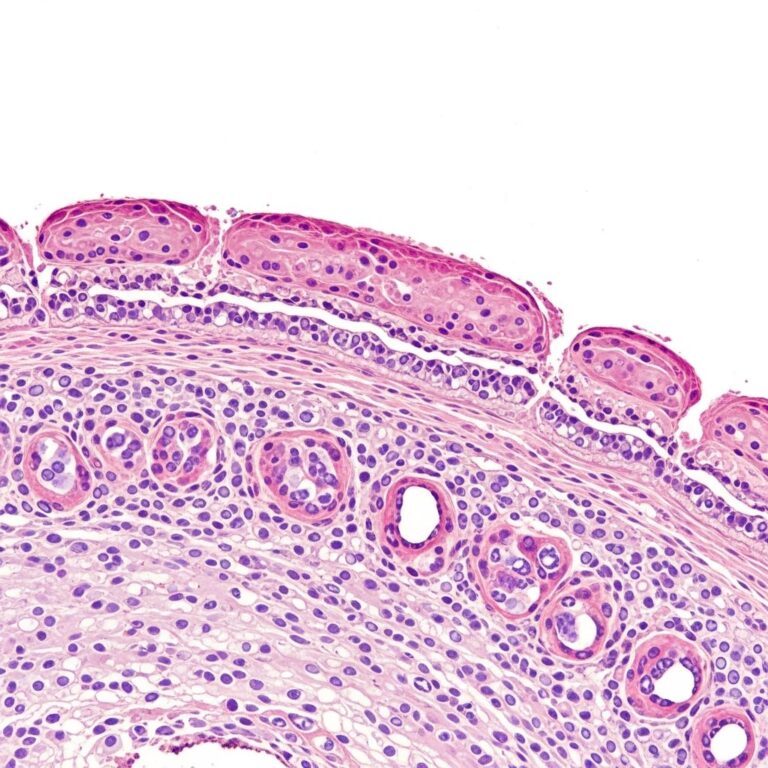
- Biopsy: Eschar histopathology shows vasculitis
What is the treatment for scrub typhus?
Doxycycline is first-line: 100 mg orally/IV twice daily for adults (2.2 mg/kg/day for children >8 years), continued until afebrile for 48 hours and at least 7 days total. Azithromycin (500 mg day 1, then 250 mg daily for 4 days) or chloramphenicol are alternatives, especially in pregnancy or doxycycline intolerance. Rifampin serves for resistant cases. Supportive care includes fluids, oxygen, and ventilation for severe complications.
Response is rapid: defervescence within 48 hours. Relapse risks with short courses; monitor for resistance reported in Thailand.
What are the complications of scrub typhus?
- Pulmonary: Interstitial pneumonia, ARDS (10–20% severe cases)
- Cardiac: Myocarditis, pericarditis, arrhythmias
- Neurological: Meningitis, encephalitis, seizures
- Hepatorenal: Acute liver failure, acute kidney injury
- Hematological: DIC, hemorrhage
Mortality drops from 7–30% untreated to <1% with timely antibiotics.
How can scrub typhus be prevented?
No vaccine exists due to antigenic variability. Prevention focuses on bite avoidance:
- Wear long sleeves, pants tucked into boots in endemic areas
- Use DEET repellents (30–50%) on skin/clothes
- Permethrin-treat clothing/bedding
- Avoid sitting/laying on grass; clear vegetation around homes
- Early treatment of suspected cases
Post-exposure doxycycline prophylaxis (200 mg single dose) may be considered for high-risk exposures.
Related topics - Rickettsial infections
- Mite bites
- Tropical fevers
- Eschar causes
Frequently asked questions about scrub typhus
What is the eschar in scrub typhus?
A black necrotic scab at the chigger bite site, present in 50–80% of cases, aiding diagnosis.
Is scrub typhus contagious?
No, it spreads only via chigger bites, not person-to-person.
How long does scrub typhus last with treatment?
Symptoms improve within 48 hours; full recovery in 7–10 days.
Can children get scrub typhus?
Yes; doxycycline safe >8 years, azithromycin for younger.
Is there a scrub typhus vaccine?
No licensed vaccine; prevention relies on repellents and clothing.
References
- Scrub Typhus: Causes, Symptoms, Diagnosis, and Treatment — Max Lab. 2023-05-15. https://www.maxlab.co.in/blogs/scrub-typhus-causes-symptoms-diagnosis-and-treatment
- Scrub Typhus – StatPearls — NCBI Bookshelf. 2023-07-17. https://www.ncbi.nlm.nih.gov/books/NBK558901/
- Scrub Typhus – Infectious Diseases — Merck Manuals. 2024-01-01. https://www.merckmanuals.com/professional/infectious-diseases/rickettsiae-and-related-organisms/scrub-typhus
- Scrub typhus — DermNet NZ. 2023-11-20. https://dermnetnz.org/topics/scrub-typhus
- Clinical Overview of Scrub Typhus — CDC. 2024-06-12. https://www.cdc.gov/typhus/hcp/clinical-overview/clinical-overview-of-scrub-typhus.html
- Scrub Typhus: Causes, Symptoms and Treatment — KLE Hospitals. 2023-09-10. https://www.klehospital.org/conditions/scrub-typhus
Similar Articles








Read full bio of Sneha Tete