Scurvy: Symptoms, Causes & Treatment Explained
Comprehensive guide to scurvy: symptoms, causes, diagnosis, treatment, and prevention of vitamin C deficiency disease.
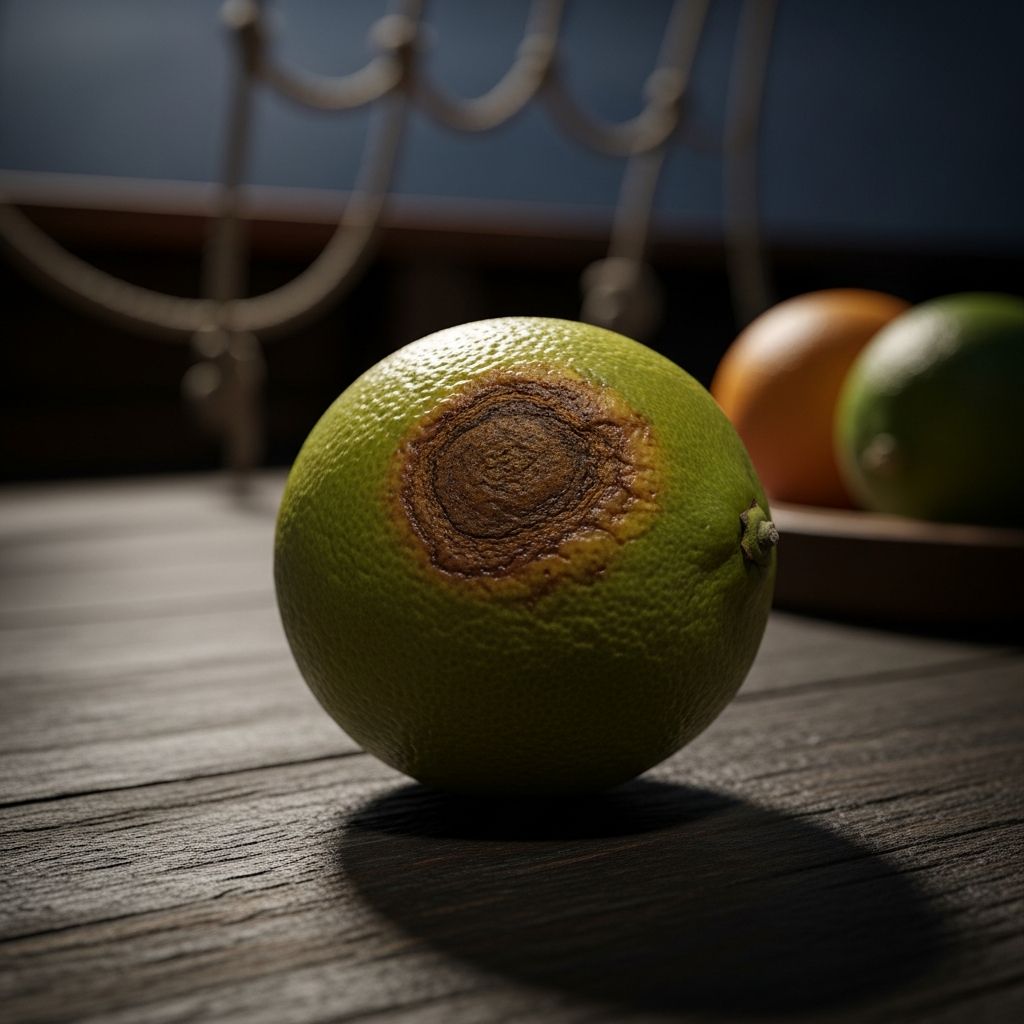
Scurvy is a clinical syndrome resulting from severe vitamin C (ascorbic acid) deficiency, essential for collagen synthesis, tissue repair, and immune function. Without adequate vitamin C, typically after 1-3 months of deficiency, symptoms like fatigue, bleeding gums, bruising, and poor wound healing emerge, potentially leading to life-threatening complications if untreated.
What is scurvy?
Scurvy develops when the body lacks sufficient vitamin C, a water-soluble nutrient not synthesized endogenously in humans, requiring dietary intake. Vitamin C acts as a cofactor in hydroxylation reactions for collagen formation, vital for skin, blood vessels, cartilage, bones, and teeth integrity. Deficiency impairs collagen stability, causing vessel fragility, poor wound healing, and hemorrhagic manifestations.
Historically plaguing sailors on long voyages without fresh produce, scurvy was first documented in ancient texts but elucidated in the 18th century when James Lind’s citrus trials proved its cure. Today, it remains rare in developed nations but affects vulnerable populations like the elderly, alcoholics, smokers, and those with restricted diets.
Who gets scurvy?
Anyone can develop scurvy with prolonged inadequate vitamin C intake (<10mg/day), but risk factors include:
- Poor dietary habits: Diets lacking fruits and vegetables, common in food insecurity, eating disorders, or restrictive diets (e.g., fad diets excluding produce).
- Malabsorption syndromes: Celiac disease, inflammatory bowel disease, or post-bariatric surgery reducing nutrient uptake.
- Increased requirements: Smokers (need 35mg extra daily), pregnancy, lactation, burns, infections, or malignancy.
- Vulnerable groups: Infants on unsupplemented formula, children with autism or neglect, elderly in institutions, homeless individuals, and substance abusers.
Incidence is low (e.g., <1/100,000 in the US), but underreported due to misdiagnosis.
Clinical features of scurvy
Early features
Non-specific symptoms appear after 4-7 weeks: fatigue, malaise, anorexia, weight loss, and irritability. Hyperkeratosis and perifollicular erythema develop on legs, with coiled ‘corkscrew’ hairs due to weakened follicles.
Skin lesions
Characteristic dermatological signs include:
- Follicular hyperkeratosis: Rough, dry skin with plugged follicles, progressing to perifollicular purpura (red-purple spots from capillary hemorrhage).
- Corkscrew hairs: Twisted, coiled hairs surrounded by hemorrhage, pathognomonic on dermoscopy.
- Petechiae/ecchymoses: Small red spots or large bruises, especially on lower legs, worsening with dependency.
- Gum disease: Spongy, swollen, bleeding gums (in dentate individuals), progressing to loosening and tooth loss.
Mucosal bleeding affects gums, nose, and conjunctiva.
Musculoskeletal features
Painful extremities from subperiosteal hemorrhages, arthralgias, hemarthroses, and myalgias, especially in legs. Children may limp or refuse weight-bearing, mimicking osteomyelitis or leukemia.
Haematological features
Microcytic anemia from chronic blood loss and impaired iron absorption; leukopenia and thrombocytopenia possible.
Advanced features
Jaundice (hemolysis), fever, edema (anasarca), neuropathy, confusion, seizures, and organ failure. Ocular involvement includes proptosis, retinal hemorrhages, and vision loss.
Complications
Untreated scurvy leads to:
- Infections: Impaired immunity increases pneumonia, wound infections risk.
- Cardiovascular: Pericardial/pleural effusions, myocardial infarction from vessel fragility.
- Neurological: Intracranial hemorrhage, stroke-like symptoms, convulsions.
- Mortality: Death from sepsis, cerebral hemorrhage, or cardiac failure within months.
Related Stories



Diagnosis of scurvy
Diagnosis combines history, exam, and tests:
- Clinical: Dietary history (low fruit/veg intake), classic signs (corkscrew hairs, gingival bleeding).
- Laboratory: Plasma vitamin C <11μmol/L confirms; CBC shows anemia; elevated ESR.
- Imaging: X-rays reveal ‘white line of Frankel’ (dense metaphyseal band), Pelkan spurs, or fractures in children.
- Histology: Skin biopsy shows ragged hemorrhages around follicles.
- Differential: Leukemia, vasculitis, child abuse, ITP, meningococcemia.
Rapid symptom response to vitamin C therapy supports diagnosis.
Management of scurvy
Treatment replenishes vitamin C:
- Adults: Oral ascorbic acid 1-2g/day for 1-2 weeks, then 100-500mg/day maintenance.
- Children: 100-300mg/day initially.
- Severe cases: IV vitamin C 200-1000mg/day.
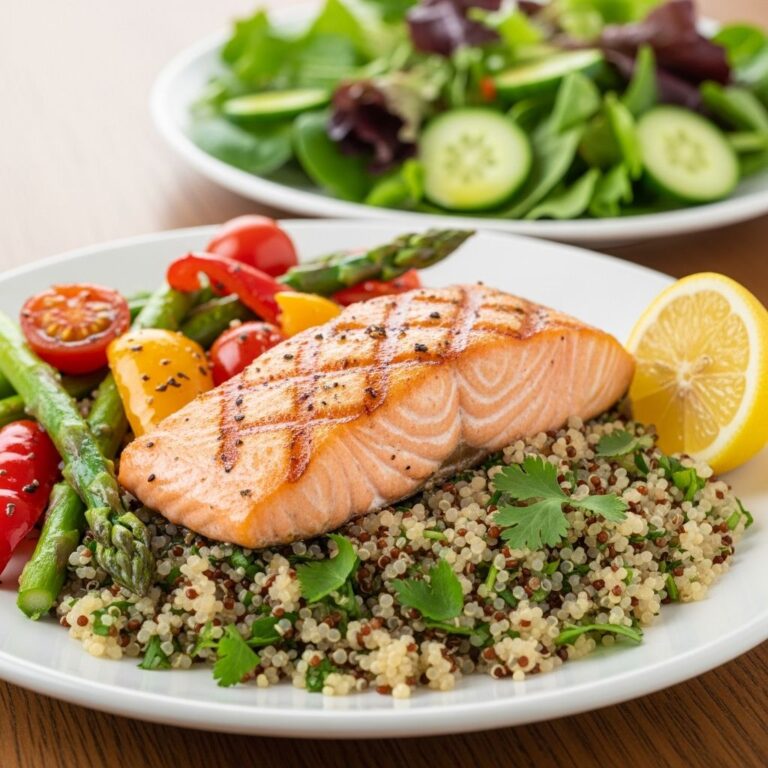
Symptoms improve dramatically within days: fatigue resolves in 24h, petechiae fade in 1 week, gums heal in 2 weeks. Address complications (transfusions for anemia, antibiotics for infections). Counsel on diet: citrus, berries, peppers, broccoli.
Differential diagnosis
| Condition | Key Distinguishing Features |
|---|---|
| Vasculitis | Systemic symptoms, positive ANCA/ANA; biopsy shows inflammation. |
| Leukemia | Blasts on blood film, bone marrow aspirate abnormal. |
| Child abuse | Inconsistent history, multiple fractures at varying stages. |
| ITP | Isolated thrombocytopenia, responds to steroids/IVIG. |
| Meningococcaemia | Fever, purpura fulminans, positive blood cultures. |
Scurvy in children
Pediatric scurvy (Barlow disease) affects 6m-2y olds on milk-only diets. 80% present with musculoskeletal pain, pseudoparalysis, leg swelling from subperiosteal bleeds. Dental issues rare pre-teeth. X-rays show characteristic changes. Prompt vitamin C reverses symptoms.
Prevention of scurvy
Recommended daily intake: Adults 75-90mg, smokers +35mg, children 15-45mg. Sources: oranges (70mg), kiwifruit (85mg), strawberries (60mg/100g), capsicum (190mg/100g). Fortified foods/supplements for at-risk groups. Public health: Food assistance programs reduce incidence.
Historical perspective
Scurvy killed millions historically; Vasco da Gama lost 116/170 men in 1498. Lind’s 1747 trial showed lemons cure. British Navy mandated lime juice from 1795 (‘Limeys’). Eradicated via refrigeration, canning, supplementation.
Frequently asked questions
Q: What causes scurvy?
A: Severe vitamin C deficiency from diets lacking fruits/vegetables over months.
Q: Is scurvy contagious?
A: No, it’s nutritional, not infectious.
Q: How quickly does scurvy develop?
A: Symptoms after 1-3 months of <10mg/day intake.
Q: Can scurvy be fatal?
A: Yes, untreated advanced cases lead to hemorrhage, infection, death.
Q: How is scurvy treated?
A: High-dose vitamin C supplements and vitamin-rich diet; rapid recovery expected.
References
- Scurvy: What You Need to Know to Identify and Prevent the Vitamin C Deficiency — Amrita Hospitals. 2023-10-15. https://www.amritahospitals.org/kochi/blog/scurvy-what-you-need-to-know-to-identify-and-prevent-the-vitamin-c-deficiency
- Scurvy — NHS UK. 2023-05-02. https://www.nhs.uk/conditions/scurvy/
- Vitamin C Deficiency — StatPearls, NCBI Bookshelf. 2023-07-17. https://www.ncbi.nlm.nih.gov/books/NBK493187/
- Scurvy? Symptoms, Causes and Treatments — WebMD. 2024-01-12. https://www.webmd.com/skin-problems-and-treatments/what-to-know-scurvy
- Scurvy: Symptoms, Causes & Treatment — Cleveland Clinic. 2023-09-28. https://my.clevelandclinic.org/health/diseases/24318-scurvy
- Scurvy — MedlinePlus, NIH. 2023-11-05. https://medlineplus.gov/ency/article/000355.htm
- Vitamin C Deficiency — Merck Manuals Professional Edition. 2024-02-01. https://www.merckmanuals.com/professional/nutritional-disorders/vitamin-deficiency-dependency-and-toxicity/vitamin-c-deficiency
Similar Articles








Read full bio of Sneha Tete