Sea Lice: Symptoms, Treatment, And Prevention Guide
Discover the truth about sea lice, seabather’s eruption symptoms, causes, treatments, and prevention strategies for ocean swimmers.
Medically reviewed by Dermaplaning Experts
Sea lice, more accurately known as
seabather’s eruption
, is a common but misleading term for an itchy, red rash that develops after swimming in the ocean. Despite the name, sea lice are not insects or parasites that affect humans; they are actually tiny larvae from jellyfish or sea anemones that get trapped under swimwear, releasing stinging cells that irritate the skin. This condition primarily affects swimmers in warm coastal waters, causing discomfort that can last from days to weeks. Understanding sea lice helps beachgoers enjoy the ocean safely while recognizing when symptoms require medical attention.What Are Sea Lice?
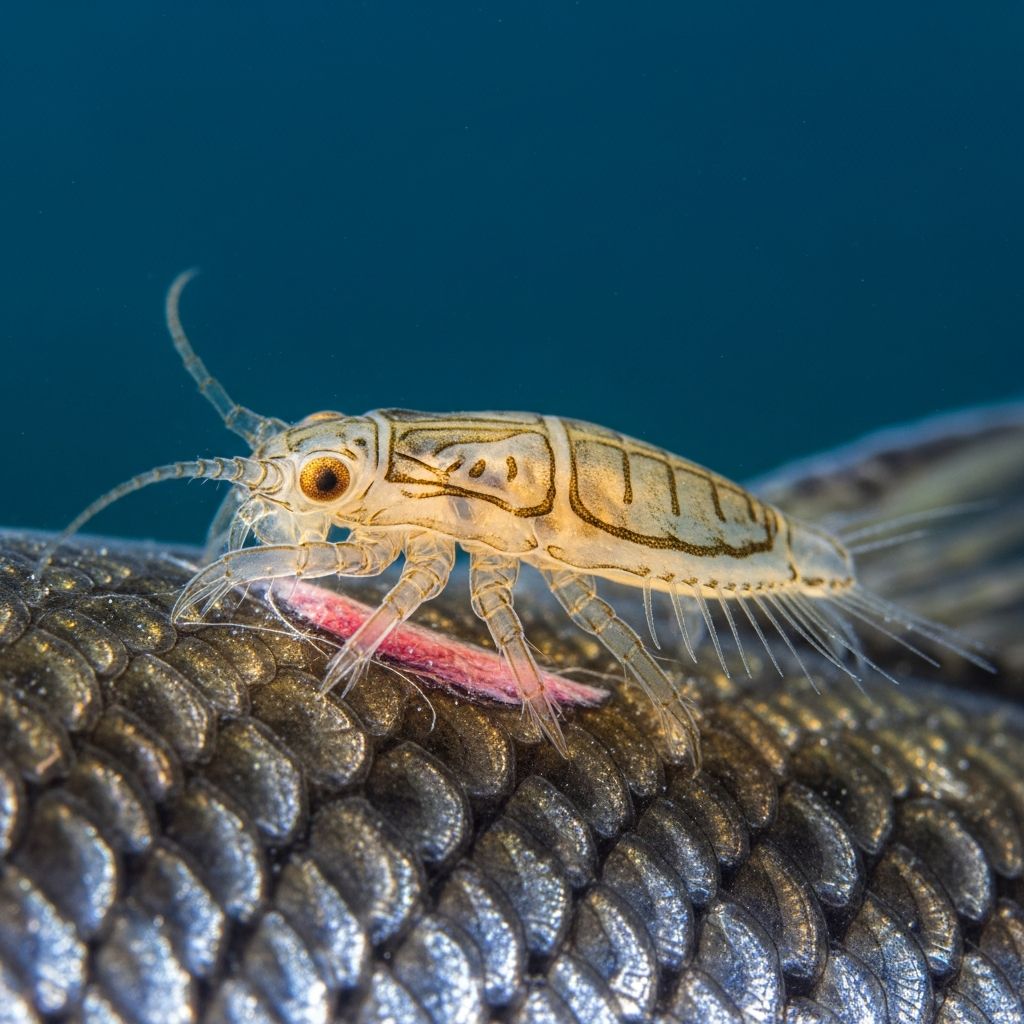
**Sea lice** is a misnomer for seabather’s eruption, a pruritic dermatitis triggered by marine coelenterates. These are not true lice but microscopic larvae of thimble jellyfish (Linuche unguiculata) or sea anemones like Edwardsiella lineata, which inhabit subtropical and tropical waters. The larvae, smaller than a pinhead, possess nematocysts—stinging cells filled with toxins. When trapped between tight swimwear and skin, pressure causes these cells to discharge, provoking an immune response that manifests as a rash.
This eruption was first documented in the 1960s along Florida’s coast but occurs worldwide in areas like the Caribbean, Gulf of Mexico, and even Long Island, New York. Outbreaks peak from March to August when winds push larvae shoreward. Unlike fish-infesting sea lice, these pose no consumption risk to humans but cause significant swimmer distress.
Symptoms of Sea Lice
Symptoms typically emerge 4–24 hours after ocean exposure, starting as a prickling sensation in the water that evolves into intense itching. The rash appears as clusters of small, red papules or hives, predominantly under bathing suits, around waistbands, armpits, and the neck where hair traps larvae.
- Itchy red bumps or welts: Resembling insect bites, 1–4 mm in size, often forming linear patterns from fabric pressure.
- Blisters or pustules: In severe cases, especially in children, filled with clear fluid that may crust over.
- Burning or stinging: Worsens with freshwater showers, towel rubbing, or delayed suit removal.
Systemic symptoms like fever, nausea, headache, or fatigue occur in 10–20% of cases, particularly in children under 15 whose sensitive skin amplifies reactions. Rashes can spread beyond covered areas if scratching introduces secondary infection.
Causes of Sea Lice
The root cause is contact with free-floating cnidarian larvae in warm ocean waters (above 75°F/24°C). Swimmers, snorkelers, and surfers are at highest risk as surface-dwelling larvae (0.5–1 mm) enter loose fabric. Key triggers include:
- Trapping mechanism: Larvae lodge in swimwear folds; body heat and motion discharge nematocysts.
- Environmental factors: Gulf Stream currents in Florida (Palm Beach, Broward counties) concentrate larvae; blooms follow calm winds.
- Post-swim aggravation: Freshwater rinsing activates undischarged stings; vinegar or rubbing exacerbates toxin release.
No relation exists to true sea lice (copepods parasitizing fish), emphasizing the term’s inaccuracy.
Risk Factors
Anyone swimming in infested waters can be affected, but certain groups face higher odds:
| Risk Factor | Why It Increases Risk |
|---|---|
| Children <15 years | Spend more time in water; thinner, sensitive skin. |
| Previous episodes | Sensitized immune response heightens severity. |
| Wetsuits/snorkel gear | Tighter fabrics trap more larvae. |
| Long hair | Larvae cling to scalp/neck. |
| Summer months (Mar–Aug) | Peak larval season in subtropics. |
Related Stories



Surfers and divers report higher incidence due to prolonged exposure.
Treatment for Sea Lice
Most cases resolve in 2–14 days without intervention, but symptom relief accelerates healing. Avoid scratching to prevent bacterial superinfection.
Home Remedies
- Remove suit immediately: Rinse in unaffected seawater (not fresh); shower later.
- Cool compresses: Soothe itching with cold packs 15–20 min hourly.
- Oatmeal baths: Colloidal oatmeal calms inflammation.
- Moisturize: Fragrance-free lotions like calamine lock in hydration.
Over-the-Counter Options
- Antihistamines: Oral diphenhydramine or cetirizine reduce itch (25–50 mg adults).
- Hydrocortisone cream (1%): Apply thinly twice daily for 3–5 days.
- Lidocaine gels: Numb burning sensation.
Medical Treatments
Seek care for widespread rash, fever, or no improvement in 7 days. Providers may prescribe oral steroids (prednisone 40–60 mg tapered), stronger topicals, or antibiotics for infection.
Prevention Tips
Complete avoidance means skipping infested waters, but practical strategies minimize risk:
- Monitor warnings: Heed lifeguard flags, beach advisories for sea lice outbreaks.
- Suit hygiene: Change immediately post-swim; wash in hot soapy water, dry on high heat to kill larvae.
- Protective barriers: Apply petroleum jelly or rash guards; loose swimwear reduces trapping.
- Post-swim protocol: Rinse in saltwater first; avoid hot showers initially.
- Timing: Swim early morning or post-storms when larvae disperse.
Divers Alert Network recommends full-body rash guards for high-risk areas.
When to See a Doctor
Consult a healthcare professional if:
- Rash persists >2 weeks or worsens.
- Fever >101°F, chills, swollen lymph nodes signal infection.
- Severe swelling impedes breathing (rare anaphylaxis).
- Children show systemic symptoms like vomiting.
Urgent care offers rapid relief; telehealth suits mild cases.
How Long Does Sea Lice Last?
Typically 7–10 days for mild rashes; severe ones up to 4 weeks. Itching peaks at 48 hours then fades as toxins clear. Scarring is rare absent infection.
Sea Lice vs. Other Rashes
| Condition | Key Differences |
|---|---|
| Sea Lice | Under swimwear; delayed onset; oceanic only. |
| Jellyfish Sting | Immediate pain; visible tentacles; exposed skin. |
| Swimmer’s Itch | Freshwater parasite; sandy areas; quicker resolution. |
| Contact Dermatitis | Sunscreen-related; widespread; no ocean link. |
Frequently Asked Questions (FAQs)
Are sea lice real lice?
No, sea lice are a myth for humans. True sea lice parasitize fish; human rashes stem from jellyfish larvae.
Is sea lice contagious?
No, but contaminated swimwear can transfer larvae to others. Always wash gear.
Can sea lice cause fever?
Yes, especially in children; monitor for systemic signs and seek care if needed.
Does vinegar help sea lice?
No—avoid vinegar or freshwater immediately post-swim, as it triggers more stings.
Where is sea lice most common?
Florida, Caribbean, Gulf of Mexico; subtropical coasts March–August.
References
- Sea lice: Definition, symptoms, causes, treatment, and more — Medical News Today. 2023-06-15. https://www.medicalnewstoday.com/articles/sea-lice
- Sea lice rash: Pictures, symptoms, and more — Medical News Today. 2023-08-20. https://www.medicalnewstoday.com/articles/sea-lice-rash
- Sea Lice Bites (Sea Bather’s Eruption): Picture, Treatment, Prevention — Healthline. 2024-05-10. https://www.healthline.com/health/sea-lice-bites
- Sea Lice Rash: Causes, Symptoms, and Effective Treatments — MyWowHealth. 2024-02-28. https://www.mywowhealth.com/sea-lice-rash-causes-symptoms-and-effective-treatments/
- Seabather’s Eruption — Divers Alert Network. 2023-11-01. https://dan.org/health-medicine/health-resources/diseases-conditions/sea-bathers-eruption/
Similar Articles








Read full bio of medha deb