Sea Moss Benefits: Health, Nutrition & Science
Discover the science-backed health benefits of sea moss and how this nutrient-rich superfood supports wellness.
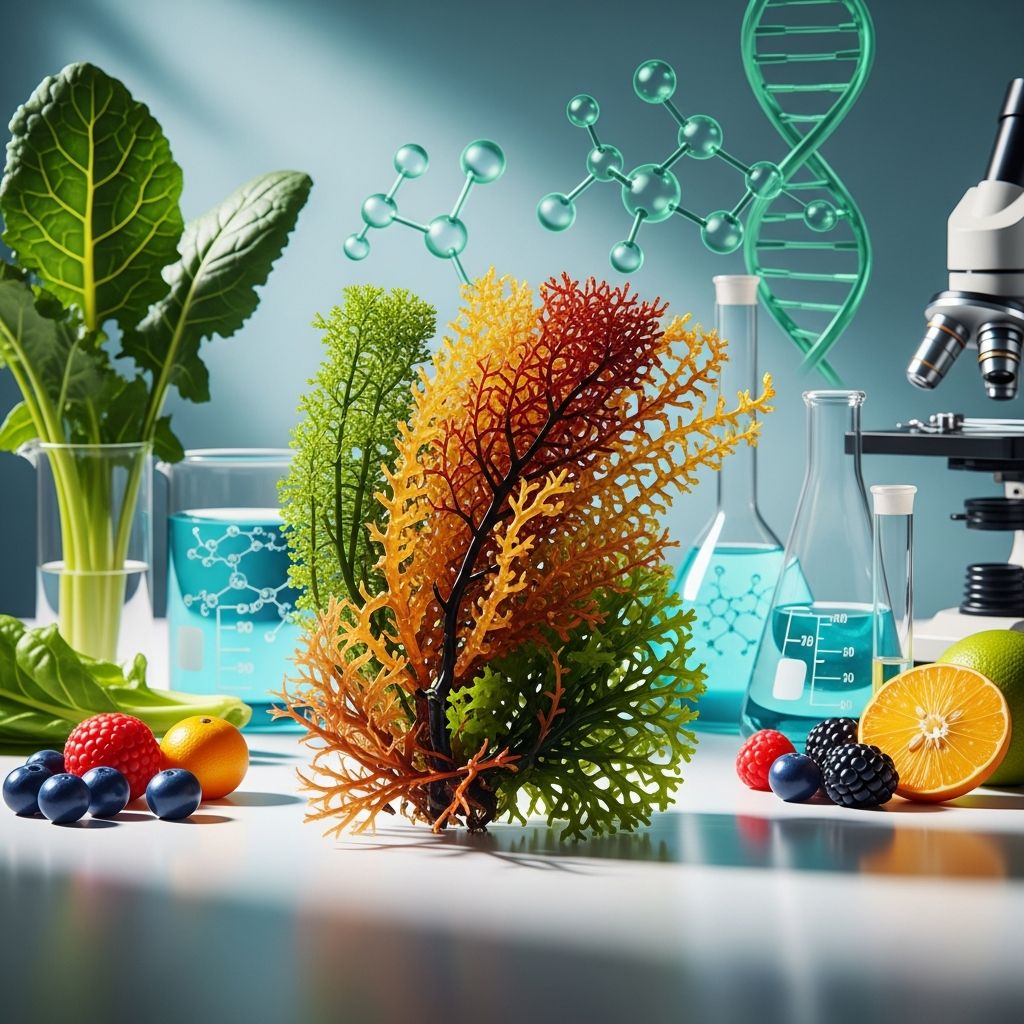
Sea moss, a type of red algae found in rocky parts of the Atlantic coast, has gained significant attention in recent years as a potential superfood with multiple health benefits. While people have consumed this nutrient-dense algae for centuries, scientists are only now beginning to thoroughly research and validate its medical and nutritional benefits. Understanding what sea moss contains and how it may support your health can help you make informed dietary decisions.
Understanding Sea Moss Nutrition
Sea moss is recognized as a vegan, gluten-free source of numerous essential nutrients. This makes it particularly valuable for individuals following plant-based diets or those with gluten sensitivities. The nutritional profile of sea moss is remarkably comprehensive, containing a variety of vitamins, minerals, and bioactive compounds that support various bodily functions.
A single dried portion of sea moss provides bioavailable iodine, which is essential for supporting thyroid hormone production. Beyond iodine, sea moss is rich in numerous minerals, including potassium, calcium, magnesium, and zinc, which are essential for nerve signaling, bone mineralization, and immune defense. Additionally, sea moss contains important vitamins such as Vitamin B2, and offers approximately 6 grams of protein per 100 grams, making it a surprisingly complete nutritional package.
One unique component of sea moss is carrageenan, a linear sulfated galactan that comprises approximately one-third of sea moss’s dry weight. In addition to carrageenan, sea moss concentrates other sulfated polysaccharides, phenolic acids, flavonoids, and small bioactive peptides that contribute to its functional properties.
Heart Health and Cardiovascular Support
One of the most well-researched benefits of sea moss relates to cardiovascular health. Sea moss has a higher fiber content than most vegetables, which provides multiple positive effects on your body and overall heart health. Fiber plays a crucial role in supporting cardiovascular function through several mechanisms.
Studies indicate that sea moss may help lower bad cholesterol, which is one of the primary factors contributing to heart disease. Additionally, research demonstrates that sea moss has been shown to help lower blood pressure, another key factor in maintaining cardiovascular health. These benefits stem largely from the soluble fibers present in sea moss, which help regulate cholesterol and blood pressure levels naturally.
The mineral content of sea moss also contributes to heart health. Potassium and magnesium, both abundant in sea moss, are known to support healthy blood pressure regulation and overall cardiac function.
Weight Management and Satiety
For individuals concerned with weight management, sea moss offers potential benefits through its high fiber content. Fiber-rich foods are filling foods that may keep you from overeating by promoting feelings of fullness and satiety. Fiber keeps you fuller longer, which may help with weight control by reducing overall caloric intake throughout the day.
Unlike fad diet approaches, the weight management benefits of sea moss come from its natural ability to support healthy eating patterns rather than through stimulant effects or restrictive mechanisms. This makes it a sustainable option for those looking to maintain a healthy weight through improved nutrition and natural satiety.
Related Stories



Thyroid Function and Metabolism
Iodine is one of the keys to a healthy thyroid, as it serves as an important ingredient in making thyroid hormones. These hormones regulate your body’s metabolism—how the food you consume is transformed into energy—and also control processes like your heart rate and breathing.
Sea moss is full of iodine, making it particularly beneficial for thyroid health. Research has found that each ounce of sea moss contains around 47 micrograms of iodine, representing 31% of the 150 micrograms recommended per day for adults who are not pregnant or nursing. This makes sea moss a meaningful dietary source of this critical mineral.
However, it’s important to note that most adults in the United States already consume adequate iodine through foods like dairy products, fish, and iodized table salt. Those considering sea moss specifically for thyroid health should consult with their healthcare provider, especially if they are already taking medication for thyroid conditions such as hypothyroidism.
Gut Health and Microbiota Support
Your digestive system is full of bacteria—both good and bad. Balancing these bacteria is an important element for your overall well-being and health. Certain algae, including sea moss, can help keep the good bacteria happy and healthy through their prebiotic properties.
Sea moss is a solid source of fiber and live bacteria that can help replenish the good bacteria in your gut. The complex carbohydrates in sea moss, particularly carrageenan, alginate, and laminarin, resist digestion in the small intestine and pass intact to the colon. Once there, commensal microbes ferment these nutrients into short-chain fatty acids (SCFAs), which nourish colonocytes and reinforce the mucous barrier.
Research suggests that the plant fibers in sea moss can act as prebiotics in humans—essentially food for the healthy bacteria that live in the gut. Simulated fermentations with human fecal inocula suggest that sea moss polysaccharides increase beneficial bacteria including Bacteroides, Bifidobacteria, and Lactobacillus counts, while also supporting SCFA production.
When your good bacteria are thriving, it can help keep your digestive tract in top shape. That can mean less bloating, constipation, and general digestive discomfort. These gut health benefits extend beyond just a strong stomach.
Immune System Enhancement
A healthy gut microbiome is directly associated with a healthy immune system. Beyond its prebiotic benefits, sea moss contributes to immune health in multiple ways. The algae is high in iron and antioxidants, which both contribute to immune health.
Early studies suggest that sea moss can boost the immune system and may even protect the body from contracting certain pathogens. One study showed that sea moss can stop the growth of S. enteritidis, the bacteria that causes salmonella in humans. However, this is a very early study, and the effect has not yet been reproduced in animals or humans, so more research is needed to determine whether sea moss could help prevent or treat salmonella in humans.
Additionally, sulfated sea moss polysaccharides exhibit broad antiviral activity. In laboratory studies, these active components prevent the attachment of herpes simplex and influenza virions to host cells, while exhibiting concurrent antioxidant and anti-inflammatory effects. These antiviral properties represent promising areas for future research.
Exercise Recovery and Muscle Support
Sea moss is rich in an amino acid called taurine, which helps with muscle-building and recovery. When you exercise, your muscles experience microscopic tears that need to heal. Amino acids can help with this recovery process by providing the building blocks necessary for muscle repair and growth.
Muscle-building is also important to your overall workout success and physical performance. Sea moss provides approximately 6 grams of protein per 100 grams, contributing meaningfully to your daily protein intake.
However, it’s important to note that sea moss should not be relied upon solely for exercise recovery. While sea moss may help, it is not a replacement for following a comprehensive healthy exercise program that includes eating nutritious food, staying hydrated, and getting adequate rest. Recovery requires a multi-faceted approach that sea moss can complement but not replace.
Women’s Health Considerations
Women may benefit from sea moss in specific ways. The nutrient profile of sea moss, particularly its mineral content, can support various aspects of women’s health and wellness. The iodine content supports hormonal balance and metabolism, while the iron content helps address nutritional needs that are particularly important for menstruating women.
The calcium and magnesium in sea moss also support bone health, which is particularly important for women as they age and face increased risk of osteoporosis. Additionally, the antioxidants in sea moss may help support skin health and overall vitality.
Anti-Inflammatory and Antioxidant Properties
Red seaweeds contain antioxidants—substances that inhibit cell damage and may help prevent certain inflammatory diseases. Sea moss contains beta-carotene, a key antioxidant that is also found readily in green, orange, and yellow fruits and vegetables, including spinach, mangoes, and carrots.
Research has shown that iota-carrageenan has reversed systolic hypertension, visceral fat accumulation, and circulating cytokines in animal models of diet-induced metabolic syndrome. However, it’s important to understand that one food alone won’t be enough to reduce inflammation; it needs to be part of an anti-inflammatory diet. Sea moss should be viewed as one component of a comprehensive dietary approach rather than a standalone solution.
Emerging Research: Potential for Neurological Health
Parkinson’s disease is the second most common degenerative disease in older adults, causing tremors, stiffness, and slowness of movement. While there is currently no cure, early research shows that sea moss may be able to slow the worsening of the disease.
In studies conducted with worms, extract from sea moss was shown to reduce stiffness and slowness of movement. This could mean promising things for people with Parkinson’s disease. However, more research is needed to see if sea moss has the same effect on humans that it has demonstrated in model organisms.
How to Incorporate Sea Moss Into Your Diet
Sea moss can be consumed in several forms, including whole dried sea moss, sea moss gel, sea moss capsules, and as an ingredient in smoothies and beverages. When selecting sea moss products, choose those from reputable sources that test for purity and heavy metals, as seaweeds can concentrate minerals from their environment.
For those using whole dried sea moss, it typically needs to be soaked and rinsed before consumption. Sea moss gel, which can be made at home or purchased pre-made, offers a convenient way to incorporate this superfood into drinks, smoothies, and other recipes. A typical serving is about 1-2 tablespoons of sea moss gel per day.
Important Considerations and Precautions
While sea moss offers numerous potential health benefits, it’s essential to approach its consumption thoughtfully. The research on sea moss is still emerging, and many claims made on social media outpace the current scientific evidence. It’s important to distinguish between promising preliminary findings and proven health benefits.
Additionally, because sea moss is high in iodine, individuals with thyroid conditions or those taking thyroid medication should consult with their healthcare provider before adding sea moss to their regimen. Those with shellfish allergies may also need to exercise caution, as there can be cross-contamination concerns in some sea moss products.
Sea moss is most beneficial when incorporated as part of a balanced, nutrient-rich diet rather than viewed as a superfood cure-all. Combined with regular physical activity, adequate sleep, stress management, and a variety of whole foods, sea moss can be a valuable addition to a healthy lifestyle.
Frequently Asked Questions
Q: Is sea moss safe for everyone to consume?
A: While sea moss is generally safe for most people, those with thyroid conditions, iodine sensitivities, or shellfish allergies should consult a healthcare provider before consuming sea moss regularly.
Q: How much sea moss should I consume daily?
A: A typical serving of sea moss is about 1-2 tablespoons of sea moss gel per day. However, individual needs may vary, so consulting with a healthcare professional or registered dietitian can help determine the right amount for you.
Q: Can sea moss replace my regular medications?
A: No. While sea moss may support certain aspects of health, it should never replace prescribed medications. Always consult your doctor before making changes to your medication regimen.
Q: What is the difference between sea moss gel and sea moss capsules?
A: Sea moss gel is a whole-food form that contains the complete nutrient profile, while capsules are concentrated extracts. Gel may offer more bioavailable nutrients, but capsules provide convenience and consistent dosing.
Q: How long does it take to see health benefits from sea moss?
A: Benefits vary by individual and depend on overall diet and lifestyle. Some people may notice changes within weeks, while others may take several months. Consistency is important when evaluating the effects of dietary supplements.
Q: Is sea moss suitable for vegans and vegetarians?
A: Yes, sea moss is an excellent vegan and vegetarian source of essential nutrients including iodine, calcium, iron, and protein, making it particularly valuable for plant-based diets.
References
- 8 Sea Moss Benefits — Cleveland Clinic Health Essentials. Accessed January 2026. https://health.clevelandclinic.org/sea-moss-benefits
- Sea Moss: Health Benefits and Side Effects — WebMD. https://www.webmd.com/diet/health-benefits-sea-moss
- Does Eating Sea Moss Provide Health Benefits? — News-Medical.Net. https://www.news-medical.net/health/Does-Eating-Sea-Moss-Provide-Health-Benefits.aspx
- Sea Moss: Potential Health Benefits and Risks — Weight Watchers USA. https://www.weightwatchers.com/us/blog/health-wellness/benefits-of-sea-moss
- An Overview to the Health Benefits of Seaweeds Consumption — PubMed Central. National Center for Biotechnology Information. https://pmc.ncbi.nlm.nih.gov/articles/PMC8232781/
Similar Articles








Read full bio of medha deb