Seasonal Affective Disorder: Causes, Symptoms & Treatment
Understanding SAD: Recognizing symptoms and exploring effective treatment options for seasonal depression.
Understanding Seasonal Affective Disorder
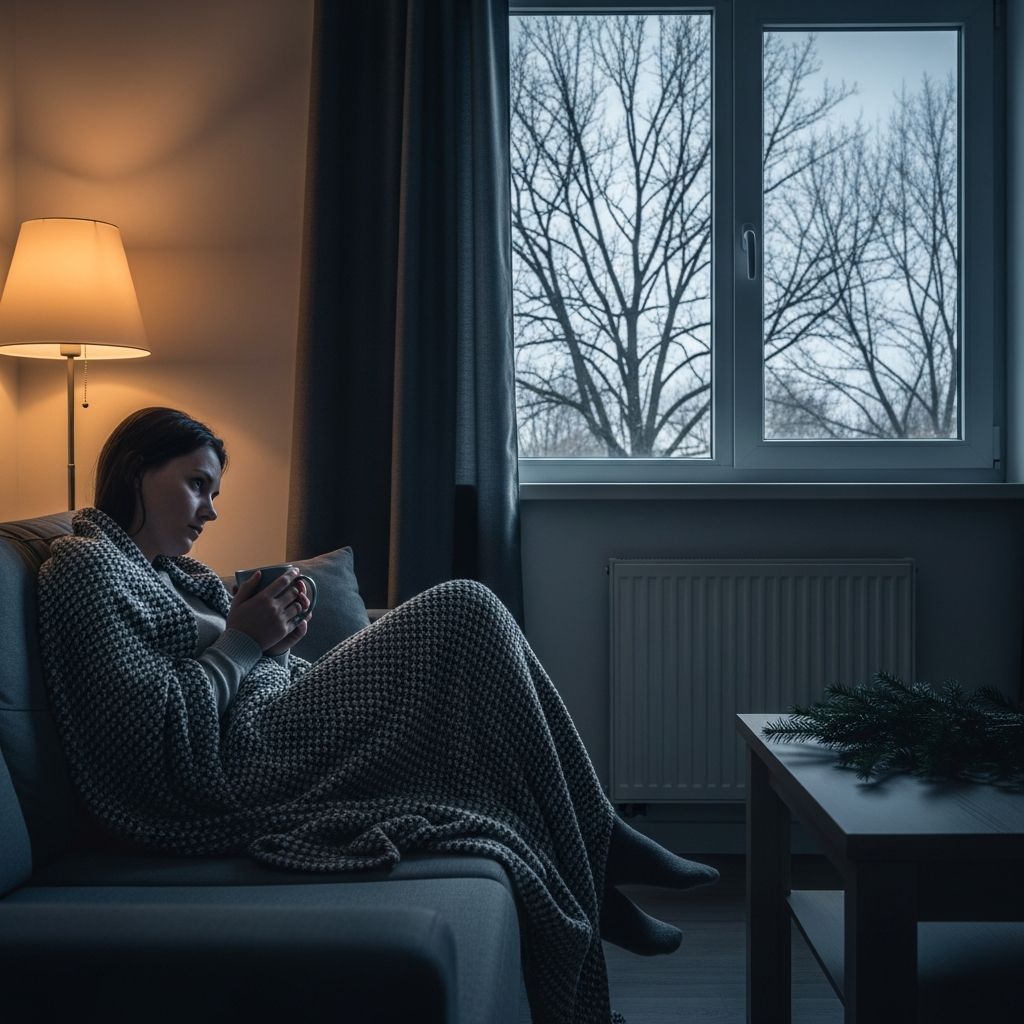
Seasonal affective disorder (SAD) is a type of depression that occurs at a specific time of year, usually in the fall and winter months when daylight hours are shorter. Unlike temporary mood changes or the “winter blues,” SAD is a clinically recognized mental health condition that significantly impacts daily functioning and quality of life. While most people experience some seasonal mood variations, individuals with SAD experience more severe symptoms that persist throughout the winter months and often resolve when spring arrives.
SAD typically begins in late fall as daylight decreases and continues through winter months when days are shorter. For some individuals, symptoms may appear earlier in the year, beginning in late September or early October. The condition has been linked to changes in the brain prompted by shorter daylight hours and reduced sunlight exposure, which disrupts the body’s natural internal clock and various neurochemical processes.
What Causes Seasonal Affective Disorder?
Circadian Rhythm Disruption
One of the primary causes of SAD is the disruption of your biological clock, known as your circadian rhythm. The reduced level of sunlight in fall and winter may disrupt your body’s internal clock and lead to feelings of depression. As seasons change, people experience a shift in their biological internal clock that can cause them to become out of step with their daily schedule. This misalignment between the body’s natural rhythms and external environmental cues creates stress on the central nervous system.
Serotonin Deficiency
A drop in serotonin, a brain chemical (neurotransmitter) that affects mood and emotional regulation, might play a significant role in SAD. Research indicates that people with SAD, especially winter-pattern SAD, have reduced levels of serotonin, which helps regulate mood. Reduced sunlight can cause a drop in serotonin that may trigger depression. Studies suggest that sunlight affects levels of molecules that help maintain normal serotonin levels. Shorter daylight hours may prevent these molecules from functioning properly, contributing to decreased serotonin levels during winter months.
Melatonin Imbalance
Both serotonin and melatonin help maintain the body’s daily rhythm tied to the seasonal night-day cycle. Research suggests that both forms of SAD relate to altered levels of melatonin—a hormone important for maintaining the normal sleep-wake cycle. People with winter-pattern SAD produce too much melatonin, which can increase sleepiness and lead to oversleeping. In contrast, people with summer-pattern SAD may have reduced melatonin levels, consistent with long, hot days worsening sleep quality and leading to depression symptoms.
Vitamin D Deficiency
A low level of vitamin D may also contribute to SAD development. Some vitamin D is produced in the skin when it’s exposed to sunlight. Vitamin D can help boost serotonin activity. Less sunlight and not getting enough vitamin D from foods and other sources may result in low levels of vitamin D in the body, which can negatively impact mood and mental health during the darker months.
Recognizing Symptoms of SAD
Seasonal affective disorder presents with a variety of symptoms that can range from mild to severe. Common symptoms include:
– Persistent depressed mood lasting most days- Loss of interest in activities you normally enjoy- Fatigue and lack of energy, even with excessive sleep- Oversleeping and difficulty waking in the morning- Weight gain associated with overeating and carbohydrate cravings- Difficulty concentrating and making decisions- Feelings of hopelessness or worthlessness- Social withdrawal and isolation- Irritability and mood changes- Physical symptoms like muscle aches or headaches
Related Stories



SAD symptoms can vary from mild to severe and can include many symptoms similar to major depression. The severity of symptoms often correlates with the degree of environmental light reduction and individual susceptibility to seasonal changes. SAD may begin at any age, but it typically starts when a person is between ages 18 and 30, though it can develop at any point in life.
Types of Seasonal Affective Disorder
Winter-Pattern SAD
Winter-pattern SAD is the most common form, typically beginning in late fall or early winter and resolving in spring or early summer. This pattern affects the majority of SAD cases and is characterized by the symptoms mentioned above, particularly fatigue, increased sleep, weight gain, and carbohydrate cravings.
Summer-Pattern SAD
Less common is summer-pattern SAD, which occurs during late spring and summer months. Longer daylight hours, shorter nights, and high temperatures can cause sleep disruptions and depression symptoms in some individuals. However, less is known about summer-pattern SAD, and more research is needed to fully understand its causes and most effective treatments.
Diagnosis and When to Seek Help
If your depressed mood lingers for more than two weeks, or if it intensifies and impairs your daily life, you should consider seeking professional help. A healthcare provider can evaluate your symptoms and determine whether you have SAD or another form of depression. Don’t brush off that yearly feeling as simply a case of the “winter blues” or a seasonal funk that you have to tough out on your own. Professional diagnosis is important because it allows for appropriate treatment planning and symptom management.
When meeting with a healthcare provider, be prepared to discuss the timing of your symptoms, their severity, any family history of depression or SAD, and how they impact your daily functioning, work, relationships, and overall quality of life.
Treatment Options for Seasonal Affective Disorder
Several effective treatment approaches are available for SAD. Your healthcare provider will recommend the most suitable treatment option for you, based on the nature and severity of your symptoms. Treatment may involve using a combination of approaches to get the best results. The main treatment categories include light therapy, psychotherapy, antidepressant medications, and vitamin D supplementation.
Light Therapy (Phototherapy)
Light therapy is one of the most common and effective treatments for SAD. It involves sitting in front of a light therapy box that emits a very bright light (typically 10,000 lux) and filters out harmful ultraviolet (UV) rays. Most people see some improvements from light therapy within one or two weeks of beginning treatment. Light therapy usually requires 20 to 30 minutes or more per day, typically first thing in the morning during the winter months.
This exposure to bright light helps regulate your body’s circadian rhythm and increase serotonin production. The morning timing is particularly important because it helps reset your internal clock and prevents the excessive melatonin production characteristic of winter-pattern SAD. To maintain the benefits and prevent relapse, treatment is usually continued through the winter. Because of the anticipated return of symptoms in late fall, some people may begin light therapy in early fall to prevent symptoms from developing.
Cognitive Behavioral Therapy (CBT)
Cognitive behavioral therapy (CBT) is a talking therapy based on the idea that the way we think and behave affects the way we feel. Changing the way you think about situations and what you do about them can help you feel better. CBT can help individuals identify and change negative thought patterns that contribute to feelings of depression. This form of therapy is effective in managing symptoms of SAD by teaching coping strategies for dealing with the darker months.
When receiving CBT for SAD, you’ll have a number of sessions with a specially trained therapist, usually over several weeks or months. CBT-SAD also uses a process called behavioral activation, which helps people identify and schedule pleasant, engaging indoor or outdoor activities to offset the loss of interest they typically experience in the winter or summer. Research comparing CBT-SAD with light therapy found both treatments were equally effective in improving SAD symptoms, although some symptoms improved slightly faster with light therapy. However, long-term studies suggest that the positive effects of CBT seem to last longer.
Antidepressant Medications
Antidepressants are often prescribed to treat depression and are also sometimes used to treat severe cases of SAD. Selective serotonin reuptake inhibitors (SSRIs) are the preferred type of antidepressant for treating SAD because they increase the level of serotonin in the brain, which can help lift your mood. These medications work by preventing the reabsorption of serotonin, allowing more of this mood-regulating neurotransmitter to remain active in the brain.
Antidepressants are thought to be most effective if taken at the start of winter before symptoms appear, and continued until spring. It can take up to 4 to 6 weeks for antidepressant medication to take full effect. The U.S. Food and Drug Administration (FDA) has approved an antidepressant called bupropion in an extended-release form designed to last longer in the body. For many people, bupropion can prevent the recurrence of seasonal depressive episodes when taken daily from the fall through early spring.
If you’re prescribed antidepressants, it’s important to take the medicine as prescribed and continue taking it until advised to gradually stop by your doctor. Some antidepressants have side effects and may interact with other types of medicine you’re taking. If you have bipolar disorder, inform your healthcare provider—this is critical to know when prescribing antidepressants, as both light therapy and certain antidepressants can potentially trigger a manic episode in individuals with bipolar disorder.
Vitamin D Supplementation
Vitamin D supplementation is considered a treatment option for winter-pattern SAD. Since vitamin D production decreases with reduced sunlight exposure, supplementing with vitamin D may help improve mood and overall well-being during winter months. However, vitamin D is not considered a primary treatment and is typically used as part of a comprehensive treatment approach or in combination with other therapies.
Self-Help Strategies for Managing SAD
In addition to professional treatment, several self-help approaches can support symptom management and improve overall well-being during the winter months:
–
Maintain a regular routine
: Keeping a consistent schedule for sleeping, eating, and exercising can help stabilize your mood and energy levels-Increase outdoor exposure
: Take a lunch break outside on sunny days, go for walks, or increase your outdoor activities-Optimize indoor lighting
: Use higher-watt light bulbs at home and turn them on in the evenings to increase exposure to bright light-Get up earlier
: Wake earlier to experience more daylight and help reset your circadian rhythm-Stay active
: Engage in regular physical activity and exercise to boost mood and energy-Social connection
: Maintain relationships and avoid isolating yourself during darker months-Nutrition
: Eat balanced meals and be mindful of cravings while maintaining a healthy dietWhen to Begin Treatment
Some people find it helpful to begin treatment before symptoms would normally start in the fall or winter, and then continue treatment past the time symptoms would normally go away. This proactive approach can prevent symptoms from developing or reduce their severity. Other people need continuous treatment to prevent symptoms from returning each season. Your healthcare provider can help determine the best timing and duration of treatment for your individual needs.
Frequently Asked Questions
Q: Is seasonal affective disorder the same as the “winter blues”?
A: No. While everyone may feel a bit down during darker months, SAD is a clinical condition that significantly impairs functioning. The “winter blues” are temporary mood changes, whereas SAD involves persistent symptoms that meet diagnostic criteria for depression.
Q: How long does it take for light therapy to work?
A: Most people see some improvement from light therapy within one or two weeks of beginning treatment. However, individual responses vary, and it may take several weeks to experience full benefits.
Q: Can I use a regular light bulb instead of a light therapy box?
A: Regular light bulbs are not as effective as specialized light therapy boxes, which emit 10,000 lux of light and filter harmful UV rays. However, using higher-watt bulbs and increasing overall lighting can provide some benefit as part of a comprehensive approach.
Q: Will my SAD symptoms improve on their own?
A: Yes, symptoms will generally improve on their own with the change of season. However, symptoms can improve more quickly with treatment, especially if they have become severe.
Q: Can I combine different treatments for SAD?
A: Yes. Healthcare providers often recommend combining treatments, such as light therapy with therapy or medication, for better results. Your provider can recommend the best combination for your individual needs.
References
- Seasonal Affective Disorder — National Institute of Mental Health (NIMH). 2024. https://www.nimh.nih.gov/health/publications/seasonal-affective-disorder
- Seasonal Affective Disorder (SAD) – Symptoms & Causes — Mayo Clinic. 2024. https://www.mayoclinic.org/diseases-conditions/seasonal-affective-disorder/symptoms-causes/syc-20364651
- Seasonal Affective Disorder (SAD) – Diagnosis & Treatment — Mayo Clinic. 2024. https://www.mayoclinic.org/diseases-conditions/seasonal-affective-disorder/diagnosis-treatment/drc-20364722
- Treatment – Seasonal Affective Disorder (SAD) — NHS. 2024. https://www.nhs.uk/mental-health/conditions/seasonal-affective-disorder-sad/treatment/
- Understanding Seasonal Affective Disorder: Causes, Symptoms, and Treatments — Rutgers Health. 2024. https://www.rwjbh.org/blog/2024/october/understanding-seasonal-affective-disorder-causes/
- Seasonal Affective Disorder – American Psychiatric Association — Psychiatry.org. 2024. https://www.psychiatry.org/patients-families/seasonal-affective-disorder
- Seasonal Affective Disorder: It’s Not Just the Winter Blues — University of Chicago Medicine. 2025. https://www.uchicagomedicine.org/forefront/health-and-wellness-articles/2025/april/seasonal-affective-disorder-how-to-spot-and-treat-the-winter-blues
Similar Articles








Read full bio of medha deb