Seasonal Affective Disorder: 4 Effective Treatments & Tips
Understand Seasonal Affective Disorder (SAD): symptoms, causes, diagnosis, treatments, and self-help strategies for managing winter depression.
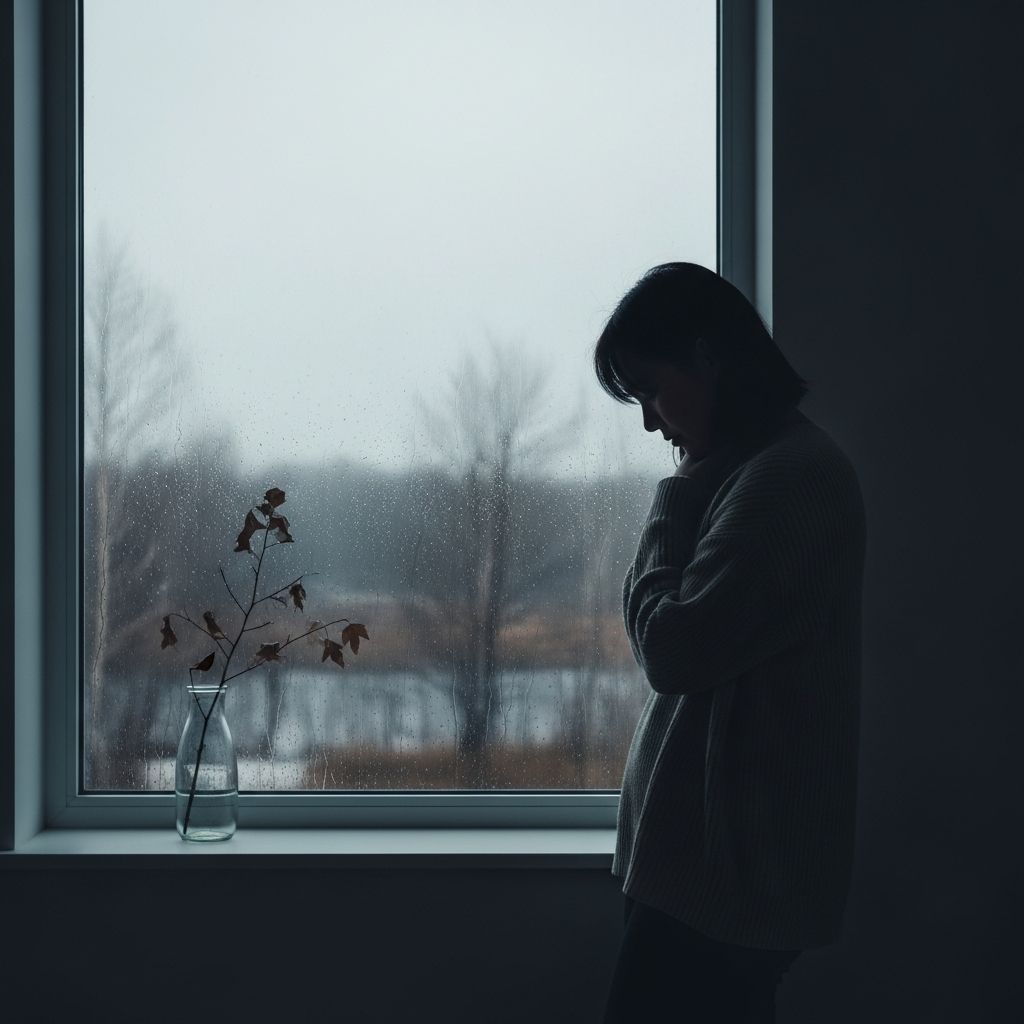
Seasonal affective disorder (SAD) is a recognised depressive illness associated with the change of seasons. It typically occurs in winter, when days are shorter and sunlight is reduced, affecting mood, energy levels, and daily functioning. While symptoms often improve in spring and summer, understanding and managing SAD is crucial for those affected, as it can significantly impact quality of life.
What is seasonal affective disorder (SAD)?
Seasonal affective disorder, commonly known as SAD, is a type of depression that follows a seasonal pattern. The most common form is winter depression, where symptoms start in autumn or early winter and ease in spring or summer. A less common summer-onset SAD exists, triggered by longer days and heat. SAD affects the way individuals feel, think, and behave, often leading to low mood, loss of interest in activities, and physical symptoms like fatigue and weight gain.
Winter-pattern SAD is more prevalent in regions farther from the equator, where winters are darker and longer. It is thought to affect around 2-10% of people in temperate climates, with women being more susceptible. Early recognition is key, as untreated SAD can lead to severe depression.
Who gets seasonal affective disorder (SAD)?
SAD primarily affects adults, often starting between ages 18 and 30. It is more common in women and individuals living in northern latitudes with reduced winter sunlight. Those with a family or personal history of depression or other mood disorders are at higher risk. Summer-pattern SAD is rarer and may affect people sensitive to heat or those with bipolar disorder.
- People living far from the equator (e.g., northern Europe, Canada).
- Women are diagnosed more frequently than men.
- Individuals with close relatives who have SAD or depression.
- Those with bipolar disorder may experience manic episodes triggered by treatments.
What are the symptoms of seasonal affective disorder (SAD)?
Symptoms of winter SAD mimic major depression but recur seasonally. They include persistent low mood, loss of pleasure in activities, and increased sleep and appetite. Physical symptoms like lethargy despite oversleeping and carbohydrate cravings leading to weight gain are hallmark signs.
Common winter SAD symptoms:
- Low mood or depression most of the day, nearly every day.
- Loss of interest or pleasure in usual activities.
- Lethargy and fatigue, even after sleeping more.
- Craving and consuming more carbohydrates, leading to weight gain.
- Difficulty concentrating, irritability, and low self-esteem.
- Sleeping longer but feeling unrefreshed.
Summer SAD symptoms differ, including insomnia, weight loss, anxiety, and agitation due to heat and long days. Symptoms must persist for at least two consecutive winters to diagnose SAD.
What is the cause of seasonal affective disorder (SAD)?
The exact cause of SAD is not fully understood, but reduced sunlight in winter disrupts brain chemistry and biological rhythms. Key theories include:
- Reduced sunlight affecting serotonin: Shorter days lower serotonin levels, a neurotransmitter regulating mood.
- Circadian rhythm disruption: Less light throws off the body’s internal clock, leading to depression.
- Melatonin imbalance: Excessive melatonin production in winter promotes sleepiness and low mood; summer patterns may reduce it.
- Genetic and environmental factors: Family history and latitude increase risk.
Related Stories



Negative thoughts about winter may exacerbate symptoms, though it’s unclear if they cause or result from SAD.
How is seasonal affective disorder (SAD) diagnosed?
Diagnosis involves a GP assessing symptoms against seasonal patterns. No specific test exists; it’s based on clinical history showing depression recurring over at least two winters without non-seasonal causes. The GP may:
- Ask about mood, sleep, appetite, and seasonal timing.
- Rule out other conditions like hypothyroidism or bipolar disorder.
- Refer to a psychiatrist for complex cases.
Symptoms must cause significant distress or impairment for diagnosis.
What is the treatment for seasonal affective disorder (SAD)?
SAD is treatable with a combination of therapies. Treatments aim to mimic sunlight, adjust brain chemistry, or change thought patterns.
Light therapy
Light therapy (phototherapy) is a first-line treatment for winter SAD. Sit 30-60 cm from a 10,000 lux light box for 30-60 minutes daily upon waking. It boosts serotonin and regulates circadian rhythms. Effective within days to weeks, with minimal side effects like headaches. Start in autumn to prevent symptoms.
Talking therapy
Cognitive behavioural therapy (CBT), especially CBT-SAD, helps reframe negative thoughts and schedule activities. It matches light therapy’s efficacy and has longer-lasting effects. Useful for all SAD types.
Antidepressant medicines
Selective serotonin reuptake inhibitors (SSRIs) like fluoxetine or bupropion (FDA-approved for prevention) increase serotonin. Start before symptoms and continue through winter. Monitor for side effects; caution in bipolar patients.
Vitamin D
Vitamin D supplements may help winter SAD due to sunlight deficiency. Evidence is emerging.
Severe cases may require hospitalization if suicidal.
Self-help for seasonal affective disorder (SAD)
Lifestyle changes enhance treatment.
- Spend time outdoors daily, even on cloudy days.
- Exercise regularly, e.g., 30 minutes of walking.
- Maintain a healthy diet; avoid excess carbs.
- Stick to a sleep routine.
- Socialize and plan activities.
- Use dawn simulators or high-wattage bulbs.
Other helpful advice and information about seasonal affective disorder (SAD)
Monitor symptoms annually; start treatment early. Lifestyle aids prevention: travel south in winter if possible, though not always feasible. Combine therapies for best results. Seek help if symptoms persist beyond two weeks or worsen.
Prognosis for seasonal affective disorder (SAD)
Most improve with spring sunlight, faster with treatment. Early intervention prevents severity. Long-term CBT may reduce recurrence.
Seasonal Affective Disorder FAQs
Does light therapy work for SAD?
Yes, light therapy is highly effective for winter SAD when used consistently, often within days.
Who is at higher risk for SAD?
People farther from the equator, women, and those with depression history.
Can SAD be prevented?
Yes, starting light therapy or bupropion in autumn prevents episodes.
Is SAD the same as winter blues?
No, SAD is a diagnosable depression with severe, recurring symptoms.
When to see a doctor for SAD?
If symptoms last over two weeks, interfere with life, or include suicidal thoughts.
References
- Seasonal affective disorder (SAD) – NHS — NHS. 2023. https://www.nhs.uk/mental-health/conditions/seasonal-affective-disorder-sad/
- Seasonal affective disorder (SAD) – Diagnosis & treatment — Mayo Clinic. 2023-10-01. https://www.mayoclinic.org/diseases-conditions/seasonal-affective-disorder/diagnosis-treatment/drc-20364722
- Seasonal Affective Disorder (SAD): Symptoms, Causes & Relief — McLaren Health Care. 2024. https://www.mclaren.org/main/news/seasonal-affective-disorder-sad-symptoms-causes-re-6055
- Seasonal Affective Disorder (SAD) — American Psychiatric Association. 2024. https://www.psychiatry.org/patients-families/seasonal-affective-disorder
- Seasonal affective disorder (SAD) – Symptoms & causes — Mayo Clinic. 2021-12-14. https://www.mayoclinic.org/diseases-conditions/seasonal-affective-disorder/symptoms-causes/syc-20364651
- Seasonal Affective Disorder — National Institute of Mental Health (NIMH). 2024. https://www.nimh.nih.gov/health/publications/seasonal-affective-disorder
- Seasonal Affective Disorder: Not Just ‘Winter Blues’ — UChicago Medicine. 2025-04-01. https://www.uchicagomedicine.org/forefront/health-and-wellness-articles/2025/april/seasonal-affective-disorder-how-to-spot-and-treat-the-winter-blues
Similar Articles








Read full bio of Sneha Tete