Seasonal Affective Disorder: Comprehensive Guide For 2025
Understand Seasonal Affective Disorder (SAD): symptoms, causes, risk factors, diagnosis, treatments, and coping strategies for winter and summer patterns.
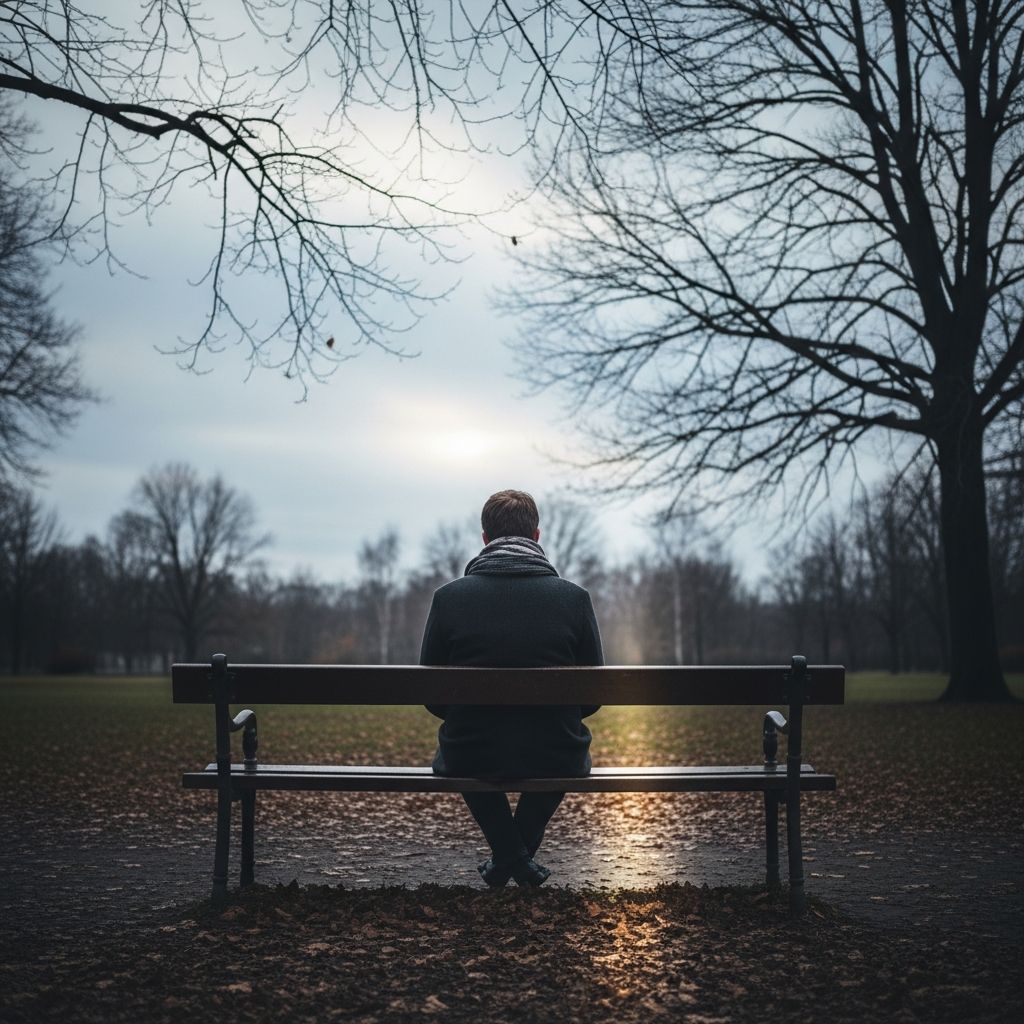
Seasonal affective disorder (SAD) is a subtype of major depressive disorder characterized by depressive symptoms that recur at specific times of the year, most commonly starting in fall or early winter and remitting in spring or summer. Affecting millions, particularly in regions with limited winter sunlight, SAD disrupts daily life through persistent low mood, fatigue, and other depression-like symptoms tied to seasonal light changes.
What Is Seasonal Affective Disorder?
Seasonal affective disorder, often called winter depression or seasonal depression, is identified in the Diagnostic and Statistical Manual of Mental Disorders (DSM-5-TR) as major depressive disorder with a seasonal pattern. Symptoms typically emerge during periods of reduced sunlight, with the most challenging months being January and February in the Northern Hemisphere due to shortest daylight hours. While less common, a summer-onset pattern exists, featuring opposite symptoms that resolve in fall or winter. Unlike general ‘winter blues,’ SAD requires symptoms meeting major depression criteria for at least two consecutive years without non-seasonal episodes.
SAD impacts energy levels, mood regulation, and overall functioning, with winter cases sapping motivation and summer cases heightening agitation. Prevalence is higher farther from the equator, underscoring sunlight’s role.
Symptoms of Seasonal Affective Disorder
Symptoms of SAD mirror major depression but follow a predictable seasonal cycle, often worsening as the season progresses. Core symptoms include depressed mood, loss of interest in activities, appetite or sleep changes, fatigue, feelings of worthlessness, concentration difficulties, and suicidal thoughts.
Winter-Pattern SAD Symptoms
The predominant form, winter-onset SAD, presents with:
- Oversleeping (hypersomnia)
- Increased appetite, especially carbohydrate cravings, leading to weight gain
- Low energy or tiredness despite extended sleep
- Social withdrawal and irritability
These intensify around the winter solstice when daylight is minimal.
Summer-Pattern SAD Symptoms
Rarer summer-onset SAD includes:
- Insomnia or trouble sleeping
- Poor appetite and weight loss
- Agitation, anxiety, or increased irritability
- In severe cases, violent behavior or suicidal ideation
Potential triggers include high temperatures and pollen.
SAD and Bipolar Disorder
Individuals with bipolar disorder face heightened SAD risk, where seasons may trigger mania or hypomania in spring/summer and depression in fall/winter.
Causes of Seasonal Affective Disorder
The precise causes remain under study, but reduced sunlight disrupts biological processes. Key theories include:
- Circadian rhythm disruption: Shorter days misalign the body’s internal clock, affecting sleep-wake cycles and mood.
- Serotonin imbalance: Decreased sunlight lowers serotonin levels, a mood-regulating neurotransmitter; elevated serotonin transporter (SERT) protein in winter reduces serotonin activity.
- Melatonin dysregulation: Prolonged darkness may cause excess melatonin production, promoting depression.
These factors combine with genetic vulnerabilities.
Risk Factors for Seasonal Affective Disorder
Certain factors elevate SAD susceptibility:
- Residing far from the equator with less winter sunlight
- Family history of SAD or depression
- Existing depression, bipolar disorder, or anxiety
- Female sex (more diagnosed, though men may underreport)
- Age 20-30 for onset
Related Stories



Genetic and environmental interactions amplify risk.
How Seasonal Affective Disorder Is Diagnosed
Diagnosis involves clinical evaluation confirming major depressive episodes for two consecutive qualifying seasons without intervening non-seasonal depression. Clinicians assess:
- Symptom timing, duration, and remission patterns
- Exclusion of other conditions via physical exams, blood tests, or psychiatric history
- DSM-5-TR criteria for seasonal pattern specifier
Subsyndromal SAD (‘winter blues’) features milder symptoms not fully meeting depression thresholds.
Treatment for Seasonal Affective Disorder
Effective treatments target light exposure, mood chemistry, and behavior.
Light Therapy
First-line for winter SAD, light therapy uses a 10,000-lux light box for 20-30 minutes daily upon waking to mimic sunlight, resetting circadian rhythms and boosting serotonin. Improvements often occur within weeks.
Medications
Antidepressants like selective serotonin reuptake inhibitors (SSRIs) such as bupropion or sertraline address serotonin deficits; start in fall for prevention.
Psychotherapy
Cognitive behavioral therapy (CBT) tailored for SAD helps reframe negative thoughts and build coping skills, effective alone or combined.
Other Treatments
- Dawn simulators gradually increase morning light
- Vitamin D supplements if deficient, though evidence is mixed
- For severe or bipolar-linked cases, close monitoring or mood stabilizers
How to Prevent Seasonal Affective Disorder
Prevention strategies include early light therapy, consistent exercise, and monitoring mood from late fall. Dawn simulators and preventive SSRIs reduce recurrence.
How to Cope With Seasonal Affective Disorder
Self-care bolsters treatment:
- Maximize natural light exposure via outdoor time
- Exercise regularly to elevate endorphins
- Maintain social connections
- Prioritize sleep hygiene
- Eat balanced meals avoiding carb binges
- Practice mindfulness or CBT techniques
Track symptoms in a journal for early intervention.
Frequently Asked Questions (FAQs)
What is the difference between SAD and winter blues?
SAD meets full major depression criteria with seasonal recurrence, while winter blues are milder, subsyndromal symptoms.
How long does SAD last?
Winter SAD typically spans fall to spring; duration varies but resolves with increasing light; treatment shortens episodes.
Can SAD occur in summer?
Yes, though rare, featuring insomnia and agitation, linked to heat or allergies.
Is light therapy safe?
Generally yes, but consult a doctor for eye issues or bipolar disorder; use FDA-approved devices.
Does SAD affect children?
Less common but possible; symptoms mimic adult patterns.
References
- Seasonal affective disorder (SAD) – Symptoms & causes — Mayo Clinic. 2023-10-01. https://www.mayoclinic.org/diseases-conditions/seasonal-affective-disorder/symptoms-causes/syc-20364651
- Seasonal Affective Disorder (SAD) — American Psychiatric Association. 2024-01-15. https://www.psychiatry.org/patients-families/seasonal-affective-disorder
- What doctors wish patients knew about seasonal affective disorder — American Medical Association. 2023-11-20. https://www.ama-assn.org/public-health/behavioral-health/what-doctors-wish-patients-knew-about-seasonal-affective-disorder
- Seasonal Affective Disorder: An Overview of Assessment and Treatment Approaches — National Library of Medicine (PMC). 2015-11-30. https://pmc.ncbi.nlm.nih.gov/articles/PMC4673349/
- Shorter days, cooler temperatures can increase risk of seasonal affective disorder — WellMed Healthcare. 2023-09-15. https://www.wellmedhealthcare.com/patients/healthyliving/awareness/shorter-days-cooler-temperatures-can-increase-risk-of-seasonal-affective-disorder/
Similar Articles








Read full bio of medha deb