Seasonal Eczema Triggers: Year-Round Prevention Tips
Discover how changing seasons spark eczema flare-ups and master proven strategies to protect your skin year-round.
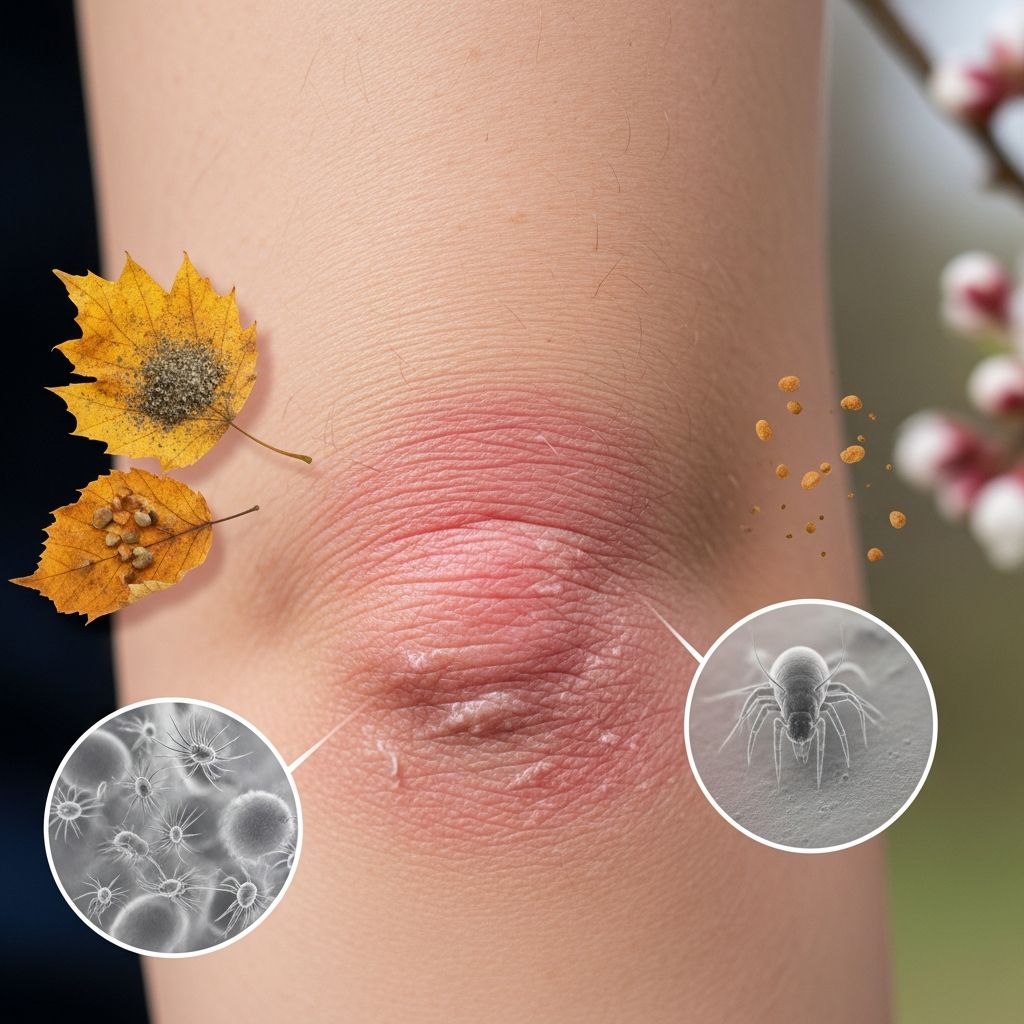
Eczema, also known as atopic dermatitis, affects millions worldwide, with symptoms often intensifying due to environmental shifts throughout the year. Fluctuations in temperature, humidity, and allergen levels can compromise the skin’s natural barrier, leading to dryness, itching, redness, and inflammation. Understanding these
seasonal triggers
empowers individuals to adopt proactive measures that minimize flare-ups and maintain skin health.Why Seasons Worsen Eczema Symptoms
The skin of those with eczema is inherently sensitive, featuring a weakened barrier that struggles to retain moisture and fend off irritants. Seasonal changes exacerbate this vulnerability. Cold air strips moisture, hot weather prompts excessive sweating, and transitional periods introduce allergens like pollen. Research indicates that over 50% of eczema patients report cold weather as a primary aggravator, while about 30% note issues with heat. These patterns arise from both physical effects, such as moisture loss, and cellular responses, including elevated inflammatory markers triggered by temperature extremes.
Winter’s Harsh Assault on Sensitive Skin
Winter poses unique challenges for eczema management due to its drying conditions. Low temperatures, biting winds, and indoor heating systems collectively deplete skin hydration, prompting intense itching and cracking.
- Dry Air and Low Humidity: Cold outdoor air holds little moisture, and heaters further reduce indoor humidity, pulling water from the skin.
- Wind Exposure: Gusts strip protective oils from exposed areas like hands and face, heightening irritation.
- Temperature Swings: Moving from warm indoors to frigid outdoors shocks the skin, disrupting its barrier function.
To counter winter woes, prioritize daily moisturizing with thick, fragrance-free emollients immediately after bathing. A humidifier maintains indoor air at 40-60% humidity, while layering breathable fabrics shields skin without trapping heat.
Spring’s Hidden Allergens and Rising Heat
As spring blooms, so do eczema flare-ups fueled by surging pollen and milder temperatures. This season blends allergy peaks with increased outdoor time, amplifying exposure risks.
- Pollen Overload: Tree, grass, and flower pollens irritate airways and skin, provoking immune responses that inflame eczema patches.
- Sun and Sweat Debut: Emerging warmth encourages activity, but initial sweat and UV rays can dry and sensitize skin.
- Mold Spores: Damp spring conditions foster mold growth in yards and homes, releasing airborne triggers.
Mitigate spring triggers by monitoring pollen forecasts via apps, showering post-outdoors to rinse allergens, and opting for HEPA air filters. Mineral sunscreens and UPF clothing provide dual protection against rays and irritation.
Summer Heat: Sweat, Sun, and Allergens Collide
Summer’s swelter brings perspiration, intense sunlight, and peak allergens, creating a perfect storm for eczema aggravation. Sweat’s salts and proteins irritate compromised skin, while UV exposure heightens inflammation.
| Trigger | Impact on Eczema | Prevention Tip |
|---|---|---|
| Excessive Sweating | Trapped moisture breeds bacteria and itch | Wear moisture-wicking fabrics; shower promptly |
| UV Rays | Dries skin, weakens barrier | Apply broad-spectrum SPF 30+ sunscreen |
| Outdoor Allergens | Pollen, mold cling to skin/hair | Use allergy rinses; limit peak-hour outings |
Related Stories



Stay ahead by selecting cotton or bamboo clothing that breathes, applying anti-itch lotions pre-activity, and cooling skin with lukewarm showers. Avoid hot baths, which further dehydrate.
Autumn Transitions: Cooling Winds and Dampness
Fall’s dropping temperatures and decaying foliage introduce mold, falling leaves harboring spores, alongside resuming indoor living with its dust and dry heat.
- Mold Proliferation: Wet leaves and humidity spur spore release, infiltrating homes via open windows.
- Early Cold Snaps: Sudden chills mimic winter dryness before full preparation.
- Indoor Shifts: Dust mites thrive in cooler, less-ventilated spaces.
Autumn strategies include weekly hot-water bedding washes to kill mites, prompt leaf cleanup, and consistent moisturizing as humidity dips. Ventilation balances mold risk without over-drying.
Indoor Culprits Amplifying Every Season
Beyond weather, household elements persist year-round, intensifying seasonal effects. Harsh cleaners, synthetic fabrics, and poor ventilation compound outdoor insults.
- Irritating Products: Soaps and detergents with fragrances or dyes strip oils.
- Dust and Dander: Accumulate in carpets and upholstery, especially during closed-window months.
- Fabrics and Fibers: Wool or synthetics chafe; opt for smooth, natural options.
Switch to hypoallergenic, dye-free products and vacuum with HEPA filters twice weekly. Gentle laundering preserves skin integrity.
Personalized Strategies for Year-Round Control
Managing eczema demands tailoring to individual triggers. Track symptoms via journals noting weather, diet, stress, noting patterns for targeted action.
- Daily Routine: Moisturize twice daily; short, tepid showers under 10 minutes.
- Clothing Choices: Breathable, seamless garments in soft cottons.
- Environmental Tweaks: Humidifiers winters, dehumidifiers summers; air purifiers always.
- Medical Support: Topical steroids for flares; consult dermatologists for biologics if severe.
Stress management via mindfulness reduces cortisol-driven flares, while balanced diets limit inflammatory foods.
Frequently Asked Questions (FAQs)
Can eczema improve in any season?
Some experience relief in moderate climates with stable humidity, but vigilance remains key.
Is sunscreen safe for eczema skin?
Yes, mineral-based (zinc/titanium) formulas are gentle and barrier-friendly.
How quickly do seasonal triggers act?
Effects vary; dryness builds over days, allergens provoke within hours.
Do children face worse seasonal eczema?
Often yes, due to developing barriers and active play exposing skin.
Can diet influence seasonal flares?
Possibly; track allergens like dairy or nuts alongside seasons.
Long-Term Outlook and Professional Guidance
While no cure exists, consistent trigger avoidance and skin care yield significant control. Genetic factors underpin eczema, but environment dictates flare frequency. Partner with allergists for patch testing and tailored plans. Emerging therapies target immune pathways, offering hope for milder seasons ahead.
By anticipating seasonal shifts—bolstering hydration in cold, shielding from sweat in heat, and curbing allergens always—eczema becomes manageable, not defining.
References
- Seasonal Eczema: Symptoms, Treatments, and More — Healthline. 2023. https://www.healthline.com/health/eczema/seasonal-eczema
- Managing Eczema Through Seasonal Changes — Pinnacle Skin. 2024. https://www.pinnacleskin.com/blog/eczema-and-seasonal-changes
- Hidden Spring Triggers for Eczema — First OC Dermatology. 2024. https://firstocdermatology.com/hidden-spring-triggers-for-eczema/
- Top Common Eczema Flare-Up Triggers You Should Know — Happy Skin Dermatology. 2025-05-16. https://www.happyskindermatology.com/2025/05/16/top-common-eczema-flare-up-triggers-you-should-know/
- Winter Eczema Flare-Ups — Associates in Dermatology Orlando. 2024. https://www.dermorlando.com/blog/winter-eczema-flare-ups
- Household Irritants and Eczema — National Eczema Society. 2024. https://eczema.org/information-and-advice/triggers-for-eczema/household-irritants-and-eczema/
- Managing Eczema Flare-Ups in Winter and Summer — Cleveland Clinic. 2024. https://health.clevelandclinic.org/winter-eczema
Similar Articles








Read full bio of Sneha Tete