Seaweed: 6 Health Benefits And Easy Ways To Add It
Discover how seaweed offers exceptional nutrition, from iodine to omega-3s in a convenient, delicious snack.
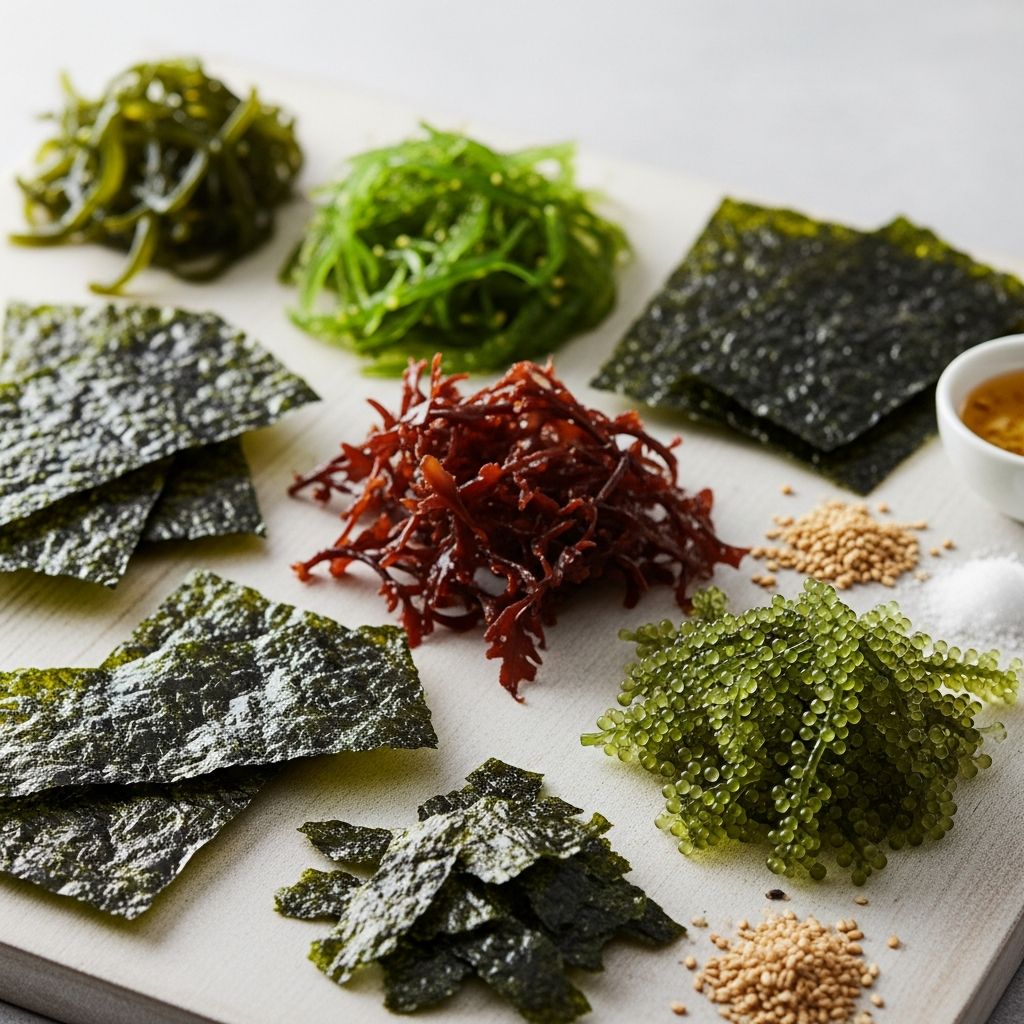
Seaweed: A Tasty, Nutritious Snack
Seaweed has long been a dietary staple in many Asian cultures, particularly in Japan, Korea, and China, where it is incorporated into meals as a regular food source rather than an occasional treat. In recent years, Western nutritionists and health enthusiasts have begun to recognize seaweed’s remarkable nutritional profile and its potential benefits for overall health and wellness. This versatile ocean vegetable offers a unique combination of minerals, vitamins, and bioactive compounds that make it an ideal choice for anyone seeking to enhance their diet with nutrient-dense foods. Whether enjoyed as a crispy snack, added to salads, or incorporated into sushi rolls, seaweed provides impressive nutritional value in remarkably small portions.
What Is Seaweed?
Seaweed, also known as marine algae or sea vegetables, encompasses various species of edible algae that grow in oceanic environments. Unlike land-based plants, seaweed exists entirely within a mineral-rich environment, allowing it to absorb and concentrate essential minerals directly from seawater. This unique characteristic distinguishes seaweed from terrestrial vegetables and contributes significantly to its exceptional mineral content. The most commonly consumed varieties include kelp, nori, wakame, dulse, and various species of green and red algae. Each variety offers distinct nutritional profiles and flavor characteristics, making seaweed a versatile ingredient across numerous cuisines.
Common Types of Seaweed
Kelp
Kelp represents one of the most recognizable forms of edible seaweed and is readily available in markets worldwide. This brown seaweed serves as an excellent source of iodine, folate, vitamin K1, and calcium. Kelp’s mild flavor and chewy texture make it an accessible introduction to sea vegetables for those new to seaweed consumption. It can be enjoyed as a standalone snack, added to soups, or incorporated into grain dishes for added nutritional benefits.
Nori
Nori is the paper-thin, roasted red seaweed most famously used as a wrapping for sushi rolls. Its slightly sweet, toasted flavor makes it particularly appealing to those hesitant about trying seaweed. Nori is nutrient-dense and provides an excellent source of vitamins, minerals, and antioxidants. When roasted, it becomes crispy and can be enjoyed as a standalone snack directly from the package.
Dulse
Dulse grows primarily in the North Atlantic and Pacific oceans and offers a distinctive soft, chewy texture. This variety stands out for its notably high protein content, making it an excellent choice for vegetarians and vegans seeking plant-based protein sources. Dulse provides a slightly salty flavor with subtle umami notes that enhance various dishes without requiring additional seasoning.
Wakame
Wakame is a brown seaweed commonly used in Japanese cuisine, particularly in miso soups and seaweed salads. It offers a tender texture and mild flavor that pairs well with various ingredients. Wakame is particularly rich in minerals and contains significant amounts of magnesium, making it valuable for those concerned with bone health and muscle function.
Nutritional Composition of Seaweed
Seaweed’s nutritional profile sets it apart from most terrestrial vegetables and even from many other marine foods. Despite being exceptionally low in calories due to its high water and fiber content, seaweed is remarkably rich in bioavailable minerals absorbed from seawater. This unique combination makes seaweed an ideal food for those seeking maximum nutritional value with minimal caloric intake.
Related Stories



Minerals and Trace Elements
Seaweed concentrates minerals at levels far exceeding those found in land-based vegetables. Key minerals include:
- Iodine – essential for thyroid function and hormone production
- Potassium – crucial for heart health and blood pressure regulation
- Magnesium – important for muscle function and energy metabolism
- Iron – vital for oxygen transport and energy production
- Calcium – essential for bone health and dental strength
- Zinc – supports immune function and wound healing
- Manganese – involved in bone formation and metabolic processes
Vitamins
Seaweed provides various vitamins including vitamin K1, which plays a crucial role in blood clotting and bone metabolism. Some seaweed varieties also contain B vitamins, though the bioavailability of B12 in seaweed remains a subject of ongoing research. The exact vitamin content varies significantly depending on the seaweed species and the conditions under which it was harvested.
Dietary Fiber
Seaweed contains multiple forms of dietary fiber, including soluble and insoluble varieties, as well as specialized polysaccharides such as agar, alginate, carrageenan, and cellulose. These fibers serve dual purposes: they provide functional benefits within the body and are used by the food industry as thickening and emulsifying agents. In the digestive system, these fibers bind to water and slow digestion, helping prevent constipation, control blood sugar levels, and promote satiety.
Omega-3 Fatty Acids
Despite being low in total fat, seaweed contains significant amounts of polyunsaturated fats, particularly the omega-3 fatty acids eicosapentaenoic acid (EPA) and docosahexaenoic acid (DHA). These compounds are traditionally associated with fatty fish consumption, making seaweed an important plant-based alternative source of these essential nutrients. EPA and DHA play critical roles in heart health, brain function, and inflammatory response regulation.
Health Benefits of Seaweed
Thyroid Support and Iodine Provision
The most distinctive nutritional advantage seaweed offers is its exceptional iodine content. A functional thyroid depends on adequate iodine to produce hormones that regulate metabolism, provide energy, and support overall physiological function. Many seaweed varieties also contain tyrosine, an amino acid that works synergistically with iodine to optimize thyroid health. Proper thyroid function indirectly supports mental health, as the thyroid regulates hormones that influence mood, cognition, and emotional well-being. However, individuals should be aware that excessive iodine intake from regular consumption of certain seaweed varieties may occasionally lead to hypothyroidism in susceptible individuals, so moderation and variety in seaweed consumption is advisable.
Cardiovascular Health
Polysaccharides found in various seaweed strains have demonstrated the ability to reduce plasma total cholesterol and Low-Density Lipoprotein (LDL) cholesterol levels. The omega-3 fatty acids present in seaweed, particularly EPA, help prevent the progression of heart-related complications and improve metabolic markers. Additionally, seaweed polyphenols have been shown in research to affect the breakdown and absorption of glucose and fats, contributing to improved cholesterol profiles and reduced cardiovascular risk.
Brain Function and Neuroprotection
The omega-3 fatty acid DHA is highly concentrated in brain tissue and retinal cells, making it particularly important for neuronal activity and cognitive function. Epidemiological and preclinical studies suggest that DHA may provide protective effects against age-related cognitive decline, Alzheimer’s disease, and macular degeneration. Research also indicates that EPA, another omega-3 found in seaweed, could be linked to decreased risk of depression and improved mood regulation. Deficiencies in omega-3 fatty acids have been associated with increased aggression, impulsivity, and attention-related challenges, further underscoring the importance of adequate omega-3 intake through foods like seaweed.
Antioxidant Protection
Edible seaweed serves as an excellent source of antioxidants, including polyphenols and carotenoids, which protect cells from oxidative damage caused by free radicals. This antioxidant capacity helps decrease inflammation throughout the body and reduces oxidative stress. The protective effects extend to the digestive system, supporting nutrient absorption and promoting the activation of neural pathways within the gut-brain axis. These antioxidant compounds have also demonstrated potential anticancer effects in laboratory and animal studies.
Gut Health and Prebiotic Function
Seaweed has been classified as a functional food or nutraceutical due to its disease-preventive components. The polysaccharides and other fibers in seaweed act as prebiotic foods, feeding beneficial bacteria in the gut microbiome. When these fibers are fermented by colonic bacteria, they produce short-chain fatty acids that support digestive health, protect against pathogenic organisms, and promote immunity. A healthy gut microbiome, sometimes referred to as the “second human genome,” profoundly influences overall health and disease prevention. The regular consumption of seaweed contributes to microbiome diversity and function, supporting both digestive and systemic health.
Weight Management
Seaweed’s naturally low caloric density combined with its high fiber content makes it an excellent choice for weight management efforts. Research suggests that alginate, a fiber found in brown seaweed varieties, may suppress hunger signals and reduce overall calorie intake. The combination of alginate and beta-glucan in seaweed may also prevent rapid blood sugar spikes and help control appetite by slowing the rate of digestion. The fermentation of seaweed fibers in the colon produces metabolites associated with weight regulation, providing additional mechanisms through which seaweed consumption may support healthy weight maintenance.
Considerations and Potential Concerns
While seaweed offers substantial nutritional benefits, certain considerations warrant attention. The iodine content in seaweed varies dramatically depending on species and harvest location, ranging from as little as 9 mg per 100 grams in agar to as much as 872 mg in wakame. This wide variation makes it challenging to provide precise dietary guidance. Individuals with thyroid conditions or those taking thyroid medications should discuss seaweed consumption with their healthcare providers.
Additionally, some processed forms of carrageenan, a polysaccharide used in certain seaweed products as a food additive, have shown potential inflammatory effects in certain animal and laboratory studies, though carrageenan remains FDA-approved for food use. Selecting minimally processed seaweed products helps minimize exposure to additives and ensures maximum nutritional benefit.
How to Incorporate Seaweed Into Your Diet
Incorporating seaweed into your daily nutrition is straightforward and enjoyable. Roasted seaweed snacks offer a convenient, portable option requiring no preparation. Seaweed can be added to soups, salads, and grain bowls for texture and nutritional enhancement. It can be used as a seasoning alternative to salt, providing umami flavor and minerals without excessive sodium. For those interested in exploring seaweed’s culinary potential, it can be incorporated into sushi rolls, wrapped around rice balls, or used as a flavorful addition to vegetable stir-fries and noodle dishes.
The Blue Zone Connection
Japan is recognized as part of the world’s “Blue Zones,” regions where populations demonstrate exceptional longevity and health outcomes. The widespread consumption of seaweed in Japanese cuisine is believed to contribute significantly to these positive health statistics. Much of Japan’s population regularly enjoys long, healthy lives, a phenomenon researchers increasingly attribute to dietary patterns that include seaweed as a regular food component rather than an occasional treat. This real-world example demonstrates seaweed’s potential role in supporting long-term health and wellness.
Frequently Asked Questions
Q: Is seaweed safe for everyone to eat regularly?
A: Seaweed is generally safe for most people when consumed in moderate quantities. However, individuals with thyroid conditions, those on thyroid medications, or those with iodine sensitivity should consult healthcare providers before significantly increasing seaweed intake due to variable iodine content.
Q: Does seaweed contain vitamin B12?
A: Some seaweed varieties contain compounds identified as B12, but the bioavailability and bioactivity of this B12 in human digestion remain subjects of ongoing scientific investigation. Vegans should not rely solely on seaweed as a B12 source without consulting healthcare providers.
Q: How much seaweed should I consume daily?
A: Typical serving sizes range from small snack portions to several ounces in cooked dishes. Most recommendations suggest moderate consumption, with some guidelines suggesting several servings weekly rather than daily consumption to maintain appropriate mineral intake levels.
Q: Can seaweed help with weight loss?
A: Seaweed may support weight management through its high fiber content, appetite-suppressing properties, and ability to slow digestion. However, seaweed works best as part of an overall healthy diet and exercise program rather than as a standalone weight-loss solution.
Q: What’s the difference between nori and other seaweeds?
A: Nori is a red seaweed typically roasted and pressed into sheets, known for its use in sushi. Other seaweeds like kelp and wakame are brown varieties with different textures and flavor profiles. Each offers distinct nutritional benefits and culinary applications.
Q: Is all seaweed equally nutritious?
A: Nutritional content varies significantly among seaweed species and depends on growing conditions and harvest timing. Different varieties excel in different nutrients—some are higher in iodine, others in calcium or magnesium—so consuming a variety provides the broadest nutritional spectrum.
Q: Can seaweed interact with medications?
A: Seaweed’s high iodine and potassium content may interact with certain medications, particularly thyroid medications and blood thinners. Individuals on medications should discuss seaweed consumption with their healthcare providers to avoid potential interactions.
References
- Nutritional value of seaweeds and their potential to serve as functional foods and nutraceuticals — Taylor & Francis Online. 2021. https://www.tandfonline.com/doi/abs/10.1080/00318884.2021.1973753
- Seaweed — Harvard T.H. Chan School of Public Health, The Nutrition Source. 2024. https://nutritionsource.hsph.harvard.edu/seaweed/
- Seaweed and Human Health: Antioxidants, Iodine, and Neuroprotective Effects — News Medical Life Sciences. 2024. https://www.news-medical.net/health/Seaweed-and-Human-Health-Antioxidants-Iodine-and-Neuroprotective-Effects.aspx
- Health Benefits of Marine Vegetables — Wise Mind Nutrition. 2024. https://wisemindnutrition.com/blog/health-benefits-marine-vegetables
Similar Articles








Read full bio of Sneha Tete