Sebaceous Filaments: Difference From Blackheads & Treatment
Understand sebaceous filaments, how they differ from blackheads, and effective treatment options.
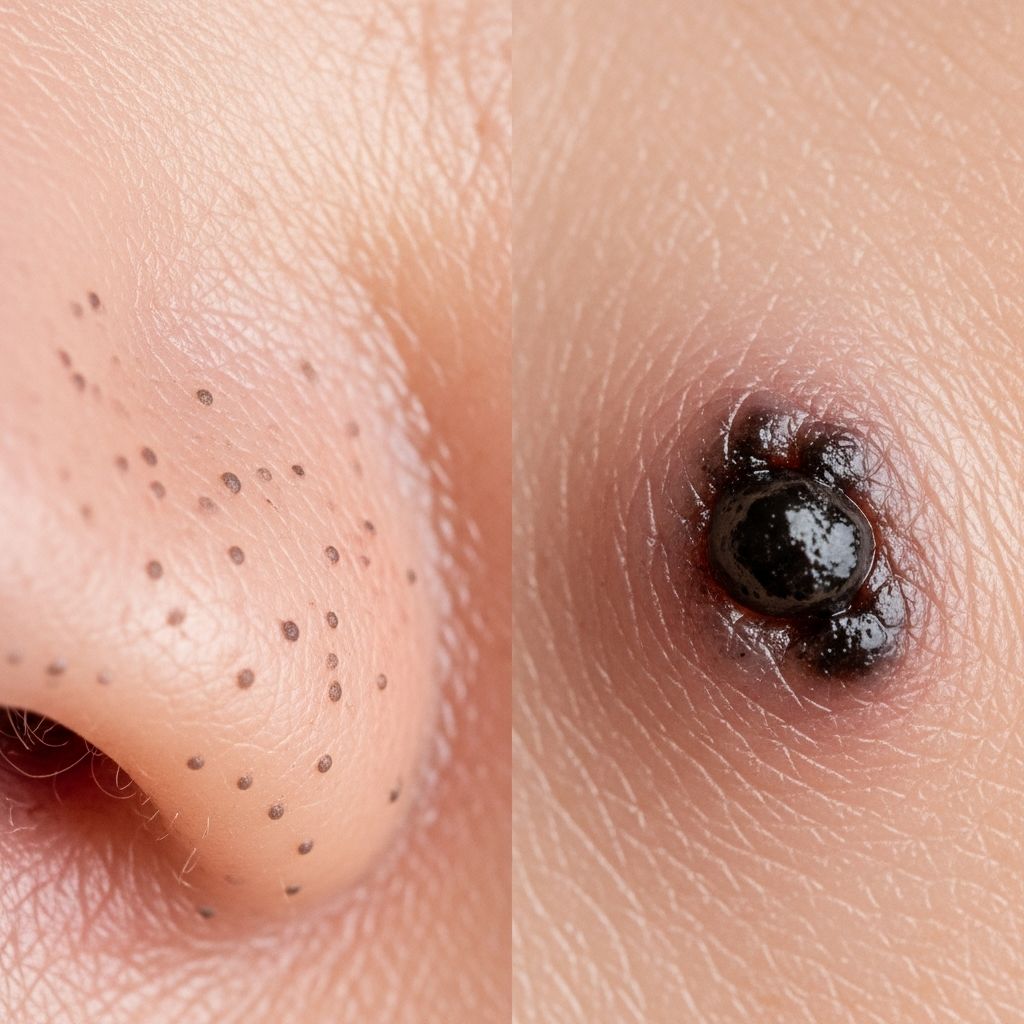
Sebaceous filaments are thin, threadlike structures that line your sebaceous (oil) glands and play a crucial role in maintaining healthy skin. These natural components of your skin help move an oily lubricant called sebum from the glands to the surface of your skin, keeping it hydrated and protected. While they sometimes appear prominent and can be confused with blackheads, sebaceous filaments are an essential part of your skin’s normal functioning. Understanding what they are and how to care for them is important for maintaining clear, healthy skin.
What Are Sebaceous Filaments?
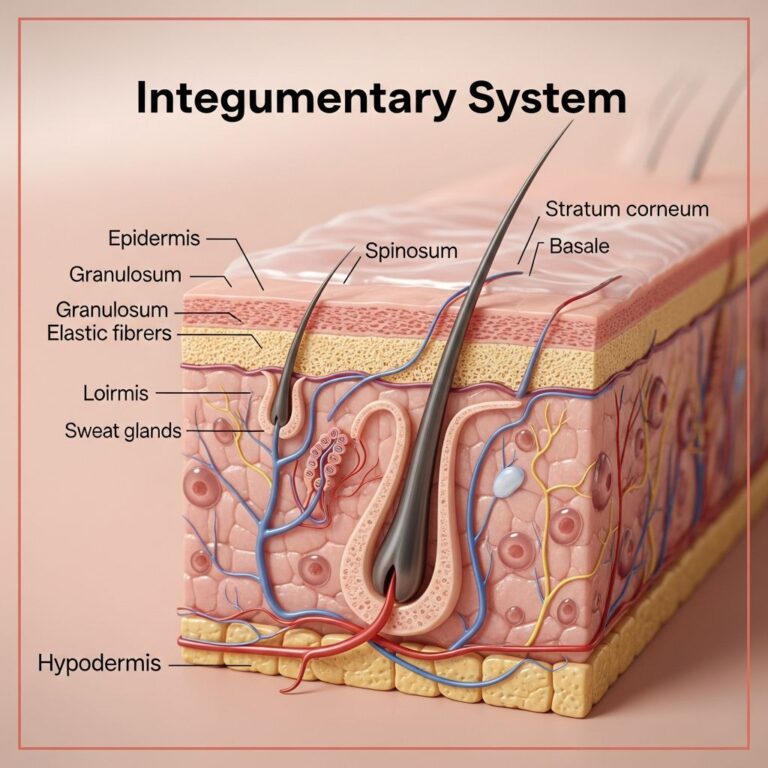
Sebaceous filaments are natural, tube-like structures found within your skin’s pores that serve a vital function in your skin’s oil management system. Unlike blackheads, which are clogged pores resulting from debris accumulation, sebaceous filaments are normal skin anatomy. They are composed of sebum and dead skin cells that form a plug within the hair follicle, allowing oil to flow freely to the skin’s surface.
These filaments are particularly abundant in areas where sebaceous glands are densely concentrated, such as the nose, chin, and forehead. The visibility of sebaceous filaments varies from person to person and depends on several factors, including age, skin care practices, hair follicle thickness, and sebum production levels. When your sebaceous glands overproduce sebum, your sebaceous filaments become more noticeable.
The Function of Sebaceous Filaments
The primary function of sebaceous filaments is to facilitate the movement of sebum from your sebaceous glands to the skin’s surface. This process is essential for several reasons:
- Skin Hydration: Sebum acts as a natural moisturizer, keeping your skin supple and hydrated.
- Protective Barrier: The oily layer created by sebum protects your skin from environmental irritants and harmful substances.
- Hair Health: Sebum also conditions your hair, maintaining its natural shine and flexibility.
- Immune Function: Sebaceous glands participate in innate immunity by releasing protective compounds.
Without sebaceous filaments, sebum would not reach the skin’s surface effectively, leading to dryness, irritation, and compromised skin health. This is why dermatologists emphasize that sebaceous filaments are not a skin problem to be eliminated but rather a normal and necessary component of healthy skin.
Sebaceous Filaments vs. Blackheads: Key Differences
Many people confuse sebaceous filaments with blackheads due to their similar appearance. However, they are fundamentally different and require different approaches to care. Understanding these distinctions is crucial for developing an appropriate skincare routine.
| Feature | Sebaceous Filaments | Blackheads |
|---|---|---|
| Appearance | Off-white, yellow, or gray; thread-like | Dark black or dark brown; more prominent |
| Texture | Flat, flush with skin surface | Raised bump, hard to the touch |
| Composition | Sebum, dead skin cells, and keratin | Oxidized keratin and debris from clogged pores |
| Nature | Normal skin structure | Result of pore blockage |
| Return After Removal | Reappears within 30 days (or sooner) | May take longer to return |
| Function | Channels oil to skin surface | No beneficial function; indicates congestion |
Related Stories



To distinguish between the two, examine the spots closely. Sebaceous filaments are typically uniform in size, lighter in color, and less prominent. When squeezed, a whitish, thread-like oily substance comes out. Blackheads, by contrast, are darker, more prominent, and produce a hard plug of sebum when extracted.
Why Sebaceous Filaments Become More Noticeable
Several factors influence how visible your sebaceous filaments are:
- Sebum Overproduction: When your sebaceous glands produce excess sebum, the filaments become more pronounced and visible on the skin’s surface.
- Skin Type: Individuals with oily or combination skin naturally have more visible sebaceous filaments.
- Pore Size: Larger pores make sebaceous filaments more apparent.
- Age: Sebaceous filaments may become more noticeable with age due to changes in skin texture and pore size.
- Skincare Habits: Poor skincare routines can lead to increased sebum accumulation, making filaments more visible.
- Diet: Sugary foods and refined carbohydrates can increase sebum production, worsening visibility.
Understanding these factors can help you adjust your skincare routine to minimize the appearance of sebaceous filaments while maintaining healthy skin.
Treatment and Management Options
While sebaceous filaments cannot be permanently removed—they are a natural part of your skin’s anatomy—their appearance can be effectively managed through various skincare approaches and professional treatments.
Topical Skincare Products
Salicylic Acid: This beta hydroxy acid (BHA) is highly effective for managing sebaceous filaments. Salicylic acid dissolves sebum and cleanses the pores, reducing oil accumulation and making filaments less visible. Many over-the-counter cleansers and creams containing salicylic acid are readily available.
Retinoids: Prescription-strength retinoids and over-the-counter retinol products help regulate sebum production and promote cell regeneration. They can improve pore health and reduce the appearance of sebaceous filaments over time.
Alpha Hydroxy Acids (AHAs): These gentle exfoliants help remove dead skin cells and reduce sebum buildup, minimizing the appearance of sebaceous filaments.
Non-Comedogenic Moisturizers: Keeping your skin properly hydrated without clogging pores is essential. Non-comedogenic products maintain skin health while preventing excess oil accumulation.
Professional Treatments
For those seeking more intensive solutions, several professional procedures can enhance skin texture and reduce sebaceous filament visibility:
- Chemical Peels: Professional-grade chemical peels exfoliate the skin more deeply than at-home products, improving pore health and reducing filament appearance.
- Microdermabrasion: This mechanical exfoliation technique removes the outer layer of dead skin cells, minimizing sebaceous filament visibility.
- Professional Extractions: Performed by skincare specialists, these extractions are gentler and more effective than at-home removal methods.
Your dermatologist can assess your skin and recommend the most appropriate professional treatment based on your specific needs and goals.
Accutane for Severe Cases
In extremely rare cases where sebaceous filament visibility is severe, Accutane (isotretinoin), a vitamin A-containing medication, may be prescribed. This drug helps regulate sebum secretion through sebaceous glands and aids in cell regeneration, reducing debris in pores. However, Accutane is typically reserved for severe acne cases and carries significant potential side effects, so it is rarely used solely for sebaceous filament management.
Why You Should Avoid Squeezing Sebaceous Filaments
While the urge to remove visible sebaceous filaments may be tempting, squeezing them is not recommended for several important reasons:
- They Return Quickly: If you manage to extract sebum from sebaceous filaments, your pores will refill within 30 days or even sooner, especially for those with oily skin. Removal is temporary and futile.
- Skin Damage: Your skin is sensitive and delicate. Nails are much stronger than skin, and applying pressure with your nails can cause irritation, inflammation, and serious damage to the skin barrier.
- Infection Risk: Manual extraction can introduce bacteria, increasing the risk of infection and acne development.
- Scarring: Repeated squeezing can lead to permanent scarring and pitting of the skin.
Dermatologists strongly advise against attempting to manually remove sebaceous filaments. Instead, focus on minimizing their appearance through proper skincare and professional treatments.
Lifestyle and Dietary Considerations
Beyond topical treatments, certain lifestyle and dietary choices can influence the appearance of sebaceous filaments:
Omega-3 Fatty Acids: Foods rich in omega-3 fatty acids, such as fish and flaxseed, possess anti-inflammatory properties that can help balance oil production and reduce the visibility of sebaceous filaments.
Limiting Sugary and Refined Foods: Sugary foods and refined carbohydrates can trigger increased sebum production, potentially worsening the visibility of sebaceous filaments. Reducing consumption of these foods may help manage sebaceous filament appearance.
Hydration: Drinking adequate water supports overall skin health and can help maintain the skin’s natural barrier function.
Stress Management: Stress can increase sebum production through hormonal changes. Engaging in stress-reducing activities may help minimize sebaceous filament visibility.
When to Consult a Dermatologist
While sebaceous filaments are a normal part of skin anatomy and not typically a cause for medical concern, you should consult a dermatologist if:
- Your sebaceous filaments are extremely prominent and causing significant distress.
- You are unsure whether you have sebaceous filaments or blackheads.
- Your skin shows signs of infection or inflammation around the filaments.
- Over-the-counter treatments are not providing satisfactory results.
- You have chronic sebaceous filament issues affecting multiple areas of your face.
A dermatologist can provide personalized recommendations and professional treatments tailored to your specific skin type and concerns.
Frequently Asked Questions
Q: Are sebaceous filaments harmful?
A: No, sebaceous filaments are not harmful. They are a natural and necessary component of healthy skin. They serve the important function of transporting sebum to the skin’s surface, which keeps your skin hydrated and protected.
Q: Can sebaceous filaments be permanently removed?
A: No, sebaceous filaments cannot be permanently removed because they are a natural part of your skin’s anatomy. If you extract the sebum, your pores will refill within 30 days. Instead of removal, focus on minimizing their appearance through proper skincare.
Q: How long does it take for sebaceous filaments to reappear after extraction?
A: Sebaceous filaments typically reappear within 30 days after extraction. For individuals with very oily skin, they may return even sooner.
Q: Is salicylic acid safe for treating sebaceous filaments?
A: Yes, salicylic acid is safe and effective for managing sebaceous filaments. It dissolves sebum and helps cleanse pores, making filaments less visible. Many over-the-counter products containing salicylic acid are available.
Q: What is the difference between sebaceous filaments and blackheads?
A: Sebaceous filaments are normal skin structures that help transport oil, appearing light-colored and flat. Blackheads are clogged pores appearing dark and raised, resulting from debris accumulation rather than normal skin function.
Q: Can diet affect the appearance of sebaceous filaments?
A: Yes, diet can influence sebaceous filament visibility. Sugary foods and refined carbohydrates increase sebum production, making filaments more apparent. Omega-3 rich foods may help reduce inflammation and balance oil production.
Q: What is the best way to minimize sebaceous filament appearance?
A: The best approach combines proper skincare with products containing salicylic acid or retinoids, regular gentle cleansing, non-comedogenic moisturizers, and professional treatments like chemical peels if needed. Avoid squeezing or extracting them manually.
References
- Sebaceous Filaments: Difference From Blackheads & Treatment — Cleveland Clinic. 2024. https://my.clevelandclinic.org/health/diseases/24571-sebaceous-filaments
- Sebaceous Glands: Function, Location & Secretion — Cleveland Clinic. 2024. https://my.clevelandclinic.org/health/body/24538-sebaceous-glands
- Sebaceous Filaments: Causes, Treatments, Prevention — MedicineNet. 2024. https://www.medicinenet.com/can_you_get_rid_of_sebaceous_filaments/article.htm
- Sebaceous Filaments Explained: Causes, Facts, and Treatments — Rupa Health. 2024. https://www.rupahealth.com/post/sebaceous-filaments-explained-causes-facts-and-treatments
- Sebaceous Filament — Wikipedia. 2024. https://en.wikipedia.org/wiki/Sebaceous_filament
- Sebaceous Filaments vs. Blackheads: What’s the Difference? — Paula’s Choice. 2024. https://www.paulaschoice.com/expert-advice/skincare-advice/blackheads/blackheads-or-something-else.html
Similar Articles








Read full bio of Sneha Tete