Sebaceous Glands: Function, Location & Secretion
Understanding sebaceous glands: how they work, where they're located, and how to keep them healthy.
Understanding Sebaceous Glands
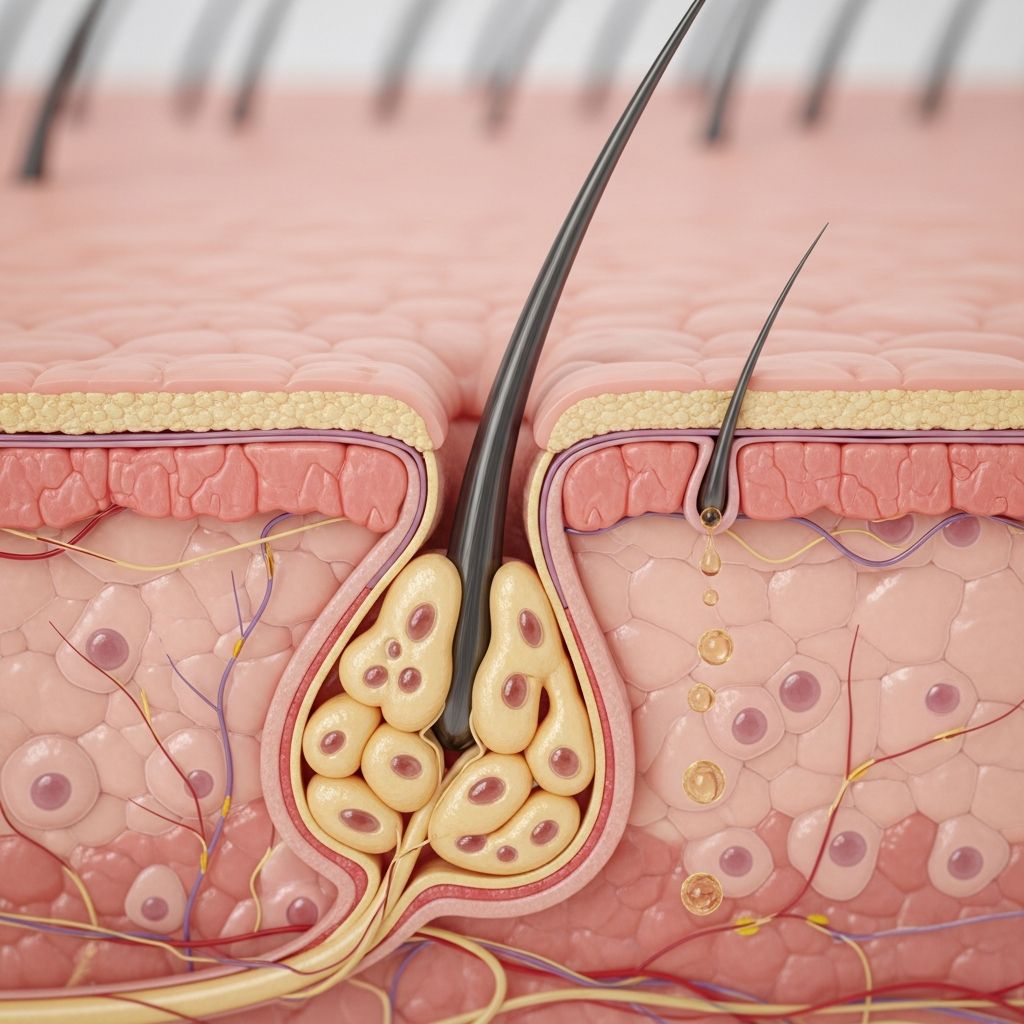
Sebaceous glands are microscopic glands found in your hair follicles that secrete sebum, an oily substance that protects your skin from drying out. These glands are essential organs in your skin that make and secrete sebum, which provides a protective coating for your skin to help it retain moisture. Understanding how these glands function and where they’re located can help you maintain healthier skin and address common skin concerns.
What Are Sebaceous Glands?
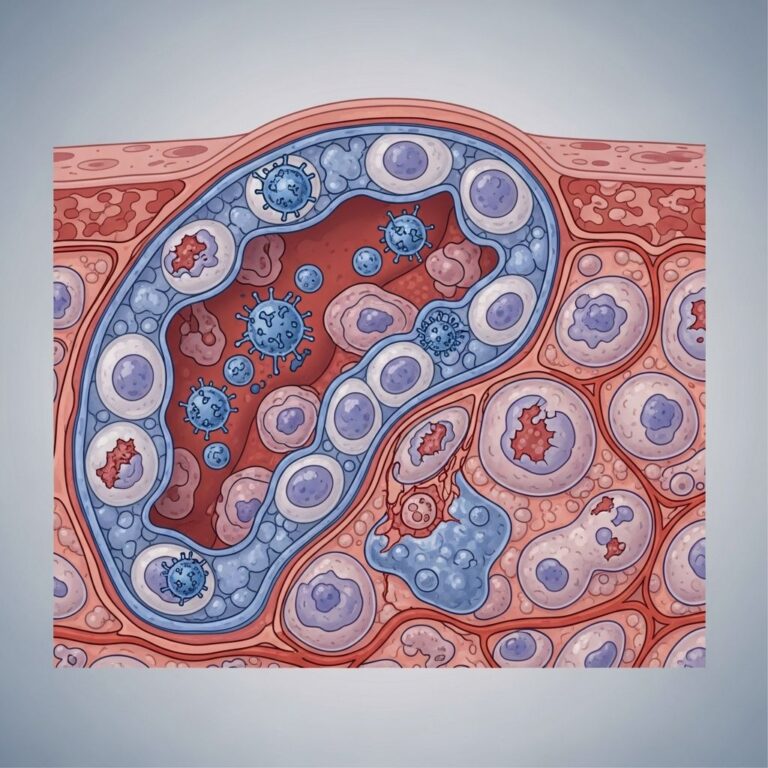
Sebaceous glands are specialized organs in your skin responsible for producing and secreting sebum. Most of your sebaceous glands connect to your hair follicles, creating an integrated system that works to maintain skin health. These glands develop on or near your hair follicles in the second layer of your skin, known as the dermis. While they may seem like simple structures, sebaceous glands play a crucial role in keeping your skin protected and moisturized.
The Two Types of Sebaceous Glands
There are two types of sebaceous glands, each with different locations on your body:
Type 1: Hair Follicle-Attached Glands
The majority of your sebaceous glands have openings attached to your hair follicles. These glands line the hair shaft and directly release sebum into the follicle, which then travels to the skin surface. This is the most common type of sebaceous gland found throughout your body.
Type 2: Standalone Sebaceous Glands
Some sebaceous glands work with your sweat glands and open directly at the surface of your skin instead of at your hair follicles. These standalone glands are commonly found on your penis, labia, lips, and inside of your nose. Despite their different attachment points, both types perform the same function: creating and releasing sebum.
Location of Sebaceous Glands on Your Body
You have thousands of sebaceous glands all over your body, with distribution varying by location. The only places where you don’t have sebaceous glands are on the palms of your hands and the soles of your feet. Understanding where these glands are concentrated can help you target your skincare routine more effectively.
Areas With High Sebaceous Gland Concentration
The face and scalp have the most sebaceous glands, which is why these areas tend to be oilier than other parts of your body. This concentration makes these areas more prone to oiliness but also more resilient due to natural moisturization. Other areas with notable sebaceous gland activity include the chest, back, and upper arms.
Understanding Sebaceous Gland Structure
If you hold a penny between your pointer finger and your thumb with the face pointing toward yours, the shape of your finger and thumb look like the outline of a sebaceous gland. The penny represents the opening of the sebaceous gland, which is where your gland secretes sebum into your hair follicle. Inside the sebaceous gland are several cells that create sebum, specifically epithelial cells that produce the oily substance.
The Function and Composition of Sebum
Sebaceous glands are responsible for producing and secreting sebum, which is an oily substance made up of fat molecules known as lipids. This natural lubrication serves several critical functions for your body and skin health.
Related Stories



What Sebum Does for Your Skin
Sebum provides natural lubrication that protects your skin from multiple threats. It acts as a barrier against bacterial growth, helps prevent environmental damage, and protects your skin from drying out. Additionally, sebum contributes to your body’s natural odor profile, which is influenced by bacterial colonization on the skin’s surface.
Lipids in Sebum
Sebum consists primarily of various lipids, including:
– Triglycerides and diglycerides- Fatty acids- Cholesterol and cholesterol esters- Squalene- Wax esters
Sebum Production Across Your Lifespan
Your sebaceous glands don’t produce sebum at the same rate throughout your life. Understanding these changes can help you adjust your skincare routine as you age.
Infancy and Childhood
After you’re born, your sebaceous glands activate and start producing sebum. The amount of sebum your body produces remains slow through childhood. This is why babies and young children typically have drier skin compared to teenagers and young adults.
Puberty and Adolescence
At the time of puberty, your body produces excessive amounts of sebum. This is due to increased hormonal activity, particularly androgens, which stimulate sebaceous gland production. This surge is why acne and oily skin are common concerns during the teenage years.
Adulthood
Your sebum production reduces to normal amounts during adulthood as hormonal levels stabilize. Most adults experience balanced sebum production that maintains skin health without excessive oiliness.
Later Years
After age 70, your body’s sebum production slows down gradually. This decrease can lead to drier skin, which is why older adults often need different moisturizing strategies compared to younger individuals.
Common Conditions Affecting Sebaceous Glands
Several conditions can affect the health and function of your sebaceous glands. Understanding these common issues can help you recognize when to seek professional care.
Acne and Clogged Pores
When sebaceous glands produce excess sebum or when sebum becomes trapped in hair follicles, acne can develop. Clogged pores occur when dead skin cells mix with sebum, blocking the follicle opening.
Sebaceous Hyperplasia
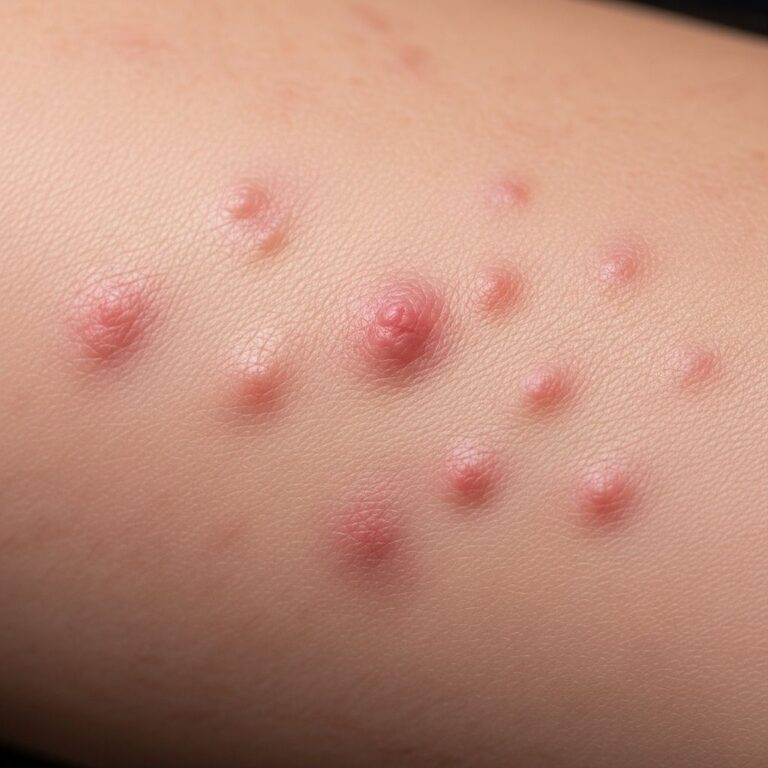
Sebaceous hyperplasia is a condition where sebaceous glands get bigger, forming small bumps. It’s a harmless, benign enlargement that occurs in about 1% of healthy people and is more common as individuals age.
Sebaceous Filaments
Sebaceous filaments are thin, threadlike appendages that line your sebaceous glands. They help move sebum from the glands to the surface of your skin. When your sebaceous glands overproduce sebum, these filaments become more noticeable.
Hordeolum (Stye)
A hordeolum is an acute abscess within an eyelid sebaceous gland, usually caused by a bacterial infection. This painful condition requires warm compresses and sometimes antibiotics if it develops into a more serious infection.
Chalazion
A chalazion is a chronic lipogranuloma due to leakage of sebum from an obstructed meibomian gland. It may develop from an internal hordeolum and often requires medical treatment if it doesn’t resolve on its own.
Seborrheic Dermatitis
This condition usually shows up in areas of your body that have more oil glands, including the scalp, face, and chest. It presents as red, itchy, or scaly skin in sebum-rich areas.
Symptoms That Warrant Medical Attention
Although most sebaceous gland conditions present with visible symptoms on your skin, you should consult a healthcare provider if you experience:
– Persistent redness or inflammation- Pain or tenderness that doesn’t improve with home care- Signs of infection such as pus or warmth around a bump- Lesions that change in size, color, or appearance- Itching or burning sensations that interfere with daily activities
Diagnosing Sebaceous Gland Conditions
A visual examination of your skin by your healthcare provider can diagnose most sebaceous gland conditions. However, your provider might offer additional tests to rule out conditions with similar symptoms or to confirm a diagnosis. Tests to check the health of your sebaceous glands include dermoscopy, skin cultures, or biopsies in cases where malignancy is suspected.
Sebaceous Glands vs. Sweat Glands
Both sebaceous glands and sweat glands are organs in your body that protect your skin from becoming too dry. However, they function differently:
| Feature | Sebaceous Glands | Sweat Glands ||———|——————|—————|| Secretion | Oily sebum | Watery sweat || Structure | No ducts | Have ducts || Pathway | Through hair follicles | Direct to skin surface || Primary Function | Skin moisturization | Temperature regulation || Distribution | Higher on face and scalp | Throughout entire body |
Treatments and Management Options
Managing sebaceous gland health involves understanding your skin type and adjusting your routine accordingly. While retinoids, like tretinoin (Retin-A®), are chemicals derived from vitamin A that are found in common skincare medications to treat conditions like acne, they work in specific ways. Studies show that using retinoids shrinks the size of your pores, but they don’t actually shrink the size of your sebaceous glands themselves. However, retinoids do reduce your sebaceous glands’ production of sebum, which can help with oily skin concerns.
Home Care Strategies
Follow a daily skincare routine to prevent your pores and hair follicles from clogging with excess sebum. This includes gentle cleansing, appropriate moisturizing, and using non-comedogenic products. Regular exfoliation can also help remove dead skin cells that might trap sebum in your pores.
Professional Treatments
For conditions like sebaceous hyperplasia or persistent sebaceous filaments, dermatologists can offer various treatments. These may include topical medications, laser therapy, or extraction procedures performed by a trained professional.
Maintaining Healthy Sebaceous Glands
Sebaceous glands are an important organ for your body to keep your skin moisturized and protected. While it might be frustrating to have greasy hair or oily skin, those are actually signs that your sebaceous glands are working as intended. The key is finding balance through appropriate skincare and lifestyle habits.
Daily Skincare Tips
Cleanse your skin twice daily with a gentle, pH-balanced cleanser. Use oil-free or non-comedogenic moisturizers to hydrate your skin without clogging pores. Incorporate sunscreen into your routine, as UV damage can affect sebaceous gland function. Consider using products with ingredients like niacinamide or salicylic acid, which can help regulate sebum production.
Lifestyle Factors
Diet, stress levels, and hormonal balance all influence sebaceous gland activity. Maintaining a balanced diet rich in antioxidants, managing stress through exercise or meditation, and getting adequate sleep can all contribute to healthier skin and balanced sebum production.
Frequently Asked Questions
Q: Are the glands in my breasts sebaceous glands?
A: No. The glands in your breasts are mammary glands, which are responsible for lactation or milk production. These are distinct from sebaceous glands.
Q: Can sebaceous glands be permanently shrunk?
A: Pore size is determined by the size of your sebaceous glands and is largely genetic. While retinoids can make pores appear smaller and reduce sebum production, they cannot permanently shrink the actual glands themselves.
Q: Why do sebaceous glands become more active during puberty?
A: During puberty, hormonal changes increase the production of androgens, which stimulate sebaceous glands to produce more sebum. This hormonal surge is temporary and typically normalizes in adulthood.
Q: What is the difference between a sebaceous cyst and a sebaceous gland?
A: Despite the confusing name, epidermal inclusion cysts (often called sebaceous cysts) are not related to sebaceous glands. These cysts are filled with keratin and cell debris, not sebum.
Q: Should I pop a pimple caused by clogged sebaceous glands?
A: No. Popping pimples can lead to infection, scarring, and worsening inflammation. It’s best to allow them to heal naturally or seek professional extraction by a dermatologist.
Q: Do sebaceous glands require special care after age 70?
A: Yes. After age 70, decreased sebum production may require adjustment to your skincare routine, including richer moisturizers and potentially less frequent cleansing to avoid over-drying your skin.
Conclusion
Sebaceous glands are vital components of your skin health system, working continuously to protect and moisturize your skin throughout your life. While they can sometimes cause frustration with excess oiliness or acne, their function is essential. By understanding how these glands work, where they’re located, and how sebum production changes across your lifespan, you can develop an effective skincare routine that maintains healthy skin. Whether you’re dealing with oily skin, acne, or age-related changes in sebum production, proper care and professional guidance can help you manage your sebaceous glands effectively and maintain healthy, balanced skin.
References
- Sebaceous Glands: Function, Location & Secretion — Cleveland Clinic. 2022-12-14. https://my.clevelandclinic.org/health/body/24538-sebaceous-glands
- Hordeolum: Acute abscess within an eyelid sebaceous gland — Cleveland Clinic Journal of Medicine. 2016-05. https://www.ccjm.org/content/83/5/332
- Sebaceous Hyperplasia: Diagnosis, Symptoms & Treatment — Cleveland Clinic. https://my.clevelandclinic.org/health/diseases/22670-sebaceous-hyperplasia
- Sebaceous Filaments: Difference From Blackheads & Treatment — Cleveland Clinic. https://my.clevelandclinic.org/health/diseases/24571-sebaceous-filaments
- Epidermal Inclusion Cysts (Sebaceous Cysts): Treatment & Causes — Cleveland Clinic. https://my.clevelandclinic.org/health/diseases/14165-sebaceous-cysts
- Seborrheic Dermatitis: Symptoms, Causes & Treatment — Cleveland Clinic. https://my.clevelandclinic.org/health/diseases/14403-seborrheic-dermatitis
Similar Articles








Read full bio of Sneha Tete