Seborrheic Dermatitis: Symptoms, Causes & Treatment
Understand seborrheic dermatitis: manageable skin condition causing itchy, flaky patches on scalp and face.
Seborrheic dermatitis is a common skin condition that makes your skin itchy, flaky and scaly, especially on your scalp and face. It isn’t contagious and can come and go throughout your life. Treatments like medicated creams and shampoos can help you keep it well managed. While the condition can be bothersome and affect your appearance, it’s manageable with proper care and the right treatment approach.
What Is Seborrheic Dermatitis?
Seborrheic dermatitis is a chronic inflammatory skin condition that primarily affects areas where sebaceous glands are most active and abundant. This condition causes distinctive red, scaly patches and flakes that can appear greasy or crusty. The condition typically develops in areas rich in oil glands, making the scalp, face, eyebrows, and skin folds particularly susceptible. Unlike many other skin conditions, seborrheic dermatitis is not contagious and poses no serious health risk, though it can be cosmetically concerning and uncomfortable.
Understanding the Symptoms
Seborrheic dermatitis presents with a variety of symptoms that can vary in severity from person to person. The most common manifestations include:
- Red or pink patches on the skin
- Itching and burning sensations
- Flaky, scaly skin that may appear greasy
- White or yellow crusty scales
- Swollen skin with a greasy appearance
- Cracked skin that may leak fluid
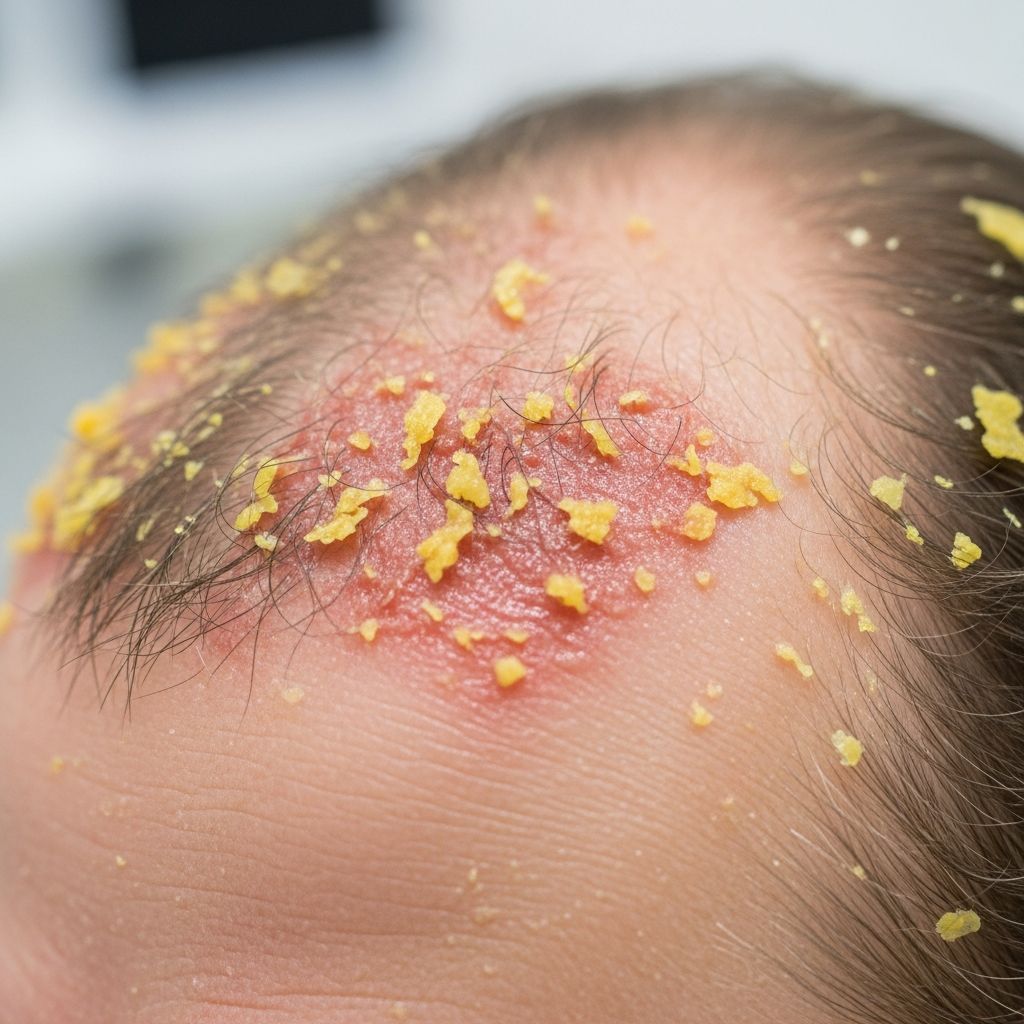
- In infants, a thick yellow crusted scalp rash known as cradle cap
- Diaper rash in babies
The severity and location of symptoms can fluctuate over time. Some individuals experience mild symptoms that barely noticeable, while others deal with more pronounced itching and visible flaking that impacts their daily life and self-confidence.
Common Affected Areas
While seborrheic dermatitis can develop anywhere on the body, certain areas are more commonly affected due to their higher concentration of sebaceous glands:
- Scalp: The most common location, often causing dandruff-like flaking
- Eyebrows and eyelids: Can cause redness and scaling
- Sides of the nose: Often affected by the condition
- Facial folds: Areas around the mouth and cheeks
- Ears and behind ears: Frequently involved areas
- Upper chest and back: Less common but possible locations
- Skin folds: Areas where skin overlaps or creases
What Causes Seborrheic Dermatitis?
The exact cause of seborrheic dermatitis isn’t completely understood, but dermatologists have identified several contributing factors. The primary culprits include a yeast called Malassezia that naturally lives on everyone’s skin and an excess release of oil from sebaceous glands. These two factors often work together to trigger the condition.
The excess oil produced by the skin serves as a food source for the yeast to proliferate. When yeast overgrows, it triggers an inflammatory response in susceptible individuals. This inflammation leads to the characteristic redness, swelling, scaling, and flaking associated with the condition. It’s important to note that while the yeast is present on everyone’s skin, only some people’s bodies react negatively to it, causing the symptomatic rash.
Related Stories



Several additional factors may increase your risk of developing seborrheic dermatitis or trigger flare-ups:
- Stress and emotional strain
- Cold, dry weather conditions
- Hormonal changes
- Certain health conditions and immunosuppression
- Poor hygiene or infrequent hair washing
- Use of harsh hair care products
- Certain medications
Diagnosis of Seborrheic Dermatitis
A dermatologist can typically diagnose seborrheic dermatitis by examining the affected skin and considering its location on the body. The characteristic appearance and distribution of the rash are usually sufficient for diagnosis. However, if you don’t improve with standard treatment, your healthcare provider may order a skin biopsy to rule out other conditions that might mimic seborrheic dermatitis.
Several other skin conditions can resemble seborrheic dermatitis, including psoriasis, contact dermatitis, atopic dermatitis, and fungal infections. It’s important to see a healthcare provider if you notice changes to your skin so they can make a clear and accurate diagnosis.
Treatment Options for Seborrheic Dermatitis
While there is no cure for seborrheic dermatitis, various treatment options can effectively manage symptoms and reduce flare-ups. The goal of treatment is to reduce flakes, itching, and inflammation. Treatment depends on where the condition appears on your body and how serious it is. You may need to keep using treatments to prevent flare-ups, as the condition is typically lifelong.
Medicated Shampoos
For seborrheic dermatitis affecting the scalp and beard areas, medicated shampoos are often the first line of treatment. Many cases are effectively treated by shampooing daily or every other day with antidandruff shampoos containing specific active ingredients. Common options include shampoos with 2.5 percent selenium sulfide, 1 to 2 percent pyrithione zinc, or ketoconazole. These shampoos work by reducing yeast growth and inflammation on the scalp.
Your provider will give you specific instructions on how often to use these shampoos and how to apply them properly. It’s important to discuss potential side effects and what to watch for while using medicated shampoos.
Topical Corticosteroids
For more extensive inflammation and scale, topical corticosteroids may be prescribed. These medications come in various forms including solutions, lotions, creams, and ointments. The choice of formulation depends on the treatment site and patient preference. For scalp treatment with extensive scale and inflammation, a common approach involves moistening the scalp and applying fluocinolone acetonide 0.01 percent in oil to the entire scalp, covering overnight with a shower cap, and shampooing in the morning. This treatment may be done nightly until inflammation clears, then decreased to one to three times weekly as needed.
Alternatively, topical corticosteroid solutions, lotions, or ointments may be used once or twice daily for one to three weeks and stopped when itching and redness disappear. Patients should be advised to use potent topical steroids sparingly because excessive use may lead to skin atrophy and telangiectasis (dilated blood vessels).
Antifungal Treatments
Since a yeast organism plays a role in seborrheic dermatitis, antifungal medications can be beneficial. Ketoconazole cream at 2 percent concentration may be applied once or twice daily to affected areas. Other antifungal options include ciclopirox, fluconazole, and selenium sulfide products. These medications help control yeast growth and reduce inflammation.
Facial and Body Treatments
When seborrheic dermatitis affects the face, involved areas may be washed frequently with effective medicated shampoos. Alternatively, ketoconazole cream at 2 percent may be applied once or twice daily to affected areas. Often, 1 percent hydrocortisone cream will be added once or twice daily to affected areas to aid with resolution of redness and itching. Sodium sulfacetamide 10 percent lotion is also an effective topical agent for seborrheic dermatitis on the face.
For seborrheic dermatitis of the trunk, frequent application of zinc or coal tar-containing shampoos or washing with zinc soaps can be effective. Additionally, topical ketoconazole cream at 2 percent and/or a topical corticosteroid cream, lotion, or solution applied once or twice daily will prove useful. Benzoyl peroxide washes are also helpful in controlling seborrhea of the trunk. Patients should rinse thoroughly after application as these agents can bleach clothing and bed linens.
Treatment for Cradle Cap in Infants
Cradle cap, which is seborrheic dermatitis in infants, usually goes away on its own within a few weeks or months. Self-care at home may help move things along. If desired, specially-made shampoos for this condition can be found at stores with “cradle cap” on the label. Parents can also ask their pediatrician or dermatologist to recommend a shampoo formulated to help with cradle cap.
Managing Flare-ups and Adjusting Treatment
Once you start treatment, symptoms usually improve quickly. However, seborrheic dermatitis typically comes and goes, with unpredictable flare-ups. If your symptoms get worse or you experience a flare-up, talk to your provider. They may need to change your dose, add another medicine, or try a different treatment approach.
You should also see a provider if you develop signs of infection, such as increased redness, warmth, swelling, or pus. Additionally, if over-the-counter treatments aren’t working after consistent use, it’s time to consult a healthcare professional for stronger treatment options.
Important Questions to Ask Your Provider
When discussing seborrheic dermatitis treatment with your healthcare provider, consider asking:
- What type of seborrheic dermatitis do I have, and where is it located?
- What treatment option is best for my specific situation?
- How often should I use my prescribed medication?
- What side effects should I watch for?
- When should I expect to see improvement?
- What can I do to prevent flare-ups?
- Are there lifestyle changes that might help?
- How long will I need to continue treatment?
Prognosis and Outlook
Seborrheic dermatitis is a lifelong condition that can come and go over time with flare-ups. The good news is that it isn’t dangerous and doesn’t harm your overall health. It’s manageable with proper treatment and care. While there’s no permanent cure, treatment can make your symptoms go away fairly quickly, allowing you to maintain clear, comfortable skin.
Once you find a treatment plan that works for your skin, you can prevent itching, scaling, and flaking from ruining your day. Many people successfully manage their condition with consistent use of appropriate treatments and by identifying and avoiding personal triggers.
When to See a Healthcare Provider
You should seek professional medical advice if:
- You notice new or changing skin symptoms
- Over-the-counter treatments aren’t working after consistent use
- Your symptoms suddenly worsen despite treatment
- You develop signs of skin infection
- The rash spreads to new areas
- You experience severe itching or pain
- Your condition is affecting your quality of life or emotional well-being
Frequently Asked Questions
Q: Is seborrheic dermatitis contagious?
A: No, seborrheic dermatitis is not contagious. While it involves a yeast that naturally lives on everyone’s skin, you cannot catch it from another person or transmit it to others.
Q: Can seborrheic dermatitis go away on its own?
A: In some cases, seborrheic dermatitis may improve without treatment, though this is not common. Most people require ongoing treatment to manage symptoms and prevent flare-ups.
Q: How long does it take for treatment to work?
A: Many people see improvement in symptoms relatively quickly after starting appropriate treatment, often within days to a few weeks. However, individual response times vary.
Q: Can I prevent seborrheic dermatitis flare-ups?
A: While you cannot prevent the condition entirely, you may reduce flare-ups by managing stress, maintaining good skin hygiene, using appropriate products, and continuing maintenance treatments as recommended by your provider.
Q: Are there any natural treatments for seborrheic dermatitis?
A: While some natural products may help, medicated treatments prescribed by healthcare providers are most effective. Always consult your dermatologist before trying alternative treatments to ensure they’re safe and appropriate for your specific condition.
Q: Can children and babies get seborrheic dermatitis?
A: Yes, seborrheic dermatitis can affect people of any age. In infants, it’s commonly known as cradle cap and typically appears as a thick, yellow, crusted scalp rash or diaper rash.
References
- Seborrheic Dermatitis: Symptoms, Causes & Treatment — Cleveland Clinic. 2024. https://my.clevelandclinic.org/health/diseases/14403-seborrheic-dermatitis
- Treatment of Seborrheic Dermatitis — American Academy of Family Physicians. 2000-05-01. https://www.aafp.org/pubs/afp/issues/2000/0501/p2703.html
- Seborrheic Dermatitis: Symptoms and Treatment — The Parker Clinic. 2024. https://www.theparkerclinic.com/medical-dermatology-procedures-cleveland/seborrheic-dermatitis/
- Cradle Cap Causes & Treatment — Cleveland Clinic. 2024. https://my.clevelandclinic.org/health/diseases/15786-cradle-cap-seborrheic-dermatitis-in-infants
- In Pictures: Guide to Seborrheic Dermatitis — WebMD. 2024. https://www.webmd.com/skin-problems-and-treatments/ss/slideshow-seborrheic-dermatitis-overview
- Itchy Scalp? 8 Common Causes and How To Find Relief — Cleveland Clinic Health. 2024. https://health.clevelandclinic.org/itchy-scalp-common-problems-and-fixes
- Salicylic Acid Shampoo: How to Use — Cleveland Clinic. 2024. https://my.clevelandclinic.org/health/drugs/18685-salicylic-acid-shampoo
Similar Articles








Read full bio of medha deb