Seborrheic Dermatitis Treatment: Expert Tips To Control Flares
Effective treatments for seborrheic dermatitis: From OTC shampoos to prescription options for scalp, face, and body relief.
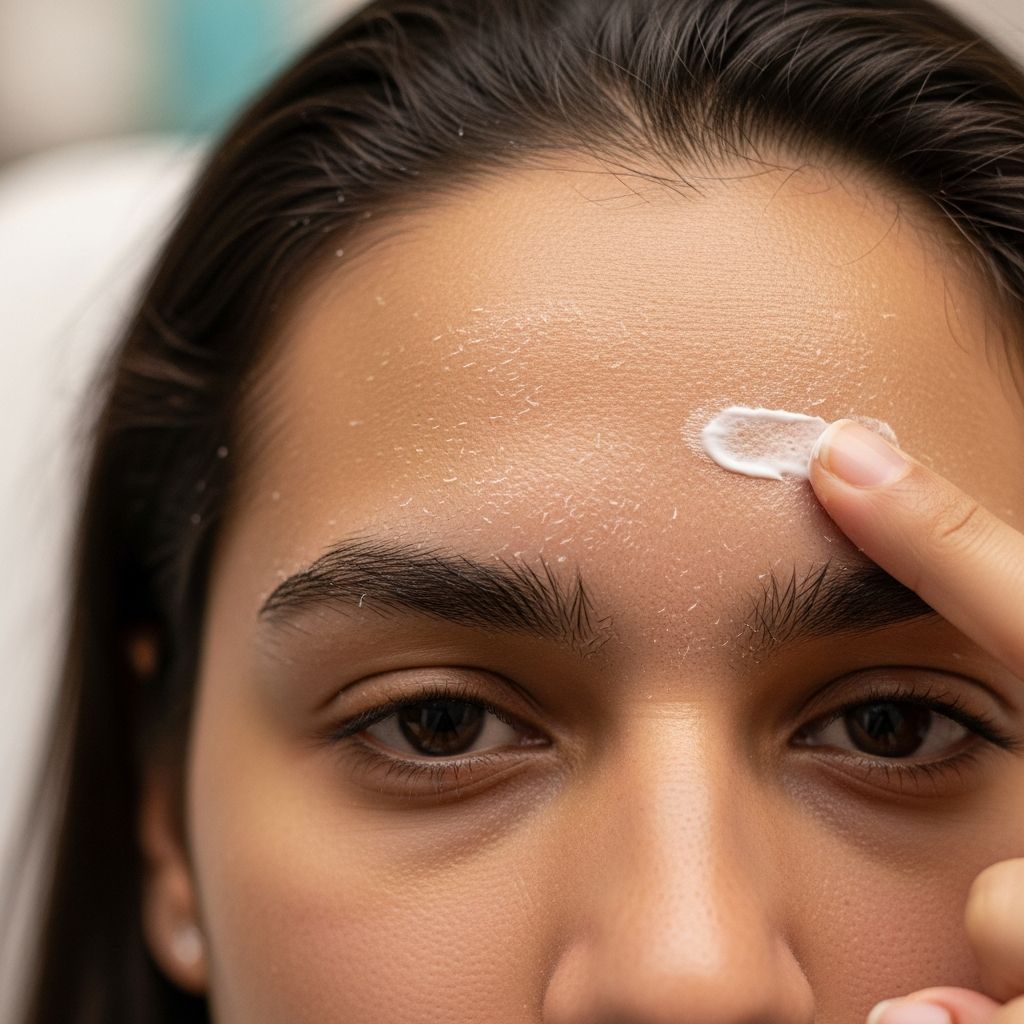
Seborrheic dermatitis is a common inflammatory skin condition causing flaky, itchy scales on oily areas like the scalp, face, and chest. While there’s no permanent cure, treatments effectively control symptoms by targeting yeast overgrowth, inflammation, and skin barrier issues.
What Is Seborrheic Dermatitis?
Seborrheic dermatitis affects areas rich in sebaceous glands, presenting as red, scaly patches with greasy scales. On the scalp, it mimics severe dandruff; on the face, it involves eyebrows, nose creases, and ears. Triggers include Malassezia yeast, stress, cold weather, and immune factors. Pruritus (itching) is common, especially on the scalp.
Symptoms of Seborrheic Dermatitis
- White or yellowish flaky scales on scalp, hairline, or beard
- Red, inflamed skin on face (nasolabial folds, eyebrows), ears, chest
- Persistent dandruff resistant to regular shampoos
- Itching, burning, or stinging sensations
- In severe cases, oozing or crusting
Causes and Risk Factors
The exact cause involves Malassezia yeast thriving on sebum, triggering inflammation. Risk factors include oily skin, stress, HIV, Parkinson’s disease, and winter months. Genetic predisposition and immune response play roles, with no single cure but manageable flares.
Treatment Goals
Treatments aim to clear rash and scales, ease itch and swelling, and prevent flare-ups. Initial aggressive therapy controls acute symptoms, transitioning to maintenance. Dermatologists tailor plans based on severity and location.
Over-the-Counter (OTC) Treatments
OTC options are first-line for mild cases, especially scalp involvement.
Medicated Shampoos
Dandruff shampoos treat mild to moderate scalp seborrheic dermatitis. Key ingredients:
- Ketoconazole 1-2%: Antifungal reducing yeast; use 2-3 times weekly
- Selenium sulfide: Reduces scaling and yeast
- Zinc pyrithione: Antibacterial and antifungal
- Salicylic acid or sulfur: Keratolytics to loosen scales
Apply to wet scalp, lather, leave 5-10 minutes, rinse. Rotate shampoos if efficacy wanes.
Face and Body Washes
Use gentle cleansers with zinc, sulfur, salicylic acid, or tar for face/chest.
Prescription Topical Treatments
For moderate to severe cases or non-scalp areas, prescription topicals target fungus and inflammation.
Antifungal Creams, Foams, Gels
Ketoconazole 2% cream/foam/gel: FDA-approved for ages 12+; apply foam twice daily or gel twice weekly. Reduces rash, itch, scales. Ciclopirox 1%: Effective alternative.
Corticosteroids
Quickly reduce inflammation; use short-term (1-2 weeks) to avoid side effects like thinning skin.
- Scalp: Mid-to-high potency solutions/foams (e.g., fluocinolone, clobetasol)
- Face/body: Low-potency like hydrocortisone 1% once/twice daily
Studies show improvement in 2 weeks; taper to prevent rebound.
Calcineurin Inhibitors
Non-steroidal options for face: Pimecrolimus 1% (Elidel) or tacrolimus 0.1% (Protopic). Applied twice daily; effective long-term with fewer side effects than steroids.
Other Topicals
Propylene glycol solution: Reduces scale, yeast, dryness; apply daily for 3 weeks.
Oral and Advanced Treatments
For widespread or resistant cases.
Oral Antifungals
Itraconazole or terbinafine short-term to induce remission, then switch to topicals. Take as directed.
Light Therapy
UVB phototherapy: 3 sessions/week for 8 weeks clears widespread rash.
Treatment by Location
| Location | First-Line Treatments | Application Tips |
|---|---|---|
| Scalp | Antifungal shampoos + steroid solution/foam | Lather 5-10 min, 2-3x/week; steroid 1-2 weeks |
| Face | Ketoconazole cream, pimecrolimus, low-potency steroid | Twice daily; avoid eyes |
| Chest/Body | Antifungal cream + mild steroid | Thin layer, short-term |
Related Stories



Maintenance Therapy
After clearing, use antifungal shampoo 1-2x/week indefinitely to prevent flares. Consistent skincare reduces relapse frequency.
Home Remedies and Lifestyle Tips
- Wash regularly with gentle, fragrance-free products
- Avoid irritants like alcohol-based products
- Manage stress; use moisturizers
- Shampoo more frequently in winter
When to See a Dermatologist
Seek care if OTC fails, widespread involvement, severe itching, or signs of infection.
Potential Side Effects
- Antifungals: Mild burning/stinging
- Steroids: Skin thinning, discoloration with prolonged use
- Calcineurin inhibitors: Warmth at site
Frequently Asked Questions (FAQs)
What is the best shampoo for seborrheic dermatitis?
Ketoconazole 2% or zinc pyrithione shampoos are most effective; use 2-3 times weekly.
Is seborrheic dermatitis contagious?
No, it’s not contagious; caused by yeast and inflammation.
How long does treatment take?
Acute control in 1-4 weeks; maintenance lifelong.
Can diet affect seborrheic dermatitis?
Limited evidence; anti-inflammatory diets may help indirectly.
Does seborrheic dermatitis go away?
No cure, but manageable with consistent treatment.
References
- Seborrheic dermatitis: Diagnosis and treatment — American Academy of Dermatology (AAD). 2023. https://www.aad.org/public/diseases/a-z/seborrheic-dermatitis-treatment
- Seborrheic Dermatitis — JAMA Dermatology. 2023-10-18. https://jamanetwork.com/journals/jamadermatology/fullarticle/2824561
- Adult Seborrheic Dermatitis: A Status Report on Practical Topical Therapies — PMC (NCBI). 2011. https://pmc.ncbi.nlm.nih.gov/articles/PMC3100109/
- Diagnosis and Treatment of Seborrheic Dermatitis — American Academy of Family Physicians (AAFP). 2015-02-01. https://www.aafp.org/pubs/afp/issues/2015/0201/p185.html
- Understanding seborrheic dermatitis and dandruff treatment — UCLA Health. 2023. https://www.uclahealth.org/news/article/understanding-seborrheic-dermatitis-and-dandruff-treatment
- Seborrheic Dermatitis: Symptoms, Causes & Treatment — Cleveland Clinic. 2023. https://my.clevelandclinic.org/health/diseases/14403-seborrheic-dermatitis
Similar Articles








Read full bio of Sneha Tete