Seborrheic Keratosis: Causes, Symptoms, And Treatments
Understanding seborrheic keratosis: causes, symptoms, diagnosis, and treatment options.
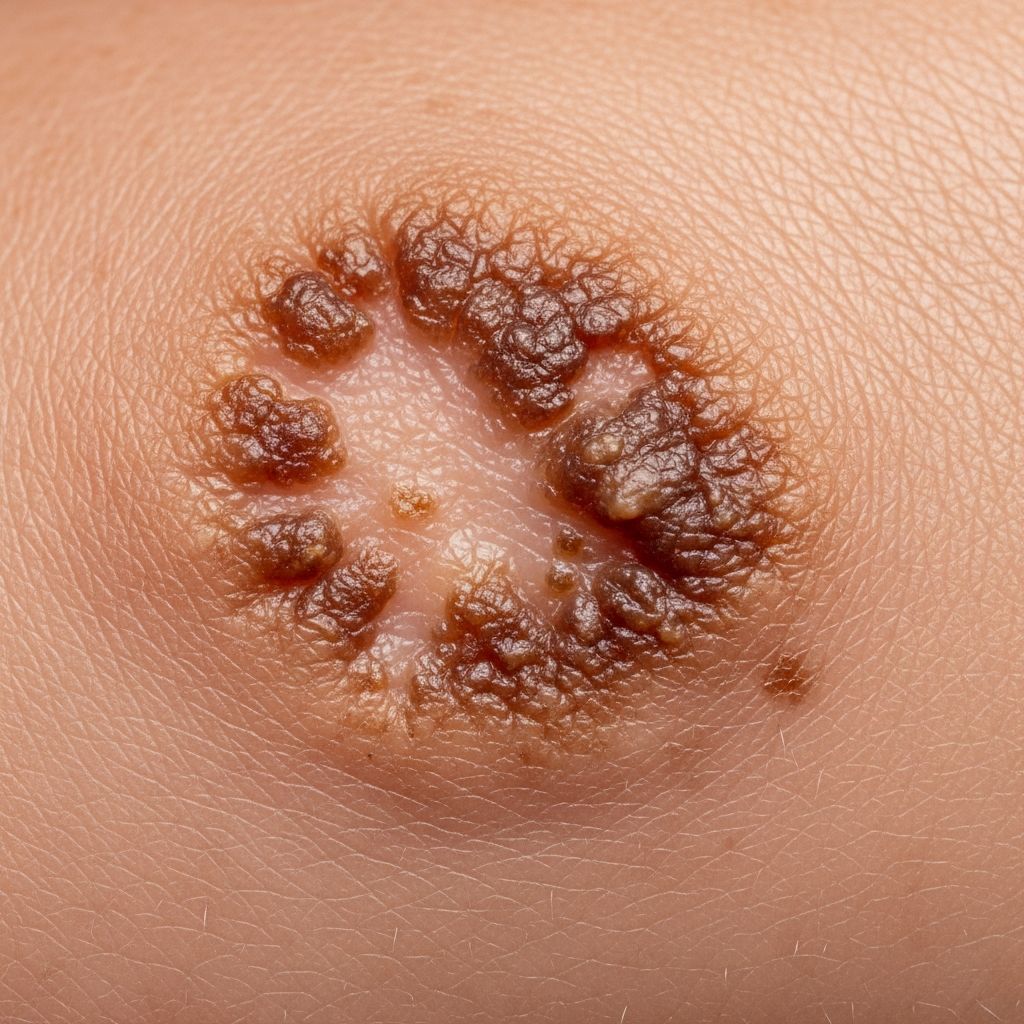
What is Seborrheic Keratosis?
Seborrheic keratosis is a common, benign (noncancerous) skin growth that typically appears as people age. These growths are harmless and not contagious, though they may become a cosmetic concern or source of discomfort for some individuals. The condition is characterized by waxy, scaly bumps that develop on the skin’s surface, varying in color from brown and black to light tan. Unlike malignant lesions, seborrheic keratosis does not pose a risk of transforming into skin cancer, making it purely a matter of personal preference whether treatment is pursued.
Seborrheic keratoses are among the most common benign skin tumors, particularly in middle-aged and older adults. They tend to increase in number with advancing age, which is why they are sometimes referred to as age spots or wisdom warts. The growths can appear virtually anywhere on the body, though they are most frequently found on the face, chest, shoulders, and back.
Causes and Risk Factors
Understanding the development of seborrheic keratosis involves examining several contributing factors that influence their formation.
Age and Genetic Predisposition
Age is the primary risk factor for developing seborrheic keratosis. The condition becomes significantly more common with advancing years, which is why most cases appear in individuals over 50 years old. Additionally, seborrheic keratosis demonstrates a strong familial component, suggesting that genetics play an important role in determining susceptibility. Individuals with a family history of seborrheic keratosis are more likely to develop these growths themselves, emphasizing the hereditary nature of the condition.
Sun Exposure
Research indicates that prolonged exposure to ultraviolet (UV) radiation may contribute to the development of seborrheic keratosis. While the exact mechanism is not fully understood, sun exposure appears to be one of several environmental factors that can influence the formation and growth of these lesions. This connection suggests that individuals who spend considerable time outdoors or have a history of significant sun exposure may be at increased risk.
Friction and Irritation
Mechanical friction and rubbing from clothing or skin-to-skin contact can predispose certain areas to the development of seborrheic keratosis, particularly in skin folds and areas subject to frequent movement or pressure. This explains why these growths are often found in areas where clothing typically creates friction, such as the waistband, bra line, or underarms.
Clinical Features and Symptoms
Most seborrheic keratosis lesions are asymptomatic and discovered incidentally during routine skin examinations or when the patient notices a new growth. However, certain presentations may warrant attention.
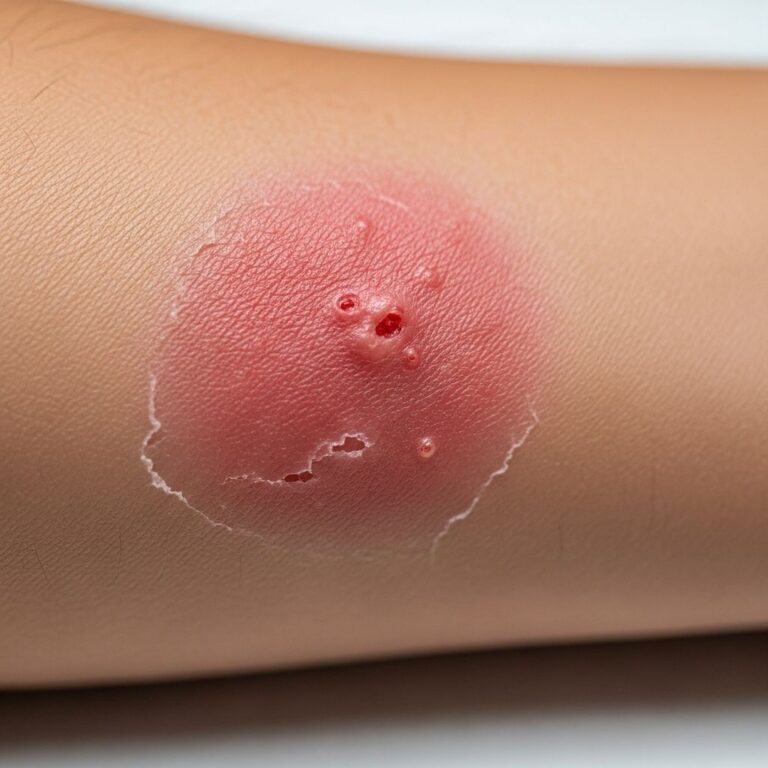
Appearance and Characteristics
Seborrheic keratosis typically presents with the following features:
- Waxy, scaly, or slightly elevated surface texture
- Brown, black, or light tan coloration
- Well-demarcated borders
- Ranges from a few millimeters to several centimeters in diameter
- May appear stuck to the skin surface
Symptoms
Seborrheic keratoses rarely manifest symptoms and generally remain asymptomatic throughout their course. However, when symptoms do occur, they typically include:
- Itching or pruritus, particularly during dry weather
- Mild pain or tenderness when irritated
- Bleeding when traumatized or rubbed by clothing
- Soreness from chronic friction or inflammation
Related Stories



The rough or scaly texture often becomes more noticeable during drier months when reduced humidity can exacerbate skin dryness and make the lesion more bothersome. Irritation typically occurs when seborrheic keratosis is located in areas subject to frequent friction from clothing or regular contact.
Diagnosis
Diagnosis of seborrheic keratosis is primarily clinical, based on the characteristic appearance and patient history. A dermatologist can accurately diagnose these lesions through visual examination.
Clinical Evaluation
During evaluation, a dermatologist will assess:
- The lesion’s size, shape, and color
- The presence of symptoms such as itching or bleeding
- The patient’s age and family history
- Any recent changes in the lesion’s appearance
- Location and potential for irritation from clothing
When Biopsy May Be Necessary
While most seborrheic keratoses do not require biopsy, professional evaluation is recommended if growths exhibit concerning features. Suspicious, bleeding, rapidly growing, or changing lesions carry a higher risk of malignancy and should be biopsied or removed. Dermatologists may recommend biopsy when clinical presentation is atypical or when malignancy cannot be ruled out with certainty. Additionally, the sign of Leser-Trelat—the sudden appearance of multiple seborrheic keratoses—may warrant investigation as it can suggest internal malignancy such as gastrointestinal or pulmonary carcinomas.
Treatment Options
Seborrheic keratosis is benign and typically does not warrant any treatment for medical reasons. However, removal may be pursued for cosmetic concerns or when lesions cause chronic irritation and discomfort. A dermatologist can recommend the most appropriate treatment based on individual circumstances.
Surgical Treatment Modalities
When removal is desired, several effective surgical methods are available:
Cryotherapy (Freezing)
Cryotherapy is the most common and readily available treatment for seborrheic keratosis. This method utilizes liquid nitrogen or CO2 to rapidly freeze and thaw targeted cells, resulting in cell death. The growth subsequently withers and falls off. Cryotherapy is efficacious and generally well tolerated by patients, though it works best on flat growths. No set guidelines currently exist for specific freezing or thawing times, as these can vary depending on lesion thickness.
Curettage and Desiccation
Curettage involves scraping the growth from the skin’s surface using a curette instrument. Before the procedure, the area is numbed with local anesthetic. The dermatologist may use a scalpel blade to shave or scrape away the lesion. Curettage and desiccation (C&D) provides efficient results with generally low complication rates, though possible adverse effects include infection, scarring, and hyperpigmentation. This method is particularly effective for thicker growths and can be combined with electrocautery to enhance results.
Electrocautery
This technique destroys the growth using an electric current to burn off the tissue and stop bleeding. Electrocautery is particularly useful for thicker lesions and can be used alone or in combination with curettage. The area is numbed before treatment, and the procedure typically leaves minimal scarring when performed correctly.
Laser Therapy
Ablative laser treatment represents another option for seborrheic keratosis removal, though specific protocols vary depending on laser type and lesion characteristics. Laser therapy offers precision and can be effective for multiple lesions, though it may require professional expertise and equipment availability.
Topical Treatment Options
Research has explored various topical agents for seborrheic keratosis treatment, with recent advances showing promise:
Hydrogen Peroxide Solution
The FDA recently approved a topical hydrogen peroxide solution for seborrheic keratosis treatment. A 2018 randomized, double-blinded placebo-controlled trial demonstrated that 40% hydrogen peroxide solution was well tolerated and effective in removing lesions. Adverse effects were generally mild and included erythema, scaling, and hyperpigmentation. This represents an attractive option for facial lesions where scarring is a concern.
Other Topical Agents
Researchers continue studying various topical approaches, including:
- Tazarotene and imiquimod cream for hyperkeratotic conditions
- Alpha-hydroxy acids and urea ointment
- Vitamin D analogs such as tacalcitol and calcipotriol
- Nitric-zinc solutions, which showed 74% clearance rates after three applications
While some studies show promising results, more research is necessary to fully establish the effectiveness of these topical medications. Over-the-counter topical treatments have shown limited promise and typically require time and persistence to work, with variable effectiveness rates.
Prevention and Management
There is no known way to prevent seborrheic keratosis definitively, as these growths tend to increase with age and may be largely hereditary. However, certain measures can help manage existing lesions and potentially reduce risk:
- Maintain good skincare practices including gentle cleansing routines and regular moisturizing
- Practice sun protection to minimize UV exposure, which may contribute to lesion development
- Schedule regular dermatologist visits for monitoring and early detection
- For individuals with family history, maintain vigilance through regular skin self-examinations
- Seek professional evaluation if changes occur in lesion size, color, or texture
When to Seek Medical Attention
While seborrheic keratosis is benign, professional consultation is recommended in specific situations:
- When lesions become irritated or bleed from repeated trauma
- If growths change in size, color, or texture
- When cosmetic concerns warrant removal
- If multiple lesions suddenly appear (sign of Leser-Trelat)
- To confirm diagnosis and rule out malignancy
- When considering treatment options
Frequently Asked Questions
Q: Is seborrheic keratosis cancerous?
A: No, seborrheic keratosis is benign and not associated with cancerous changes. It does not develop into skin cancer, though professional evaluation is recommended to confirm diagnosis.
Q: Will seborrheic keratosis go away on its own?
A: A seborrheic keratosis typically does not go away on its own. Treatment is not medically necessary, but lesions can be removed for cosmetic reasons or if they become irritated or bleed.
Q: Which treatment method is most effective?
A: Cryotherapy is the most common and readily available treatment with high efficacy rates. The best option depends on lesion characteristics, location, and individual preference. A dermatologist can recommend the most suitable approach.
Q: Can I treat seborrheic keratosis at home?
A: Professional treatment by a dermatologist is recommended for safe and effective removal. Over-the-counter topical treatments show limited effectiveness, though some show promise. Professional evaluation ensures proper diagnosis and treatment planning.
Q: How long does recovery take after treatment?
A: Recovery time varies by treatment method. Cryotherapy typically results in minimal downtime, while curettage or electrocautery may require a few days of healing. Topical treatments have little to no recovery time but require persistence over weeks.
Q: Are seborrheic keratoses contagious?
A: No, seborrheic keratoses are not contagious and cannot be spread to other individuals or other areas of the body through contact.
References
- Seborrheic Keratosis: Symptoms and Treatment — Dermatology of Southeastern Ohio. 2025. https://www.dermatologyofsoutheasternohio.com/conditions/seborrheic-keratosis
- Seborrheic Keratosis: Causes and Treatment — Riva Dermatology. 2025. https://www.rivaderm.com/conditions/seborrheic-keratosis
- Seborrheic Keratosis — StatPearls, National Center for Biotechnology Information. 2025. https://www.ncbi.nlm.nih.gov/books/NBK545285/
- Seborrheic Keratosis: What Is It, Causes, Risks & Treatment — Cleveland Clinic. 2025. https://my.clevelandclinic.org/health/diseases/21721-seborrheic-keratosis
- Seborrheic Keratosis: Symptoms & causes — Mayo Clinic. 2025. https://www.mayoclinic.org/diseases-conditions/seborrheic-keratosis/symptoms-causes/syc-20353878
- Seborrheic Keratosis: Diagnosis & treatment — Mayo Clinic. 2025. https://www.mayoclinic.org/diseases-conditions/seborrheic-keratosis/diagnosis-treatment/drc-20353882
Similar Articles








Read full bio of medha deb