Seborrhoeic Dermatitis: Causes, Symptoms, And Treatment Guide
Comprehensive guide to seborrhoeic dermatitis: causes, symptoms, diagnosis, and effective management strategies for scalp, face, and body.
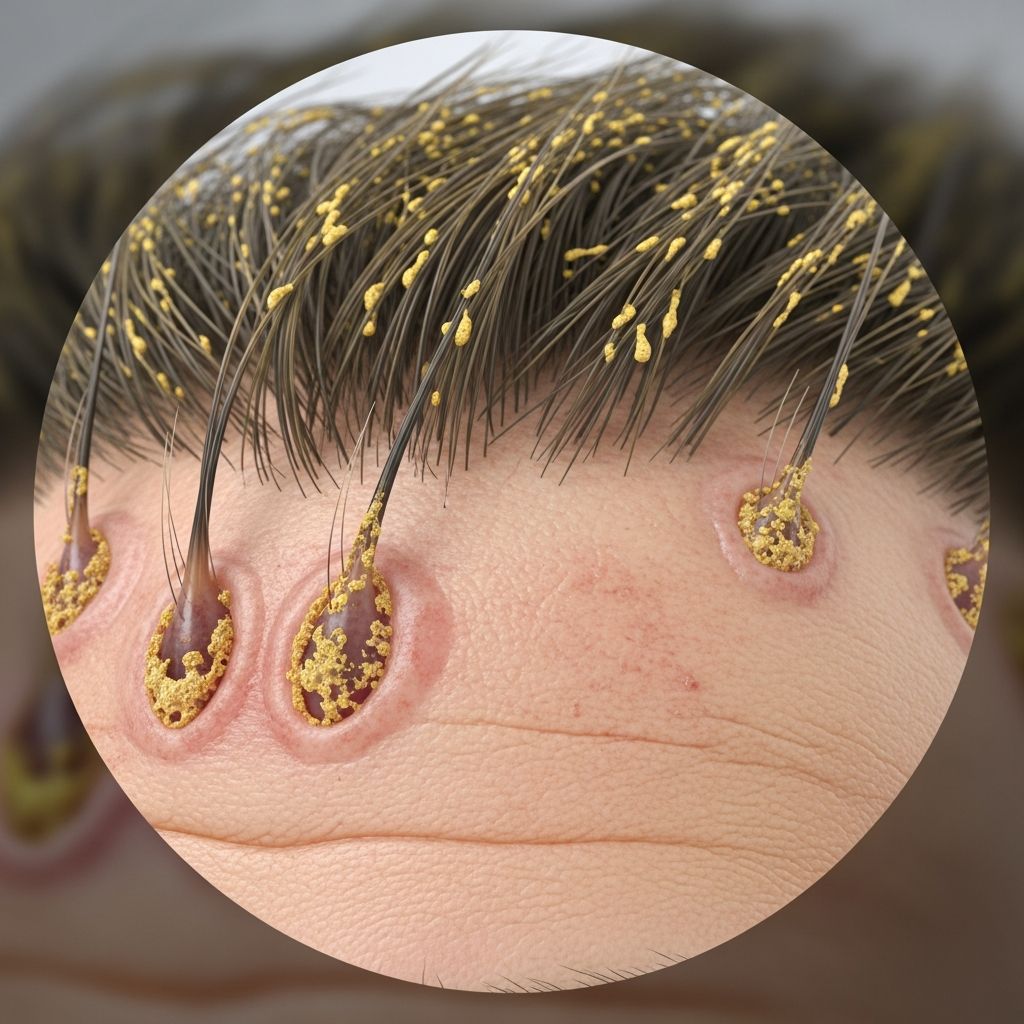
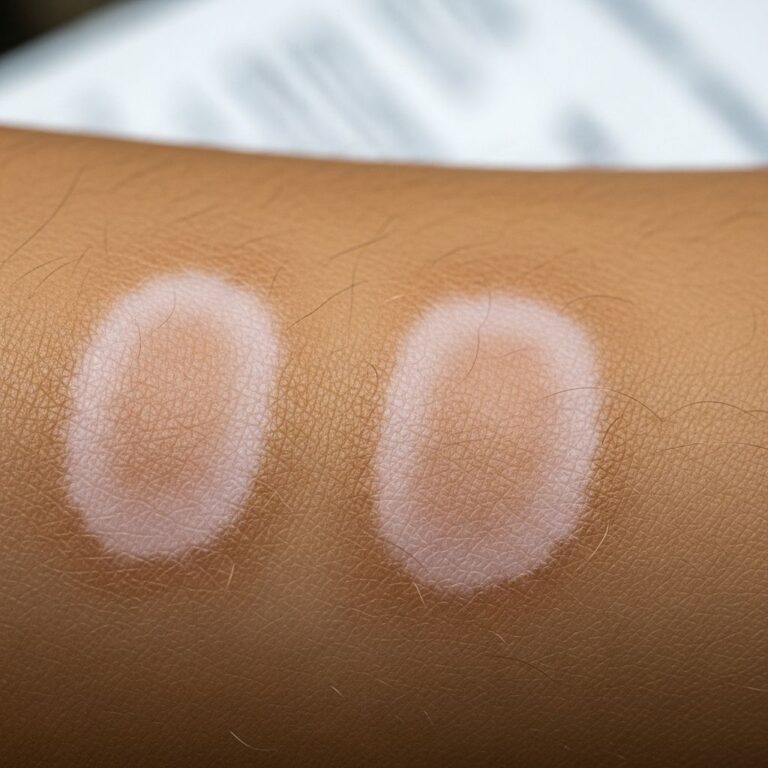
Seborrhoeic dermatitis, also known as seborrheic dermatitis, is a common, chronic inflammatory skin condition characterized by red, scaly, and itchy patches primarily in areas rich in sebaceous glands, such as the scalp, face, and upper trunk. It manifests as dandruff in mild cases or more severe erythematous plaques with greasy scales in advanced forms, affecting people of all ages but peaking in infancy and middle age. While not contagious or curable, it is highly manageable with targeted therapies that address yeast overgrowth and inflammation.
What is seborrhoeic dermatitis?
Seborrhoeic dermatitis involves an abnormal immune response to the yeast Malassezia, which is normally present on the skin but proliferates in sebum-rich areas, leading to inflammation, scaling, and erythema. It affects approximately 1-3% of the general population, with higher prevalence in immunocompromised individuals, such as those with HIV, and those with neurological conditions like Parkinson’s disease. The condition waxes and wanes, often flaring with stress, cold weather, or illness[10]. In newborns, it appears as cradle cap—a thick, yellow, crusted scalp lesion—typically resolving within months.
Who gets seborrhoeic dermatitis?
Seborrhoeic dermatitis affects individuals across demographics but is more common in males, adults aged 30-60, and infants under 3 months. Risk factors include:
- Genetic predisposition and family history of atopy or psoriasis.
- Immunosuppression from HIV, cancer treatments, or organ transplants.
- Neurological disorders such as Parkinson’s disease, stroke, or epilepsy.
- High-stress lifestyles or seasonal changes, particularly winter[10].
- Oily skin or excessive sebum production.
In adults, it often presents as persistent dandruff or facial scaling, while in infants, it is self-limiting in most cases.
What causes seborrhoeic dermatitis?
The exact etiology is multifactorial, centered on Malassezia yeast species (e.g., M. furfur, M. globosa) that metabolize sebum into irritating free fatty acids, triggering an inflammatory cascade. Additional contributors include:
- Sebaceous gland hyperactivity producing excess lipids.
- Immune dysregulation, with T-cell mediated responses amplifying inflammation.
- Environmental triggers like cold, dry air, which exacerbate barrier dysfunction[10].
- Microbiome imbalances favoring pathogenic yeasts.
Unlike bacterial infections, it is not contagious but recurs due to these interplaying factors.
What are the clinical features of seborrhoeic dermatitis?
Clinical presentation varies by site and severity:
- Scalp: Dandruff (fine white flakes) or thick, greasy yellow scales; mild itch.
- Face: Erythema and scaling on eyebrows, nasolabial folds, postauricular areas, beard; greasy crusts.
- Body: Petaloid patches on chest, back, axillae, groin; yellow-white scales on erythematous base.
- Infants: Cradle cap—yellow, adherent scales on scalp, sometimes extending to face.
Symptoms include pruritus, burning, and cosmetic concerns from flaking; severe cases may cause hair loss or secondary infections.
Diagnosis
Diagnosis is clinical, based on characteristic distribution in seborrhoeic areas, greasy scaling, and lack of systemic symptoms. Dermoscopy may reveal triangular scales or ‘wreath-like’ patterns. Differential diagnoses include:
| Condition | Key Distinguishing Features |
|---|---|
| Psoriasis | Well-defined plaques, nail changes, extensor involvement. |
| Atopic dermatitis | Flexural lichenification, intense itch, personal atopy history. |
| Tinea capitis | Hair loss, pustules, positive KOH microscopy. |
| Candidiasis | Mucosal/intertriginous satellite lesions. |
| Contact dermatitis | Irregular distribution matching irritant exposure. |
Biopsy is rarely needed but shows spongiosis, parakeratosis, and yeast in stratum corneum if performed.
Related Stories



Treatment of seborrhoeic dermatitis
Treatment targets yeast reduction, inflammation control, and scale removal, often combining topicals with maintenance therapy.
Scalp
Mild (dandruff): Antifungal/keratolytic shampoos (ketoconazole 2%, zinc pyrithione 1-2%, selenium sulfide, salicylic acid) used 2-3 times weekly; lather for 5-10 minutes.
Moderate-severe: Overnight oil (mineral/olive) to loosen scales, followed by medicated shampoo; topical corticosteroids (hydrocortisone 1%, betamethasone lotion) for flares.
Face and body
Antifungal creams (ketoconazole 2%, ciclopirox 1%) first-line; mild corticosteroids (hydrocortisone) or calcineurin inhibitors (pimecrolimus, tacrolimus) for inflammation. Roflumilast foam addresses discoloration in skin of color. Propylene glycol solution reduces yeast and scales.
Refractory cases
Oral antifungals (itraconazole, terbinafine) short-term, then topical maintenance; narrowband UVB phototherapy (3x/week for 8 weeks). Rotate agents to prevent resistance.
Infants (cradle cap)
Gentle emollients, low-potency steroids; avoid forceful scraping.
Self-care (Table 1)
| Do | Avoid |
|---|---|
| Wash regularly with gentle cleansers | Hot water, alcohol-based products |
| Moisturize damp skin | Styling gels, hairsprays |
| Shampoo beards/mustaches with ketoconazole | Scratching to prevent infection |
| Use sunscreen (non-comedogenic) | Heavy oils/estars C11-C24 |
Prevention and outlook
Chronic relapsing nature requires lifelong maintenance: weekly antifungal shampoos prevent flares. Triggers like stress management, humidifiers in winter aid control[10]. Prognosis is excellent with adherence; infants often outgrow it. Complications rare but include secondary bacterial infection or post-inflammatory hyperpigmentation.
Frequently Asked Questions
Is seborrhoeic dermatitis contagious?
No, it is not contagious; caused by individual factors like yeast overgrowth and immune response.
Can seborrhoeic dermatitis be cured?
It is chronic but manageable; symptoms remit with treatment, though flares recur. Infants often resolve spontaneously.
Does diet affect seborrhoeic dermatitis?
No strong evidence; some report flares with high-sugar diets feeding yeast, but focus on proven topicals.
How long do treatments take to work?
Shampoos/cream improve in 1-4 weeks; maintenance prevents relapse.
Is it related to poor hygiene?
No, it occurs despite hygiene; frequent washing helps control it.
References
- Seborrheic dermatitis: Diagnosis and treatment — American Academy of Dermatology (AAD). 2023. https://www.aad.org/public/diseases/a-z/seborrheic-dermatitis-treatment
- Seborrheic Dermatitis — U.S. Department of Veterans Affairs (VA.gov). 2023. https://www.va.gov/WHOLEHEALTHLIBRARY/tools/seborrheic-dermatitis.asp
- Diagnosis and Treatment of Seborrheic Dermatitis — American Academy of Family Physicians (AAFP). 2015-02-01. https://www.aafp.org/pubs/afp/issues/2015/0201/p185.html
- Seborrheic dermatitis – Diagnosis and treatment — Mayo Clinic. 2023. https://www.mayoclinic.org/diseases-conditions/seborrheic-dermatitis/diagnosis-treatment/drc-20352714
- Seborrheic Dermatitis — NCBI Bookshelf / StatPearls. 2023. https://www.ncbi.nlm.nih.gov/books/NBK551707/
- Seborrheic Dermatitis — Merck Manuals Professional Edition. 2023. https://www.merckmanuals.com/professional/dermatologic-disorders/dermatitis/seborrheic-dermatitis
Similar Articles








Read full bio of Sneha Tete