Seed Oils: Evidence-Based Benefits, Risks, And Cooking Tips
Separating fact from fiction on seed oils' health impact amid viral claims of toxicity and inflammation.
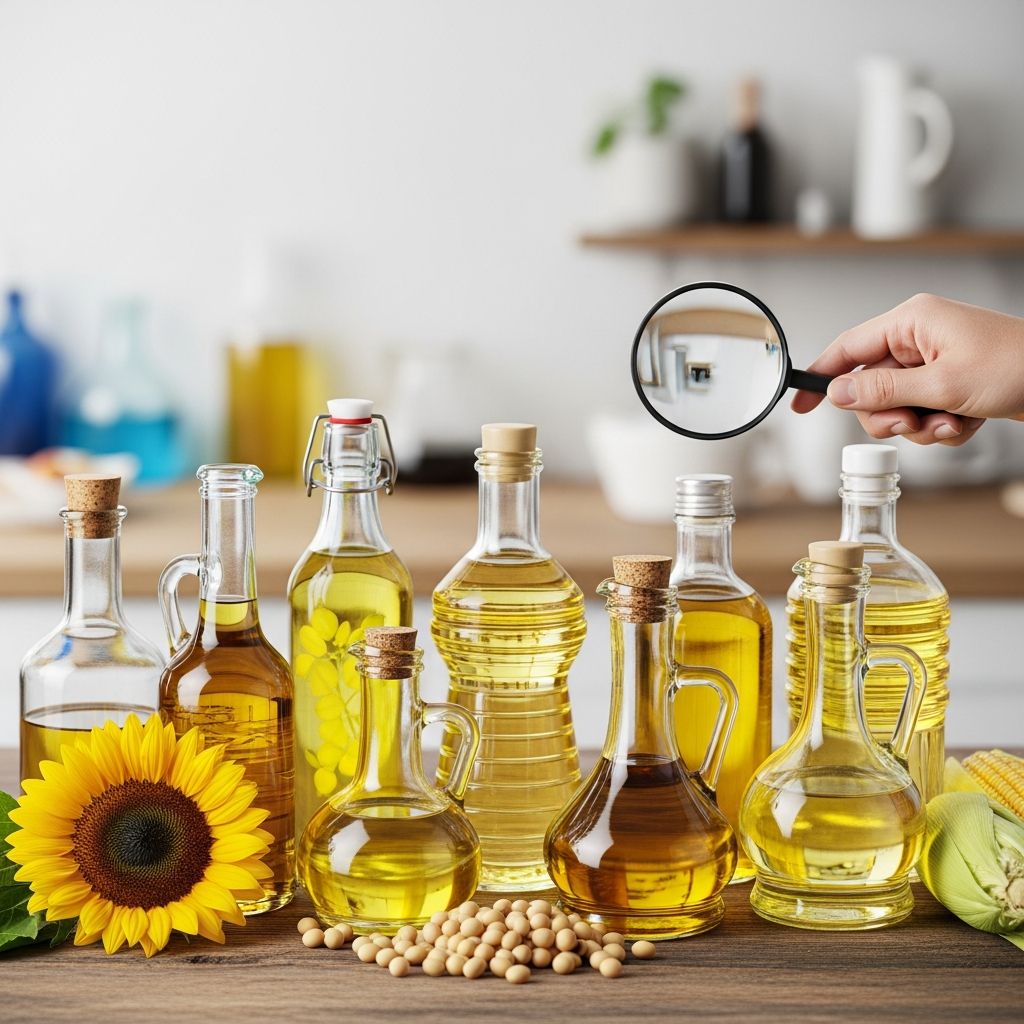
Seed oils—think canola, soybean, corn, and sunflower—have exploded in popularity over the last century, becoming kitchen staples and key ingredients in processed foods. Recently, they’ve faced fierce criticism on social media, with influencers labeling them as “toxic,” blaming them for everything from obesity epidemics to chronic inflammation. But is this backlash backed by science? Experts say no. Seed oils provide essential unsaturated fats that support heart health and overall nutrition when consumed as part of a balanced diet.
This article dives into the evidence, addressing common concerns like processing methods, omega-6 content, oxidation risks, and heart disease links. We’ll cover what seed oils are, their nutritional profile, and expert advice on safe use, drawing from decades of research.
What Are Seed Oils?
Seed oils are vegetable oils extracted from the seeds of plants, including canola (from rapeseed), soybean, corn, sunflower, safflower, grapeseed, cottonseed, sesame, and rice bran oils. They’re affordable, neutral in flavor, high in smoke points for cooking, and rich in unsaturated fats—primarily polyunsaturated fatty acids (PUFAs) like linoleic acid (omega-6) and some monounsaturated fats like oleic acid.
Unlike olive or avocado oils from fruit pulp, seed oils undergo industrial extraction, often using solvents like hexane for efficiency. However, these are food-grade processes where residues are removed to safe levels—far below harmful thresholds even at high consumption. Seed oils remain sources of vitamin E, an antioxidant vital for immune function, vision, and skin health.
- Common seed oils: Canola, corn, cottonseed, grapeseed, rice bran, safflower, sesame, soybean, sunflower.
- Key nutrients: High in PUFAs (omega-6), some omega-3s (e.g., alpha-linolenic acid in soybean and canola), vitamin E.
These oils replaced saturated fats like lard and butter in the 20th century, aligning with dietary guidelines promoting unsaturated fats for better cholesterol profiles.
Seed Oils Nutrition Facts
The nutritional value of seed oils lies in their fat composition. Most are over 80% unsaturated fats, with varying ratios of omega-6 to omega-3 and monounsaturated fats. Replacing saturated fats with these unsaturated ones is linked to lower all-cause mortality, including reduced heart disease risk.
| Oil Type | Saturated Fat (%) | Monounsaturated (%) | Polyunsaturated (%) | Omega-6:Omega-3 Ratio |
|---|---|---|---|---|
| Soybean | 15 | 23 | 58 (51 omega-6, 7 omega-3) | 7:1 |
| Canola | 7 | 63 | 28 (19 omega-6, 9 omega-3) | 2:1 |
| Sunflower | 10 | 20 | 65 (65 omega-6) | High omega-6 |
| Corn | 13 | 28 | 55 (54 omega-6) | High omega-6 |
Soybean oil stands out with balanced PUFAs, including alpha-linolenic acid (ALA), an omega-3 that may combat inflammation linked to heart disease, cancer, and diabetes. Linoleic acid (LA), the primary omega-6 in seed oils, supports energy provision and cell function.
Are Seed Oils Inflammatory?
A major claim against seed oils is their high omega-6 content promotes inflammation via an imbalanced omega-6:omega-3 ratio. Critics argue modern diets skew toward omega-6 (from seed oils), fueling chronic diseases. However, leading health organizations like the American Heart Association conclude omega-6s do not increase inflammation or oxidative stress. Evidence shows high-LA diets may reduce inflammation markers or leave them unchanged.
Omega-6s like LA are essential—they lower cholesterol and blood sugar as part of low-saturated-fat diets. Biochemical hints exist for pro-inflammatory pathways, but clinical trials and observational studies show no harm. “We have consistent evidence that higher unsaturated fat intake from seed oils links to lower cardiovascular and type 2 diabetes risk,” notes research from peer-reviewed analyses.
Related Stories



- Myth busted: No evidence seed oils cause inflammation; they may reduce it.
- Expert view: Focus on overall diet balance, not demonizing omega-6s.
Are Seed Oils Linked to Chronic Diseases?
Seed oil consumption has risen alongside obesity and chronic diseases, prompting correlation-based claims of causation. Yet, experts like Christopher Gardner, PhD, from Stanford, emphasize this ignores confounders like ultra-processed foods and sedentary lifestyles. Large cohort studies (tens of thousands over decades) associate unsaturated fats with lower death rates, not higher disease risk.
Seed oils lower LDL cholesterol when replacing saturated fats. Soybean oil specifically reduces circulating cholesterol and coronary heart disease risk due to its unsaturated profile. No clinical trials show harm from seed oils; long-term data reveals benefits for metabolic health.
Johns Hopkins experts affirm seed oils provide essential fatty acids supporting cardiovascular and metabolic health in moderation.
Do Seed Oils Cause Heart Disease?
Far from causing heart disease, seed oils protect against it. The American Heart Association recommends prioritizing polyunsaturated and monounsaturated fats over saturated ones. Meta-analyses confirm replacing saturated fats with seed oils lowers cardiovascular risk substantially.
“Evidence suggests diets high in omega-6 linoleic acid help lower cholesterol, blood sugar, and heart disease risk,” per clinical research. A 2025 study reinforces unsaturated fats’ role in longevity.
Are Seed Oils Toxic From Processing?
Processing fears center on hexane extraction and high-heat refining, allegedly creating harmful compounds. In reality, hexane is removed to trace levels—100 times average intake needed for minimal risk. Refined seed oils retain vitamin E and stability.
While unrefined oils preserve more nutrients, refined ones suit high-heat cooking without oxidizing easily. No evidence of toxicity from standard processing; they’re deemed safe by regulators.
Do Seed Oils Oxidize and Become Harmful?
Oxidation occurs when oils react with oxygen, heat, or light, potentially forming harmful aldehydes. Seed oils’ PUFAs are prone to this, but proper storage (cool, dark) and cooking below smoke points mitigate risks. High-oleic versions (e.g., sunflower) resist oxidation better.
Studies show no increased harm from oxidized seed oils in typical use. Animal studies use extreme conditions irrelevant to humans. Choose fresh oils and avoid reusing frying oil.
Best Ways to Use Seed Oils
- Cooking: Canola or avocado for high-heat; avoid overheating.
- Balance: Pair with omega-3 sources like fish, walnuts, flaxseeds.
- Moderation: Limit processed foods; prioritize whole foods.
- Alternatives: Olive oil for dressings; seed oils for frying.
Use vegetable oils over animal fats for cholesterol benefits. If seed oils boost vegetable intake, net health gain.
Seed Oils vs. Other Oils
| Oil | Best For | Health Notes |
|---|---|---|
| Seed Oils (e.g., Canola) | Frying, baking | Heart-healthy unsaturated fats; affordable. |
| Olive Oil | Salads, low-heat | High monounsaturated; antioxidants. |
| Coconut Oil | Baking | High saturated; use sparingly. |
| Butter | Flavoring | Saturated fat; limit for heart health. |
Frequently Asked Questions (FAQs)
Are seed oils bad for you?
No, scientific evidence shows seed oils are safe and beneficial for heart health when replacing saturated fats. Claims of toxicity lack support.
Do seed oils cause inflammation?
No, omega-6 in seed oils does not promote inflammation; studies show neutral or anti-inflammatory effects.
Can you fry with seed oils?
Yes, many have high smoke points suitable for frying if fresh and not overheated.
Should I avoid seed oils entirely?
Not necessary; focus on whole foods, moderation, and dietary variety over elimination.
Are seed oils natural?
They’re plant-derived but industrially processed for purity and shelf life—safe per regulations.
References
- You Should Continue Adding Seed Oils Into Your Diet. Here’s Why. — U.S. Soybean Export Council (USSEC). 2025-08. https://ussec.org/wp-content/uploads/2025/08/Seed-Oils-Fact-Sheet-2025.pdf
- Five things to know about seed oils and your health. — Stanford Medicine. 2025-03. https://med.stanford.edu/news/insights/2025/03/5-things-to-know-about-the-effects-of-seed-oils-on-health.html
- Seed Oils: Frying Up Controversy. — American Chemical Society (ACS). 2025. https://www.acs.org/education/chemmatters/articles/seed-oils-frying-up-controversy.html
- The Evidence Behind Seed Oils’ Health Effects. — Johns Hopkins Bloomberg School of Public Health. 2025. https://publichealth.jhu.edu/2025/the-evidence-behind-seed-oils-health-effects
Similar Articles








Read full bio of Sneha Tete