Seeding Doubt: The Truth About Cooking Oils
Separating fact from fiction about seed oils, saturated fats, and heart health.
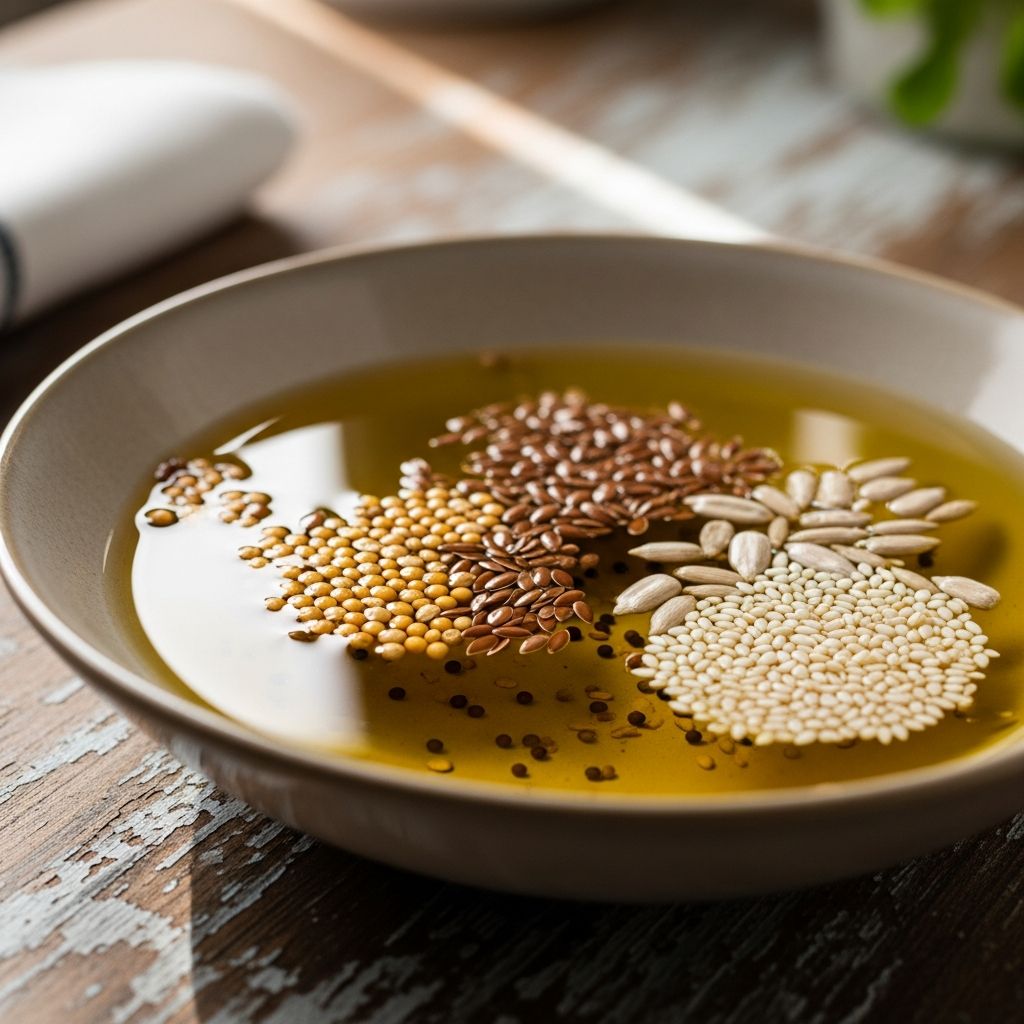
The kitchen pantry has become a battleground of competing health claims. Walk down the cooking oil aisle and you’ll encounter countless assertions: seed oils cause inflammation, butter is dangerous, olive oil is superior, and coconut oil is a superfood. But what does the science actually say? With misinformation spreading rapidly through social media and popular culture, it’s crucial to distinguish between evidence-based nutrition advice and marketing hype. This comprehensive guide examines the scientific evidence surrounding cooking oils and helps you make informed decisions for your heart health and overall wellness.
Understanding the Basics of Cooking Oils
Cooking oils are composed of different types of fats, each with distinct chemical structures and health implications. The three primary categories are saturated fats, monounsaturated fats, and polyunsaturated fats. Saturated fats have no double bonds between carbon atoms, making them solid at room temperature. Monounsaturated fats contain one double bond and are typically liquid at room temperature. Polyunsaturated fats contain multiple double bonds and are generally the most fluid. These structural differences directly influence how oils behave during cooking and how your body processes them.
Seed oils—including canola, soybean, sunflower, and safflower oils—are predominantly polyunsaturated fats derived from plant sources. Traditional cooking fats like butter, lard, and coconut oil contain higher proportions of saturated fats. The debate surrounding these oils often centers on their health effects, processing methods, and stability at high temperatures. Understanding these distinctions helps clarify why certain oils are recommended for specific cooking applications.
The Science Behind Saturated Fats and Heart Health
For decades, saturated fat has been cast as the dietary villain, linked to elevated cholesterol levels and increased heart disease risk. This association stems from well-established biochemistry: saturated fats tend to raise LDL cholesterol (the “bad” cholesterol) more readily than unsaturated fats. Numerous large-scale epidemiological studies have consistently found that higher saturated fat intake correlates with increased cardiovascular disease mortality.
A landmark Harvard study analyzing 33 years of dietary data from over 220,000 American adults found compelling evidence for this relationship. The research demonstrated that replacing just 10 grams (approximately one tablespoon) of butter daily with plant-based oils reduced the risk of premature death from all causes by 17 percent. Even more striking, those with the highest plant-based oil intake showed a 16 percent lower risk of premature death, with an 11 percent reduction in cancer mortality and a 6 percent reduction in cardiovascular disease mortality.
The mechanisms underlying these associations are multifaceted. Saturated fats trigger inflammation in adipose (fat) tissue, initiating pathogenic pathways that contribute to various cancers. Additionally, dietary saturated fats alter hormonal activity, influencing hormone-sensitive cancers such as breast and prostate cancer. When saturated fat intake displaces unsaturated fats or creates imbalanced fat ratios, it promotes the synthesis of less healthy cholesterol profiles, leading to atherosclerosis—the thickening and hardening of arteries due to fat and cholesterol accumulation.
Seed Oils and Unsaturated Fats: The Evidence
Seed oils derive their health benefits primarily from their unsaturated fat content. Canola oil, for instance, contains alpha-linolenic acid (ALA), a plant-based omega-3 fatty acid associated with cardiovascular protection. Soybean and sunflower oils provide essential polyunsaturated fatty acids that your body cannot synthesize independently. These oils also contain phytosterols—plant compounds that actively reduce cholesterol absorption in the intestines.
The Harvard research supports the cardiovascular benefits of seed oils, particularly canola, soybean, and olive oil. The study found statistically significant associations between higher intakes of these oils and lower total mortality rates. This aligns with current recommendations from the American Heart Association (AHA), which suggests that plant-based oils high in unsaturated fats—especially olive, soy, and canola oil—should replace animal fats like butter as part of a heart-healthy diet.
Related Stories



The AHA recommends limiting saturated fat intake to less than 6 percent of daily calories, a threshold supported by draft proposals for upcoming national dietary guidelines in the United States. These guidelines emphasize a shift toward a plant-rich diet incorporating vegetables, fruits, legumes, whole grains, nuts, fish, seafood, low- and non-fat dairy, and unsaturated fats.
Addressing Common Concerns About Seed Oil Processing
A persistent concern surrounds the chemical processing of seed oils. Critics claim that refinement processes involving bleaching, deodorizing, and occasionally hexane extraction contaminate oils with harmful residues. While refined seed oils do contain trace amounts of hexane—a solvent used in extraction—regulatory agencies including the FDA maintain that residue levels remain well within established safety limits. Research published in peer-reviewed journals confirms that these trace amounts fall below thresholds associated with health risks for typical consumers.
It’s important to recognize that not all processing is inherently harmful. Refinement actually removes unwanted compounds and extends shelf life, making oils more stable and practical for home cooking. The regulatory framework governing seed oil production has been rigorously tested and updated over decades to ensure consumer safety. For those prioritizing minimal processing, cold-pressed and expeller-pressed seed oil options are available, though they typically command higher prices and have shorter shelf lives.
Polyunsaturated Fats and Inflammation: Separating Myth from Reality
Social media influencers and alternative health advocates frequently claim that omega-6 polyunsaturated fatty acids in seed oils promote chronic inflammation, driving cardiovascular disease and cancer. This narrative, while intuitively appealing, oversimplifies a complex biochemical reality. While excessive omega-6 intake relative to omega-3 intake may theoretically promote inflammatory conditions, the evidence for this mechanism in typical Western diets remains contested among nutrition scientists.
The key factor is the omega-6 to omega-3 ratio. While seed oils do contain linoleic acid (an omega-6 polyunsaturated fat), they also provide beneficial compounds that offset potential pro-inflammatory effects. For instance, canola oil includes ALA, a plant-based omega-3 that helps balance this ratio. Additionally, large-scale epidemiological studies—which represent stronger evidence than mechanistic cell biology studies—consistently fail to demonstrate that seed oil consumption increases inflammatory markers or accelerates chronic disease in real-world populations.
Research from multiple institutions, including Harvard’s School of Public Health, has found that higher plant-based oil intake actually correlates with lower disease mortality, contradicting the inflammation hypothesis. This suggests that any theoretical pro-inflammatory potential is overwhelmed by other protective factors present in these oils and the broader dietary patterns of those consuming them.
Smoke Points and Cooking Safety
Understanding smoke points—the temperature at which an oil breaks down and begins smoking—is essential for safe, healthy cooking. Different oils have different smoke points, making them suitable for different culinary applications:
| Oil Type | Approximate Smoke Point | Best Uses |
|---|---|---|
| Extra Virgin Olive Oil | 160-210°C (320-410°F) | Dressings, drizzling, low-heat cooking |
| Canola Oil | 200-240°C (390-465°F) | Sautéing, baking, moderate-heat frying |
| Soybean Oil | 204-245°C (400-475°F) | General cooking, frying, baking |
| Sunflower Oil | 225-250°C (440-480°F) | High-heat cooking, deep frying |
| Butter | 177-190°C (350-375°F) | Medium-heat cooking, baking |
| Coconut Oil | 177°C (350°F) | Medium-heat cooking, baking |
When oils exceed their smoke points, they break down into compounds including acrolein, which produces the characteristic acrid smoke. Cooking well below an oil’s smoke point maximizes nutritional quality and minimizes the formation of potentially harmful compounds. Most home cooking—sautéing vegetables, baking, or making dressings—occurs at temperatures well below these maximum thresholds, making seed oils suitable for typical kitchen applications.
The Restaurant and Processed Food Context
While seed oils perform well in home cooking, concerns about deep frying in restaurants merit consideration. Professional deep fryers operate at high temperatures (typically 175-190°C/350-375°F) for extended periods, sometimes reusing oil multiple times. This process generates harmful compounds including aldehydes, trans fats, and acrolein at concentrations that exceed those produced in typical home cooking. However, the health risks from fast food consumption stem from multiple factors: excessive sodium, refined carbohydrates, processed ingredients, and portion sizes—not solely from the oils themselves.
Seed oils pervade processed foods including chips, dressings, baked goods, and prepared meals, making it challenging for consumers to limit intake even when making seemingly conscious dietary choices. This widespread use reflects the oils’ abundance, relatively low cost, and neutral flavor profile—practical attributes rather than indications of superior health benefits. Individuals concerned about reducing seed oil consumption should focus on preparing foods at home, where oil use and quality can be controlled directly.
Choosing the Right Oil for Your Kitchen
Evidence-based guidance suggests different oils for different purposes:
For salad dressings and cold applications: Extra virgin olive oil offers excellent nutritional density, polyphenol content, and flavor. Cold-pressed seed oils like canola or walnut oil provide beneficial unsaturated fats without heating-related degradation.
For sautéing and moderate-heat cooking: Canola oil, olive oil, and soybean oil all perform well. These oils maintain their nutritional integrity at typical sautéing temperatures (150-180°C/300-350°F).
For higher-heat cooking and baking: Refined canola oil, sunflower oil, or high-oleic safflower oil provide stable performance and neutral flavor. These oils resist oxidation better than extra virgin oils at elevated temperatures.
For occasional butter applications: Butter adds incomparable flavor to certain dishes and remains acceptable in moderation. Its higher saturated fat content makes it less ideal as a primary cooking medium, but its use in finishing dishes or moderate baking applications aligns with evidence-based dietary guidelines.
Not All Vegetable Oils Are Equal
A critical caveat: the term “vegetable oils” encompasses diverse products with different nutritional profiles. Coconut oil, palm oil, and palm kernel oil—while plant-derived—contain predominantly saturated fats and lack the cardiovascular benefits of unsaturated seed oils. Marketing has sometimes created confusion by grouping all plant-based oils together as inherently healthy. Distinguished nutrition researchers emphasize that monounsaturated oils (like olive oil) offer greater benefits than polyunsaturated oils, and that tropical oils with saturated fat profiles should be considered separately from unsaturated seed oils.
Frequently Asked Questions
Q: Are seed oils inflammatory?
A: Large-scale epidemiological studies consistently show that seed oil consumption correlates with lower disease mortality, not higher. While theoretical mechanisms suggest omega-6 fatty acids might promote inflammation under certain conditions, real-world evidence contradicts this concern. Seed oils contain multiple protective compounds including phytosterols and antioxidants that provide health benefits exceeding any theoretical pro-inflammatory effects.
Q: Should I completely eliminate seed oils from my diet?
A: No. Evidence supports moderate seed oil consumption as part of a balanced diet. The Harvard research demonstrates that higher plant-based oil intake associates with reduced mortality. Eliminating seed oils entirely while consuming more butter or other saturated fats would contradict evidence-based nutritional guidance.
Q: Is butter healthier than seed oils?
A: No. The Harvard study found that replacing butter with plant-based oils reduced premature death risk by 17 percent. Higher butter consumption associated with increased mortality from all causes and cancer. While butter can be used occasionally for flavor, evidence supports seed oils as the primary cooking fat for heart health.
Q: What about olive oil versus other seed oils?
A: Olive oil offers unique benefits including polyphenols and antioxidants, making it an excellent choice for dressings and low-heat cooking. However, other seed oils like canola and soybean provide similar cardiovascular benefits through their unsaturated fat content. The choice between them depends on cooking application, flavor preference, and cost considerations.
Q: Are there health risks from seed oil processing?
A: Refined seed oils contain only trace amounts of processing residues well within regulatory safety limits established by agencies like the FDA. The refinement process actually improves stability and extends shelf life. For those prioritizing minimal processing, cold-pressed options are available, though at higher cost and shorter shelf lives.
The Bottom Line
The science surrounding cooking oils has generated considerable public confusion, partly due to aggressive marketing and social media misinformation. The evidence from rigorous epidemiological studies, particularly the comprehensive Harvard research analyzing three decades of dietary data from over 220,000 participants, provides clear guidance: replacing saturated fats like butter with plant-based oils reduces the risk of premature death from multiple causes including cancer and cardiovascular disease.
Seed oils—canola, soybean, sunflower, and safflower—offer documented cardiovascular benefits through their unsaturated fat content and bioactive compounds. Their widespread use in food production reflects practical advantages rather than evidence of harm. When used appropriately (below smoke points in home cooking), these oils support heart health as part of a balanced diet emphasizing vegetables, fruits, whole grains, legumes, nuts, fish, and seafood.
The sensationalized claims about seed oil dangers contradict decades of peer-reviewed research and current dietary recommendations from major health organizations including the American Heart Association. While individuals may choose to prioritize other oils for taste or perceived lifestyle alignment, doing so based on health concerns lacks scientific support. The evidence supports moderate seed oil consumption as part of a heart-healthy eating pattern.
References
- Replacing Less Than a Tablespoon of Butter Daily With Plant-Based Oils Could Help Prevent Premature Deaths — American Heart Association. March 6, 2024. https://www.heart.org/en/news/replacing-less-than-a-tablespoon-of-butter-daily-with-plant-based-oils-could-help-prevent-premature-deaths
- Swapping Butter for Plant-Based Oils Associated With Lower Mortality Risk — Harvard T.H. Chan School of Public Health. March 2024. https://www.hsph.harvard.edu/news/hsph-in-the-news/swapping-butter-for-plant-based-oils-associated-with-lower-mortality-risk/
- Plant-Based Oils Associated With Lower Mortality — JAMA Internal Medicine. March 2024. https://jamanetwork.com/journals/jamainternalmedicine
- Dietary Fats and Cardiovascular Health — American Heart Association. 2024. https://www.heart.org/en/healthy-living/healthy-eating/eat-smart/fat/dietary-fats
- Understanding Food Labels and Health Claims — U.S. Food and Drug Administration. 2024. https://www.fda.gov/food/labeling-nutrition/health-claims-and-structure-function-claims
Similar Articles








Read full bio of Sneha Tete