Seizure: Causes, Symptoms, Types & Treatment
Understanding seizures: causes, symptoms, diagnosis, and treatment options for better management.
What Is a Seizure?
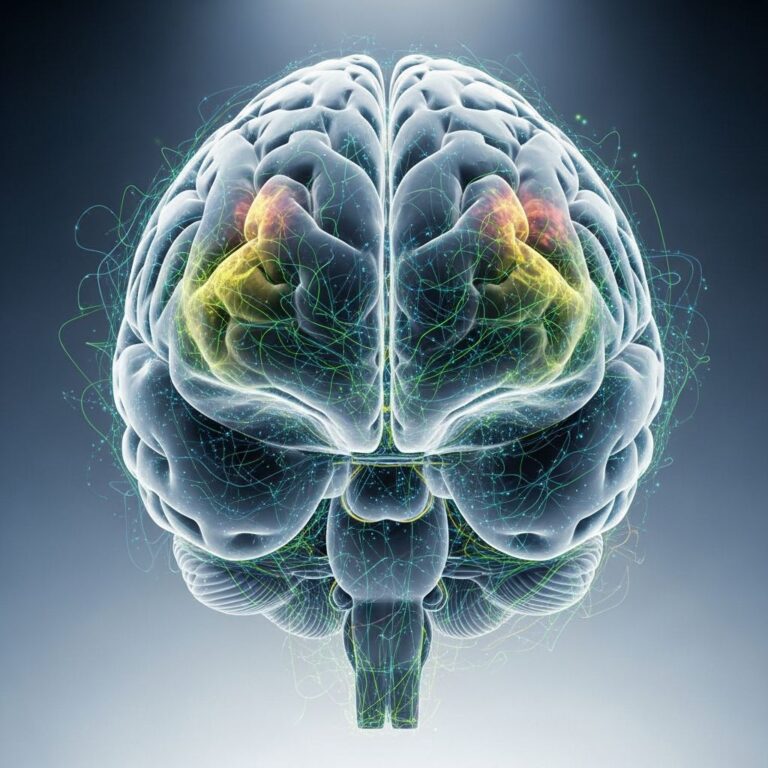
A seizure is a sudden, uncontrolled electrical disturbance in the brain. This abnormal activity can cause changes in awareness, muscle control, behavior, and sensations. Seizures can be brief or prolonged, and their effects vary widely depending on the type and severity.
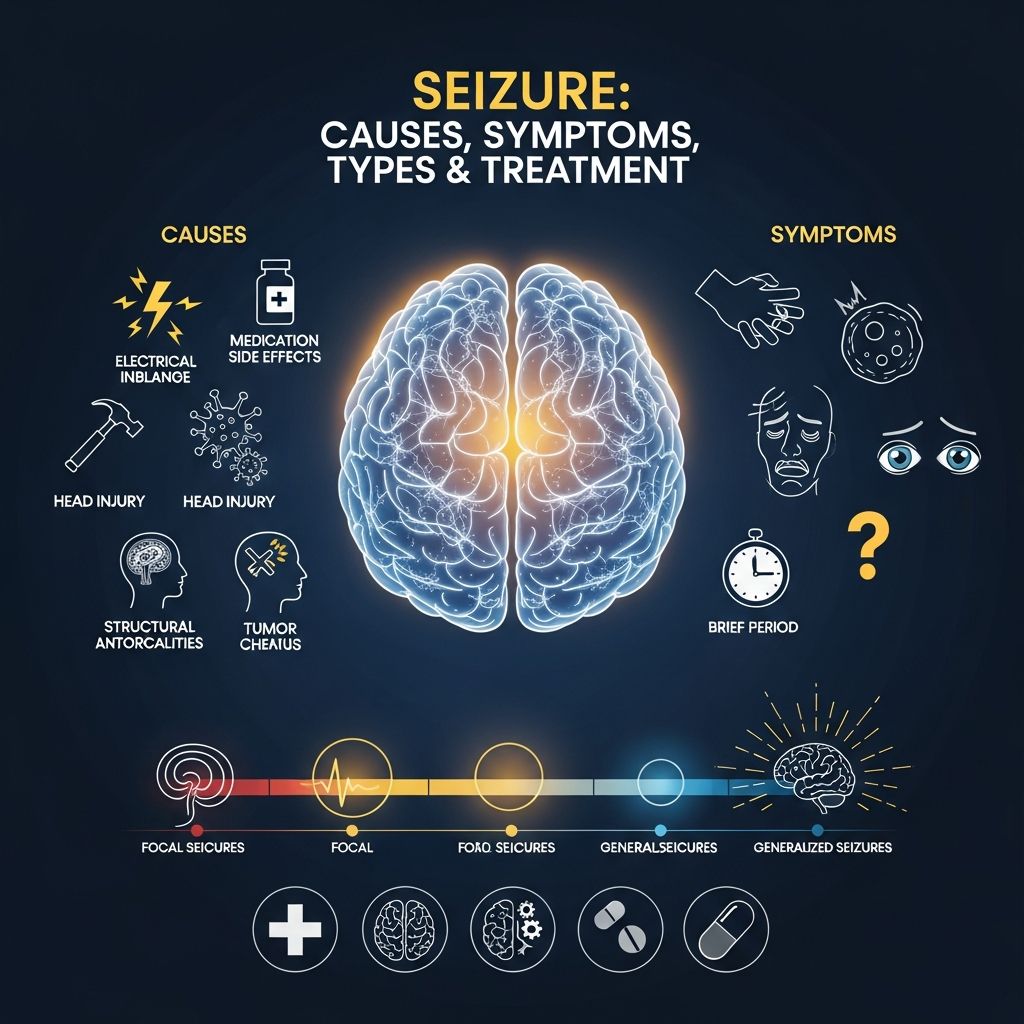
Causes of Seizures
Seizures can be triggered by a variety of factors, including:
- Genetic predisposition
- Brain injury or trauma
- Infections (such as meningitis or encephalitis)
- Stroke
- Brain tumors
- Metabolic imbalances (such as low blood sugar or electrolyte disturbances)
- Drug or alcohol withdrawal
- Febrile seizures (common in young children)
- Epilepsy
Symptoms of Seizures
The symptoms of a seizure can vary widely, but common signs include:
- Staring and unresponsiveness
- Confusion
- Jerks and twitches
- Wandering
- Shaking or falling
- Picking or lip smacking
- Whole-body convulsions (grand mal seizure)
Types of Seizures
Seizures are classified into several types based on their origin and symptoms:
Focal Seizures
Focal seizures, also known as partial seizures, begin in one specific area of the brain. They can be further divided into:
- Focal aware seizures: The person remains conscious and aware during the seizure.
- Focal impaired awareness seizures: The person may lose consciousness or have altered awareness.
Generalized Seizures
Generalized seizures affect both sides of the brain and can be categorized as:
- Absence seizures: Brief lapses in consciousness, often seen in children.
- Tonic-clonic seizures: Characterized by muscle stiffness followed by jerking movements.
- Myoclonic seizures: Sudden, brief jerks of the muscles.
- Atonic seizures: Sudden loss of muscle tone, causing the person to fall.
- Tonic seizures: Muscle stiffness without jerking.
- Clonic seizures: Repeated jerking movements.
Status Epilepticus
Status epilepticus is a medical emergency where a seizure lasts for more than five minutes or multiple seizures occur without recovery in between. This condition can cause brain damage or even death if not treated promptly.
Diagnosis of Seizures
Diagnosing seizures involves a thorough evaluation, including:
- Detailed medical history
- Physical examination
- Neurological assessment
- Electroencephalogram (EEG) to record brain activity
- Magnetic Resonance Imaging (MRI) to visualize brain structure
- Computed Tomography (CT) scan to detect brain abnormalities
- Blood tests to check for metabolic imbalances
- Genetic testing to identify inherited conditions
Treatment of Seizures
Treatment for seizures depends on the type, severity, and underlying cause. Common treatment options include:
Medications
Antiseizure medications (ASMs) are the first line of treatment for most types of seizures. These drugs help control and prevent seizures by stabilizing brain activity.
Surgical Options
For patients with drug-resistant epilepsy, surgical interventions may be considered. These include:
Related Stories



- Surgical resection: Removal of the abnormal brain tissue causing seizures.
- Disconnection: Cutting fiber bundles that connect areas of the brain to prevent seizure spread.
- Stereotactic radiosurgery: Targeted destruction of abnormal brain tissue using radiation.
- Implantation of neuromodulation devices: Devices that send electrical impulses to the brain to reduce seizures over time.
Lifestyle and Support
Managing seizures often involves lifestyle changes and support, such as:
- Wearing a medical ID bracelet or card
- Informing family, friends, and coworkers about seizure first aid
- Regular follow-up appointments with healthcare providers
- Participating in support groups and counseling
First Aid for Seizures
Knowing how to respond during a seizure can help ensure the safety of the person experiencing it. Here are some first aid steps:
Non-Convulsive Seizures
- Watch the person carefully to recognize the seizure.
- Speak quietly and calmly to the person.
- Explain to others what is happening.
- Guide the person gently to a safe area away from any danger.
- Do not restrain the person or try to stop the movements.
- Stay with the person until they regain complete consciousness.
Grand Mal (Convulsive) Seizure
- Time the seizure.
- Look for an “Epilepsy” or “Seizure Disorders” bracelet.
- Place the person on their side, away from hazardous objects.
- Do not put anything in the person’s mouth.
- Remove eyeglasses and any tight objects around the person’s neck.
- Call 9-1-1 if the seizure lasts more than five minutes or results in injury.
- Stay with the person until help arrives.
Impact on Mental Health
Seizures can significantly impact mental health. It is common for individuals with seizures to experience symptoms of anxiety and depression. Support from healthcare providers, family, and friends is crucial for managing these emotional challenges.
Precautions and Safety
To stay safe and reduce the risk of injury during seizures, consider the following precautions:
- Wear a medical ID bracelet or card.
- Inform family, friends, and coworkers about seizure first aid.
- Regular follow-up appointments with healthcare providers.
- Participate in support groups and counseling.
Frequently Asked Questions (FAQs)
Q: What is the difference between a seizure and epilepsy?
A: A seizure is a single event of abnormal electrical activity in the brain, while epilepsy is a chronic condition characterized by recurrent, unprovoked seizures.
Q: Can seizures be prevented?
A: While not all seizures can be prevented, managing underlying conditions, taking prescribed medications, and following safety precautions can reduce the risk.
Q: What should I do if someone is having a seizure?
A: Stay calm, time the seizure, place the person on their side, and call for medical help if the seizure lasts more than five minutes or results in injury.
Q: Are there any long-term effects of seizures?
A: Long-term effects can include cognitive and emotional changes, but with proper management, many people with seizures lead fulfilling lives.
Q: Can children outgrow seizures?
A: Some children may outgrow certain types of seizures, especially those related to febrile seizures or specific developmental stages.
References
References
- Seizure: What It Is, Causes, Symptoms, Treatment & Types — Cleveland Clinic. 2023. https://my.clevelandclinic.org/health/diseases/22789-seizure
- First Aid FOR Seizures – Cleveland Clinic — Cleveland Clinic. 2023. https://my.clevelandclinic.org/-/scassets/files/org/neurological/epilepsy/patient-guides/5-types-symptoms-epileptic-seizures.ashx?la=en
- Epilepsy: What It Is, Causes, Symptoms & Treatment – Cleveland Clinic — Cleveland Clinic. 2023. https://my.clevelandclinic.org/health/diseases/17636-epilepsy
Similar Articles








Read full bio of medha deb