Seizures and Epilepsy in Children: Complete Guide
Understanding seizures and epilepsy in children: symptoms, diagnosis, treatment, and management strategies.
Seizures and epilepsy can be frightening experiences for parents and caregivers of children. Understanding what happens during a seizure, how epilepsy develops, and the available treatment options can help families manage the condition more effectively. This guide provides evidence-based information about childhood seizures and epilepsy to help you become an active partner in your child’s medical care.
Understanding Seizures and Epilepsy
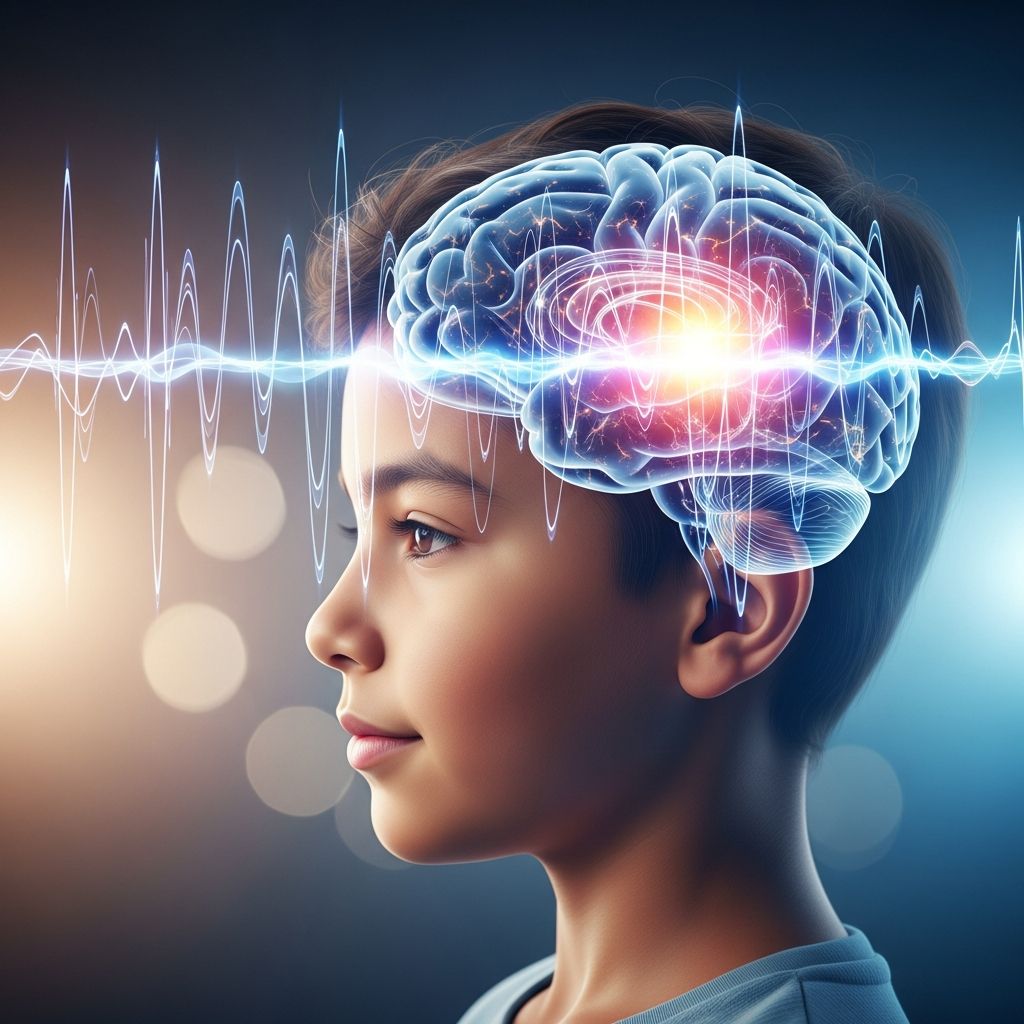
A seizure occurs when there is a sudden burst of electrical activity in the brain. During a seizure, brain cells communicate with each other through electrical signals. Normally, these signals follow a precise pattern, but during a seizure, this electrical communication becomes chaotic and uncontrolled. This abnormal electrical activity causes the symptoms associated with seizures.
Epilepsy is a neurological condition characterized by a tendency to have recurrent seizures. While a single seizure does not necessarily mean a child has epilepsy, a child is generally considered to have epilepsy after experiencing two or more unprovoked seizures or after being diagnosed with an epilepsy syndrome. The condition affects children of all ages and backgrounds, making it one of the most common neurological conditions in childhood.
How the Brain Works: Keys to Understanding Seizures
To understand seizures, it helps to know how the healthy brain functions. The brain contains billions of neurons that communicate through electrical and chemical signals. These signals allow the brain to control thoughts, movements, sensations, and emotions. In a healthy brain, this communication follows organized patterns that enable normal brain function.
When a child has a seizure disorder, something disrupts this normal electrical communication. This disruption might occur in a specific area of the brain or throughout the entire brain, depending on the type of seizure. Understanding the location and pattern of abnormal electrical activity helps doctors diagnose the specific type of seizure and determine appropriate treatment.
Types of Seizures in Children
Seizures are classified based on where they start and how they affect the brain and body. Two main categories exist: focal seizures and generalized seizures.
Focal Seizures
Focal seizures begin in a specific area of the brain, typically in one hemisphere. These seizures may or may not cause a loss of consciousness. During a focal seizure, a child might experience muscle twitching in one area of the body, unusual sensations, or emotional changes. Sometimes focal seizures spread to involve the entire brain, becoming generalized seizures.
Generalized Seizures
Generalized seizures involve the entire brain from the beginning. These seizures typically cause a loss of consciousness and affect the entire body. Common types of generalized seizures include tonic-clonic seizures, absence seizures, and atonic seizures. Tonic-clonic seizures involve both muscle stiffness and rhythmic jerking movements. Absence seizures cause brief lapses in consciousness where the child appears to stare blankly. Atonic seizures involve a sudden loss of muscle tone, sometimes called “drop attacks.”
Related Stories



Common Types of Childhood Epilepsy
Several epilepsy syndromes commonly affect children. Each has distinct characteristics, typical age of onset, and response to treatment.
Childhood Absence Epilepsy (CAE): This syndrome typically begins between ages 4 and 8 years and is more common in girls. Children experience brief, frequent absence seizures where they seem to “blank out” for several seconds.
Juvenile Myoclonic Epilepsy (JME): This condition usually appears in early adolescence and causes brief, shock-like jerks of the arms and legs, particularly in the morning. Most children with JME respond well to medication.
Temporal Lobe Epilepsy: This is one of the most common forms of focal epilepsy in children. Seizures typically involve unusual sensations or emotions followed by more obvious movements or loss of consciousness.
Rolandic Epilepsy: This benign focal epilepsy typically appears between ages 5 and 10 years and causes seizures involving facial twitching and speech difficulties. Most children outgrow this condition by adolescence.
Infantile Spasms: This rare but serious epilepsy syndrome appears in infants, typically between 3 and 12 months of age. It causes clusters of brief muscle jerks and requires urgent treatment.
Diagnosing Seizures and Epilepsy
Proper diagnosis is essential for determining the appropriate treatment. The diagnostic process involves several steps.
Medical History and Physical Examination
The first step involves a detailed medical history. The doctor will ask questions about when the seizures started, what they look like, how long they last, and whether anything seems to trigger them. A thorough physical and neurological examination helps identify any abnormalities.
Electroencephalography (EEG)
An EEG records the brain’s electrical activity through electrodes placed on the scalp. This test can reveal abnormal electrical patterns characteristic of specific epilepsy syndromes. An EEG may be performed while the child is awake or asleep and sometimes during sleep deprivation to increase the likelihood of capturing abnormal activity.
Brain Imaging
Magnetic resonance imaging (MRI) or computed tomography (CT) scans provide detailed images of the brain structure. These tests help identify structural abnormalities that might cause seizures, such as tumors, scarring, or malformations in brain development. MRI is generally preferred because it provides more detailed images without radiation exposure.
Blood Tests
Blood tests may help identify metabolic or genetic causes of seizures. These tests check for infections, blood sugar abnormalities, vitamin deficiencies, and other conditions that might contribute to seizures.
Treatment Options for Childhood Epilepsy
Treatment for epilepsy in children varies depending on the type of seizures, the underlying cause, and how the child responds to therapy. Multiple treatment options are available.
Anti-Seizure Medications
Anti-seizure medications are the first-line treatment for most children with epilepsy. These medications work by reducing the abnormal electrical activity in the brain that causes seizures. Many different anti-seizure medications are available, each with specific uses, benefits, and potential side effects. Finding the right medication often requires some trial and adjustment, as individual children respond differently to different drugs. Most children with epilepsy achieve seizure control with medication.
Ketogenic Diet Therapy
The ketogenic diet is a high-fat, low-carbohydrate diet that changes how the body uses energy. This specialized diet has been shown to reduce seizures in many children, particularly those with specific types of epilepsy or those who don’t respond to medications. The diet must be carefully supervised by a medical team experienced in its use.
Surgery and Devices
For children whose seizures don’t respond to medications, surgery may be an option. Surgery aims to remove the area of the brain causing seizures or to interrupt abnormal electrical signals. Before surgery, extensive testing helps locate exactly where seizures originate. In addition to surgery, various devices such as vagus nerve stimulation devices can help reduce seizure frequency in some children.
Rescue Medications
Rescue or emergency medications are used to stop prolonged or cluster seizures. These medications, often administered as nasal sprays or injections, work quickly to stop active seizures. Families should be trained in the proper use of rescue medications and understand when they should be used.
Living with Childhood Epilepsy
School and Education
Children with epilepsy can attend regular schools and participate fully in academic activities. Parents should communicate with teachers and school administrators about the child’s condition, seizure triggers, and emergency procedures. Many schools provide accommodations through Individual Education Plans (IEPs) or 504 Plans to ensure children with epilepsy receive appropriate support.
Physical Activities and Sports
Most children with well-controlled epilepsy can safely participate in sports and physical activities. Contact sports and activities involving heights or water require special considerations and supervision. Communication with coaches and activity leaders helps ensure the child’s safety while allowing full participation.
Social and Emotional Aspects
Children with epilepsy and their families may experience emotional challenges including fear, anxiety, and social stigma. Counseling and support groups can help families cope with these challenges. Building resilience and maintaining a positive outlook while managing the medical aspects of the condition leads to better overall outcomes.
Managing Seizure Risk and Safety
While treating seizures medically is important, families should also implement safety measures to protect children during seizures.
- Ensure the child wears a medical alert bracelet identifying their seizure condition
- Keep emergency medications accessible and ensure caregivers know how to use them
- Remove hazards from the environment that could cause injury during a seizure
- Teach the child and caregivers what to do if a seizure occurs
- Maintain seizure logs to track patterns and medication effectiveness
- Keep regular appointments with the child’s neurologist
- Ensure adequate sleep, as sleep deprivation can trigger seizures
- Avoid known seizure triggers when possible
First Aid for Seizures
Knowing how to respond during a seizure is important for all caregivers. If a child has a seizure, remain calm and follow these steps:
- Stay with the child and protect them from injury by moving nearby objects away
- Place the child on their side to keep the airway clear
- Note the time the seizure starts
- Do not put anything in the child’s mouth
- Stay close after the seizure ends as the child may be confused
- Call emergency services if the seizure lasts longer than five minutes or if multiple seizures occur
Prognosis and Long-term Outcomes
The prognosis for children with epilepsy varies depending on the type of epilepsy, the child’s age at onset, and how they respond to treatment. Many children with childhood epilepsy eventually become seizure-free, particularly with early diagnosis and appropriate treatment. Some children outgrow their epilepsy as they reach adolescence and adulthood. Others require lifelong management but can live full, productive lives with their condition well controlled.
Frequently Asked Questions
Q: Can seizures cause permanent brain damage?
A: While single seizures are generally not dangerous to the brain, prolonged or very frequent seizures can potentially cause harm. This is why prompt diagnosis and treatment are important.
Q: Is epilepsy hereditary?
A: Some types of epilepsy have a genetic component, but epilepsy is not always inherited. Having a family member with epilepsy slightly increases the risk, but most children of people with epilepsy do not develop the condition.
Q: Can my child with epilepsy swim or participate in water activities?
A: Yes, with proper precautions. Children with well-controlled seizures can usually swim with supervision. One-on-one supervision in the water and informing lifeguards about the condition is recommended.
Q: Will my child need to take anti-seizure medication forever?
A: Not necessarily. Some children outgrow epilepsy, and after being seizure-free for a period, doctors may consider tapering medications under close supervision.
Q: Can seizures be triggered by specific things?
A: For some children, triggers like sleep deprivation, stress, flickering lights, or certain foods can increase seizure risk. Identifying and avoiding personal triggers is part of seizure management.
Q: What should I do if my child misses a dose of seizure medication?
A: Contact your child’s neurologist for specific instructions. Generally, if a dose is remembered within a few hours, it can be taken; if it’s almost time for the next dose, skip the missed dose and resume the regular schedule.
Conclusion
Seizures and epilepsy in children can be effectively managed with proper diagnosis, appropriate treatment, and comprehensive care. Advances in medical understanding and treatment options continue to improve outcomes for children with epilepsy. By working closely with healthcare providers, maintaining accurate seizure records, and providing a safe environment, families can help their children with epilepsy lead full, active lives. Early intervention, consistent medical management, and emotional support are key to successful long-term outcomes.
References
- Seizures and Epilepsy in Children — Johns Hopkins Press. 2024. https://www.press.jhu.edu/books/title/12343/seizures-and-epilepsy-children
- Epilepsy and Seizure Disorders in Children — Johns Hopkins Medicine. 2024. https://www.hopkinsmedicine.org/health/conditions-and-diseases/epilepsy
- Seizure Disorders Management in Children — Johns Hopkins University School of Medicine. 2024. https://pure.johnshopkins.edu/en/publications/seizure-disorders-3
- Epilepsy with Myoclonic Atonic Seizures — Johns Hopkins Children’s Center. 2023. https://www.hopkinsmedicine.org/health/conditions-and-diseases/epilepsy
- Childhood Epilepsy Syndromes and Treatment Approaches — National Institute of Neurological Disorders and Stroke (NINDS). 2024. https://www.ninds.nih.gov/Disorders/All-Disorders/Epilepsy-Information-Page
- Management and Diagnosis of Pediatric Seizure Disorders — American Academy of Pediatrics. 2023. https://www.aap.org
Similar Articles








Read full bio of Sneha Tete