Selecting Eye Drops For Dry Eyes: Expert Guide
Discover expert guidance on choosing the best lubricant drops to relieve dry eye discomfort and maintain ocular health effectively.
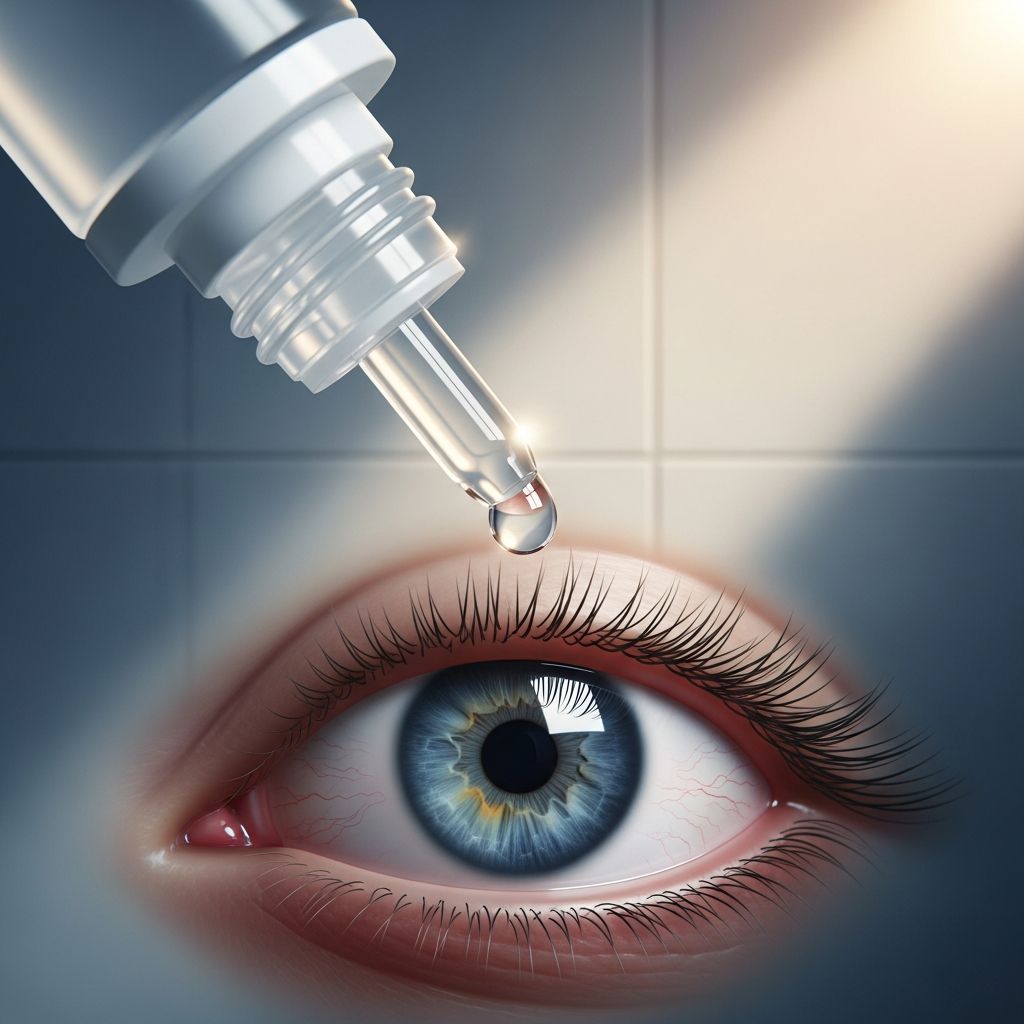
Dry eyes affect millions, causing irritation, burning, and blurred vision due to insufficient tear production or rapid evaporation. Selecting the appropriate lubricant drops is crucial for symptom relief and eye surface protection. This comprehensive guide explores options, usage strategies, and complementary treatments based on established medical recommendations.
Understanding the Impact of Dry Eyes
The tear film comprises water, oils, and mucus layers that keep eyes moist and clear vision. Disruptions lead to
dry eye disease
, often from meibomian gland dysfunction, inflammation, or environmental factors. Common symptoms include stinging, redness, light sensitivity, and foreign body sensation. Early intervention with proper drops prevents complications like corneal damage.Types of Lubricant Eye Drops Available
Lubricant drops, known as artificial tears, mimic natural tears to hydrate the ocular surface. They vary by formulation for different severity levels.
- Water-based drops: Ideal for mild symptoms, providing quick hydration without blurring vision.
- Gel drops: Thicker consistency for moderate dryness, offering longer relief but potential temporary blur.
- Ointments: Oil-based for severe cases or nighttime use, delivering prolonged lubrication despite vision obscuration.
Choose based on symptom intensity: frequent use for mild cases, thicker options for persistent discomfort.
Preservative-Free vs. Preserved Formulations
Preservatives like benzalkonium chloride (BAK) prevent bacterial growth in multi-dose bottles but can irritate sensitive eyes with frequent application.
Preservative-free drops
in single-use vials or multi-dose bottles with advanced tech suit daily users, minimizing toxicity risks. Opt for these if applying over four times daily or experiencing preservative sensitivity.| Feature | Preserved Drops | Preservative-Free Drops |
|---|---|---|
| Best For | Infrequent use (<4x/day) | Frequent use or sensitive eyes |
| Packaging | Multi-dose bottle | Single-use vials or special bottles |
| Cost | Lower | Higher |
| Risk | Potential irritation | Minimal irritation |
Key Ingredients to Look For
Effective drops contain lubricants like carboxymethylcellulose, hyaluronic acid, or polyethylene glycol to stabilize the tear film. Avoid products with vasoconstrictors (e.g., tetrahydrozoline), which redden eyes temporarily by constricting vessels, worsening long-term issues. Refreshing drops without these additives provide safer hydration.
Proper Application Techniques
Maximize efficacy with correct use:
- Wash hands thoroughly.
- Tilt head back, pull down lower lid.
- Instill 1-2 drops without touching the eye.
- Blink gently; close eyes 1-2 minutes.
- Wait 5 minutes between different drops.
Store at room temperature, discard opened bottles per expiration (usually 30 days), and refrigerate gels if comfortable.
When Drops Aren’t Enough: Advanced Options
For chronic dry eyes, combine drops with professional treatments targeting root causes like gland blockages.
- Thermal therapies: Devices apply heat and massage to unblock meibomian glands, improving oil flow for sustained relief.
- Prescription anti-inflammatories: Cyclosporine (Restasis) or lifitegrast (Xiidra) boost tear production and reduce inflammation.
- Punctal plugs: Tiny inserts block tear drainage, conserving natural tears.
- Intense pulsed light (IPL): Reduces eyelid inflammation and gland dysfunction.
Related Stories



Lifestyle Adjustments to Enhance Drop Effectiveness
Support lubrication with habits:
- Use humidifiers in dry environments.
- Follow the 20-20-20 rule for screen time.
- Incorporate omega-3 supplements.
- Practice warm compresses and lid hygiene daily.
Special Considerations for Contact Lens Wearers
Standard drops may not be compatible with lenses. Select preservative-free, lens-approved formulas to avoid deposits or discomfort. Remove lenses before thicker gels/ointments; scleral lenses offer built-in moisture reservoirs for severe cases.
Red Flags: When to Consult an Eye Specialist
Seek immediate care if drops fail after two weeks, or with vision loss, severe pain, discharge, or light flashes. Underlying issues like allergies, blepharitis, or Sjögren’s syndrome may require diagnosis.
Frequently Asked Questions (FAQs)
Can I overuse eye drops?
Preservative-free options allow frequent use; preserved ones risk irritation beyond 4-6 times daily. Dependency is rare with proper types.
Are all artificial tears the same?
No, they differ in viscosity, ingredients, and preservatives. Trial under professional guidance finds the best match.
How long do drops take to work?
Relief is often immediate, but chronic cases need consistent use for weeks.
Can dry eyes cause permanent damage?
Untreated severe cases can scar the cornea; proactive management prevents this.
Are generic drops effective?
Yes, if matching active ingredients; FDA regulation ensures equivalence.
Building a Personalized Dry Eye Regimen
Start with over-the-counter lubricants, monitor for two weeks, then escalate if needed. Track symptoms in a journal noting triggers like wind, screens, or hormones. Annual eye exams detect progression early.
Women post-menopause, contact wearers, and screen-heavy workers face higher risks. Hydration, blinking exercises, and anti-inflammatory diets amplify benefits.
Innovations like amniotic membrane lenses offer temporary healing for severe cases, while ongoing research refines targeted therapies.
References
- Dry Eye | AOA — American Optometric Association. 2023. https://www.aoa.org/healthy-eyes/eye-and-vision-conditions/dry-eye
- Dry Eye – National Eye Institute – NIH — National Eye Institute. 2024-10-01. https://www.nei.nih.gov/eye-health-information/eye-conditions-and-diseases/dry-eye
- 10 In-Office Treatments for Dry Eyes — Optometrists.org. 2023. https://www.optometrists.org/general-practice-optometry/guide-to-eye-conditions/dry-eye/10-in-office-treatments-for-dry-eyes/
- Understanding Dry Eye Symptoms and Latest Treatment Options — Ottawa Valley Vision. 2024. https://www.ottawavalleyvision.ca/understanding-dry-eye-symptoms-and-latest-treatment-options
- Dry Eye | CNIB — Canadian National Institute for the Blind. 2023. https://www.cnib.ca/en/dry-eye
- Dry Eyes: Types, Symptoms, Causes & Treatment — Cleveland Clinic. 2024-01-15. https://my.clevelandclinic.org/health/diseases/24479-dry-eye
Similar Articles








Read full bio of medha deb